
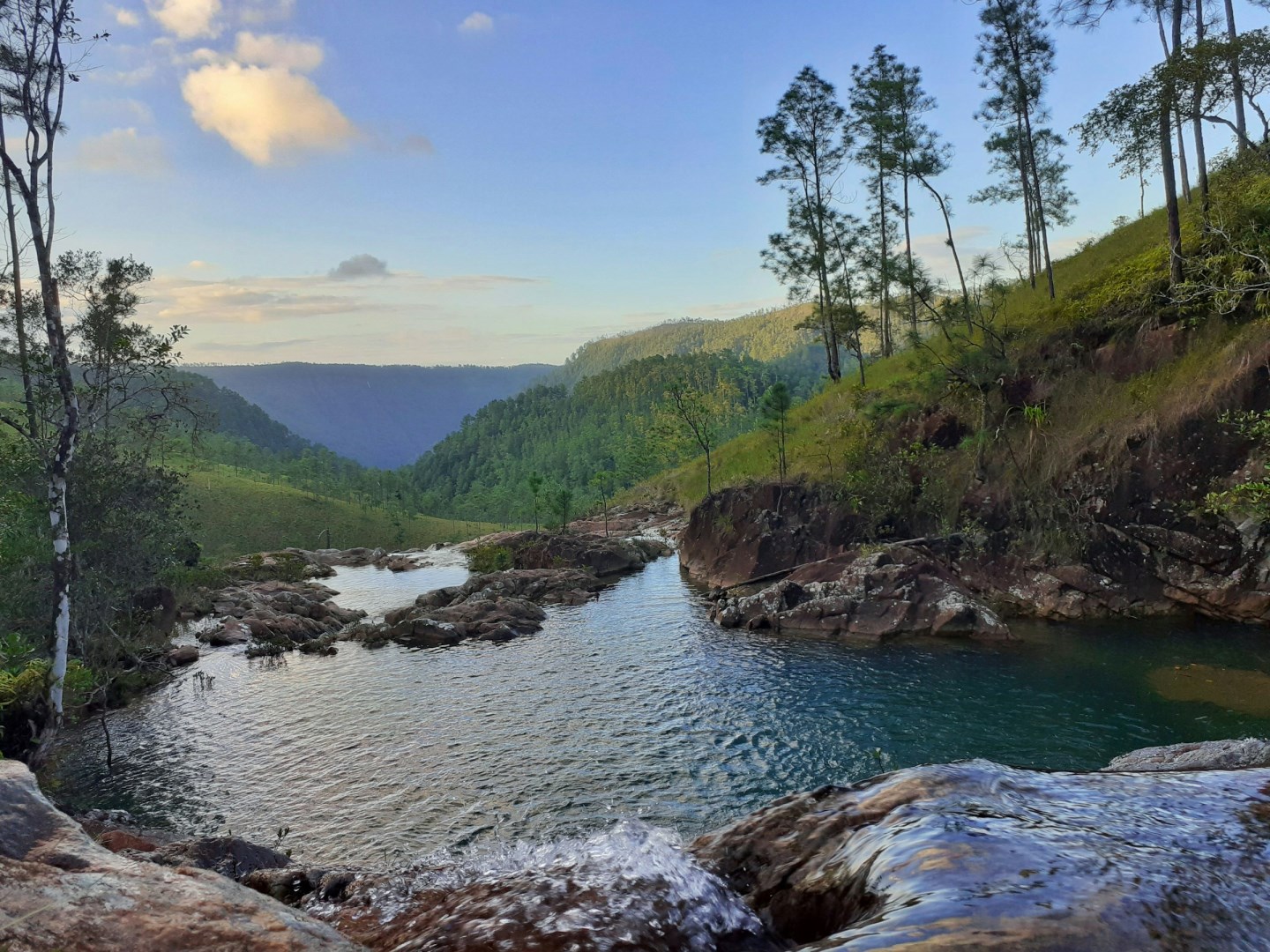
Mountain Pine Ridge
The 300 square mile Mountain Pine Ridge Forest Reserve is reached by taking the Georgeville turnoff at mile 65 of the Western Highway. After going through miles of tropical jungle you will be in a forest of tall pines growing amongst wildflowers and grasses. The area has whitewater rivers, waterfalls and cave systems.
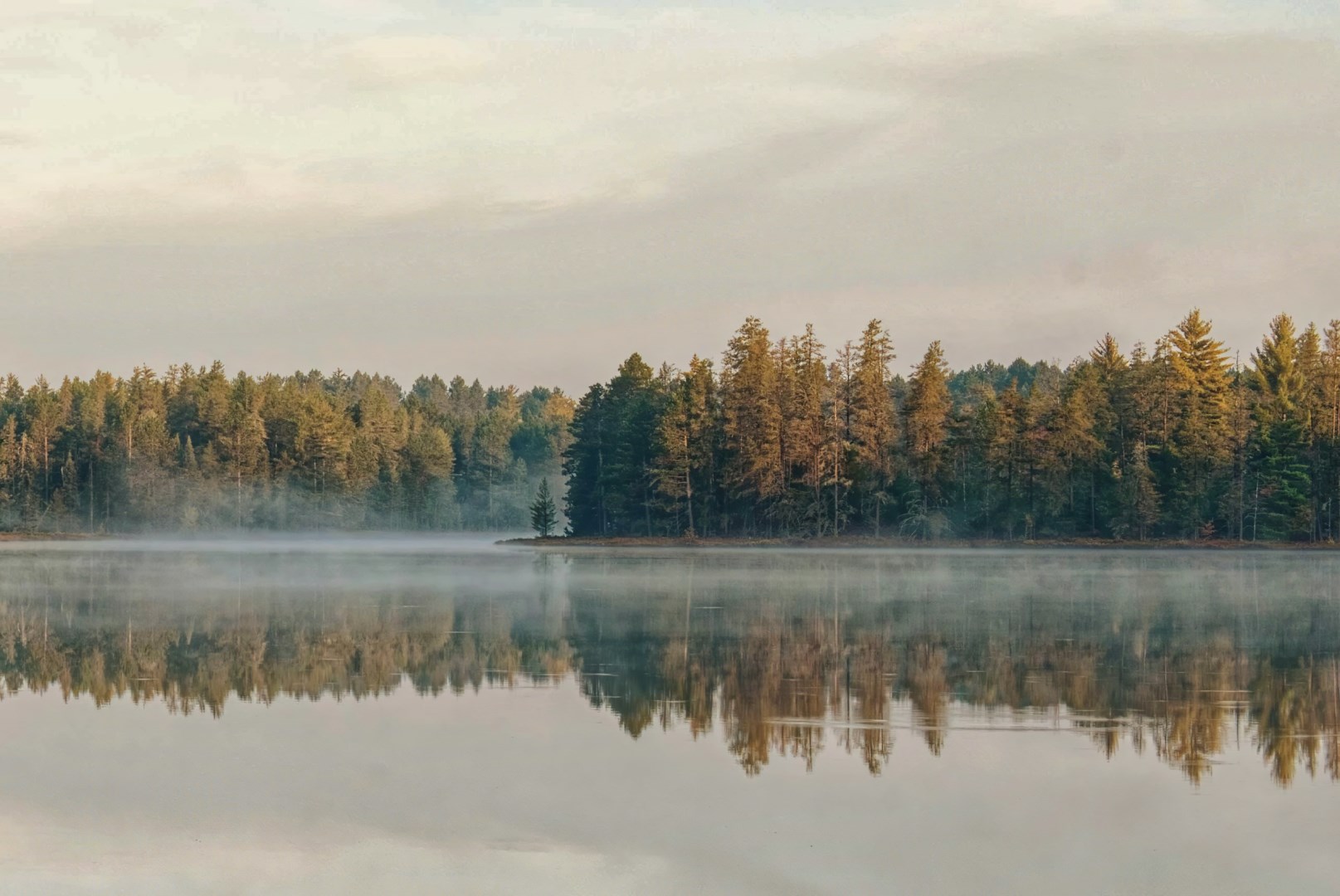
Michigan
Michigan offers a diverse array of attractions that cater to all types of travelers. The state's natural beauty is showcased in its expansive Great Lakes coastline, including the stunning shores of Lake Michigan, Lake Huron, and Lake Superior. Visitors can explore the breathtaking scenery of the Sleeping Bear Dunes National Lakeshore, renowned for its towering sand dunes and picturesque lake views. This natural wonder provides ample opportunities for hiking, beachcombing, and wildlife watching.
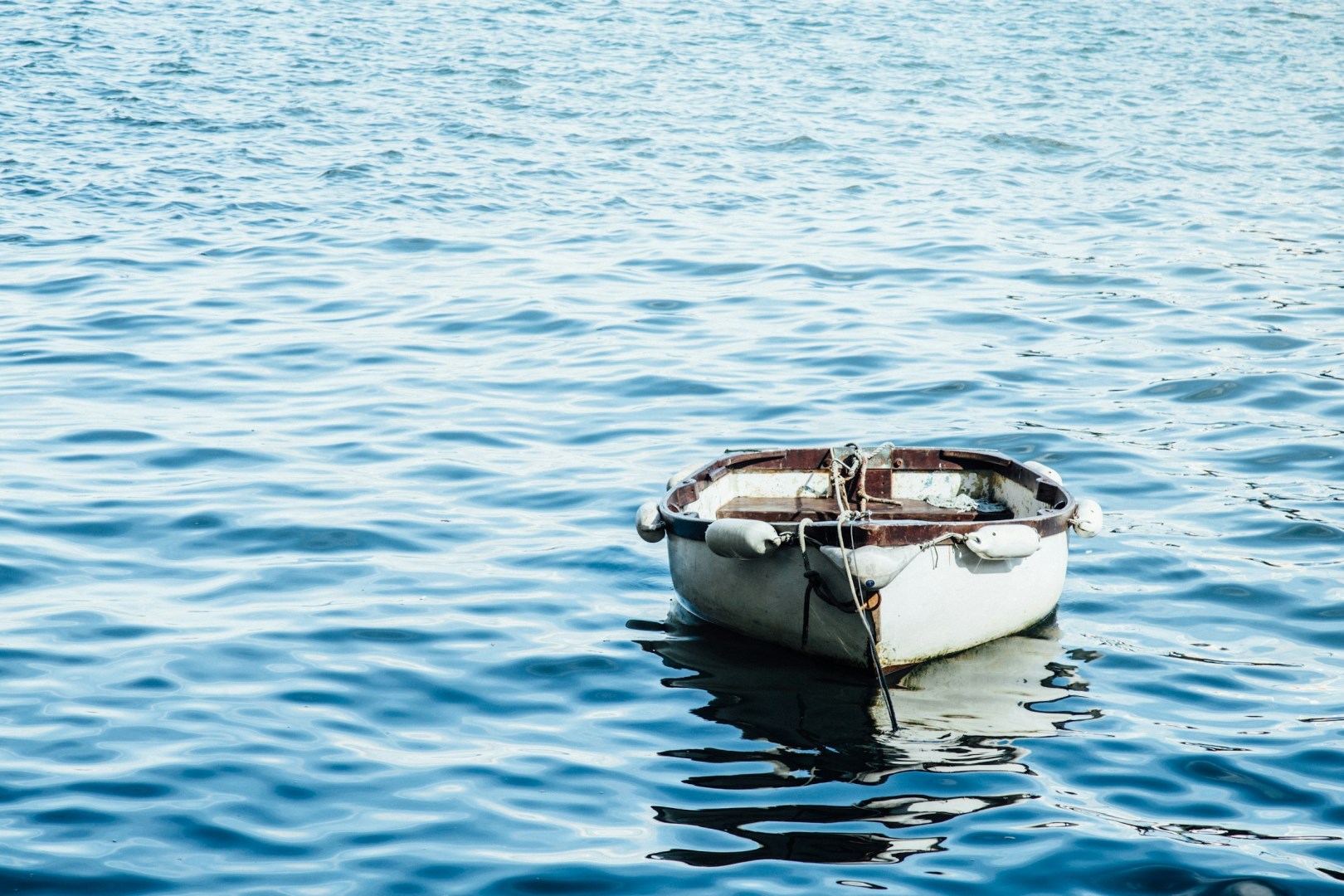
Falmouth
Falmouth, on Cornwall’s south coast, grew around one of the world’s largest natural harbors, a feature that has shaped its maritime identity for centuries. The town expanded during the age of sail, serving as a key port for packet ships, and landmarks like Pendennis Castle still anchor Falmouth firmly in its naval past.

Bogotá
Bogotá, the vibrant capital of Colombia, sits high in the Andes at 2,640 meters above sea level. The city balances historic charm with modern energy, where cobblestone streets meet bold street art and colonial churches stand beside sleek galleries and cafes. At the heart of it all is La Candelaria, Bogotá’s oldest neighborhood, where travelers can visit centuries-old buildings, including the neoclassical Capitol and the richly decorated Gold Museum.

Rangiroa Atoll
Rangiroa’s beaches and stunning sunsets provide the perfect backdrop for relaxation. The lagoon is ideal for paddleboarding or taking a boat excursion to explore hidden coves.
