
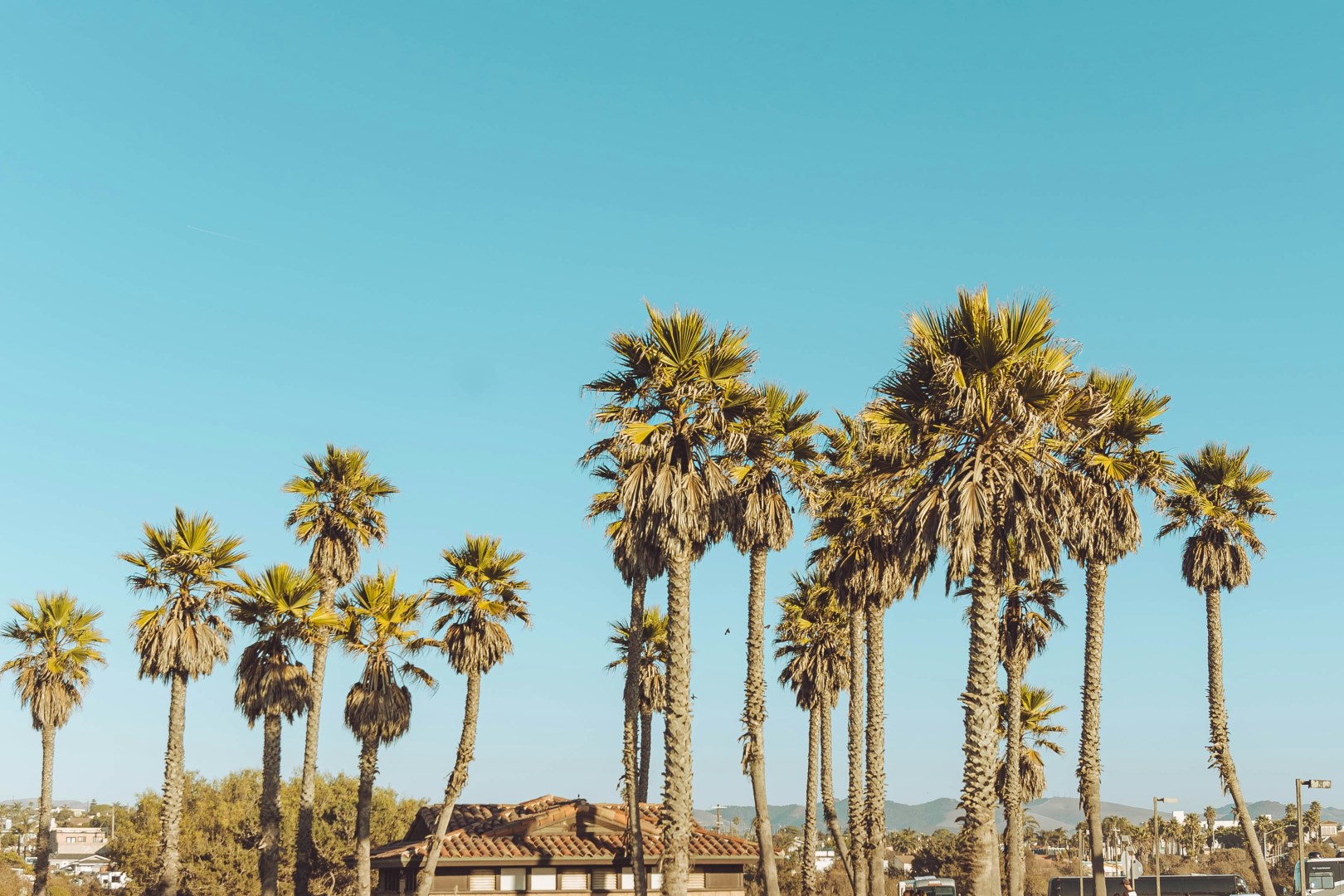
Santa Maria
Santa Maria is a city on California’s Central Coast, located between San Luis Obispo and Santa Barbara. The area is known for its agricultural industry, coastal access, and long connection to ranching culture.

Zululand
Zululand, located in South Africa's KwaZulu-Natal province, is a region steeped in history and natural beauty. Known as the heartland of the Zulu nation, Zululand offers visitors a chance to explore the rich cultural heritage of the Zulu people.
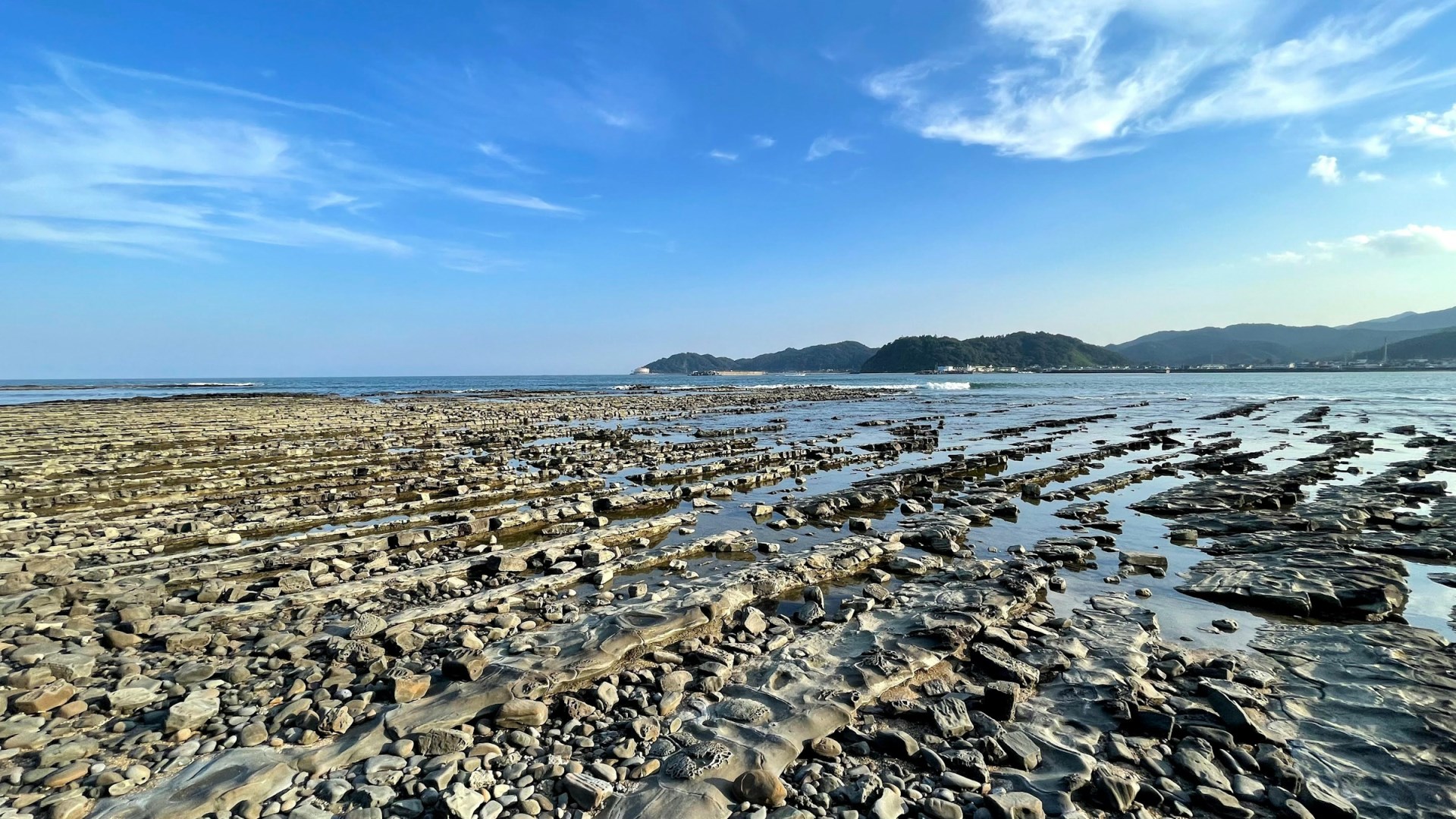
Miyazaki
Miyazaki is a coastal city on the southeastern side of Kyushu, facing the Pacific Ocean. Its setting combines sandy beaches, rivers, palm-lined streets, agricultural areas, and nearby hills, giving the city a distinct subtropical character within Japan. Miyazaki is the capital of Miyazaki Prefecture and serves as a regional center for commerce, culture, and transportation.
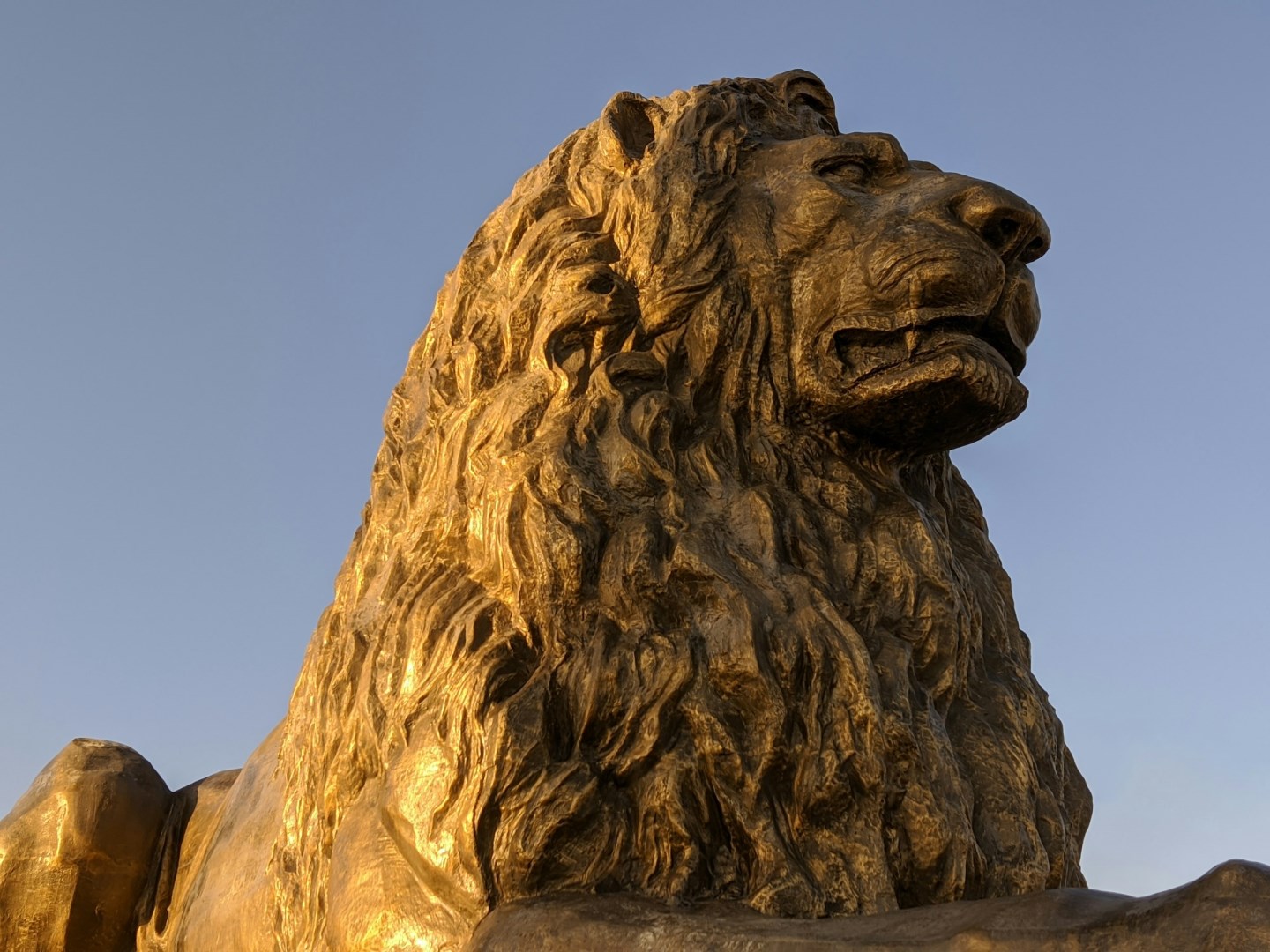
Khujand
Khujand is a major city in northern Tajikistan, situated along the Syr Darya River in the Sughd Region. It is one of Central Asia’s oldest urban centers and was an important stopping point along historic trade routes linking the region with Persia and China. Today, the city combines a long urban tradition with busy markets, riverside parks, museums, and broad views toward the surrounding hills.

Abruzzo
Abruzzo, a hidden gem in central Italy, offers travelers a captivating blend of medieval history, stunning natural landscapes, and authentic Italian charm. Known as "the greenest region in Europe," Abruzzo is home to three national parks, including Gran Sasso e Monti della Laga, which features some of the highest peaks in the Apennines.
