

Australia & New Zealand
Australia and New Zealand each have their own identities, shaped by indigenous heritage, colonial history, and vibrant contemporary cultures. Visitors can travel between the two in just a few hours, yet find themselves in entirely different worlds.
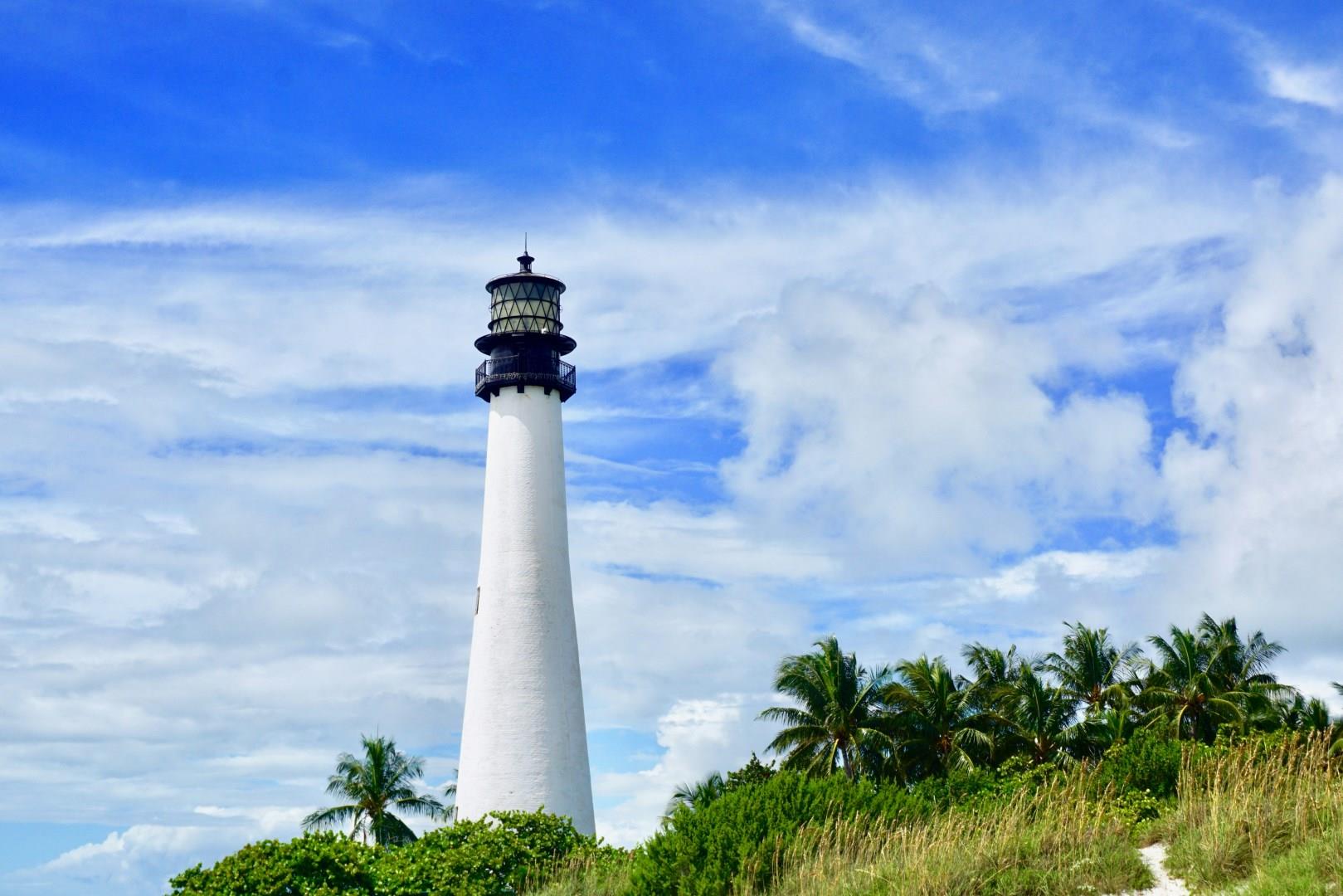
Key Biscayne
Key Biscayne is a tropical island paradise located just six miles off the coast of Miami. This world-class resort community is a place where you can lie back in a hammock and listen to the rustle of palm fronds in the ocean breeze or stroll along the calm sandy Atlantic shore.

Olden
Nestled along the stunning Sognefjord in Norway, the charming town of Olden offers a gateway to some of Scandinavia’s most breathtaking landscapes. This picturesque settlement is renowned for its proximity to the Jostedalsbreen Glacier, the largest glacier in mainland Europe.
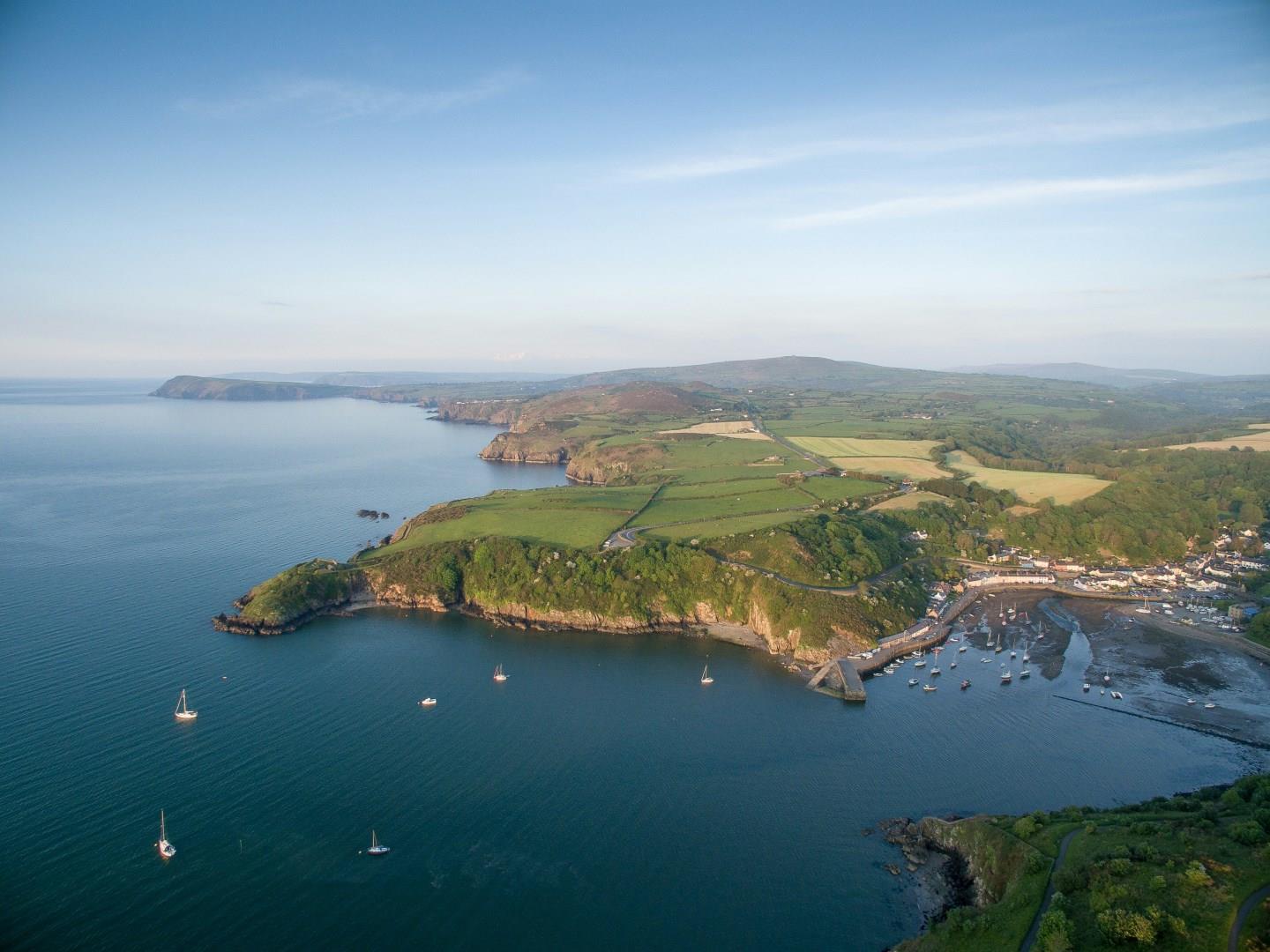
Fishguard
Fishguard, a coastal town in north Pembrokeshire, is divided into two parts: Fishguard and Lower Town. Lower Town is a small harbor nestled at the mouth of the River Gwaun, lined with fishing cottages and boats. It has served as a filming location for several productions, including the 1956 movie *Moby Dick* starring Gregory Peck. Visitors can walk the quayside, explore rock pools at low tide, or take boat trips along the Pembrokeshire Coast.

Hanalei, Kauai
Hanalei is located on the North central coast of Kauai Island. Near the head of Hanalei Bay, the village is in scenic and fertile Hanalei or Hanohano Valley, one of the states few rice producing regions.
