
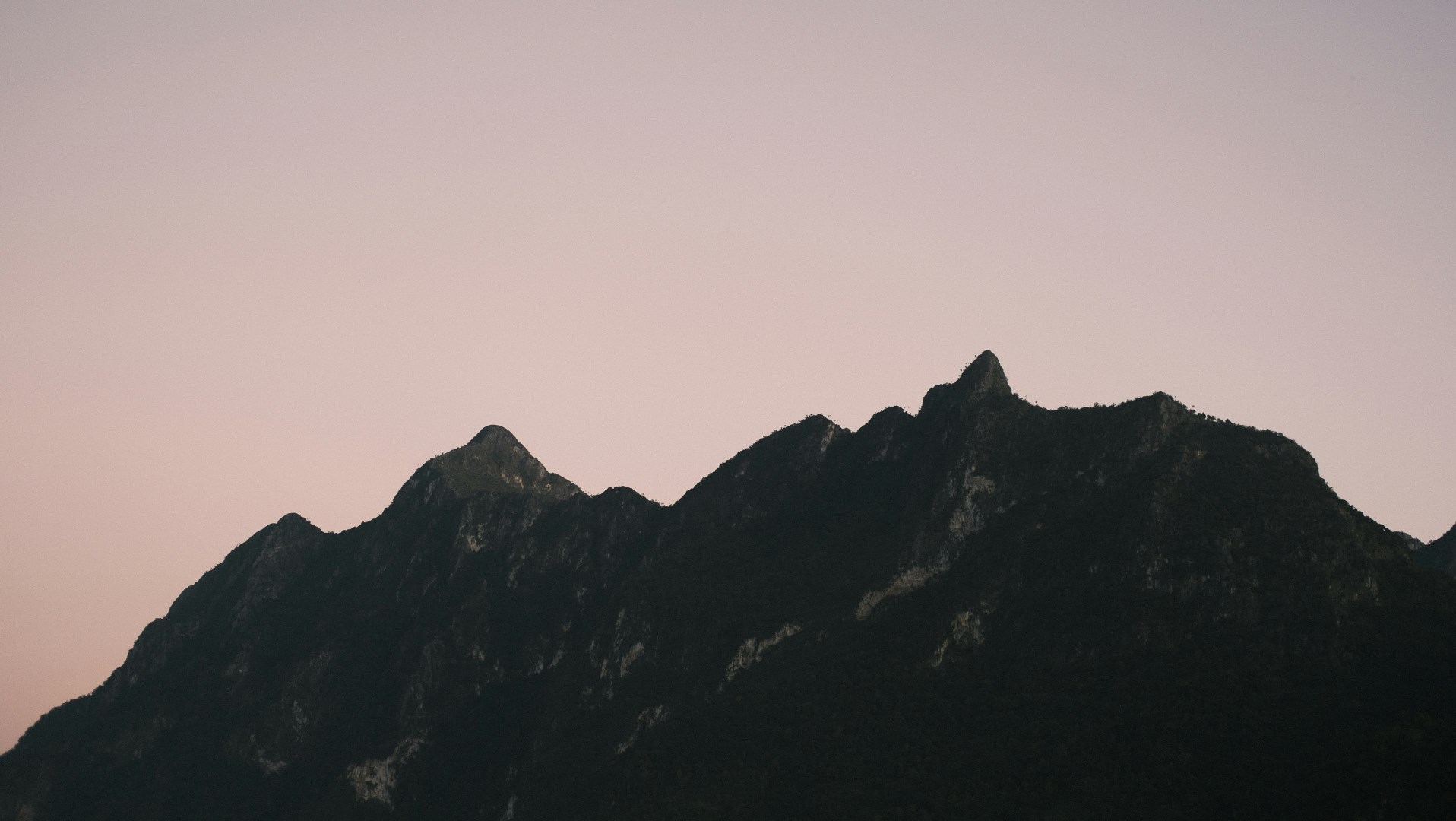
Chiang Dao
Chiang Dao is a mountain district in Chiang Mai Province, northern Thailand, known for its limestone peaks, cave systems, and quiet agricultural valleys. The town sits beneath Doi Luang Chiang Dao, one of the highest mountains in Thailand, which shapes the landscape and daily life of the area.

Húsavík
Nestled on the shores of Skjalfandi Bay in northern Iceland, Husavik offers visitors the unique chance to witness humpback whales, minke whales, and even the occasional blue whale in their natural habitat. The town is also home to the Husavik Whale Museum, which provides fascinating insights into the marine life of the region and the history of whaling in Iceland.

Des Moines
Des Moines, Iowa’s capital city, offers a refreshing take on Midwest travel with a blend of creativity, history, and community pride. Its downtown skyline is anchored by the gold-domed Iowa State Capitol, which offers free guided tours and a striking view from its hilltop perch. Just across the river, the East Village mixes old brick storefronts with indie shops, coffee houses, and vibrant murals. It's where old meets new, a theme that runs throughout the city’s evolving identity.
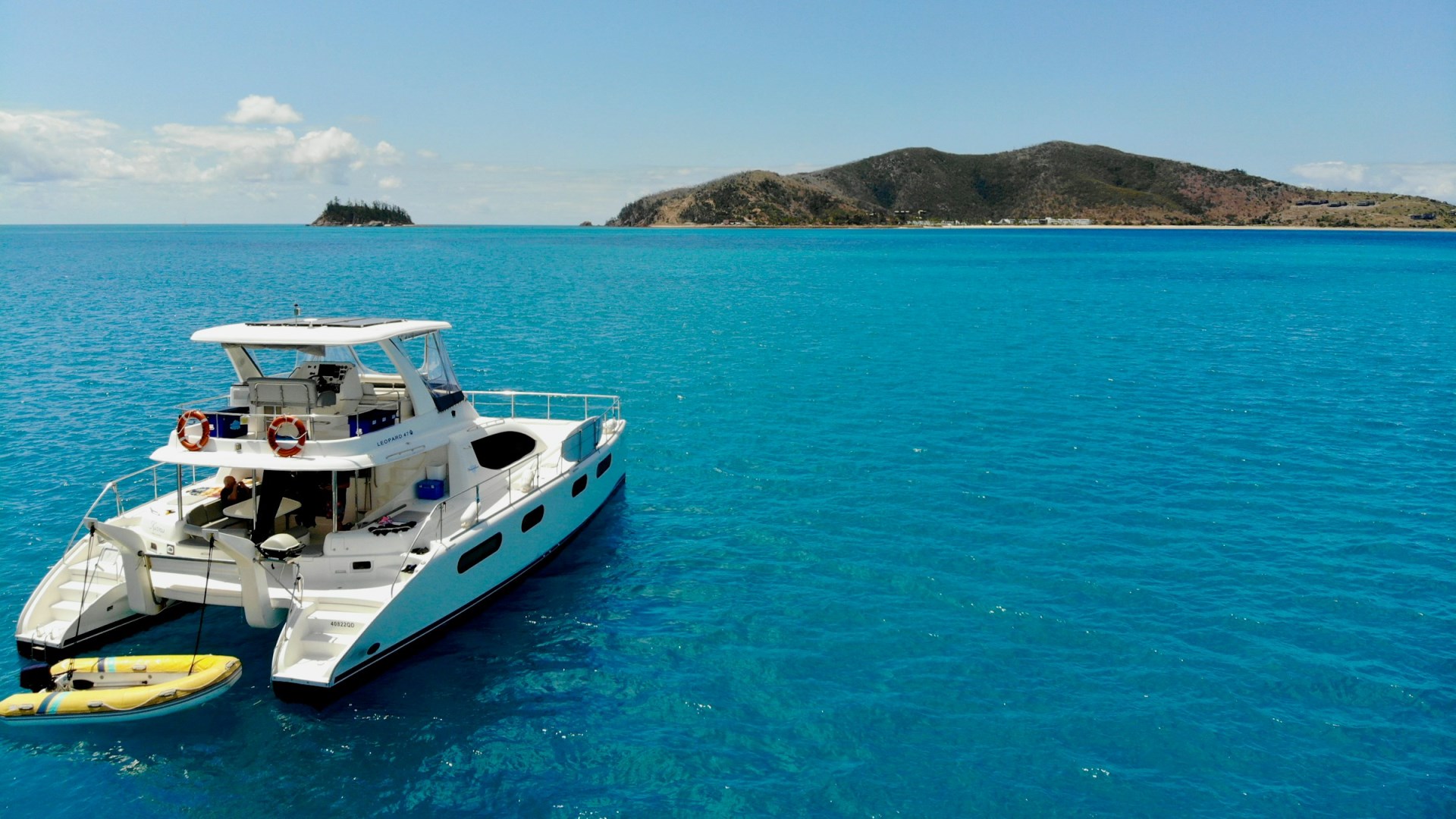
Hayman Island
Hayman Island is nestled in the spectacular Whitsunday Islands off Australia's north Queensland Coast.
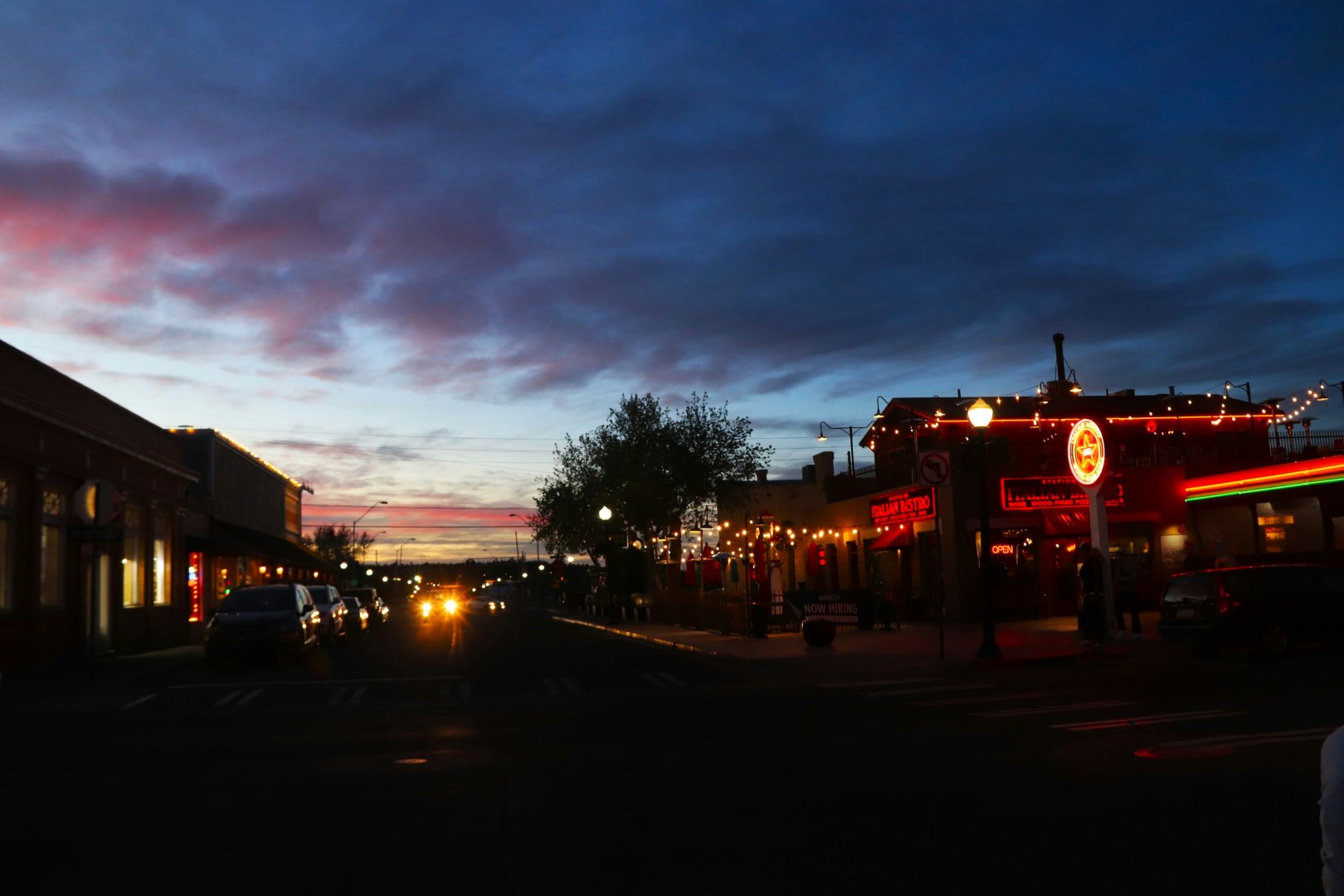
Williams
Williams is a small city in northern Arizona, located along historic Route 66 and near the edge of the Kaibab National Forest. It is often known as the “Gateway to the Grand Canyon” due to its role as a departure point for the Grand Canyon Railway.
