

Dominica
Dominica, known as the “Nature Island of the Caribbean,” is a haven for eco-tourists and adventure seekers. Nestled between the French islands of Guadeloupe and Martinique, this lush island boasts a remarkable landscape of volcanic mountains, dense rainforests, and stunning waterfalls. Dominica’s most iconic natural wonder is the Boiling Lake, the second-largest hot spring in the world.

Ketchikan
A favorite for many cruise-goers and tourists, Ketchikan, Alaska, is a charming city located near the state’s southeastern edge.

Monemvasia
Monemvasia, Greece, is a captivating destination that enchants visitors with its blend of medieval charm and stunning natural beauty. Perched on a small island off the coast of the Peloponnese, this fortified town, often referred to as the "Gibraltar of the East," is renowned for its well-preserved Byzantine architecture and labyrinthine streets.
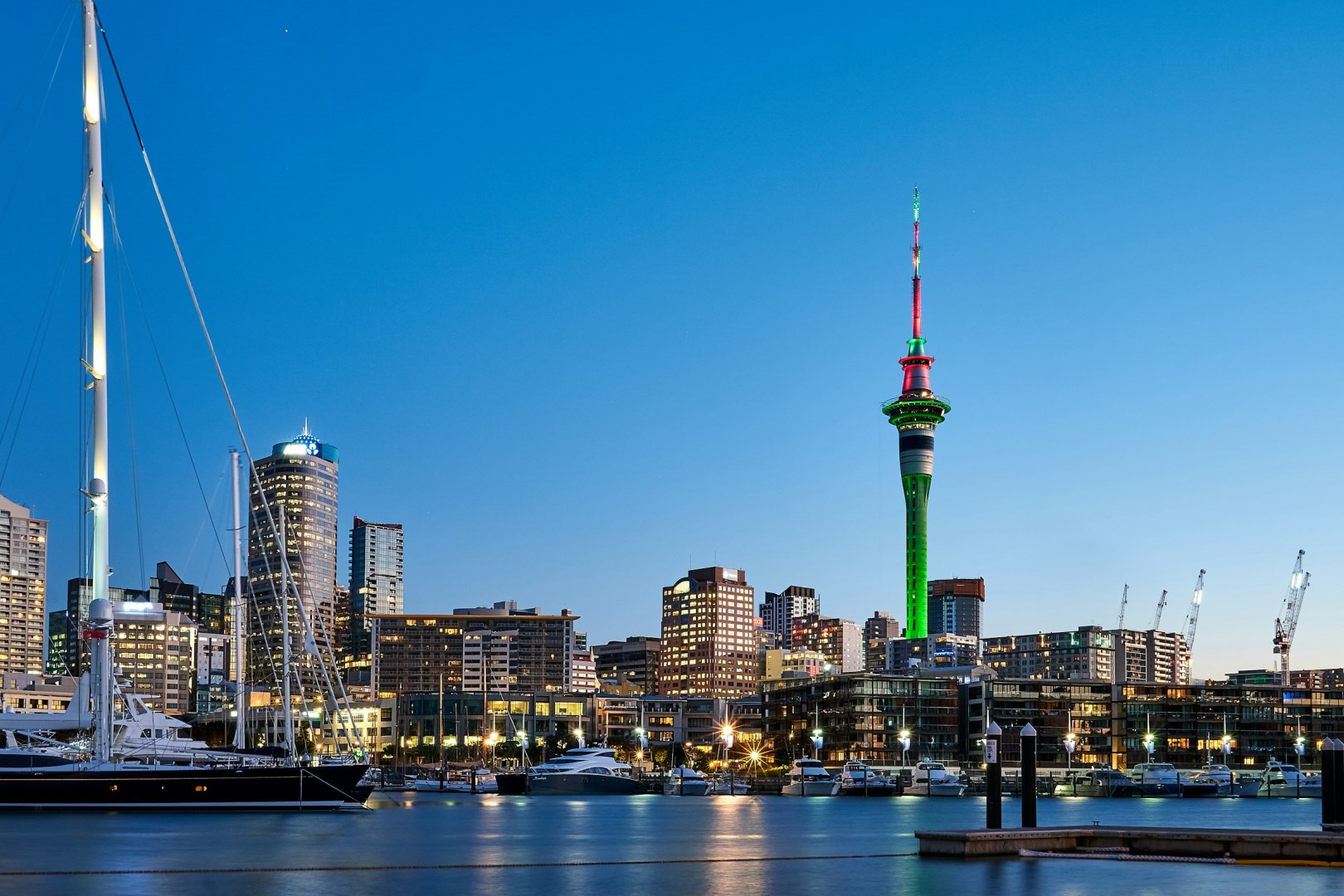
Auckland
A veritable paradise on Earth, Auckland combines the best of both worlds – a thrilling urban metropolis surrounded by striking natural areas, sparkling blue water, and colorful wildlife. New Zealand’s cultural and recreational hub, beautiful Auckland has something for everyone.
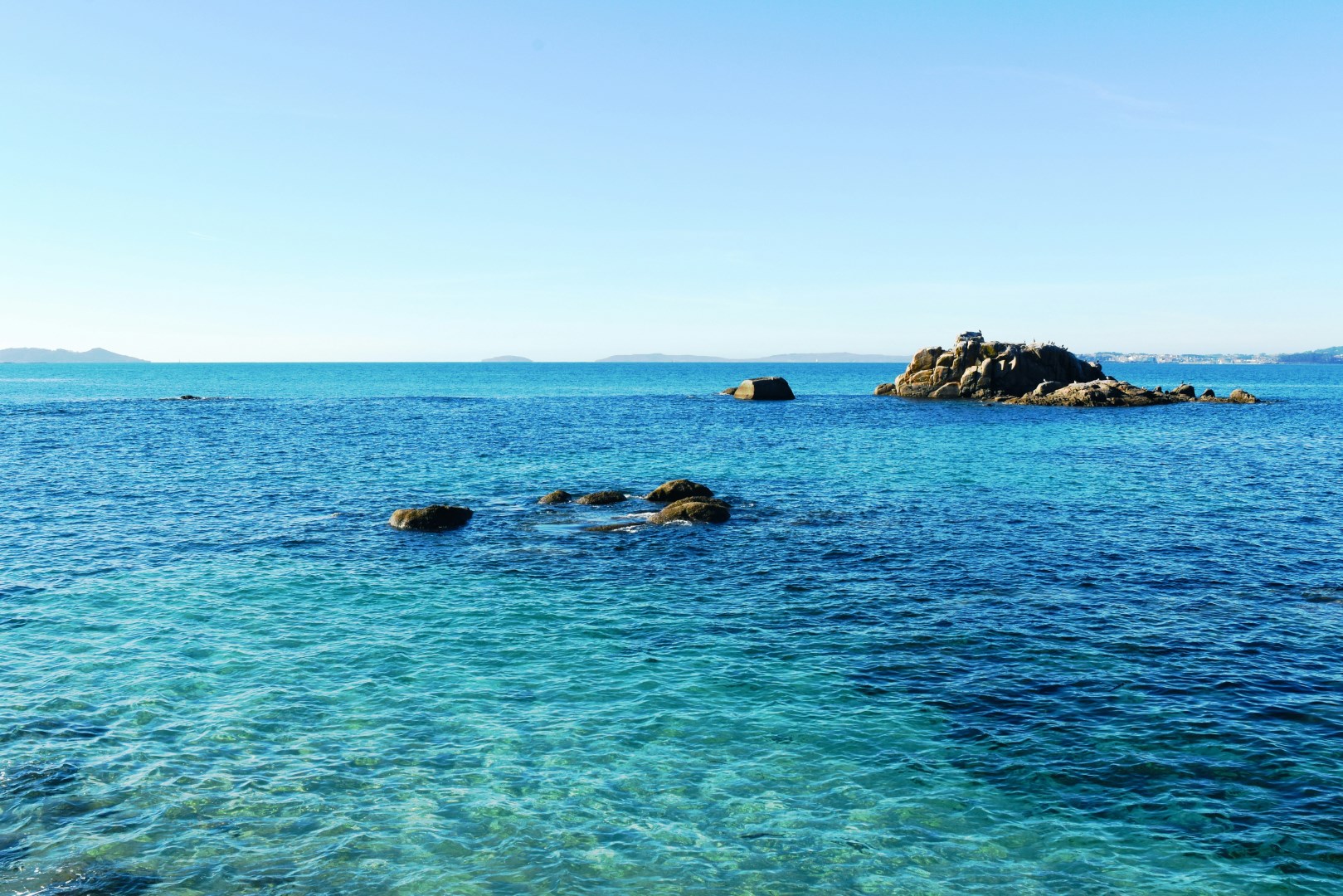
Pontevedra
Pontevedra is a historic city in Galicia, in northwestern Spain, set along the Lérez River near the Atlantic coast. It is known for its well-preserved old town and a layout that favors pedestrians, giving the center a calm and accessible feel.
