

United Arab Emirates
The United Arab Emirates rolls history and invention into a seamless experience. In Abu Dhabi, the Sheikh Zayed Grand Mosque stands out with its reflective pools, marble columns inlaid with floral patterns, and the world’s largest hand-knotted carpet beneath domes that glow by night. On Saadiyat Island, the Louvre Abu Dhabi shelters art that spans civilizations, all beneath a dome designed to scatter sunlight like palm fronds.

Addu City
Addu City is the southernmost urban area of the Maldives, spread across six inhabited islands at the southern end of Addu Atoll. Located close to the Equator, it differs from many Maldivian destinations through its larger islands, interconnected roads, local neighborhoods, wetlands, and established communities. Hithadhoo, the largest district, contains much of the city’s population and natural landscape, while Gan is home to Gan International Airport.
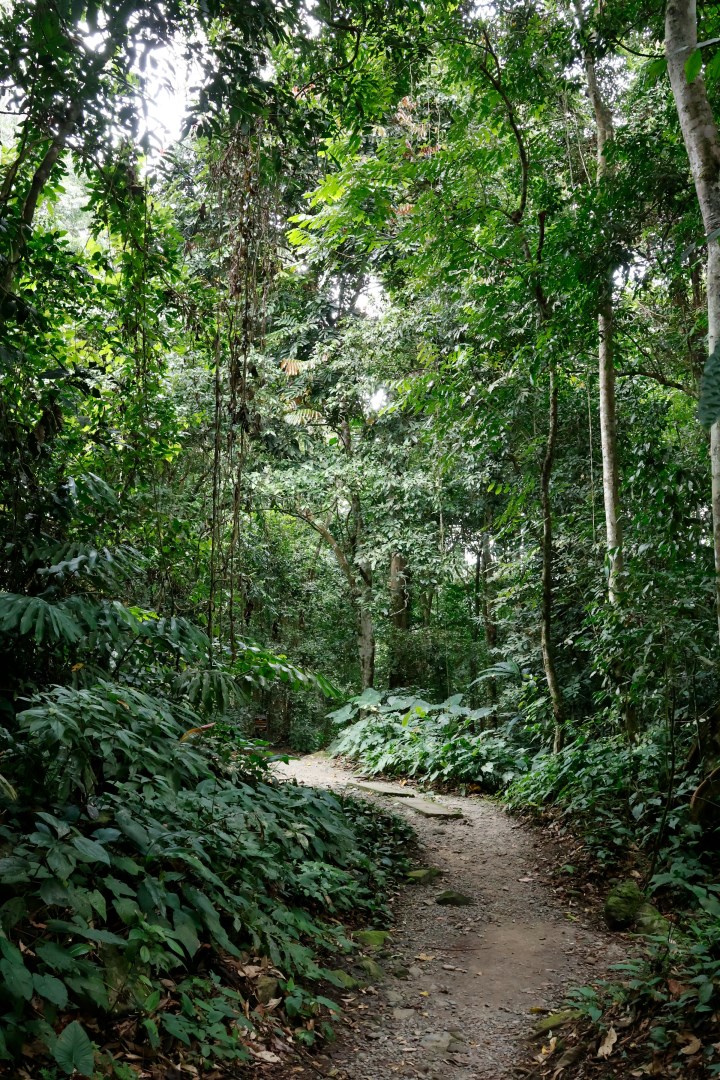
Kinabalu National Park
Kinabalu National Park is a protected mountain area in Sabah, Malaysian Borneo, centered on Mount Kinabalu and the surrounding highland forests. The park covers a wide range of elevations, creating distinct habitats from lowland rainforest to montane vegetation and alpine areas.

Riomaggiore
Riomaggiore, a charming village in Italy's famed Cinque Terre, is a gem of the Ligurian coast. With its colorful houses cascading down steep cliffs towards the azure Mediterranean, this picturesque town offers a postcard-perfect escape. Founded in the 13th century, Riomaggiore is rich in history, with medieval churches like the Church of San Giovanni Battista, built in 1340, reflecting its ancient past.
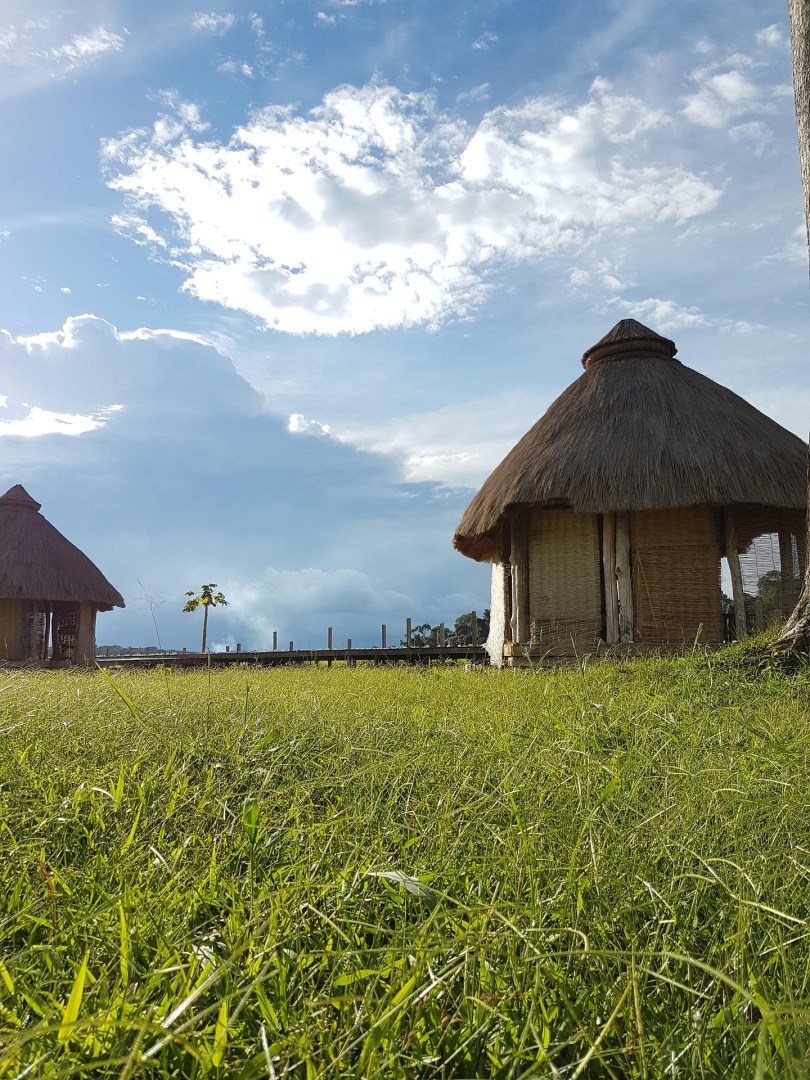
Cameroon
Cameroon is often called “Africa in miniature” for good reason. Within its borders, travelers can explore coastal beaches, dense rainforests, vast savannas, active volcanoes, and snow-capped peaks, all without crossing a border. The country’s most iconic landmark, Mount Cameroon, is the highest mountain in West Africa and an active volcano that draws hikers from around the world.
