
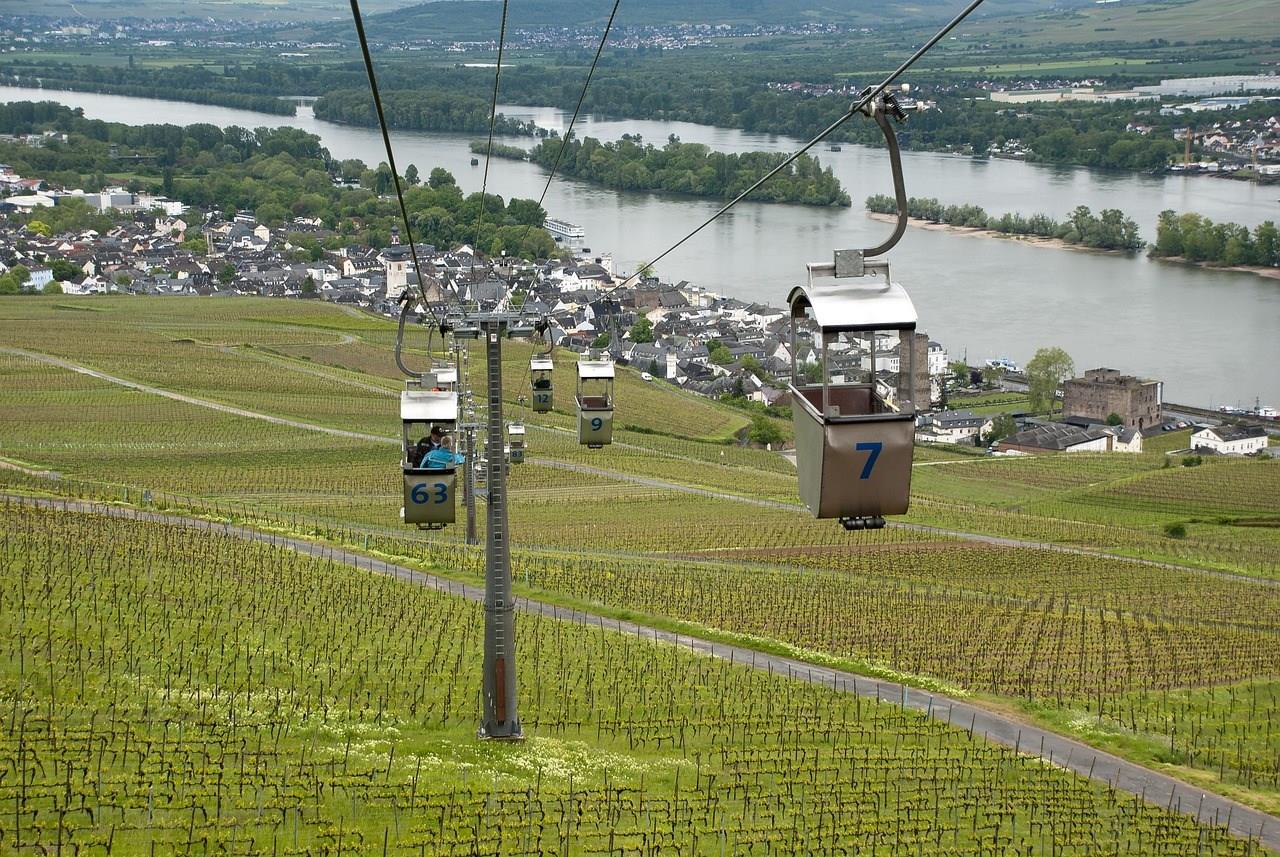
Rüdesheim
This city in the Rhine Gorge is known for its winemaking, dramatic landscapes and 15-minute cable car ride to the Niederwald Monument (celebrating the German victory over France in 1871).
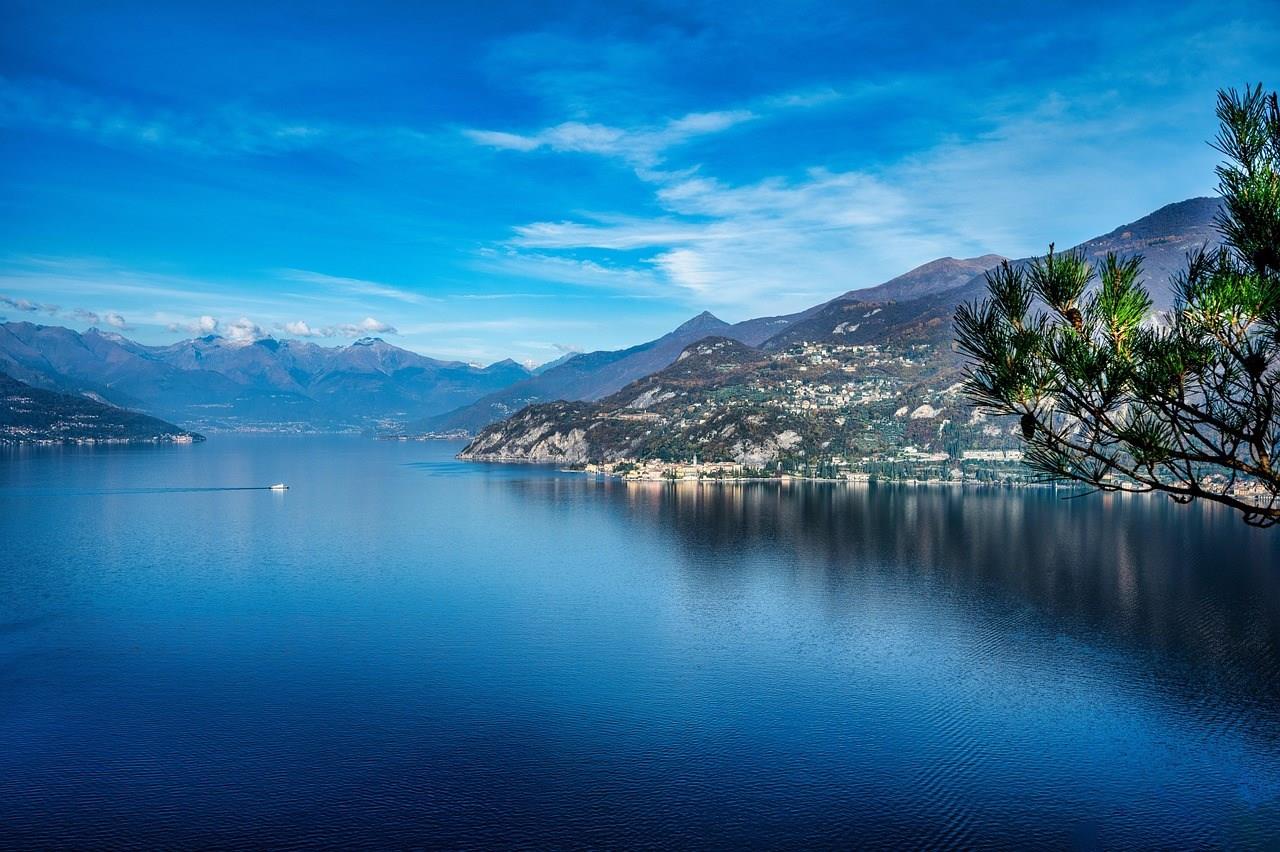
Como
A visit to Como is like looking through a manual on the history of architecture. Its ancient walls, the Duomo with its rich Gothic-Renaissance façade, the Broletto, the Castel Baradello, the Romanesque basilicas of Sant'Abbondio and S. Fedele, the myriad of monuments created by the Comacini Masters, and the modern architectural lines, all represent foundations of the urban and tourist fabric, interwoven with unforgettable splendor.

Dominica
Dominica, known as the “Nature Island of the Caribbean,” is a haven for eco-tourists and adventure seekers. Nestled between the French islands of Guadeloupe and Martinique, this lush island boasts a remarkable landscape of volcanic mountains, dense rainforests, and stunning waterfalls. Dominica’s most iconic natural wonder is the Boiling Lake, the second-largest hot spring in the world.
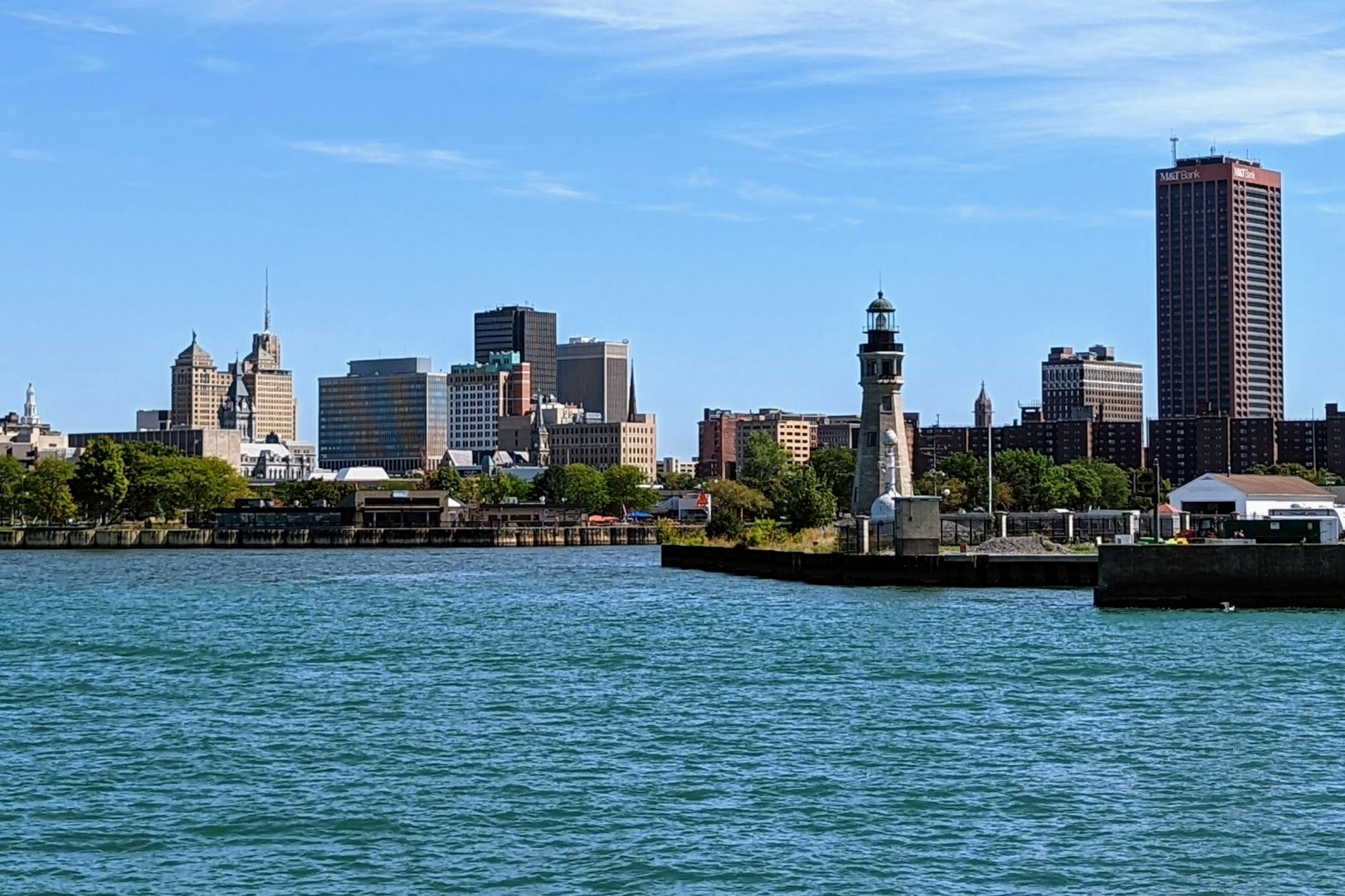
Buffalo
Buffalo, the second-largest city in New York State, sits at the eastern end of Lake Erie where the Niagara River begins its journey toward Niagara Falls. Once a powerhouse of American industry and trade, Buffalo thrived in the 19th and early 20th centuries as a major shipping and manufacturing hub, thanks to its strategic location along the Erie Canal and Great Lakes.
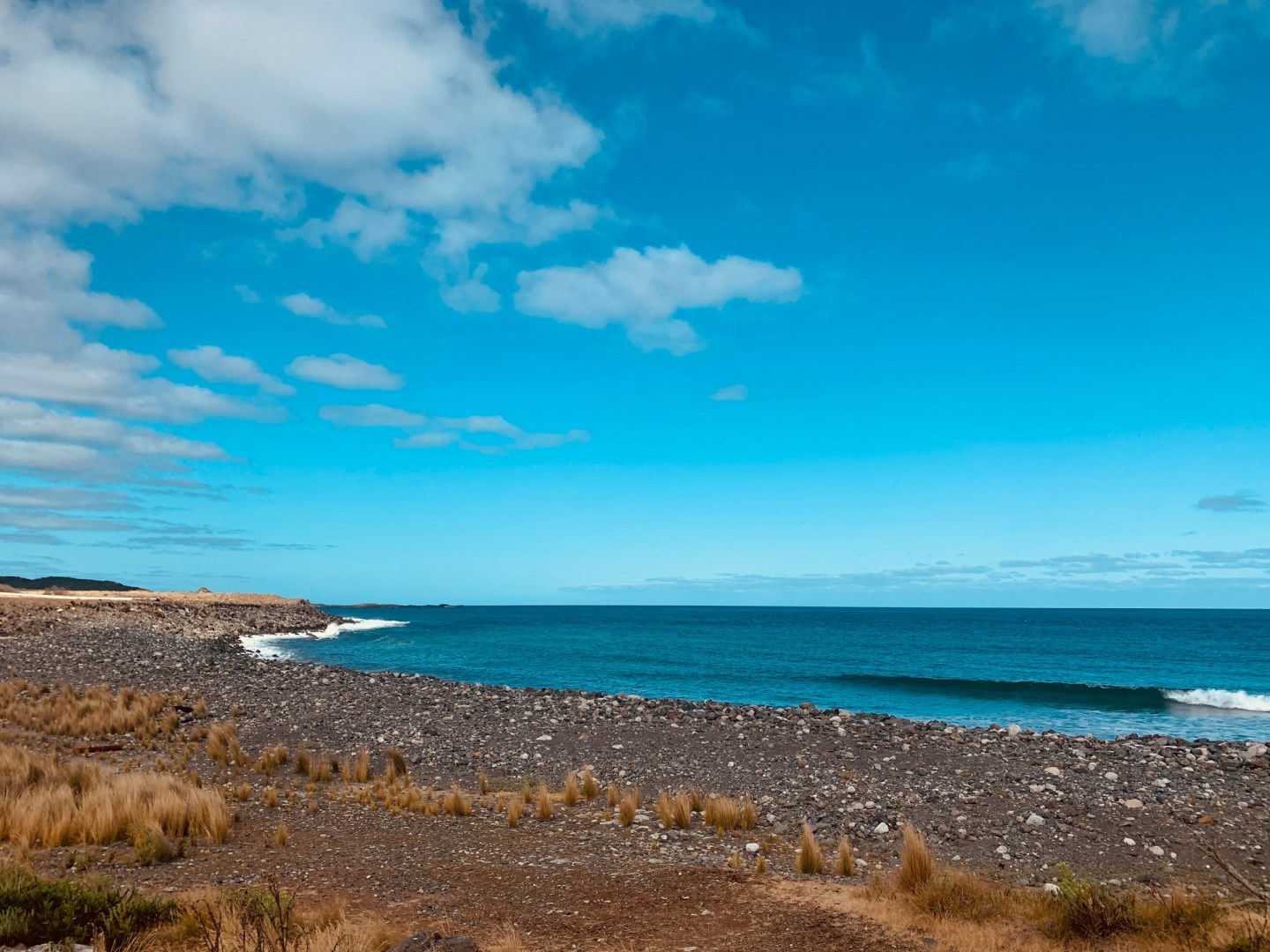
King Island Tasmania
King Island was discovered in 1798, and was a preferred breeding area for sea elephants and seals. Around the island are many shipwrecks, caused by the rough seas of the Bass Strait.
