
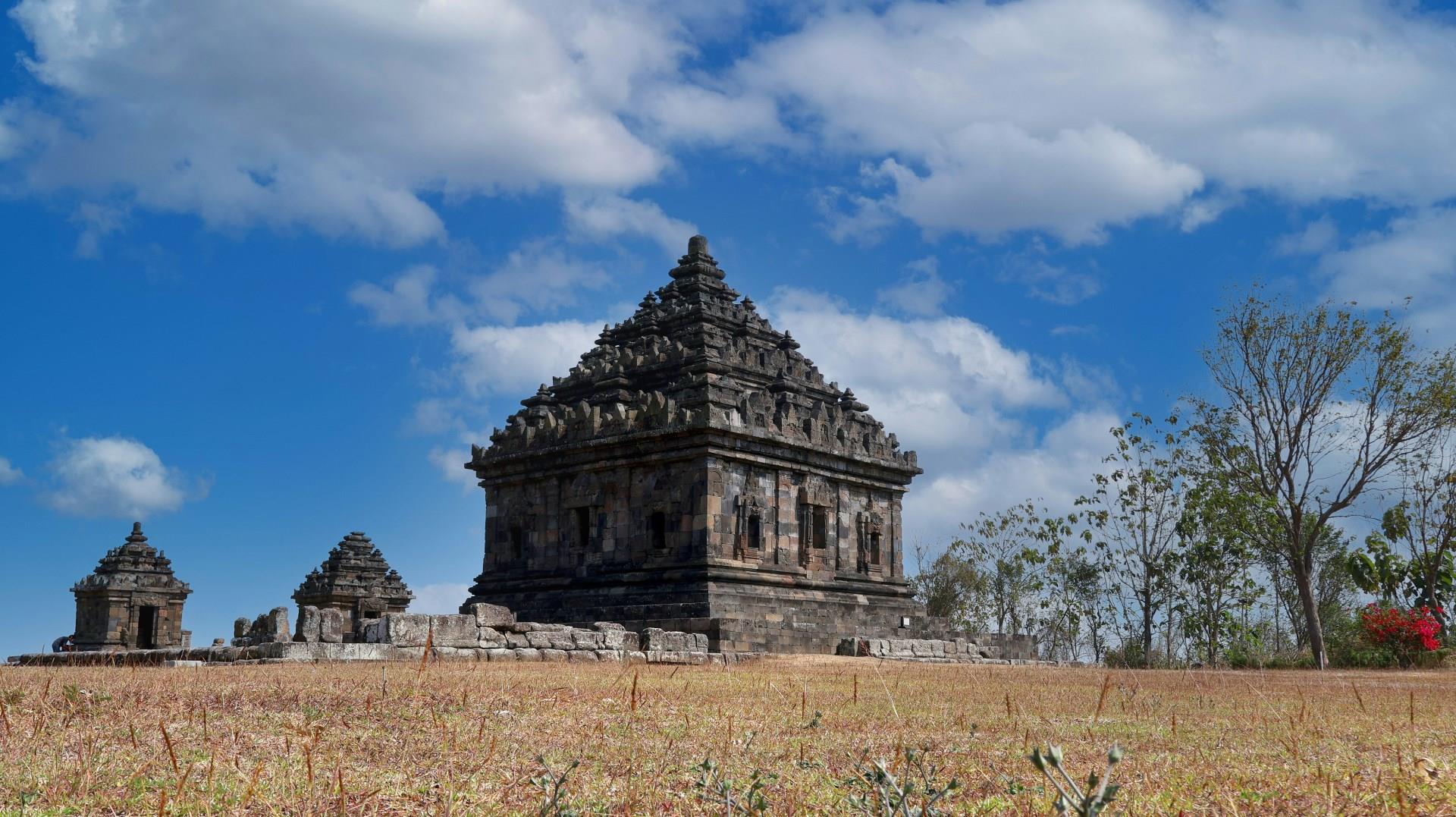
Yogyakarta Java
Yogyakarta, on the island of Java, is often described as Indonesia’s cultural capital, a reputation grounded in living tradition rather than nostalgia. It remains the seat of a functioning sultanate, and the royal palace, or kraton, anchors the city’s identity through ceremonies, crafts, and court arts that continue to shape everyday life. The city also played a key role in Indonesia’s struggle for independence, giving it a strong sense of civic pride and historical awareness.
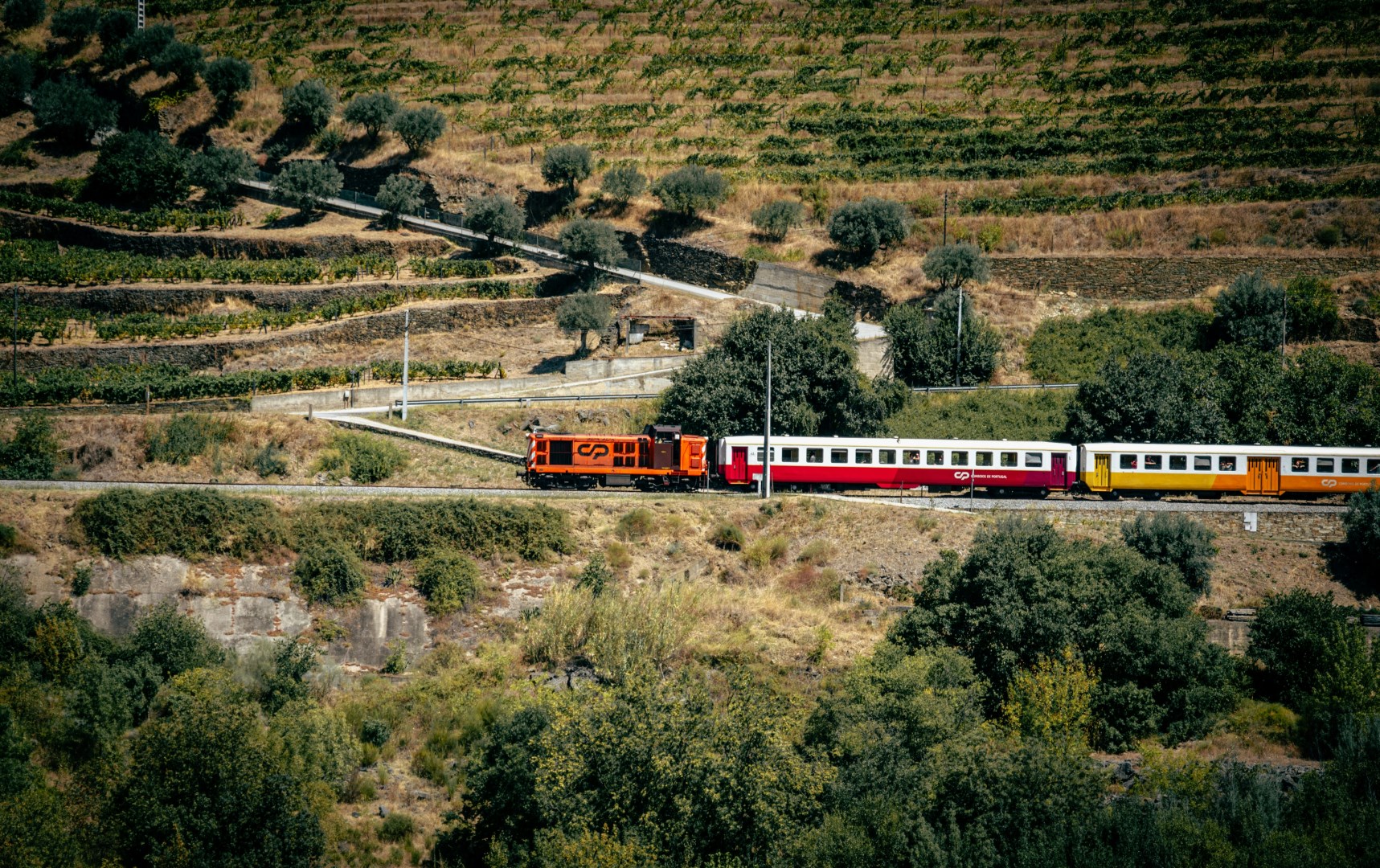
Peso da Régua
Peso da Régua, often called the gateway to Portugal's Douro Valley, sits along the banks of the Douro River and is surrounded by steep, terraced vineyards. The town has long been central to the production of the world-famous Port wine, and visitors can explore the rolling hills covered with neatly arranged grapevines that climb dramatically from the river’s edge. The town itself offers a quiet riverside charm, with narrow streets, historic buildings, and scenic viewpoints.
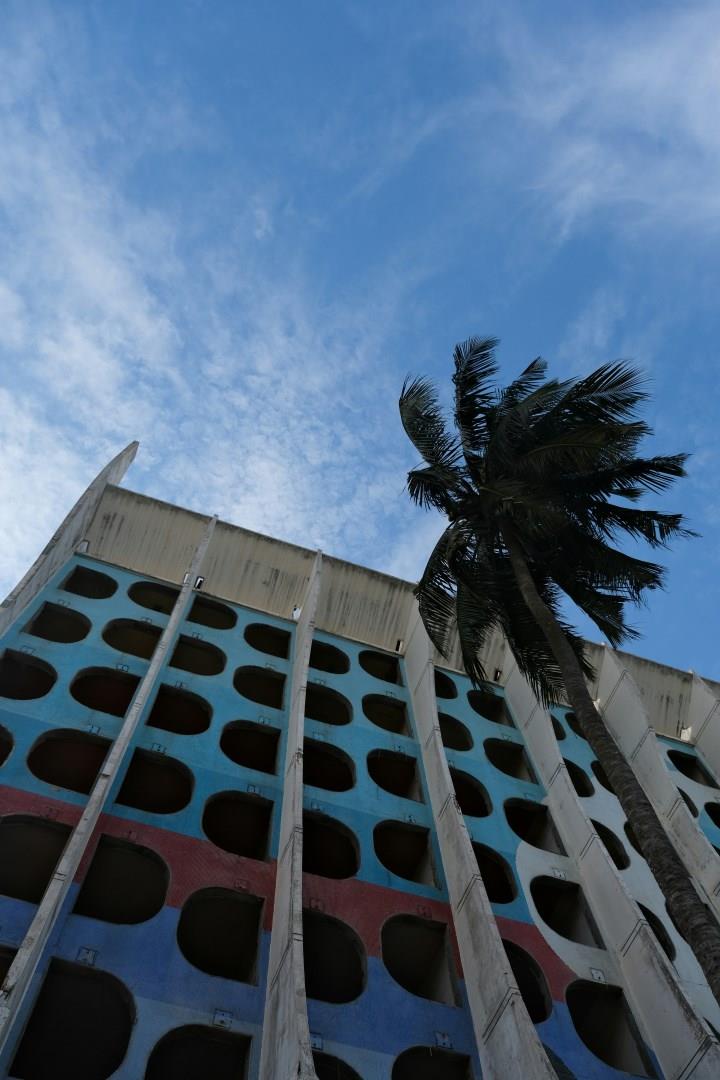
Lome
Lomé, the capital city of Togo, sits along the Gulf of Guinea and serves as both the political and cultural heart of the country. Lomé’s coastline features beaches where locals gather and where visitors can enjoy views of the Atlantic Ocean.

Tamarindo Beach
Tamarindo Beach is a Pacific coastal destination in Guanacaste Province on Costa Rica's northwestern coast. The beach stretches along a broad bay bordered by tropical vegetation, estuaries, and low coastal hills. Tamarindo is part of the Las Baulas Marine National Park area, which protects important coastal and marine habitats nearby.
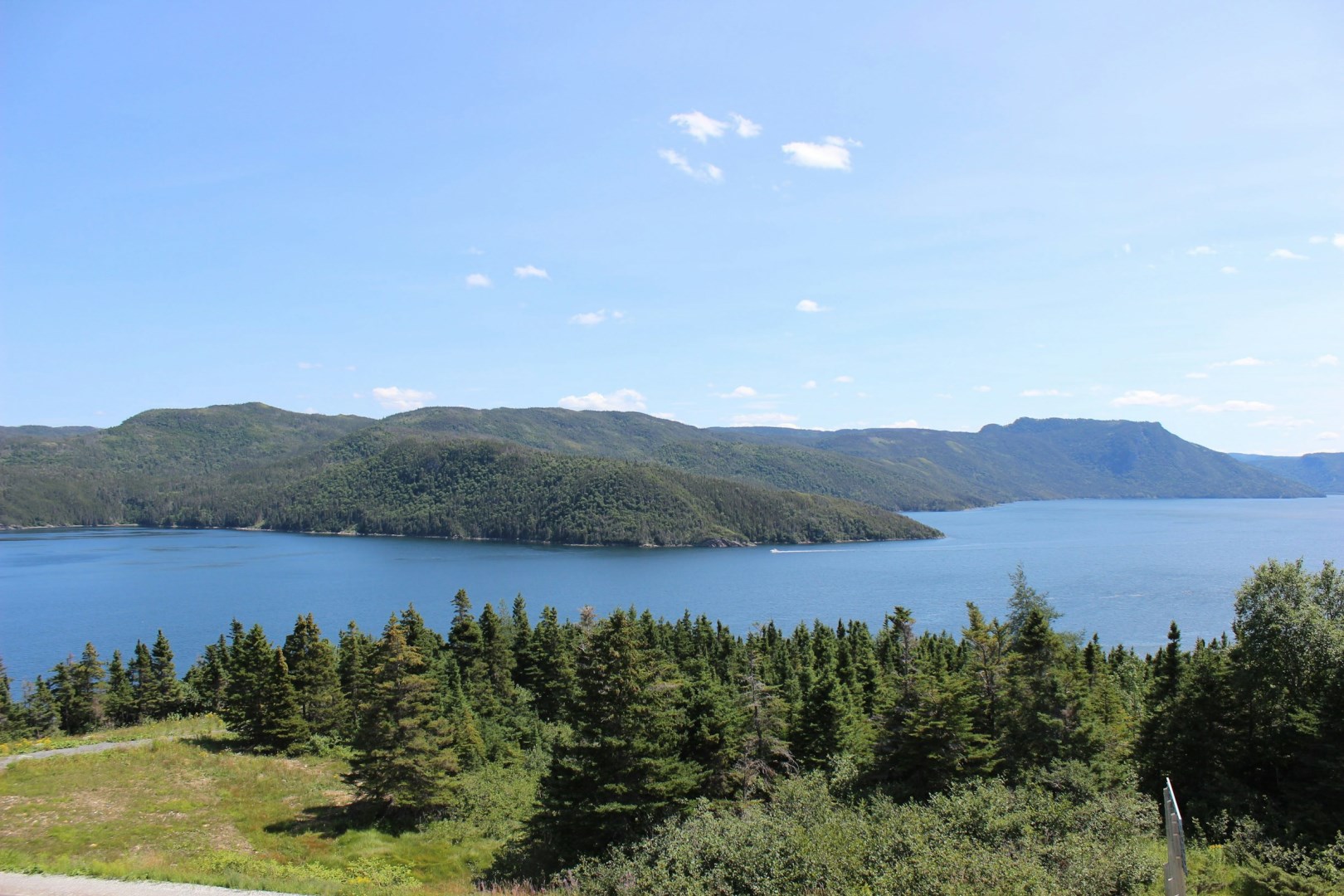
Woody Point
Woody Point is a small coastal community on Bonne Bay in western Newfoundland, surrounded by the landscapes of Gros Morne National Park. Its waterfront is lined with historic homes and buildings, while the Woody Point Lighthouse marks the shoreline and the town’s heritage district preserves five registered structures.
