
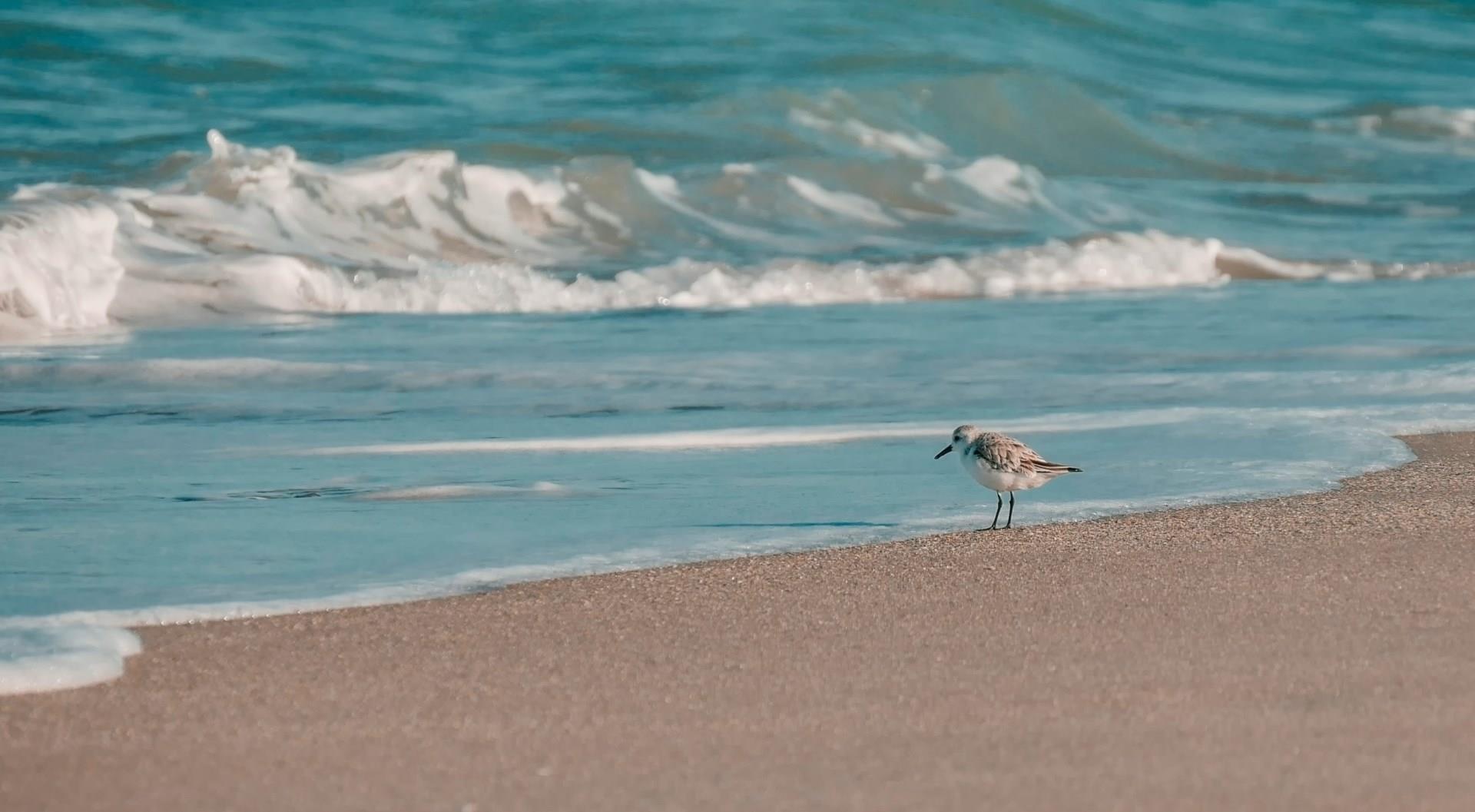
Melbourne
Melbourne, Florida, is a charming city that combines coastal beauty with a rich tapestry of cultural and recreational activities. Nestled along the Atlantic coast, Melbourne offers pristine beaches and vibrant outdoor experiences. The Historic Downtown Melbourne is a delightful area where you can explore unique shops, dine at quaint restaurants, and soak in the small-town charm.
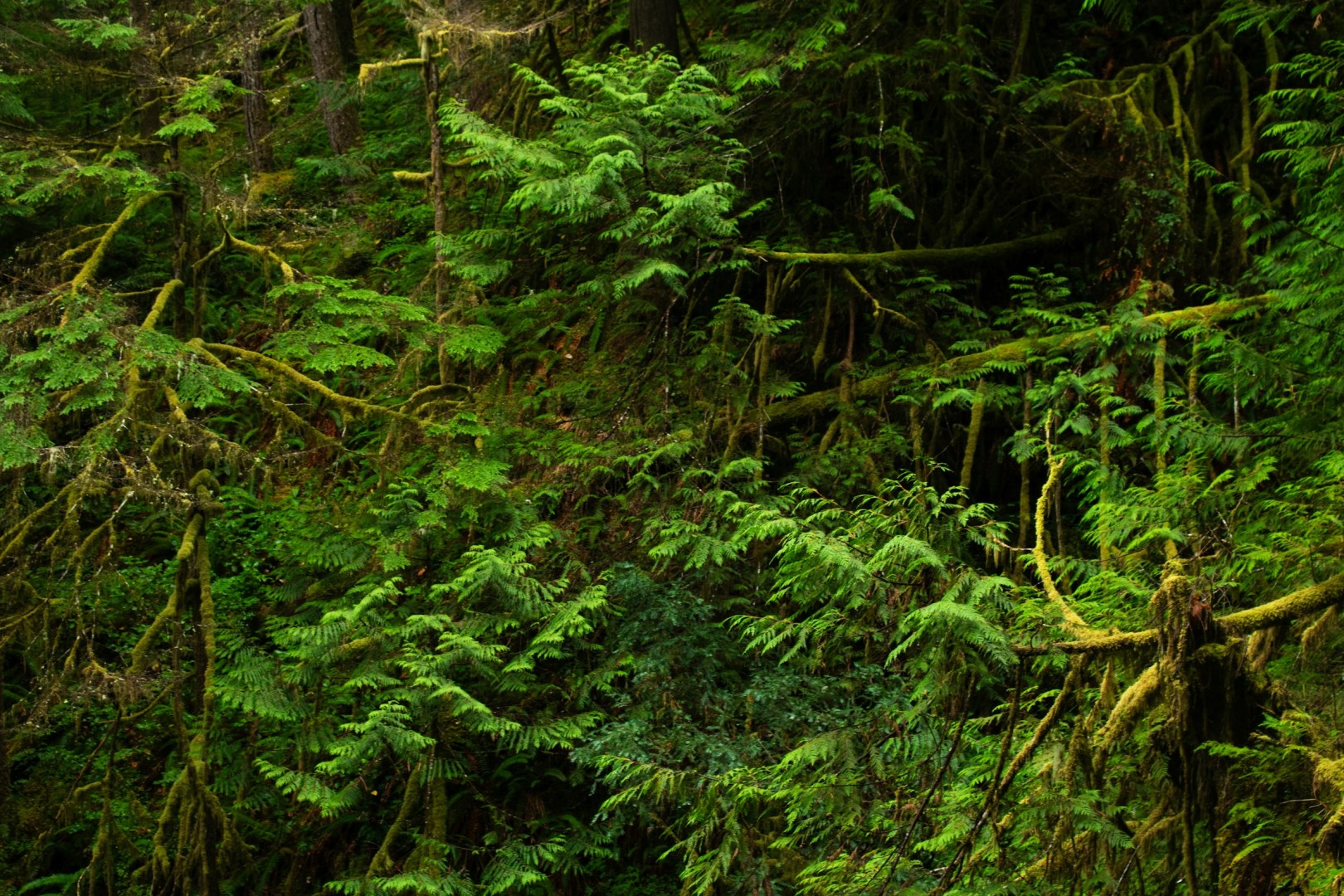
Port Angeles
Port Angeles is a coastal city on Washington’s Olympic Peninsula, positioned along the Strait of Juan de Fuca with views toward Vancouver Island and the mountains of Olympic National Park. The city serves as an important gateway to the Olympic Peninsula, combining a working waterfront with a compact downtown, marinas, parks, and nearby forested landscapes.

Colón
Colón is a Caribbean port city on Panama’s northern coast, positioned near the Atlantic entrance to the Panama Canal. Its waterfront setting, tropical climate, and access to the canal, Caribbean beaches, and surrounding rainforest give it a distinctive role within Panama’s geography. The city is closely connected to the canal’s commercial activity and serves as an important gateway to destinations in Colón Province.
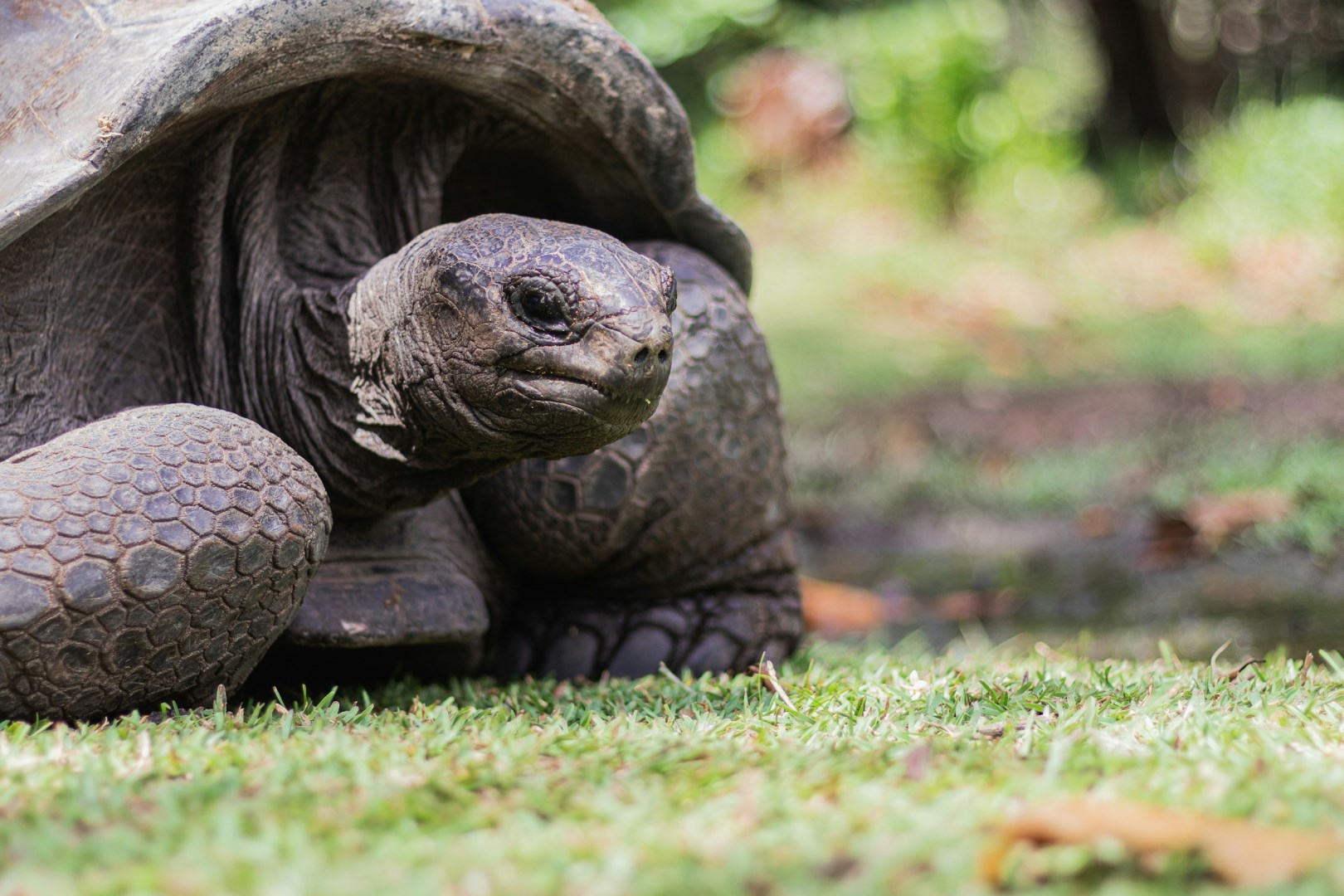
Alphonse Atoll
Alphonse Atoll, located in the Seychelles, is a true paradise for nature lovers and adventure seekers. This remote atoll, part of the Outer Islands of the Seychelles, is renowned for its stunning coral reefs, pristine white-sand beaches, and crystal-clear waters. The atoll is a haven for marine life, including vibrant coral formations and diverse fish species, making it an ideal destination for snorkeling and diving enthusiasts.
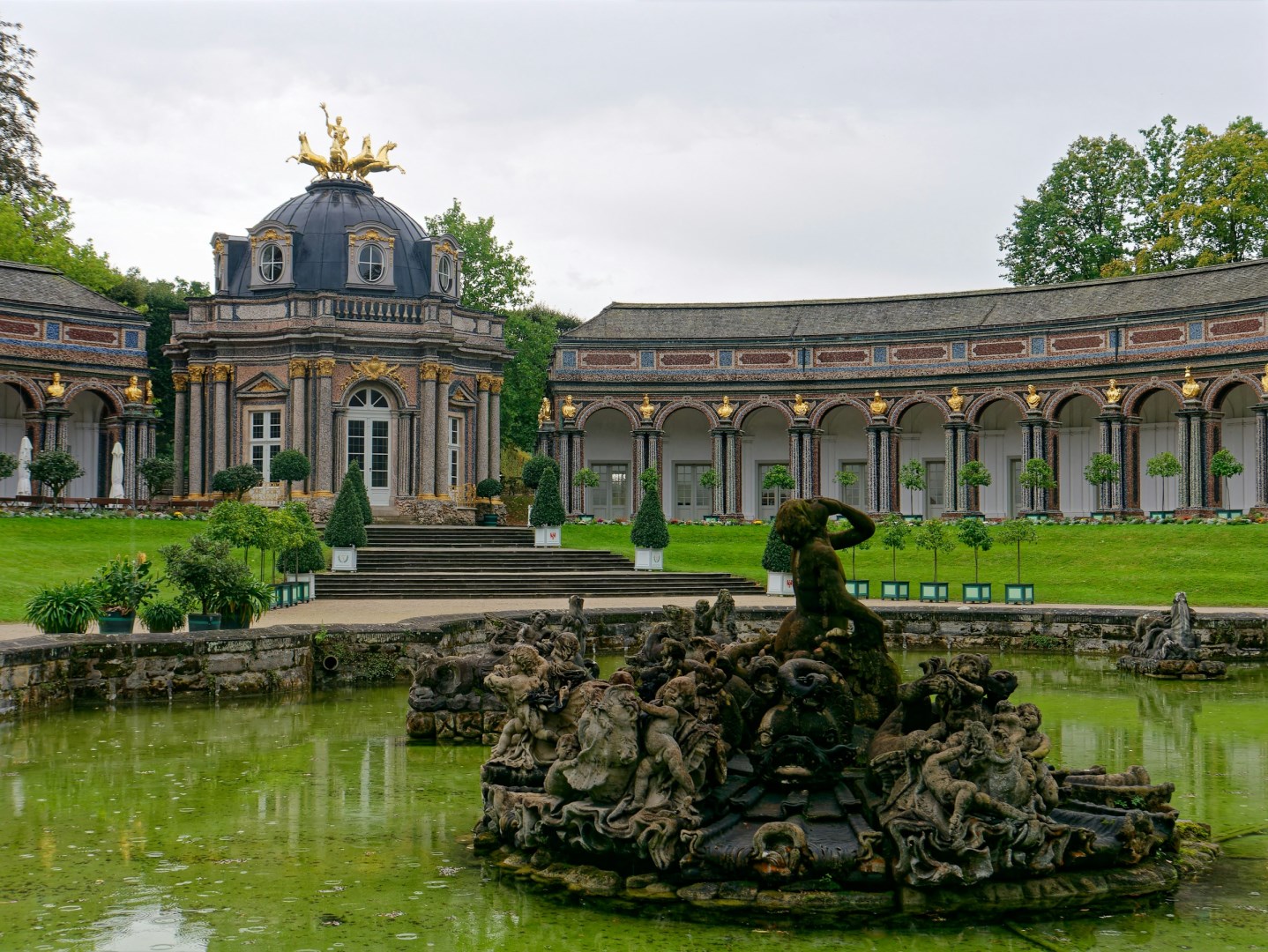
Bayreuth
A hundred and forty seven miles from Frankfurt, Bayreuth is an important town the the history of classical music. There's a museum in this town dedicated to the composer who made Bayreuth famous, Richard Wagner. Every year, from the end of July and throughout August, the Bayreuth Festival pays homage to Wagner by presenting various operas he created.
