
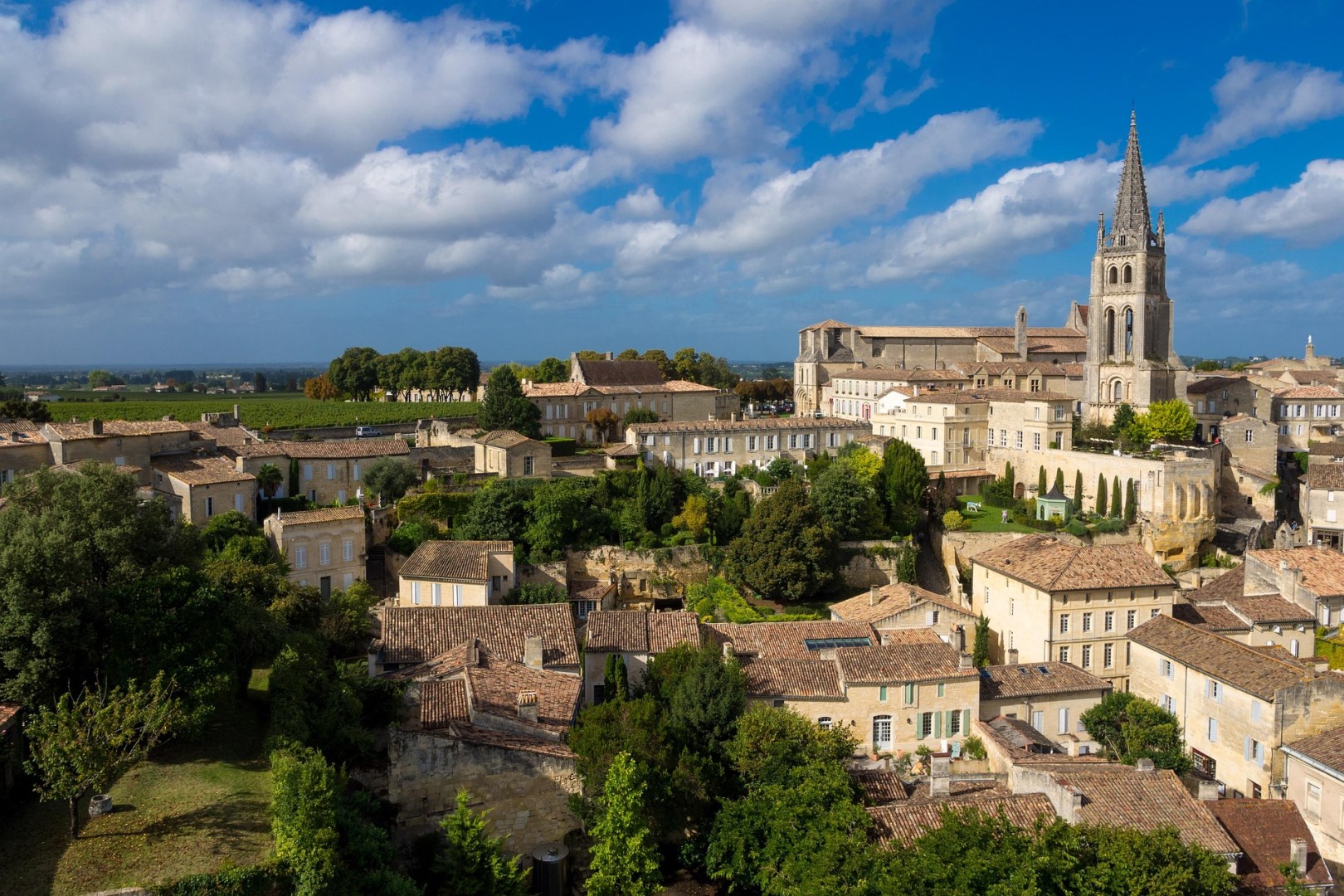
Saint-Émilion
Saint-Émilion, nestled in the heart of southwest France, is a living monument to centuries of craftsmanship, faith, and wine-making. Recognized as a UNESCO World Heritage Site since 1999, this medieval town sits on a limestone plateau surrounded by vineyards that date back to Roman times. Visitors can explore cobbled streets that wind past centuries-old stone houses, descend into underground catacombs carved by monks, and visit the astonishing Monolithic Church.
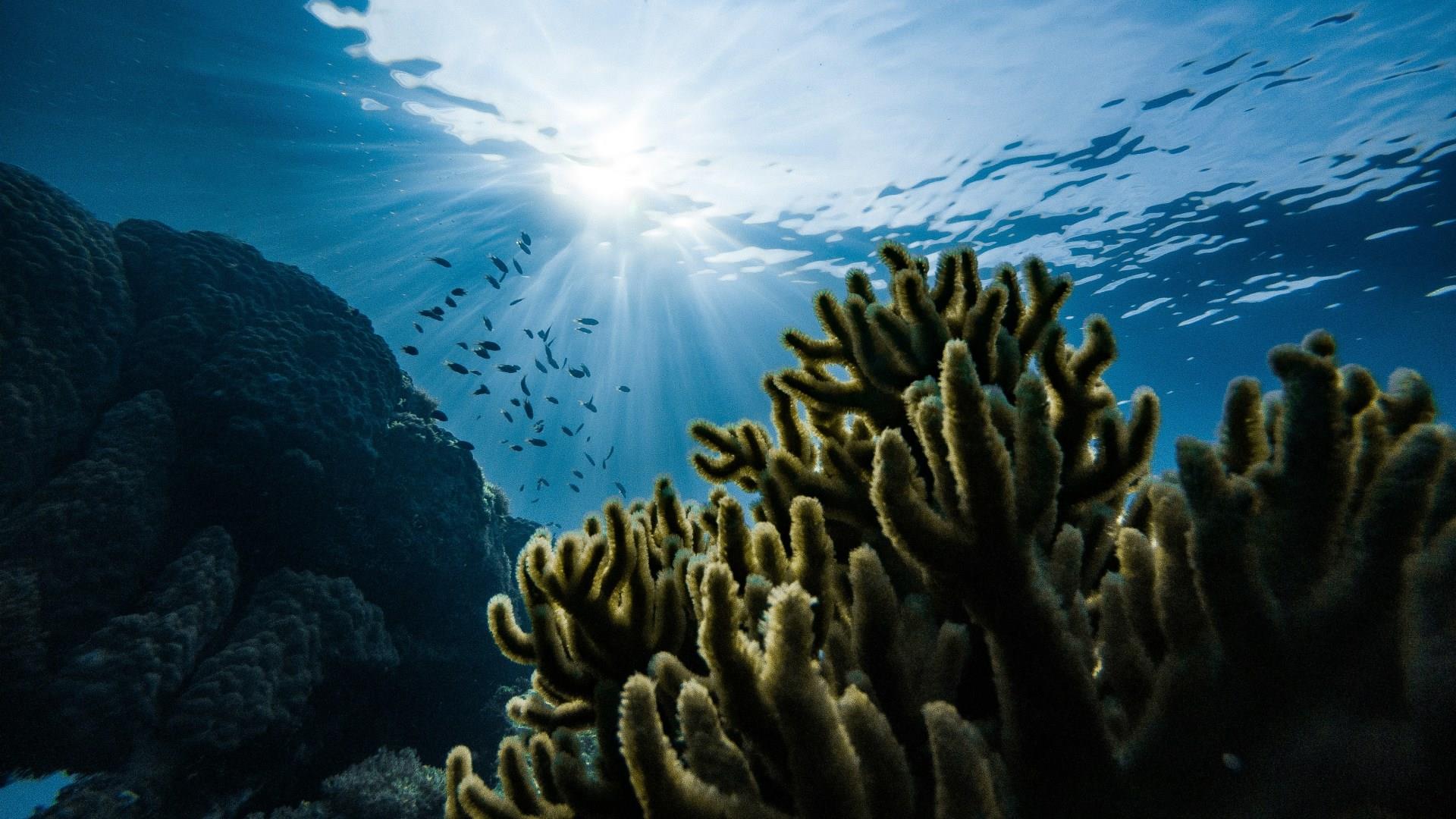
Chuuk
Chuuk, one of the four states of the Federated States of Micronesia, is best known for its vast lagoon which is one of the largest enclosed lagoons in the world. But what sets Chuuk apart is what lies beneath those calm blue waters: an entire underwater fleet of sunken warships, aircraft, and submarines left from World War II. Often called the "Ghost Fleet of Truk Lagoon," these wrecks make Chuuk a global destination for experienced divers.

Valtice
Nestled in the wine-growing region of South Moravia, Valtice, Czech Republic, is a charming town known for its rich history and stunning architecture. The centerpiece of Valtice is the majestic Valtice Castle, a UNESCO World Heritage site that showcases an impressive Baroque façade and beautifully landscaped gardens.

Pennsylvania
Pennsylvania offers more than just a glimpse into American history, it invites travelers to walk through it. In Philadelphia, the Liberty Bell still draws visitors from around the world, while Independence Hall, a UNESCO World Heritage Site, is where both the Declaration of Independence and the U.S. Constitution were debated and signed. Just a short walk away, modern museums like the National Constitution Center offer hands-on exhibits that connect the past to today’s civic questions.

Jost van Dyke
One of the four islands that make up the British Virgin Islands, Jost van Dyke is a Caribbean paradise known for its white sand beaches, turquoise sea pools, and marinas filled with yachts.
