
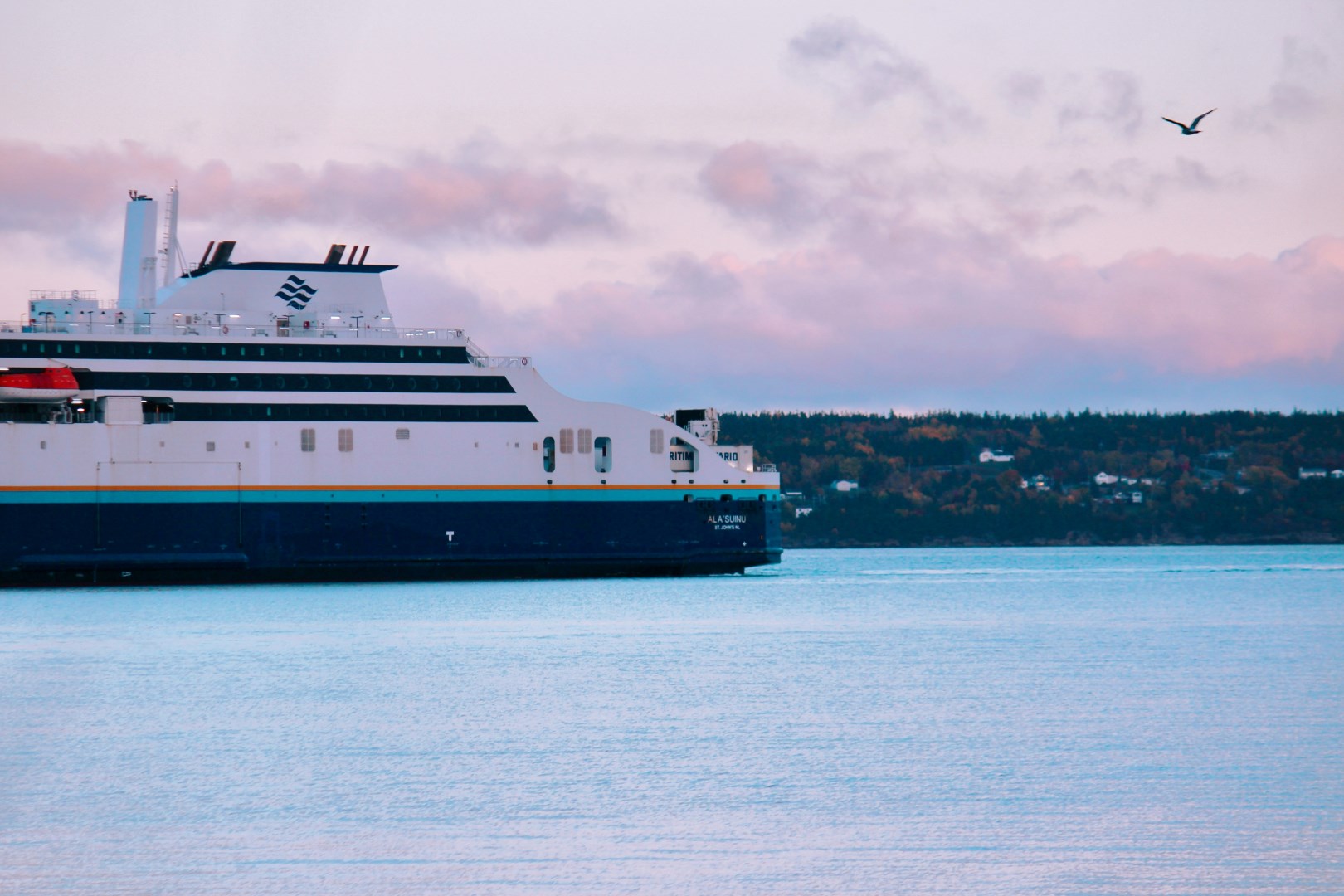
Sydney, Nova Scotia
Situated on the eastern edge of Cape Breton Island, Sydney in Nova Scotia welcomes visitors with a strong connection to the sea and a deep-rooted cultural identity. The city’s waterfront is a natural gathering place, where boardwalks stretch along the harbor and offer views of fishing boats, cruise ships, and open water. One of its most recognizable landmarks is the world’s largest fiddle, a towering tribute to the region’s musical traditions.

La Romana
Whether you're a golf enthusiast, beach lover, or history buff, La Romana offers something for everyone. Its perfect mix of relaxation, culture, and adventure makes it an ideal destination for all types of travelers.
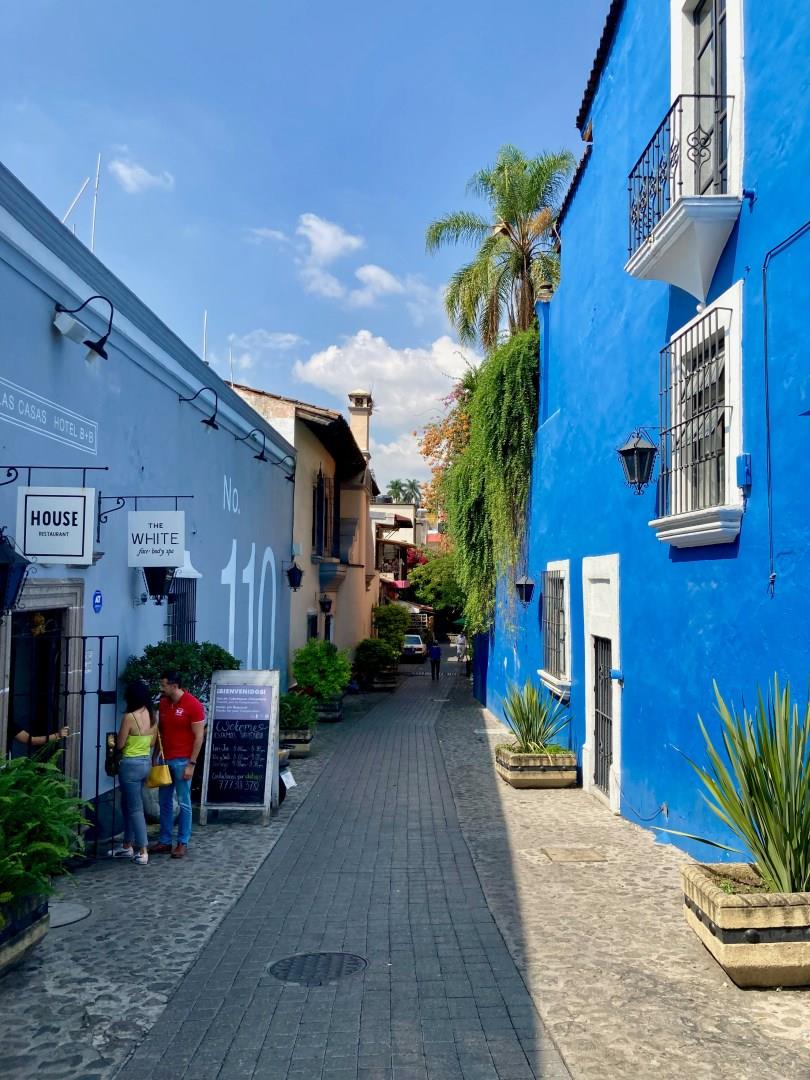
Cuernavaca
Cuernavaca, often called the “City of Eternal Spring,” has long been a retreat for those seeking warm weather and relaxing surroundings just 90 minutes from Mexico City. With a history that stretches back to the Aztec empire, the city is layered with centuries of cultural change. The historic center of Cuernavaca combines architecture from multiple eras, with narrow streets leading to quiet plazas and colonial churches.

Colorado
Colorado, a gem nestled in the Rocky Mountains of the United States, offers a diverse array of experiences that cater to outdoor enthusiasts, culture seekers, and history buffs alike. The state's stunning landscapes range from the snow-capped peaks of the Rockies to the vibrant red rock formations of the Colorado Plateau.
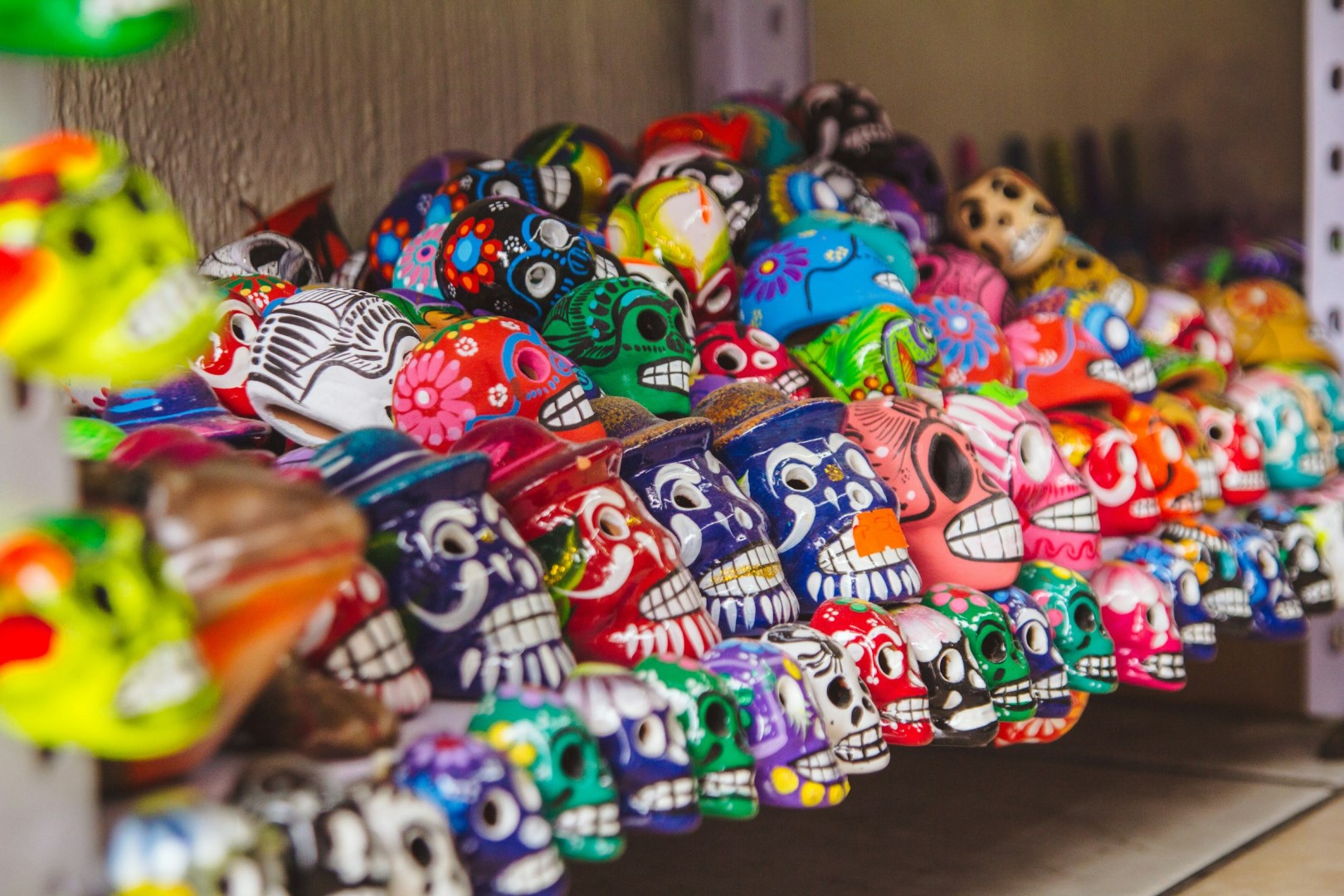
Guanajuanto
Guanajuato is situated between the dry north of the country and the more verdant south, and geographically belongs to the Trans-Mexican Volcanic Belt, the Mexican Plateau.
