
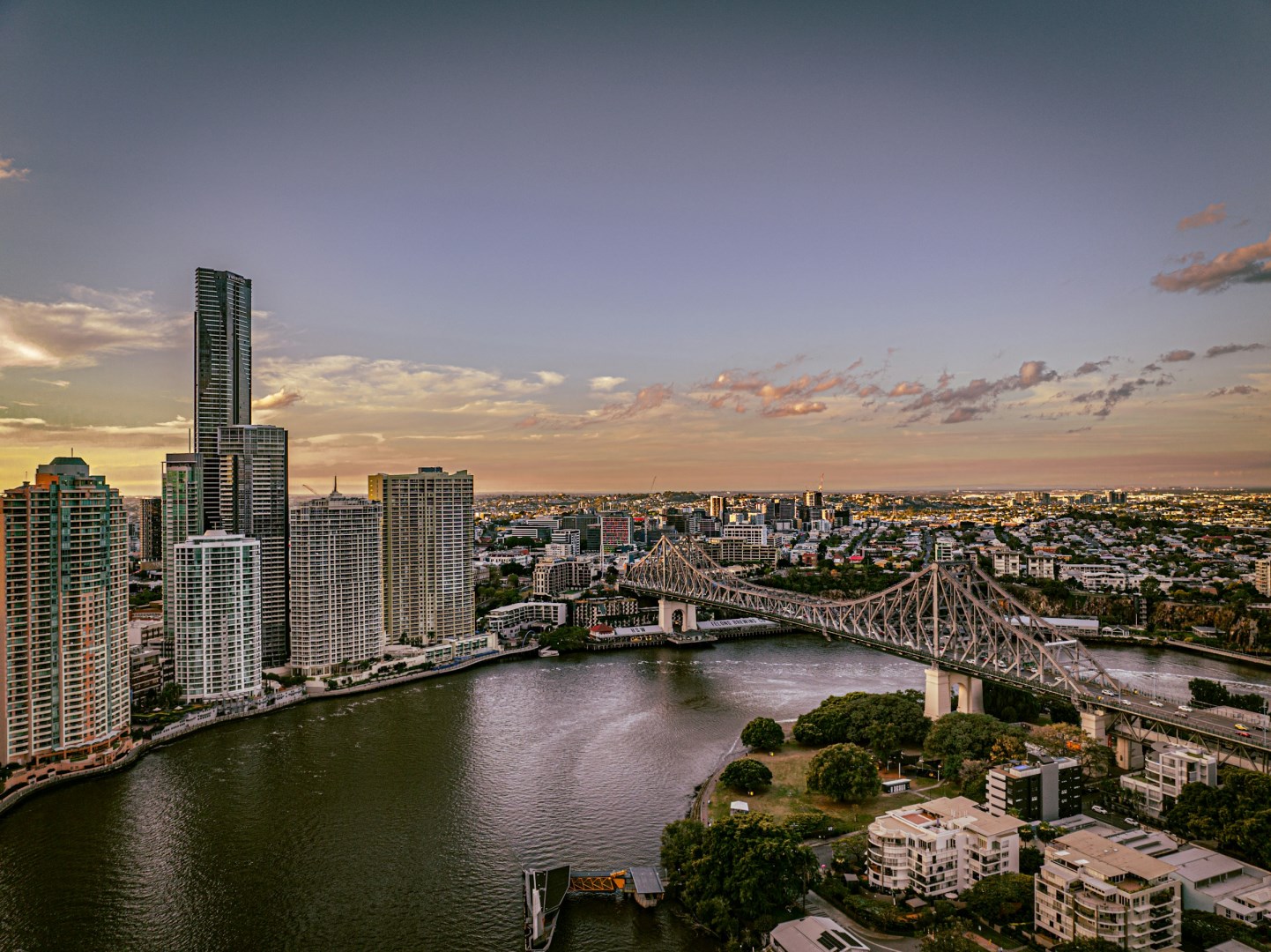
Brisbane
Culture, dining and nightlife are just a few of the reasons to find yourself in sunny Brisbane. This sprawling, constantly-evolving river city is for the young and the young at heart. Shop at the outdoor markets, where you'll find fashion, crafts and produce. Beaches are the order of the day here, too, with North Stradbroke Island and Moreton Island attracting hordes of sunbathers.

Las Vegas
Las Vegas, Nevada, is an electrifying city where glitz and glamour meet entertainment and excitement. Known as "The Entertainment Capital of the World," Las Vegas offers an unparalleled array of attractions, from its iconic casinos and luxurious hotels to its world-class dining and live shows. The city's entertainment scene is second to none, featuring legendary headliners, cutting-edge performances, and an array of themed attractions.
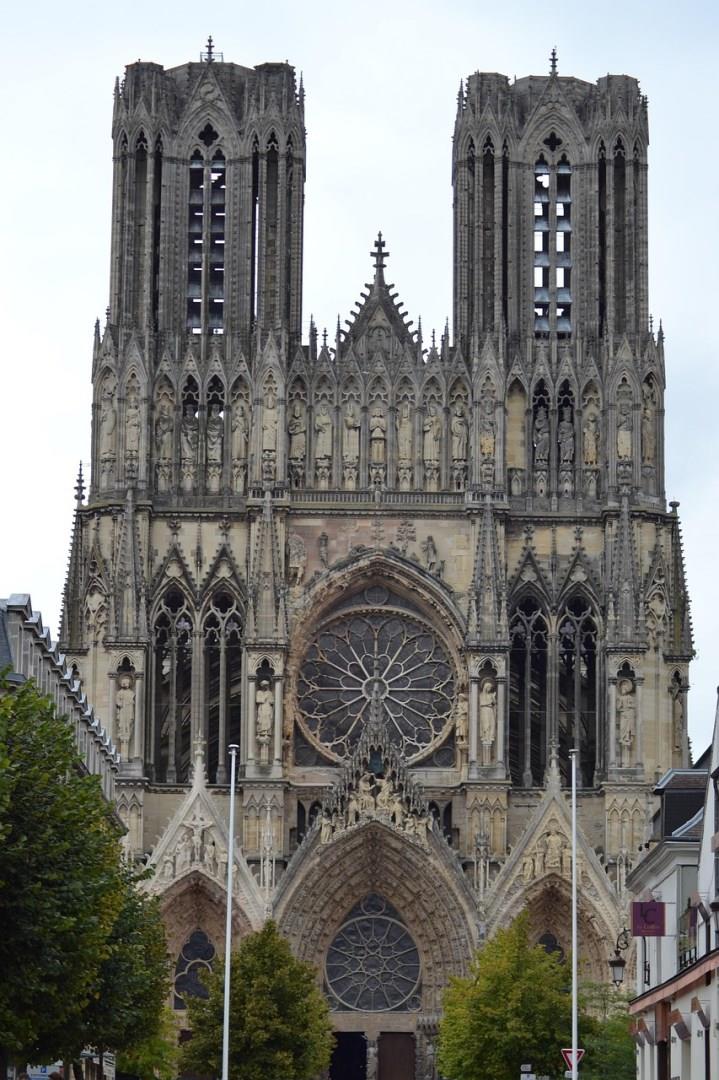
Reims
France’s city of Reims, located in the heart of the Champagne region, is a place where history and celebration meet. Known for its towering cathedral, Reims played a central role in French royal tradition. Nearly every French king was crowned at the Cathedral of Notre-Dame de Reims, a masterpiece of Gothic architecture that still dominates the skyline. The cathedral’s intricate facade and famous stained-glass window continue to draw visitors from around the world.
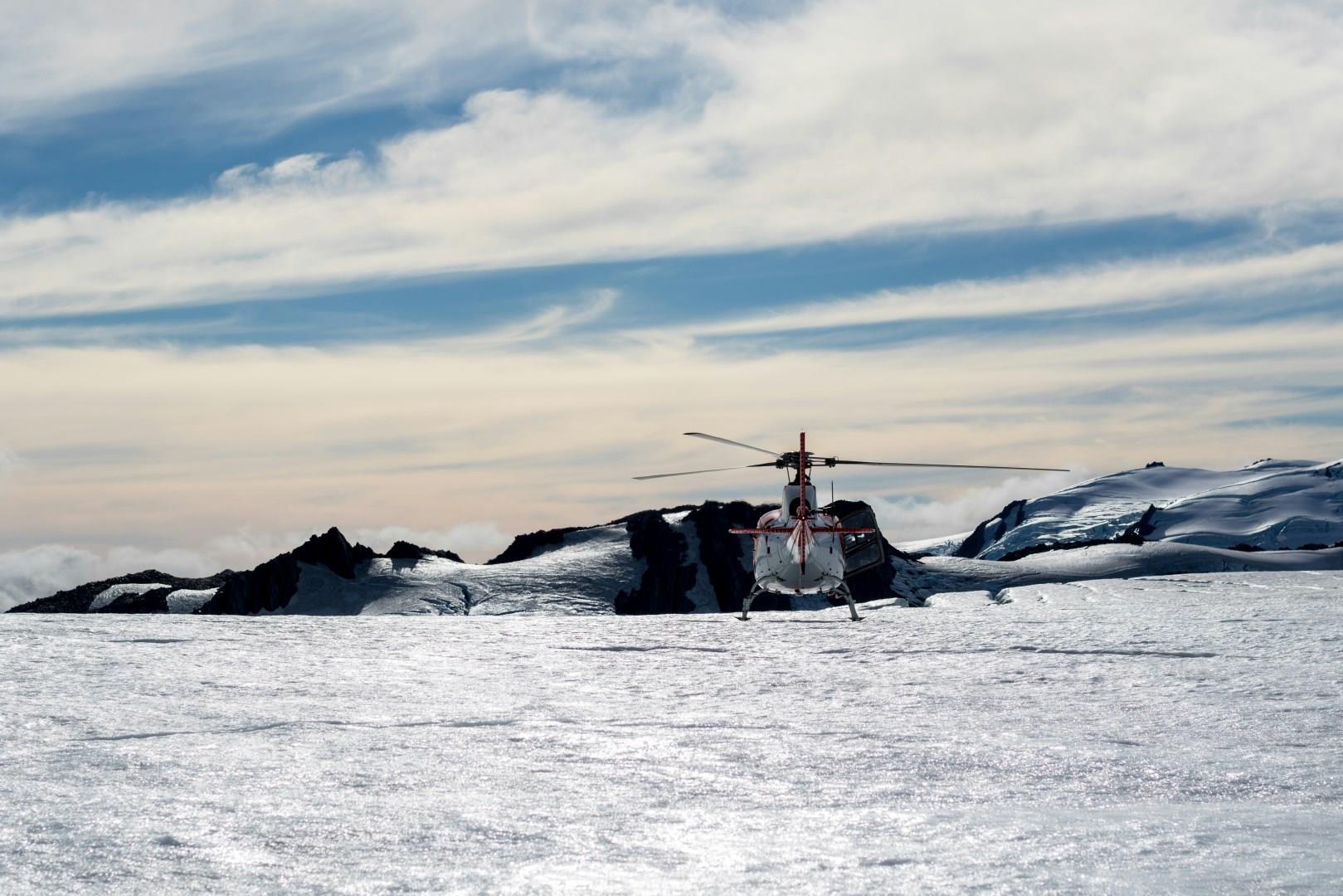
Fox Glacier
Fox Glacier, on New Zealand’s South Island, is one of the country’s most remarkable natural wonders, where icy landscapes meet lush rainforest. Named after Sir William Fox, a 19th-century Prime Minister of New Zealand, the glacier stretches from the high peaks of the Southern Alps down into temperate rainforest.

Dunedin
Dunedin is the second largest city in New Zealand and home to the world's only mainland-breeding albatross colony, the Royal Albatross Centre.
