

Cádiz
With its captivating blend of ancient history, sun-drenched beaches, and vibrant Andalusian culture, Cádiz, Spain, stands as one of Europe’s oldest continually inhabited cities. Founded over 3,000 years ago by the Phoenicians, this coastal gem in southern Spain offers a rich tapestry of historical sites and modern charms. The old city of Cádiz is a labyrinth of narrow cobblestone streets, whitewashed houses, and hidden plazas that evoke the city’s Moorish past.
Morne Rouge Bay
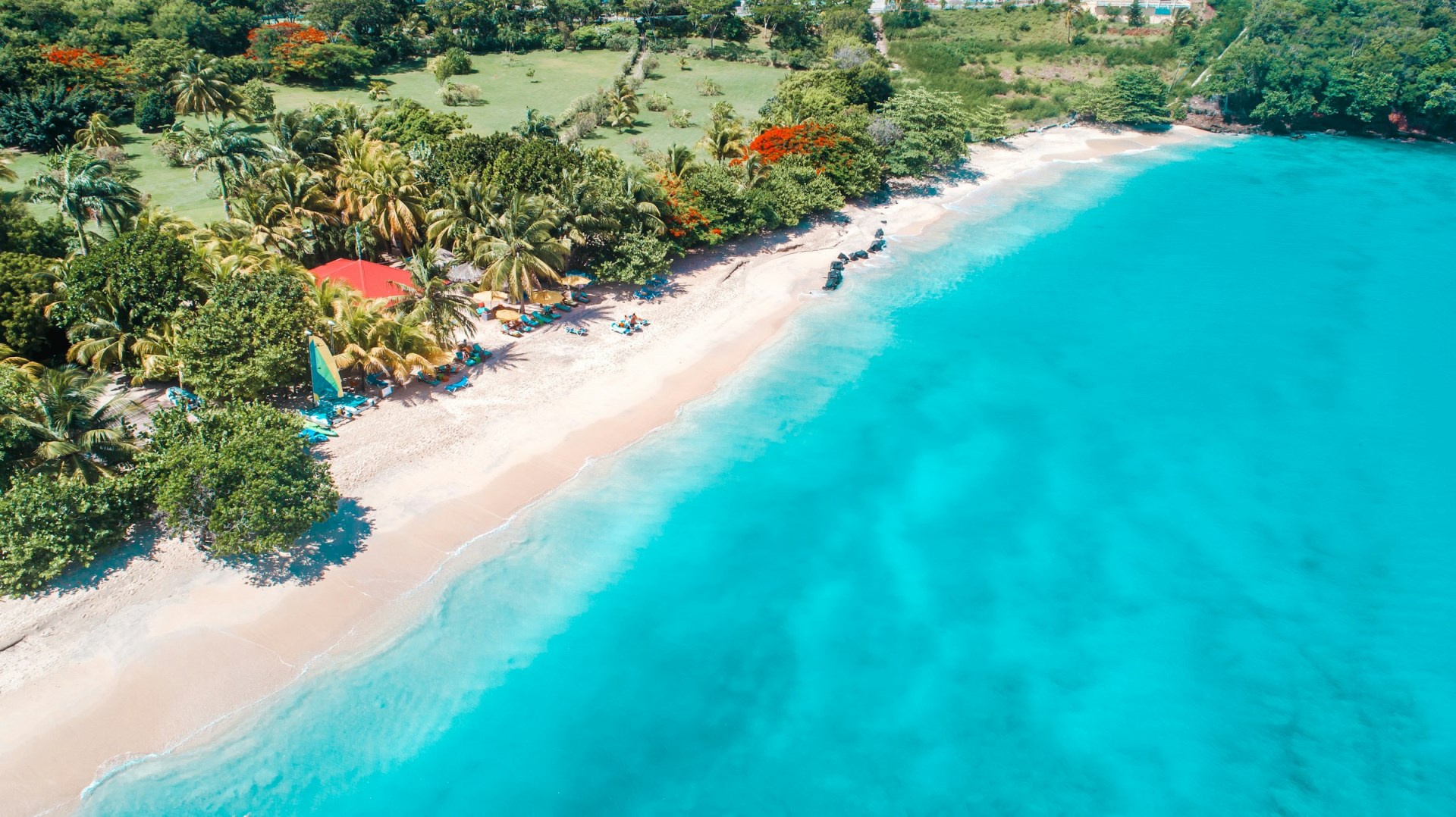
Morne Rouge Bay is a sheltered beach on Grenada’s southwestern coast, just south of Grand Anse and near the community of Morne Rouge. The bay curves around a small, protected stretch of pale sand, with calm Caribbean water and green hills surrounding the shoreline. Its sheltered position generally produces gentler conditions than Grenada’s more exposed Atlantic coast, making the bay suitable for swimming and paddling.
Cape of Good Hope
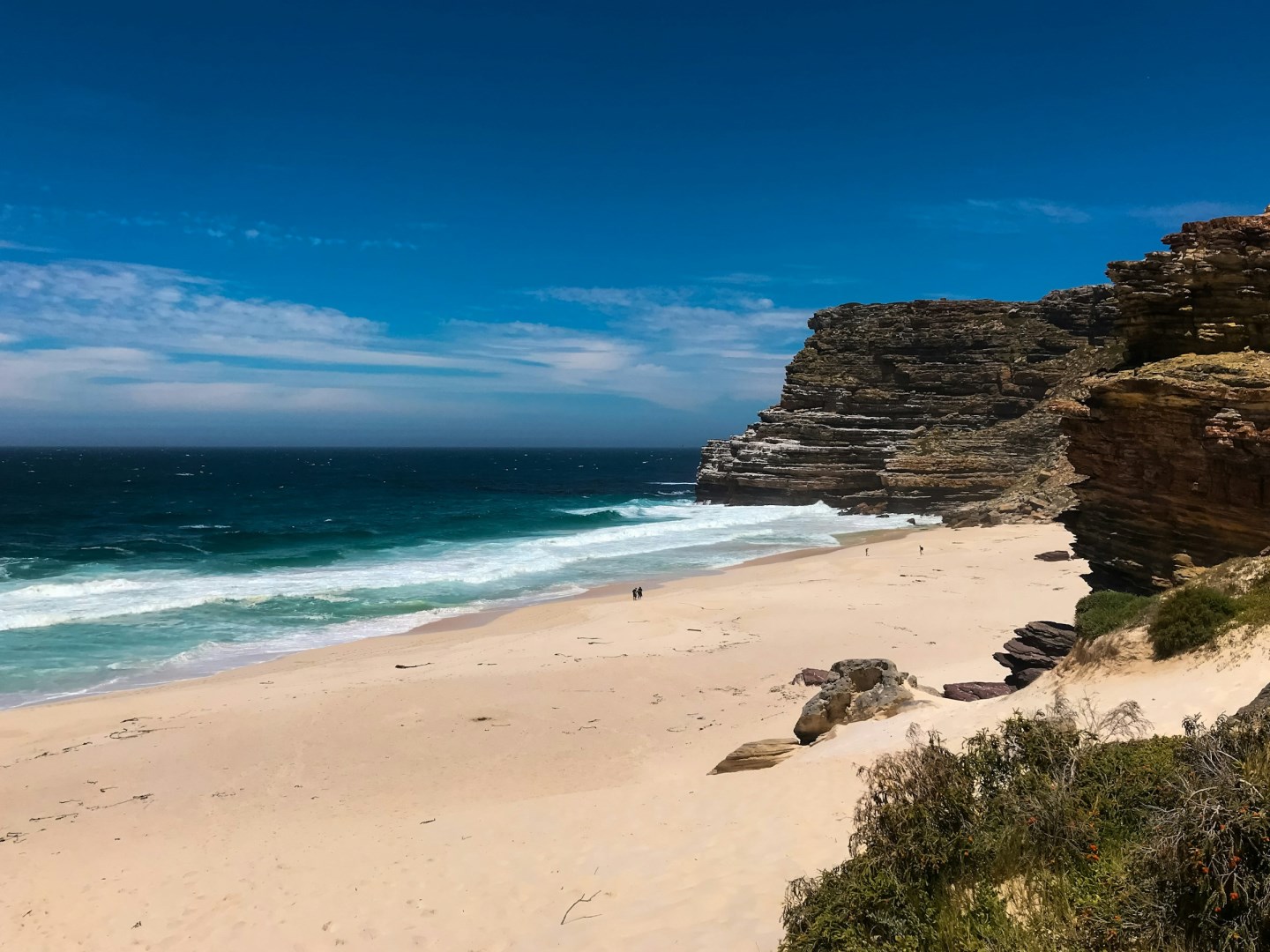
The Cape of Good Hope, located at the southwestern tip of South Africa, is a destination of striking natural beauty and historical significance. This iconic landmark, part of the Cape Peninsula, offers breathtaking views where the Atlantic and Indian Oceans meet.
Aran Islands
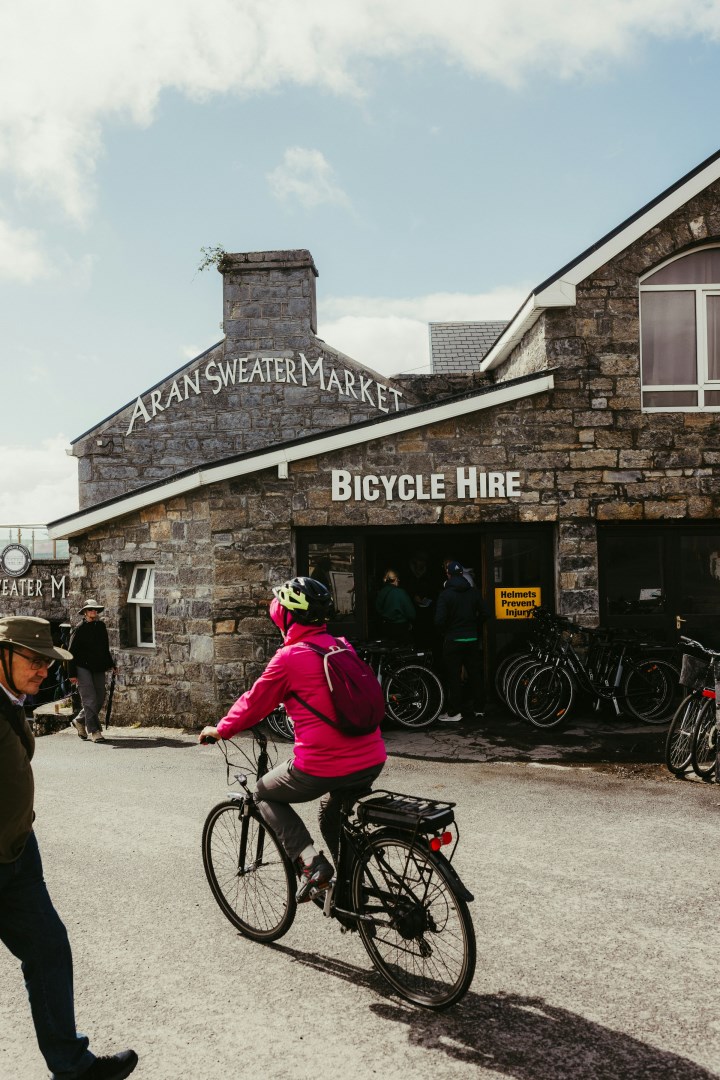
The Aran Islands lie at the mouth of Galway Bay on Ireland’s west coast and comprise three inhabited islands: Inis Mór, Inis Meáin, and Inis Oírr. Their landscapes are defined by limestone terraces, stone walls, small fields, sea cliffs, and exposed coastal ground shaped by Atlantic weather. The islands are known for their distinctive dry-stone walls, which divide much of the farmland into small plots.

St. Lucia
St. Lucia is an island of verdant landscapes in every direction: A dense rain forest rises up and covers The Pitons' twin peaks, and in the valleys, the sun's rays dance upon the large yellow-green leaves of banana plants. Beyond all the greenery, you'll find isolated coves, stunning beaches, colonial towns, quiet fishing villages and first-class yachting facilities.
