
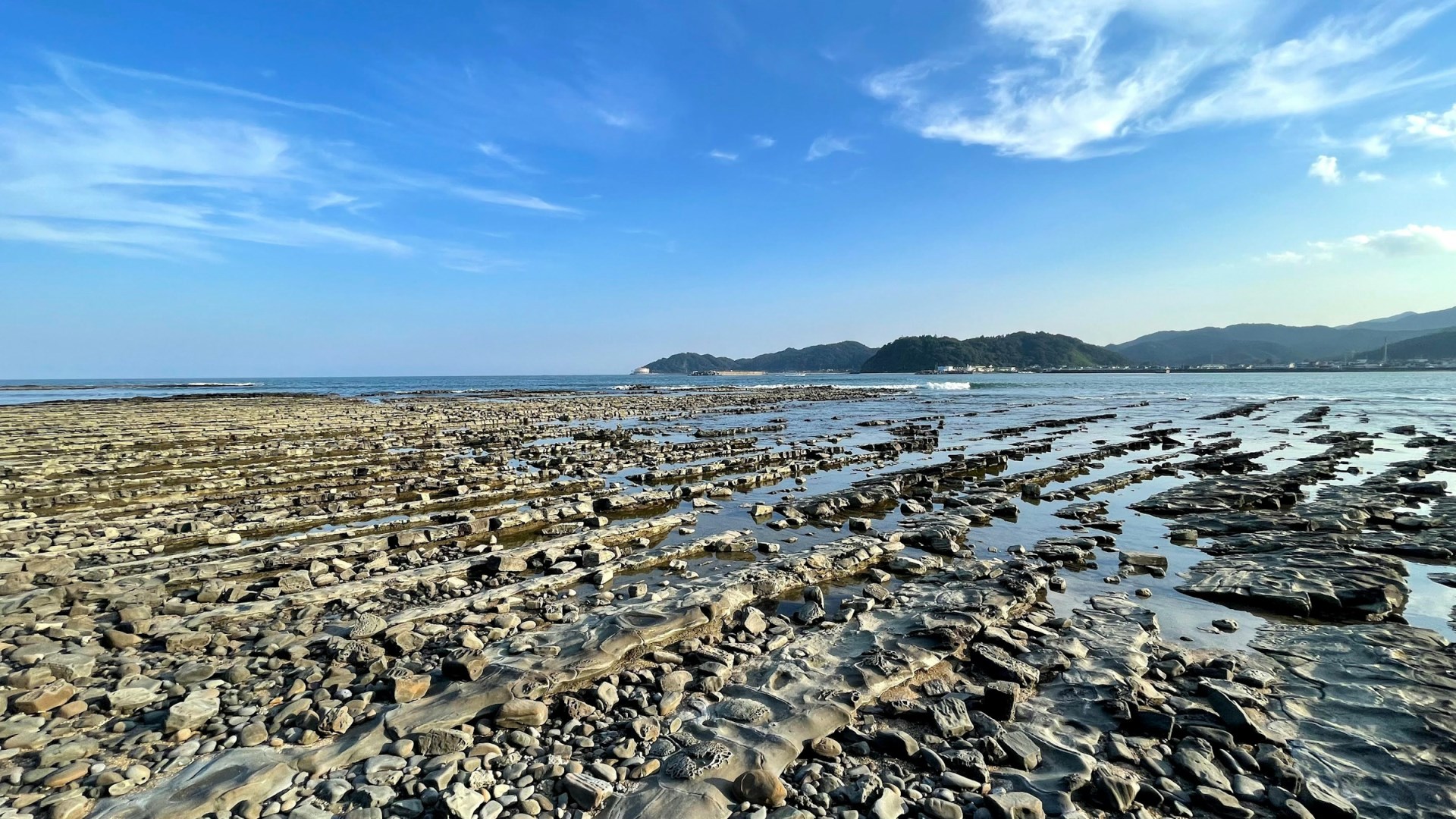
Miyazaki
Miyazaki is a coastal city on the southeastern side of Kyushu, facing the Pacific Ocean. Its setting combines sandy beaches, rivers, palm-lined streets, agricultural areas, and nearby hills, giving the city a distinct subtropical character within Japan. Miyazaki is the capital of Miyazaki Prefecture and serves as a regional center for commerce, culture, and transportation.
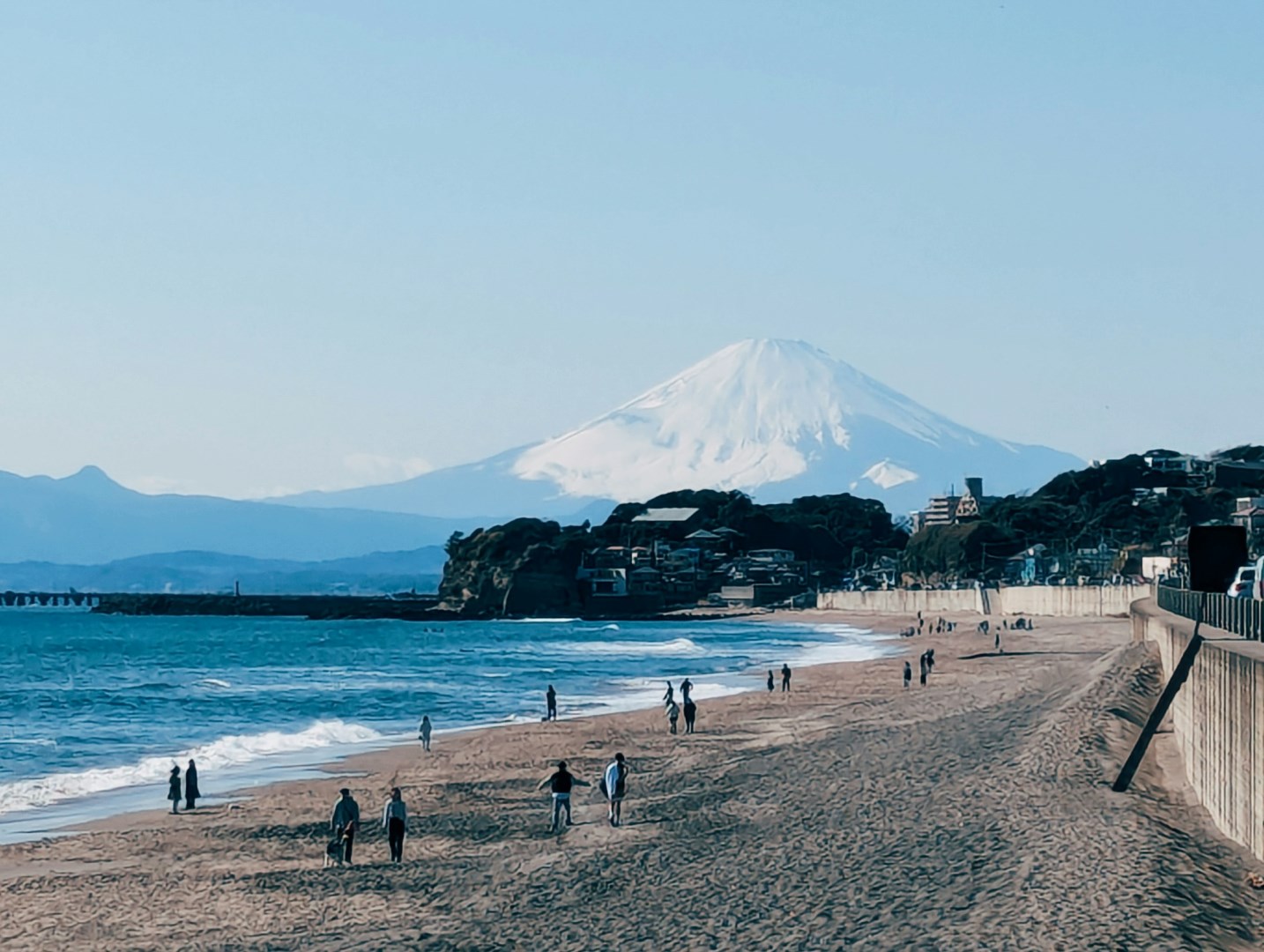
Kamakura
Although the city proper is rather small, Kamakura's coastal location and many seasonal festivals, as well as various shrines and temples, make it a popular destination for tourists. The city also offers several wooded hiking trails that connect some of its historic sites. Another unique feature of Kamakura is its "Seven Entrances," the only ways to access this natural fortress before the construction of modern roads and tunnels.
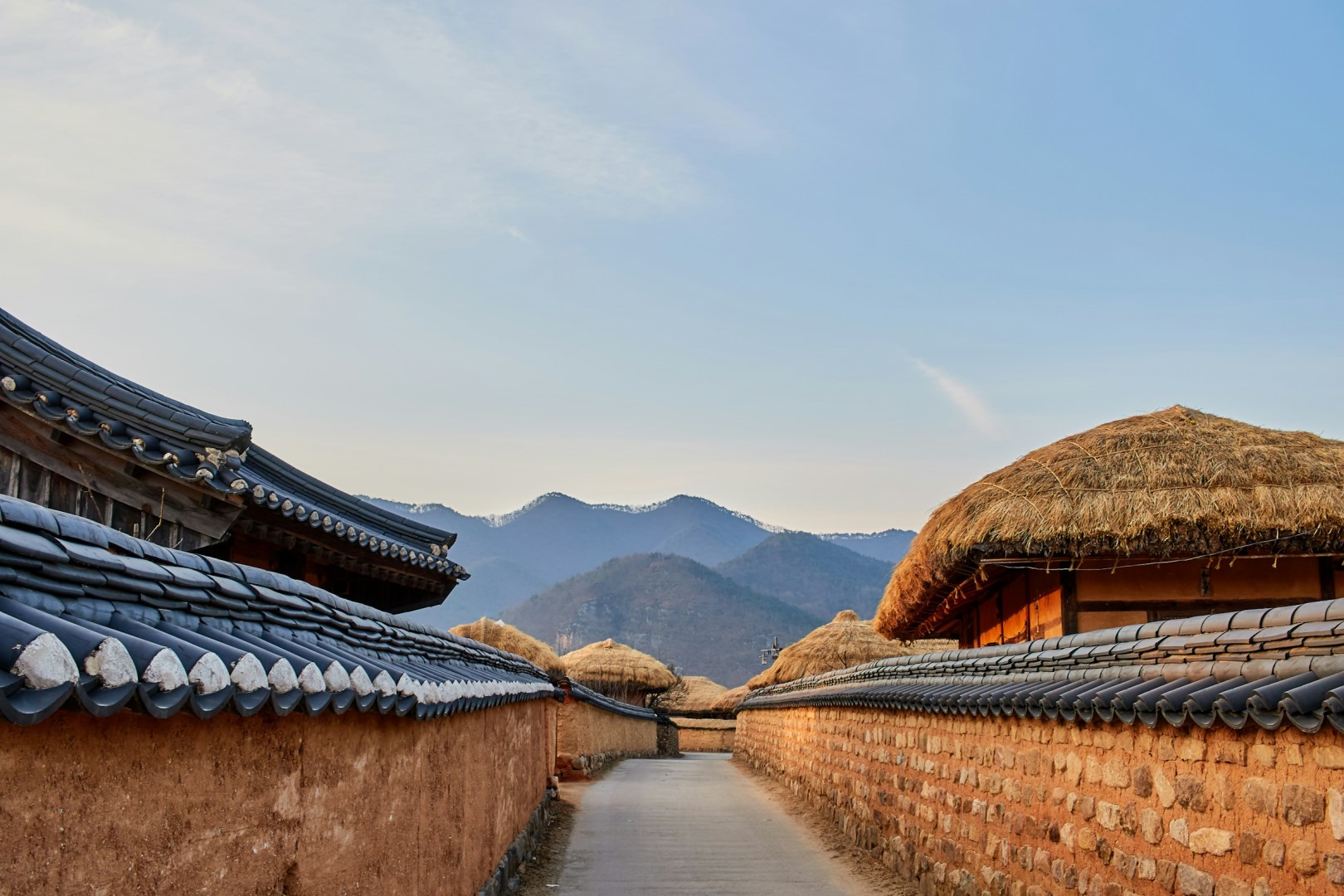
Andong-si
Andong-si is a city in North Gyeongsang Province known for its preserved traditions, Confucian heritage, and historic villages. The Nakdong River passes through the city, while surrounding hills and wooded areas shape its landscape. Andong is closely associated with Hahoe Folk Village, traditional mask dance, and Korean scholarly culture.

Pristina
Pristina, the dynamic capital of Kosovo, offers a unique blend of modernity and tradition. The city's skyline is punctuated by landmarks like the Mother Teresa Square, a tribute to the Nobel Peace Prize laureate and humanitarian who was born in Albania but had strong ties to the region. Nearby, the striking Newborn Monument, an ever-changing installation that commemorates Kosovo’s declaration of independence, showcases the country's evolving identity and creativity.
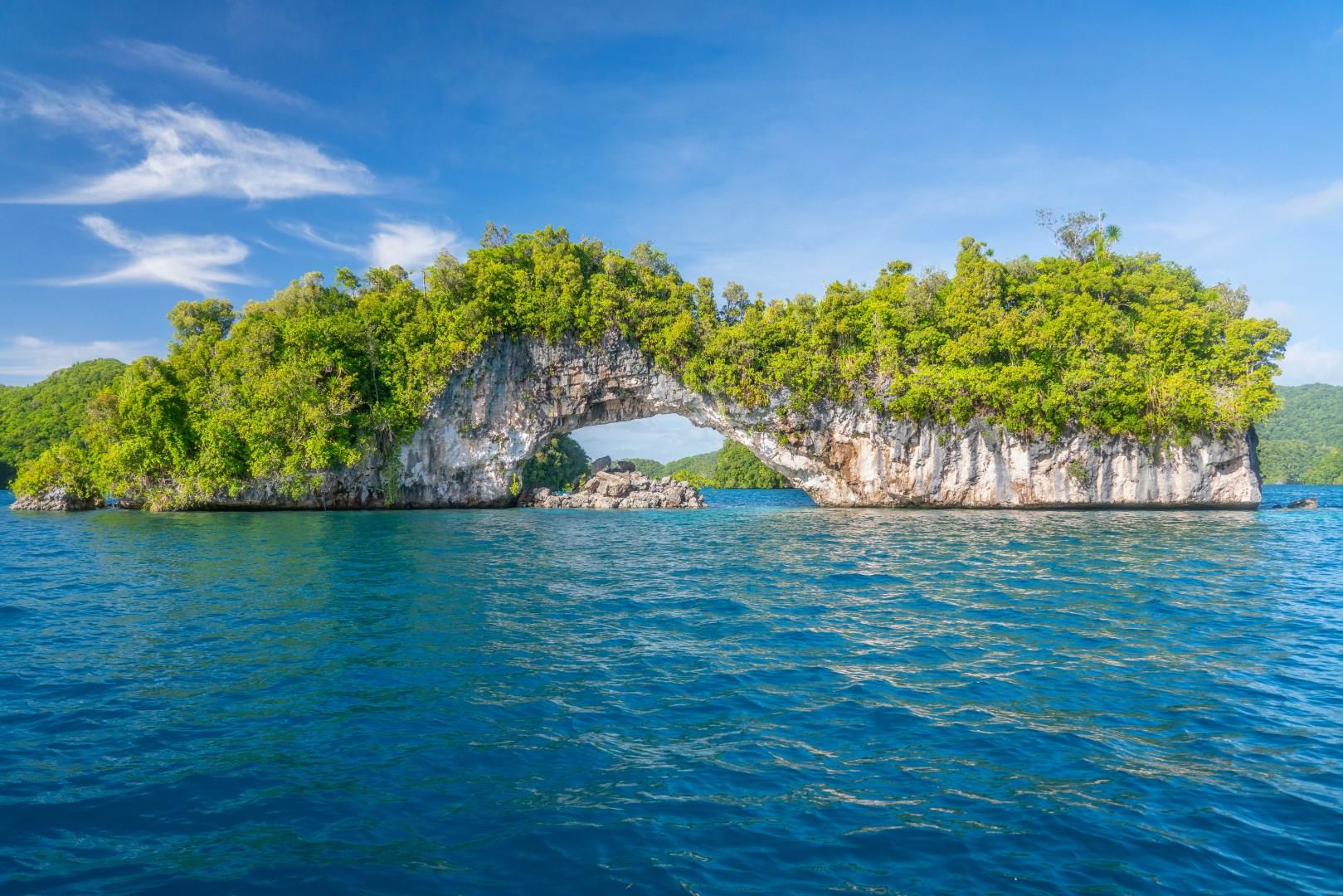
Palau
Palau, a Pacific island nation made up of over 500 islands, offers a one-of-a-kind experience for travelers who want to discover something both ancient and alive. Located between the Philippines and Guam, this small country is known for its otherworldly seascapes, but its appeal runs far deeper than its turquoise waters.
