

Flåm
Flåm is a charming village nestled in the breathtaking fjords of Norway. Highlights include the Flåm Railway Museum, Fretheimshaugane park, and Otternes Bygdetun, a remote farm dating back to the 18th century.
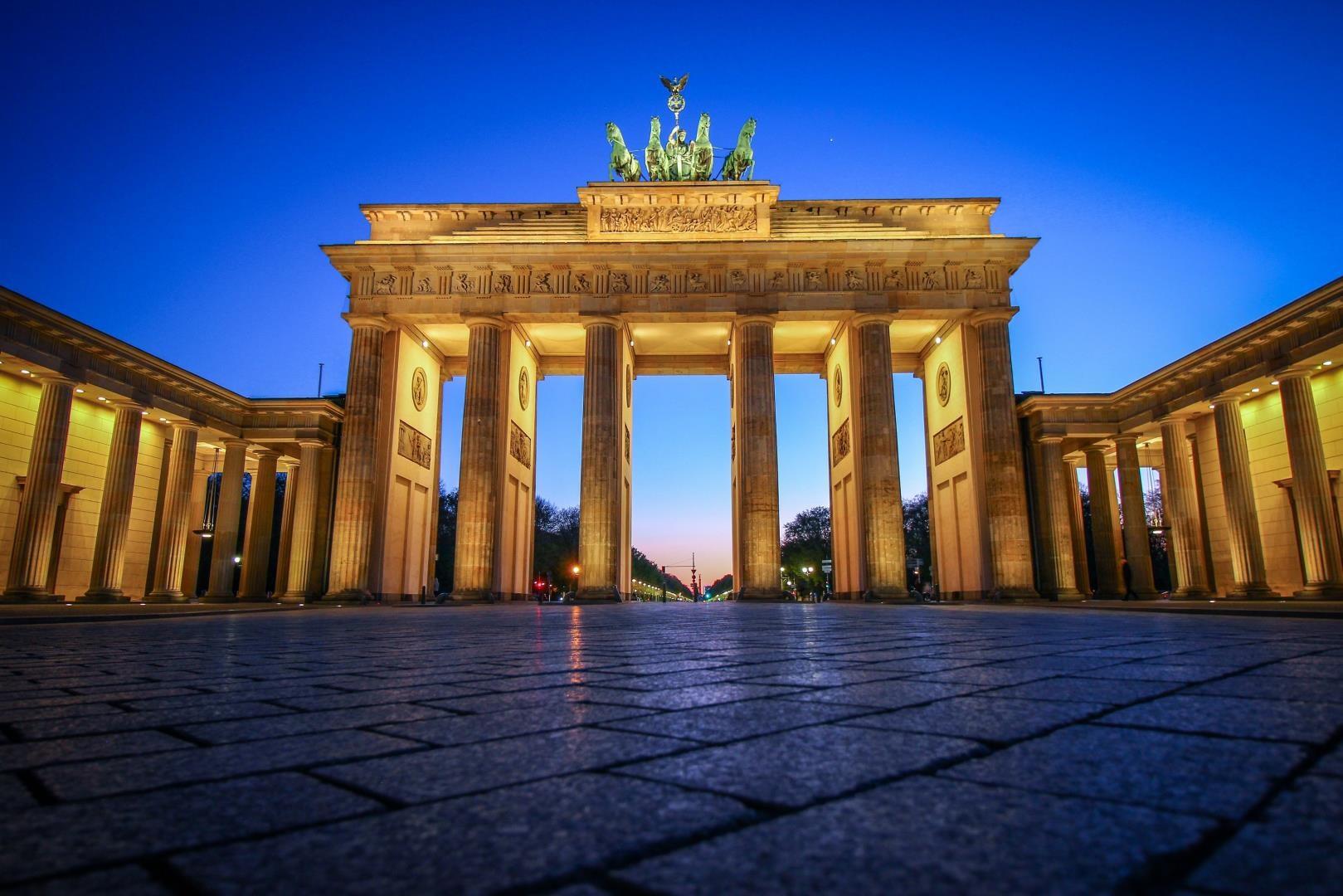
Berlin
Berlin has an undeniable history. The horrors of World War II, division, reunification, revolution all profoundly impacted the city in the 20th century. Today, visitors will find a sophisticated, high-energy city with endless cultural, architectural and gastronomic attractions.
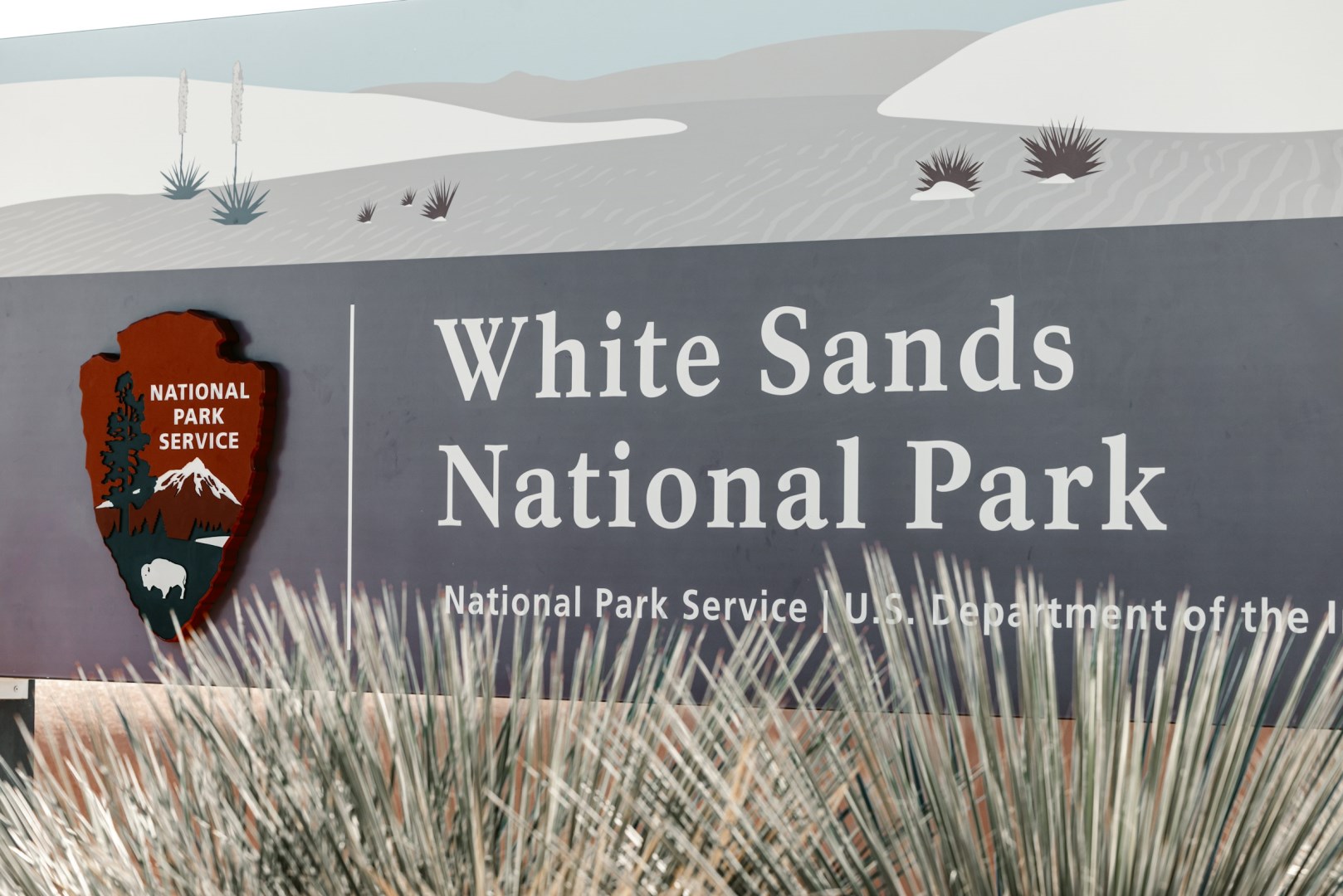
White Sands National Park
This is not your typical view of white sand. White Sands National Park is the world's largest gypsum dune field.
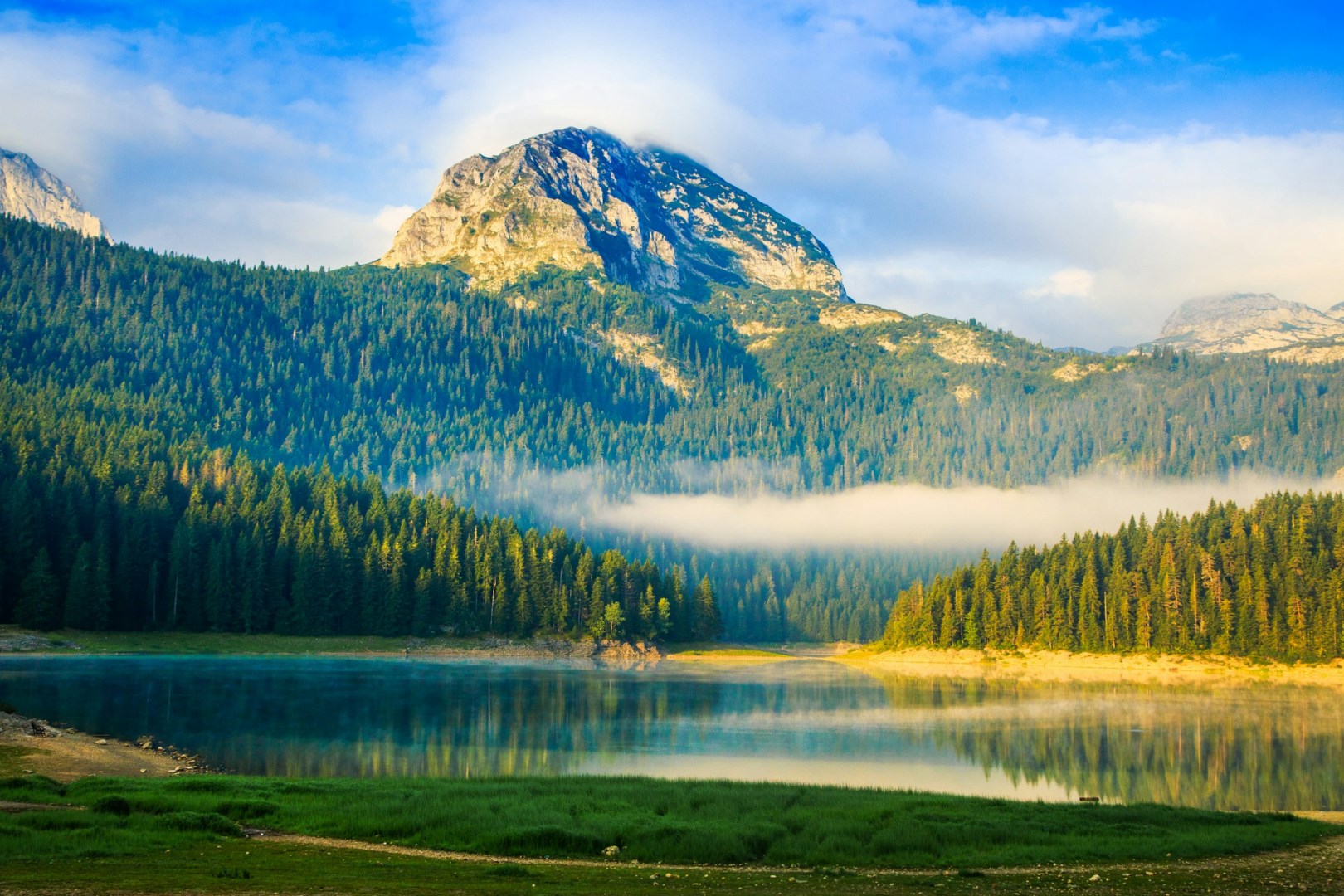
Durmitor National Park
Durmitor National Park is found in the Dinaric Alps, located in northwestern Montenegro. Along the Tara River Canyon, one of the deepest in Europe, Durmitor features nearly 50 limestone peaks interspersed with clear glacial lakes and deep pine forests.
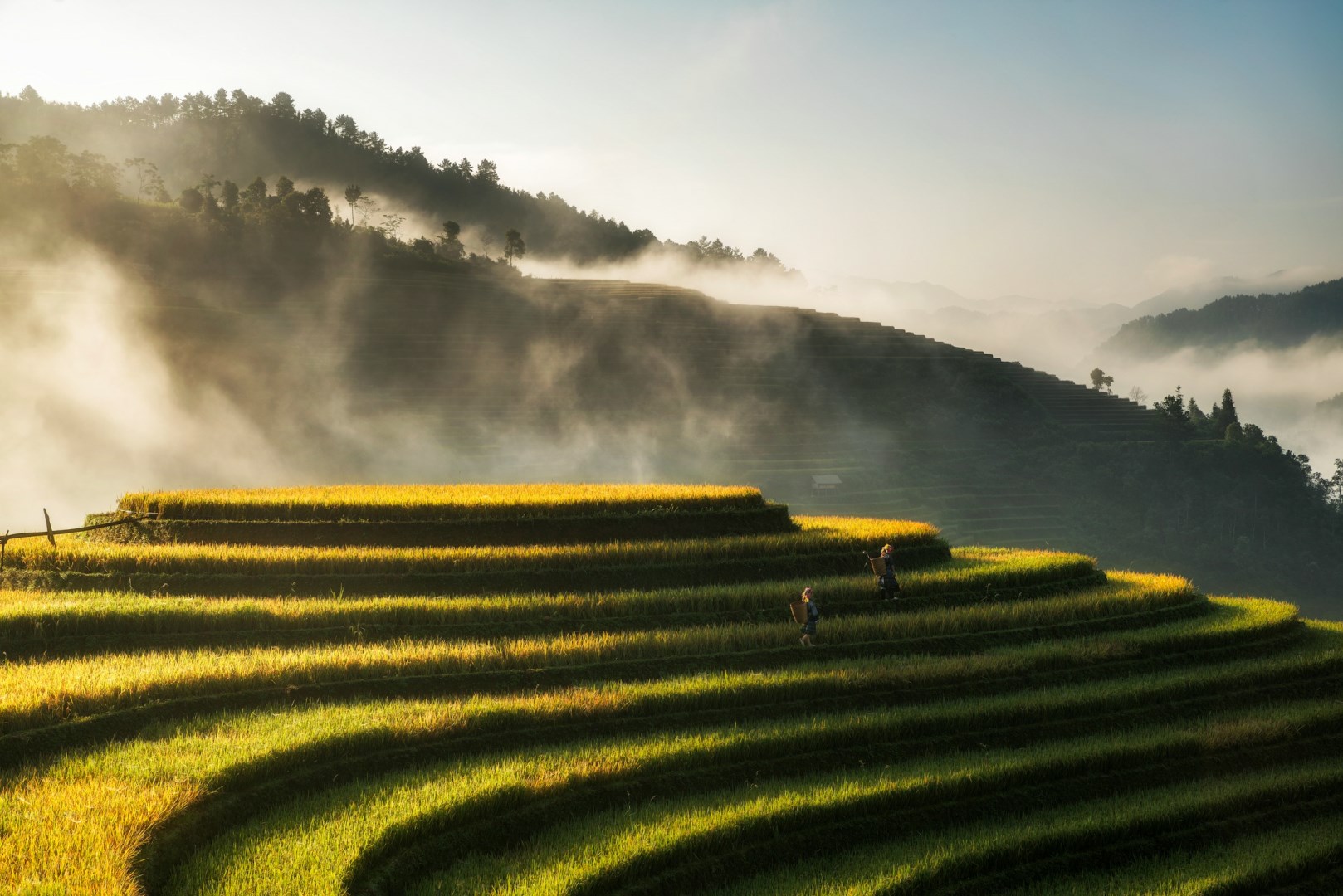
Mù Cang Chải
The scenic Mu Cang Chai rice terraces are one of the most popular tourist and photographer locations in the world! The best time to visit is from Mid-September to Mid-October during the season when the rice fields are ready for harvest.
