
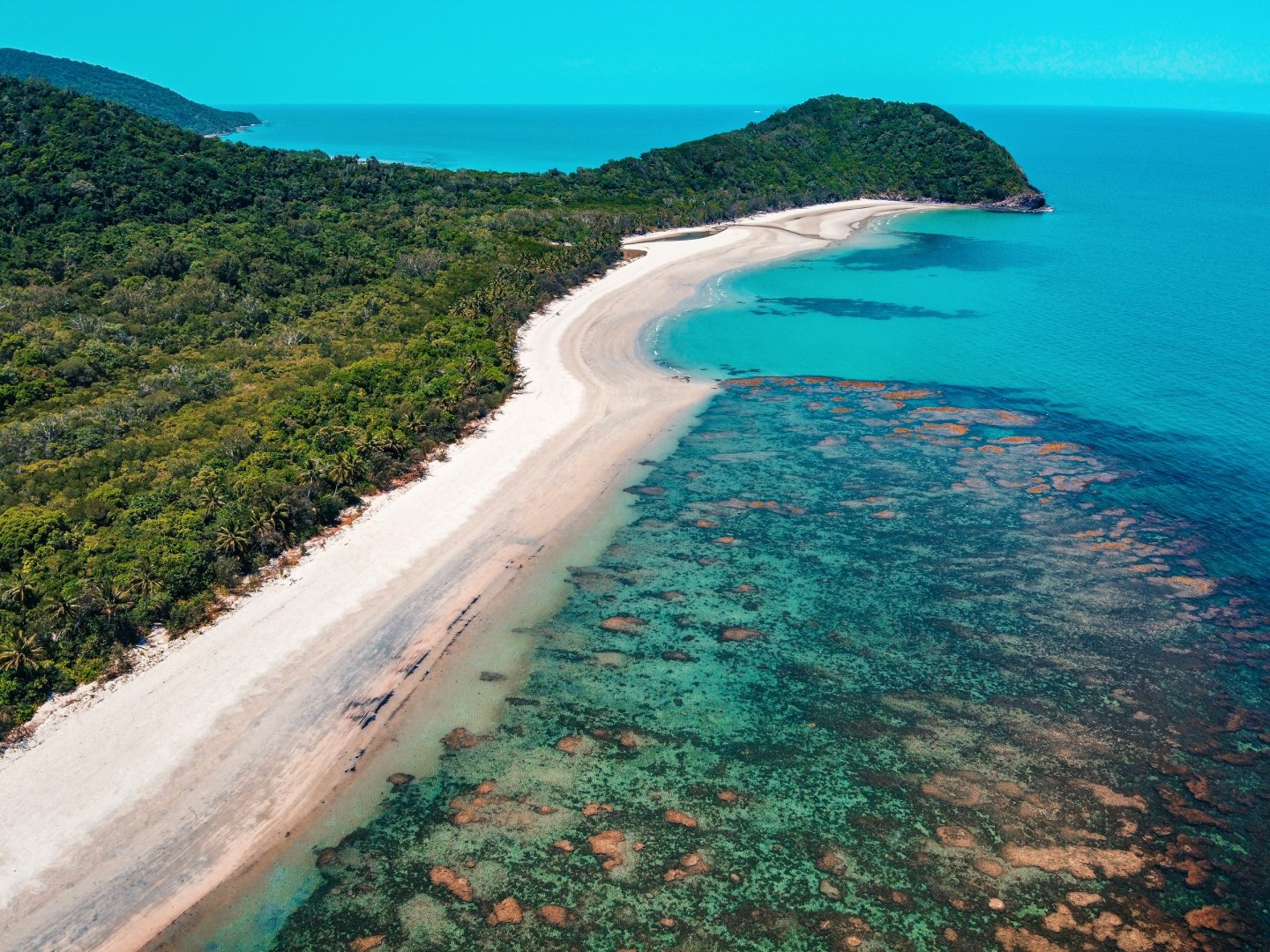
Cape Tribulation
The largest virgin tract of rainforest in Australia (and the second largest in the world), this lush, tropical World Heritage area is a living testimonial to the ancient rainforests which once covered the earth's surface. Cool forest streams, primitive rainforests, stunning mountain scenery and abundant wildlife - a naturalists and bird watchers paradise.
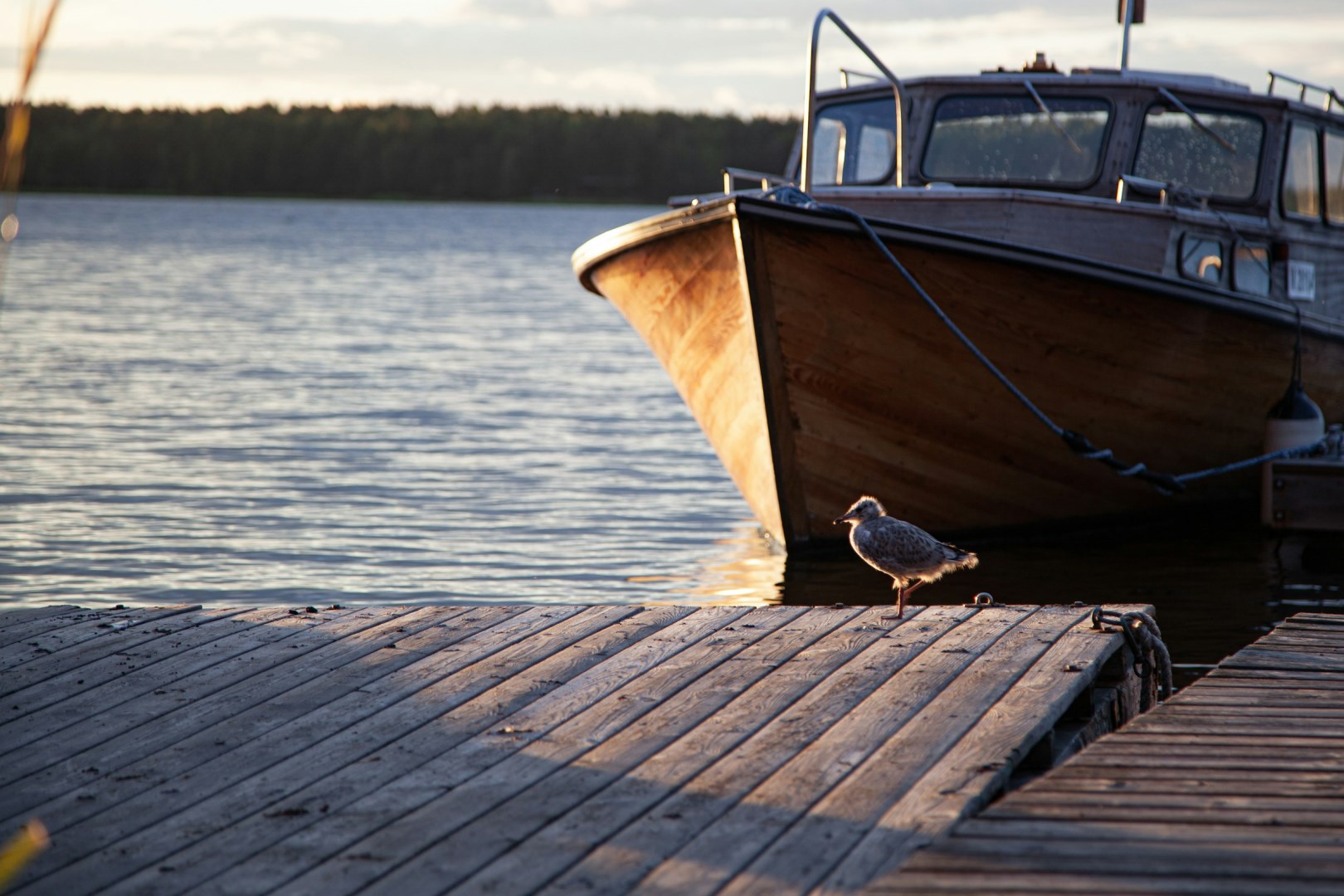
Kotka
Located on the southern coast of Finland at the delta of the Kymi river, the city of Kotka is a major Finnish sea port. Perhaps the best-known attraction of this multicultural and creative city is the country's largest urban maritime festival, an annual celebration that includes boating events, dance and music performances, and Finland's largest parade which marks the beginning of the city-wide event.
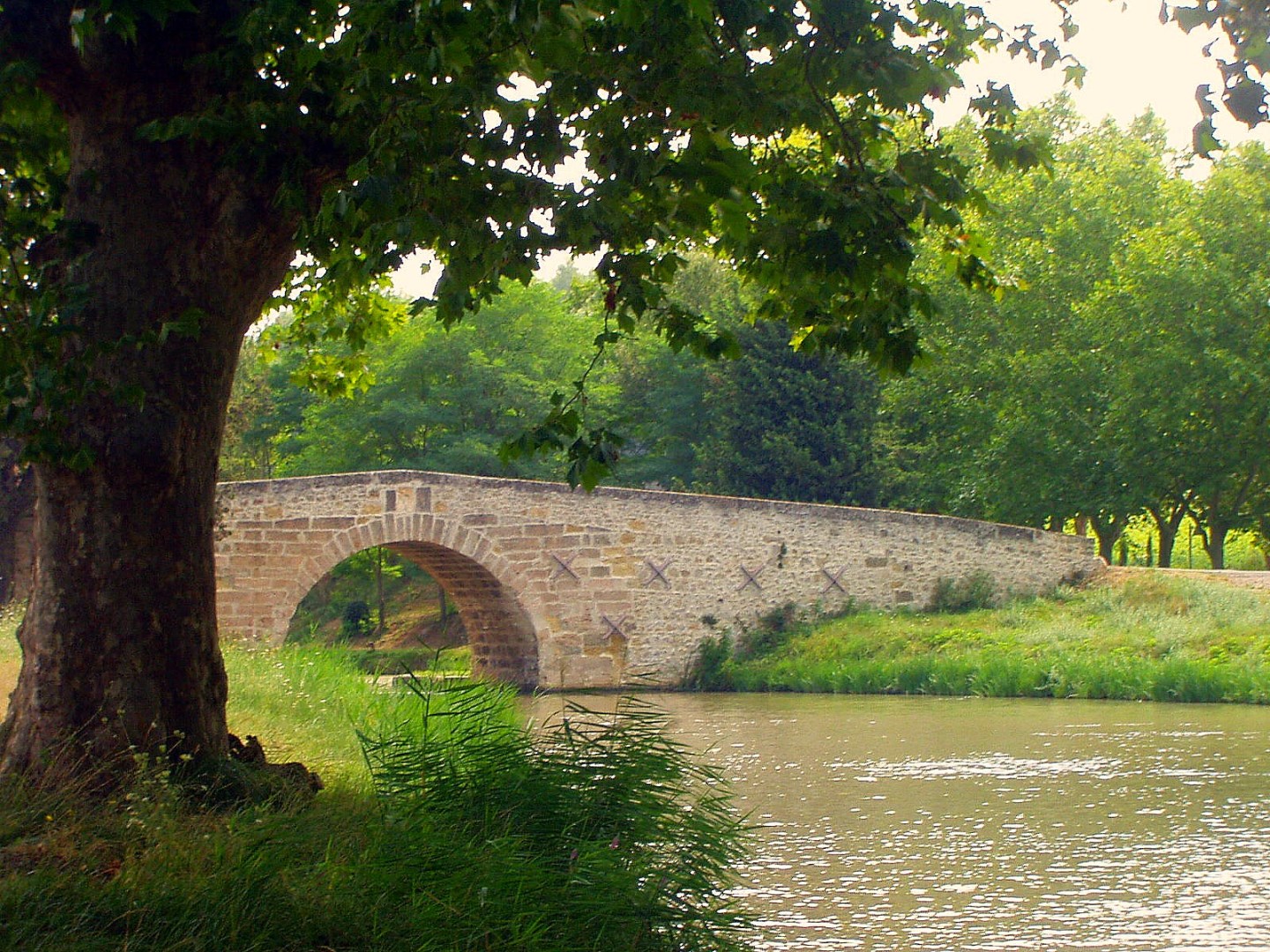
Capestang
Capestang sits beside the Canal du Midi, surrounded by vineyards and marked by the soaring Collégiale Saint-Étienne. Its medieval heritage, canal port and nearby Étang de Capestang give the village a strong identity rooted in water, wine and local history.

Algarve
The Algarve, Portugal's southernmost region, is a treasure trove of stunning landscapes and rich cultural experiences. Renowned for its breathtaking coastline, the Algarve boasts dramatic cliffs, golden sandy beaches, and crystal-clear waters. The coastline is dotted with picturesque towns like Lagos and Albufeira, which offer a blend of vibrant nightlife and tranquil beaches. The iconic Ponta da Piedade near Lagos is a must-see, with its striking rock formations and secluded caves that can be e

Cuba
Cuba is an island nation where history, culture, and natural beauty intertwine in captivating ways. Known for its Spanish colonial architecture, vibrant music, and revolutionary legacy, the country offers a fascinating window into both the Caribbean and Latin American worlds. Havana, with its colorful facades, classic American cars, and lively plazas, embodies Cuba’s charm and resilience, while towns like Trinidad and Cienfuegos showcase UNESCO-listed heritage and a slower pace of life.
