

Utah
Utah is renowned for its diverse landscapes and outdoor adventures. The state is home to the "Mighty 5" national parks: Arches, Bryce Canyon, Canyonlands, Capitol Reef, and Zion. Each park offers unique geological formations and breathtaking scenery, from the iconic Delicate Arch in Arches to the towering cliffs of Zion.
Durmitor National Park
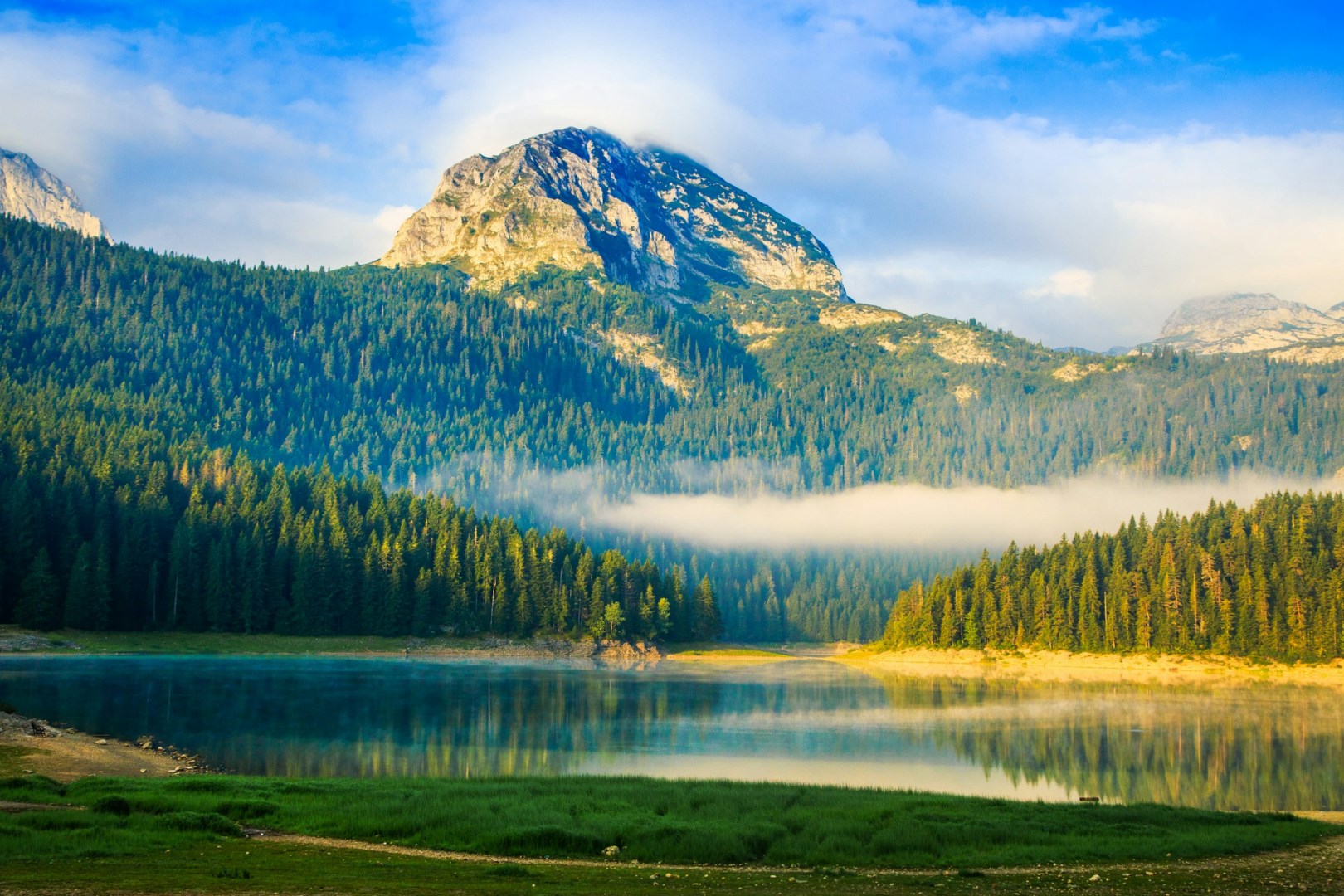
Durmitor National Park is found in the Dinaric Alps, located in northwestern Montenegro. Along the Tara River Canyon, one of the deepest in Europe, Durmitor features nearly 50 limestone peaks interspersed with clear glacial lakes and deep pine forests.
Kanha Tiger Reserve
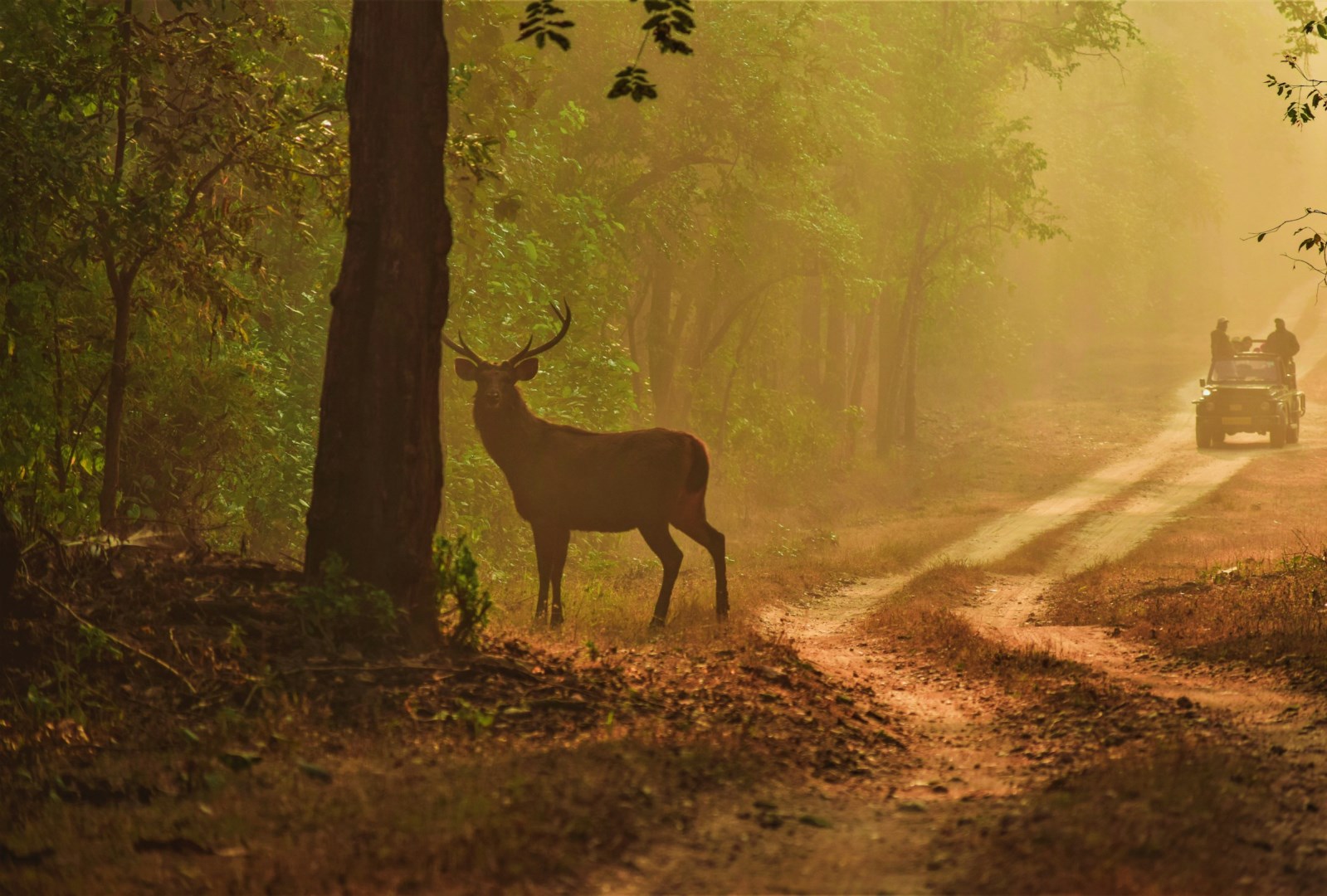
Kanha Tiger Reserve lies in the Maikal ranges of the Satpura hills in Madhya Pradesh, extending across the districts of Mandla and Balaghat. The reserve is known for its broad sal forests, bamboo groves, open meadows, streams, and diverse wildlife. The national park covers about 940 square kilometres within the larger tiger reserve. Bengal tigers are a major attraction, but Kanha is equally significant for its population of hard-ground barasingha, a subspecies of swamp deer that became closely a

Makarska
Makarska, nestled along the stunning Dalmatian Coast of Croatia, is a gem that blends natural beauty with vibrant culture. The town is renowned for its picturesque setting between the Biokovo Mountain range and the azure waters of the Adriatic Sea. The Makarska Riviera boasts some of Croatia's most beautiful beaches, such as Punta Rata, known for its fine pebbles and crystal-clear water.
South Luangwa National Park
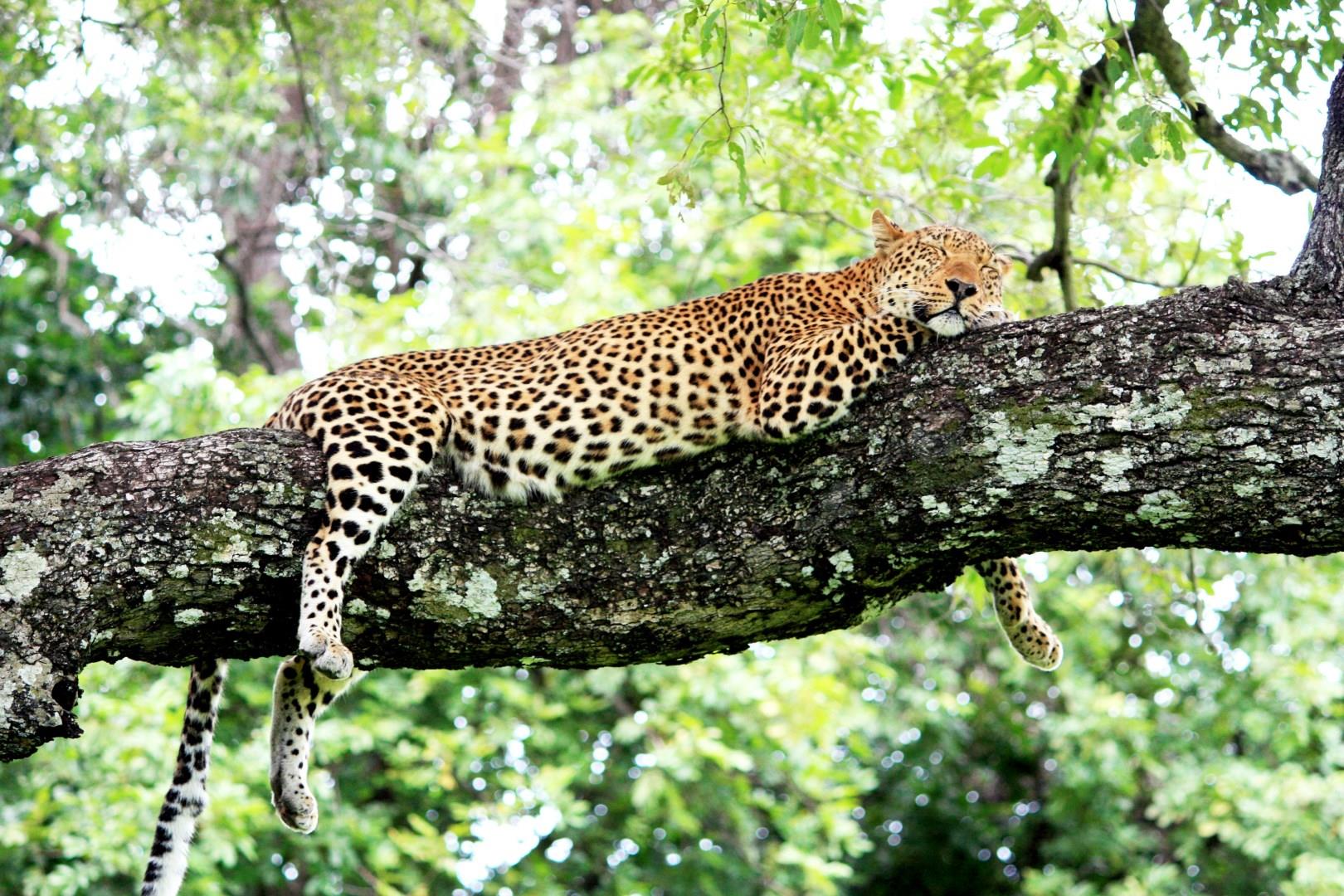
South Luangwa National Park in eastern Zambia is one of Africa’s most treasured wildlife areas, lying along the lush bends of the Luangwa River. Designated as a protected area in the 1970s, it stands out for its consistently high wildlife densities and landscapes that shift with the seasons. Dry grasslands, shaded woodlands, and green floodplains all unfold beneath wide skies, shaping the canvas for memorable animal sightings.
