

Ponta Delgada (Azores)
With its mix of cultural heritage and access to extraordinary landscapes, Ponta Delgada captures the spirit of the Azores. Whether exploring its historic streets, savoring local cuisine, or embarking on adventures in nature, travelers will find plenty to inspire and delight in this charming city.
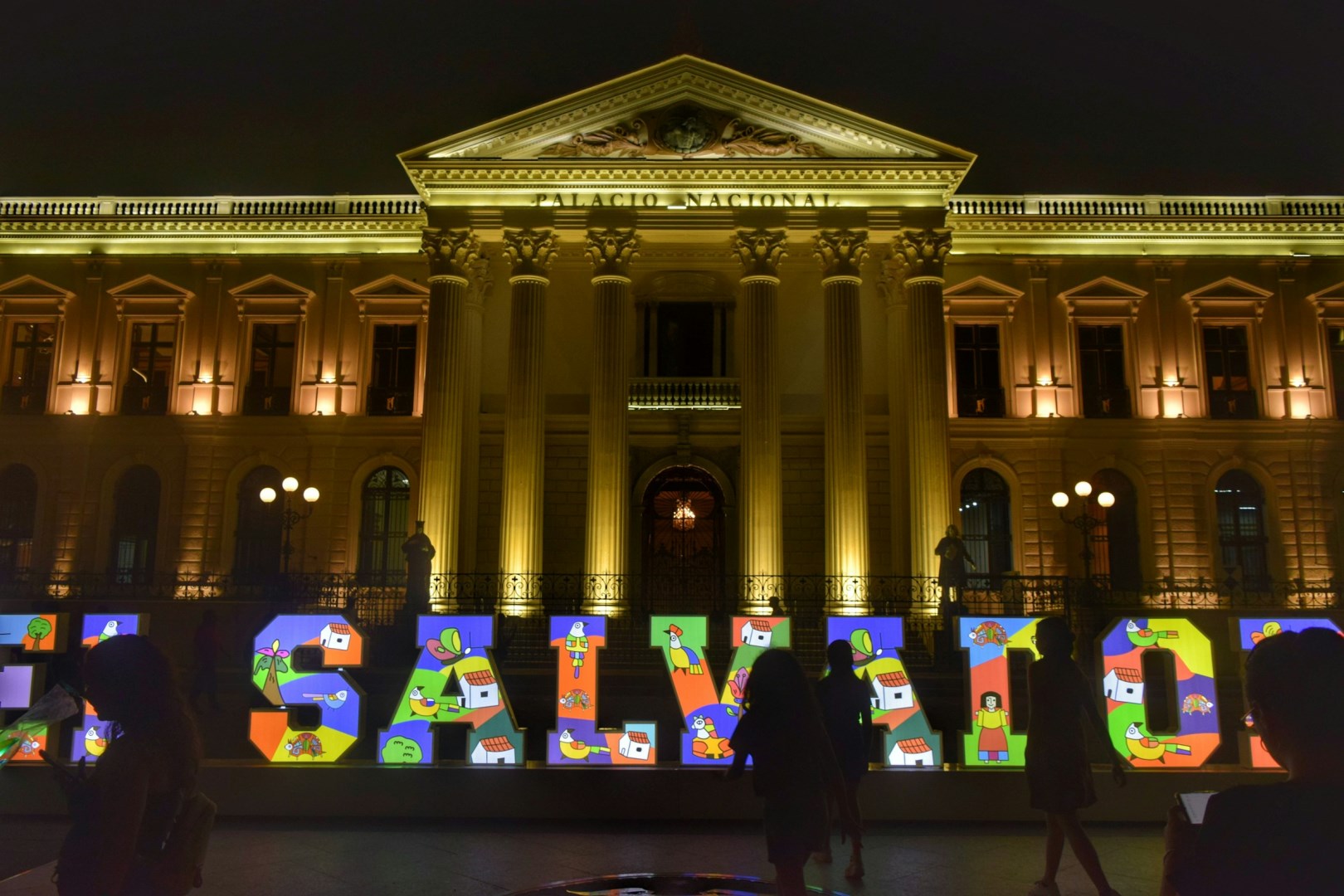
San Salvador
El Salvador's capital and largest city lies in a valley at the foot of the large San Salvador volcano. Shanty towns abound and the streets are lined with people selling everything.

Ravenna
Ravenna is a destination that captivates visitors with its timeless beauty and rich heritage. Whether marveling at its mosaics, savoring its cuisine, or enjoying the peaceful Adriatic coast, Ravenna promises an unforgettable journey into Italy’s past and present.
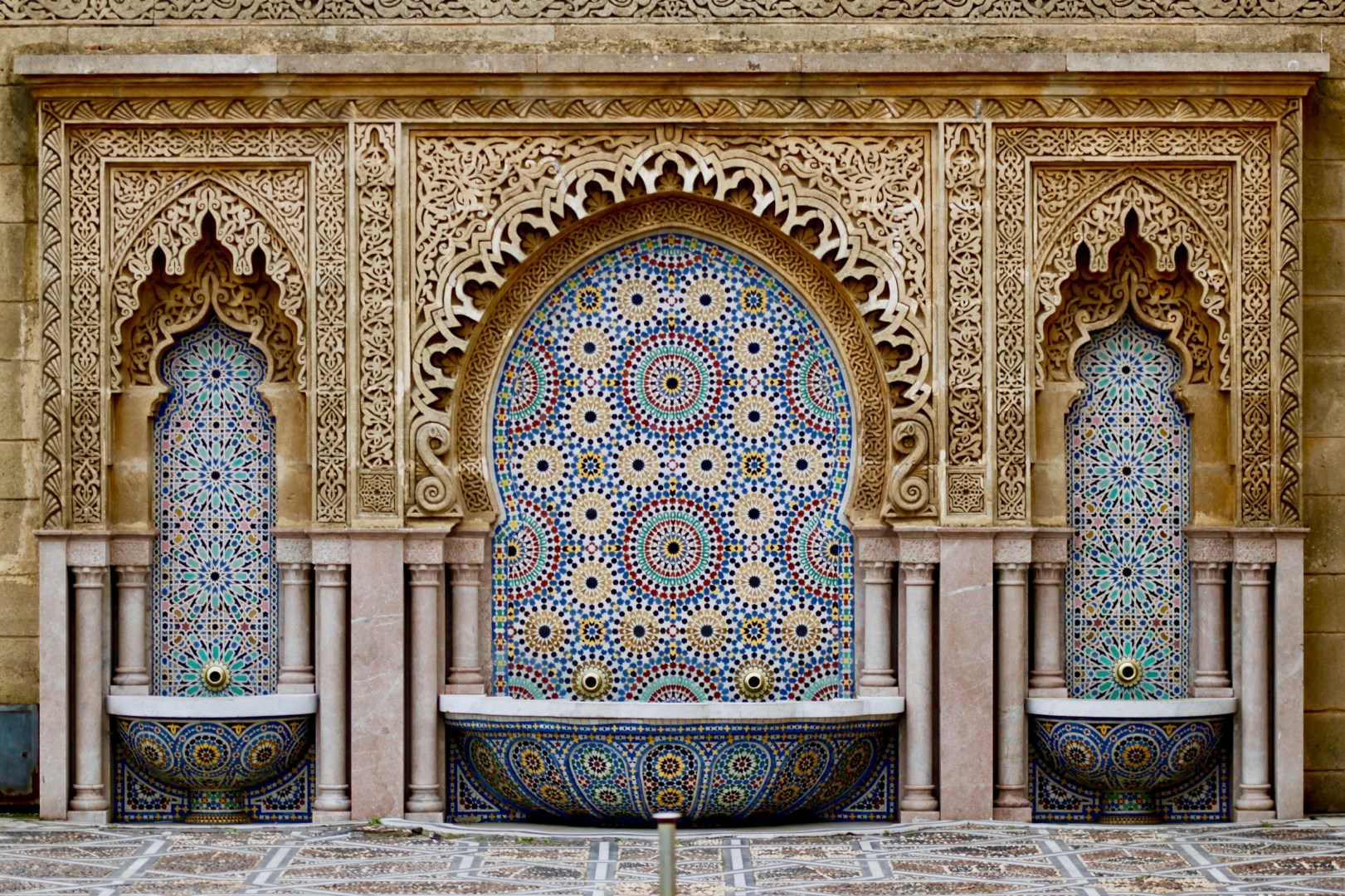
Rabat
Rabat, the capital of the kingdom of Morocco, is located on the edge of the Atlantic Ocean on the left bank of the Bou Regreg Estuary. A city of trees and flowers, Rabat combines peace, beauty and Serenity, and is steeped in history.
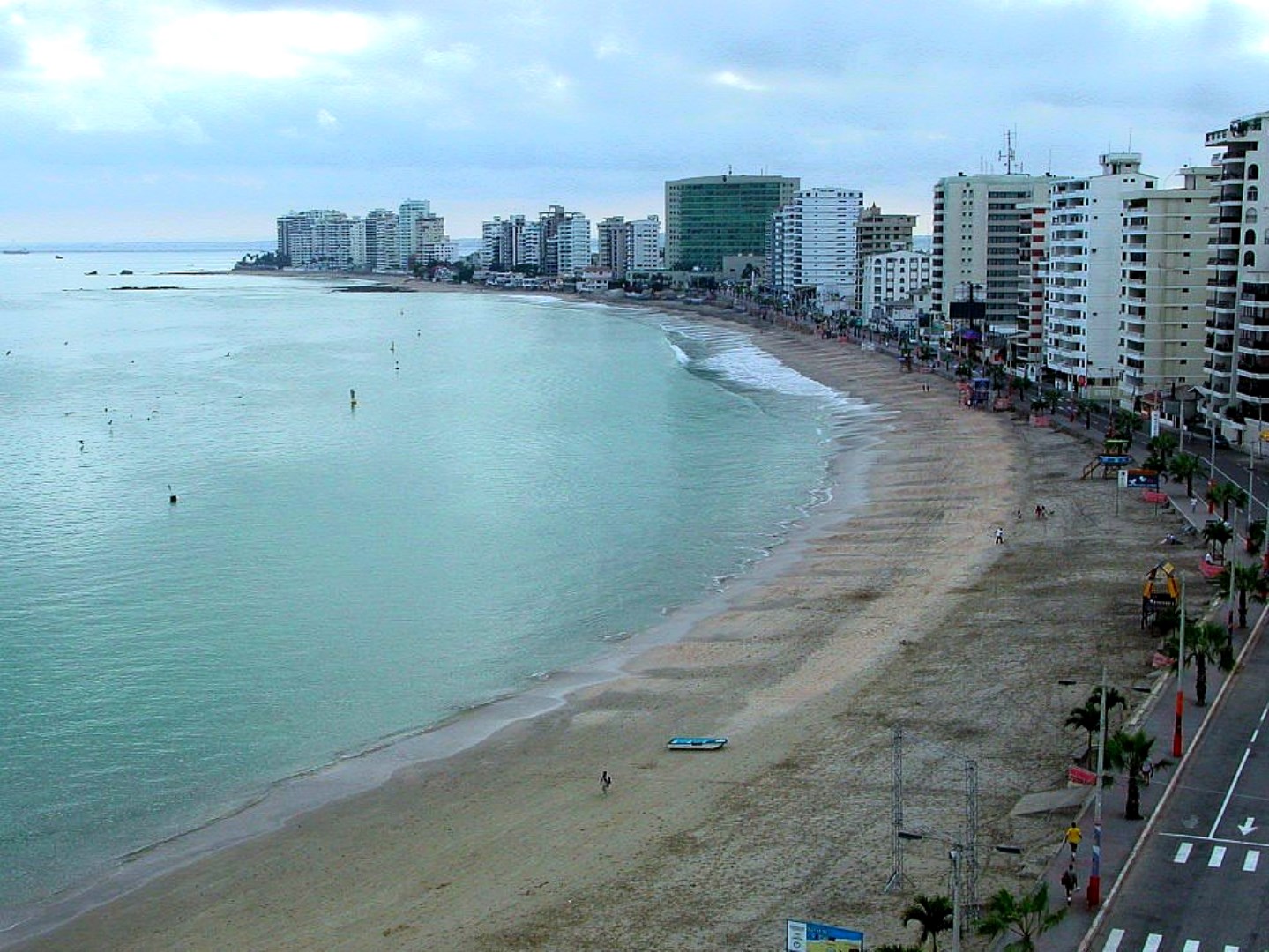
Salinas
For a small country, Ecuador has more varied climatic zones than anywhere in the world. From Salinas, a favorite beach resort on the southern coast, one can go in one day from tropical beaches to semi-arid desert to impenetrable Amazon basin rain forest to the spring-like high altiplano to the soaring snow-capped mountain peaks of the Andean Cordillera. The area around Salinas was once home to the ancient Mocha culture. Archeologists have discovered exquisite examples of pottery and jewelry i
