
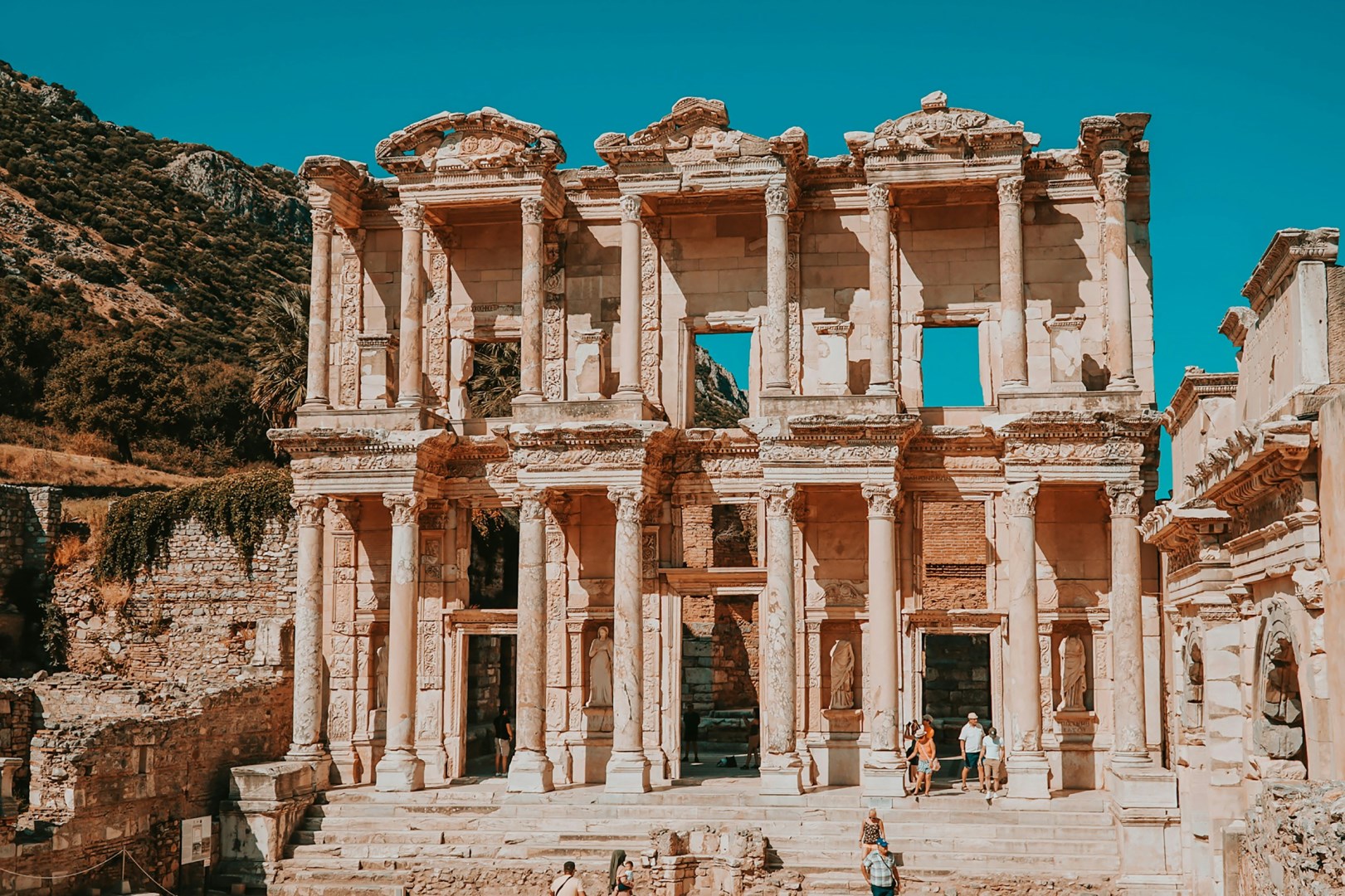
Ephesus
Once the commercial center of the ancient world, Ephesus is an archaeological splendor and an essential stop on any visit to Turkey. The city, whose wealth and patronage support its splendid architectural program, was dedicated to the goddess Artemis.
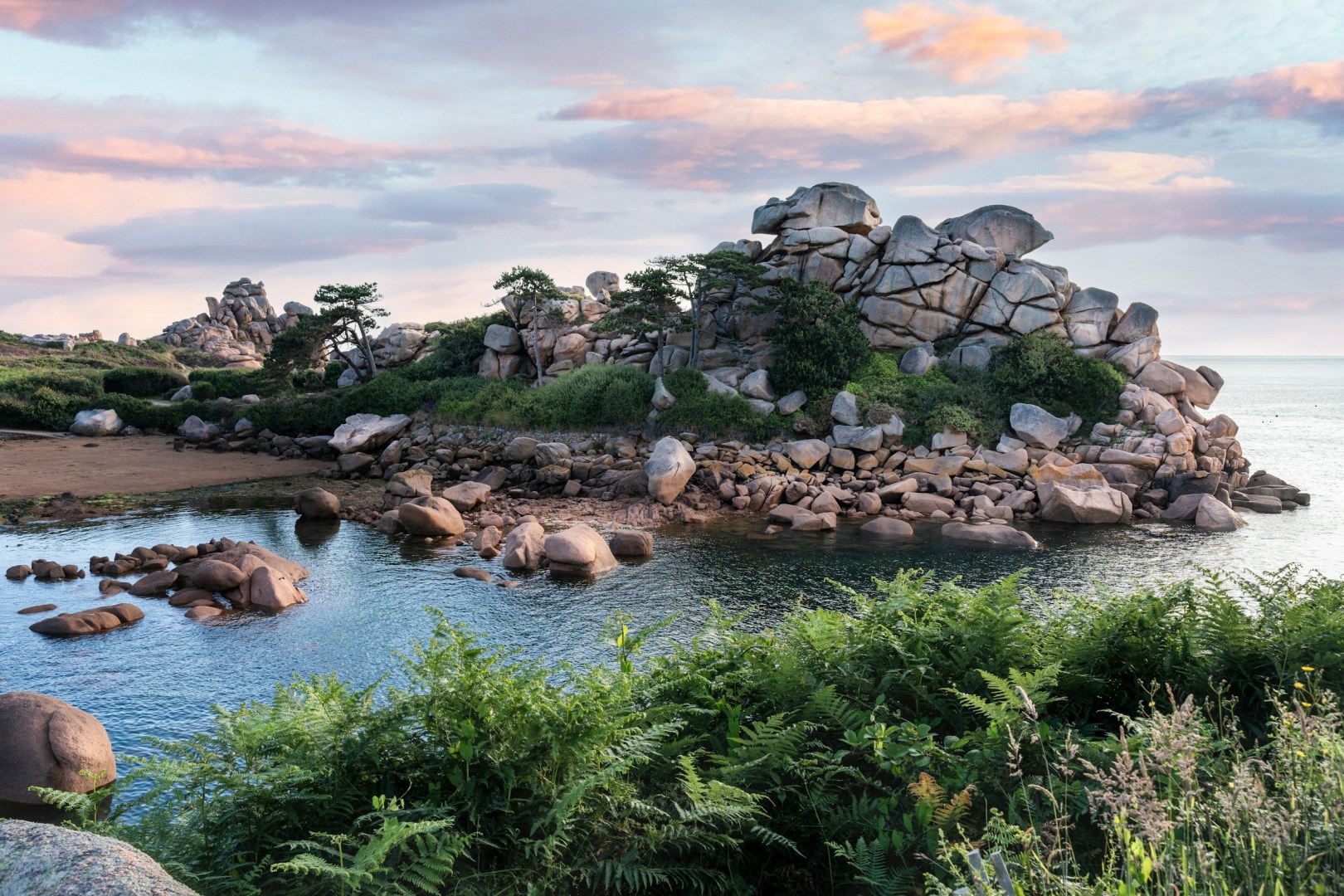
Perros-Guirec
Saint Guirec was a Gallic monk who evangelized Perros Guirec in the 6th century. Known primarily as a health and tourist resort, Perros-Guirec is set on the stunning pink granite coast. Explore Trestraou Beach with its fabulous pink rock formation or the beach of Ploumanac'h where St.Guirec is buried. Perros-Guirec also is host to one of the main bird reserves.

Bologna
Bologna, Italy, is a city that effortlessly weaves together rich history, vibrant culture, and renowned gastronomy, making it an irresistible destination for travelers seeking an authentic Italian experience. Often referred to as "La Dotta, La Grassa, La Rossa" (The Learned, The Fat, The Red), Bologna proudly wears these nicknames that highlight its academic prestige, culinary heritage, and distinctive terracotta-colored architecture.
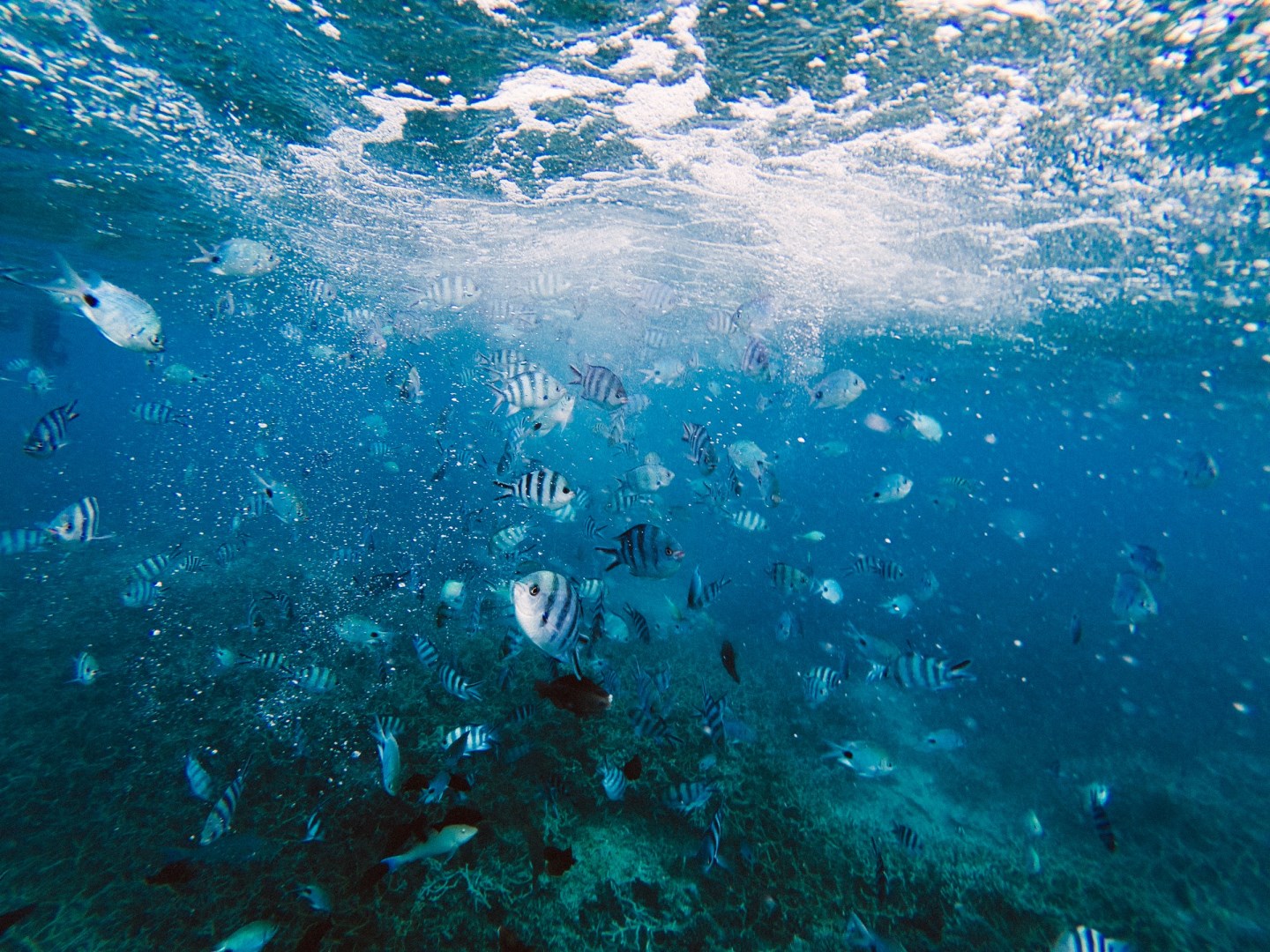
Blue Bay
Blue Bay is a coastal village in southeastern Mauritius, within the district of Grand Port and close to Sir Seewoosagur Ramgoolam International Airport. It is best known for Blue Bay Marine Park, a protected lagoon where coral reefs and clear shallow waters support a rich variety of marine life. The village sits beside a curved sandy beach and sheltered bay, with views across the lagoon toward small offshore islets.
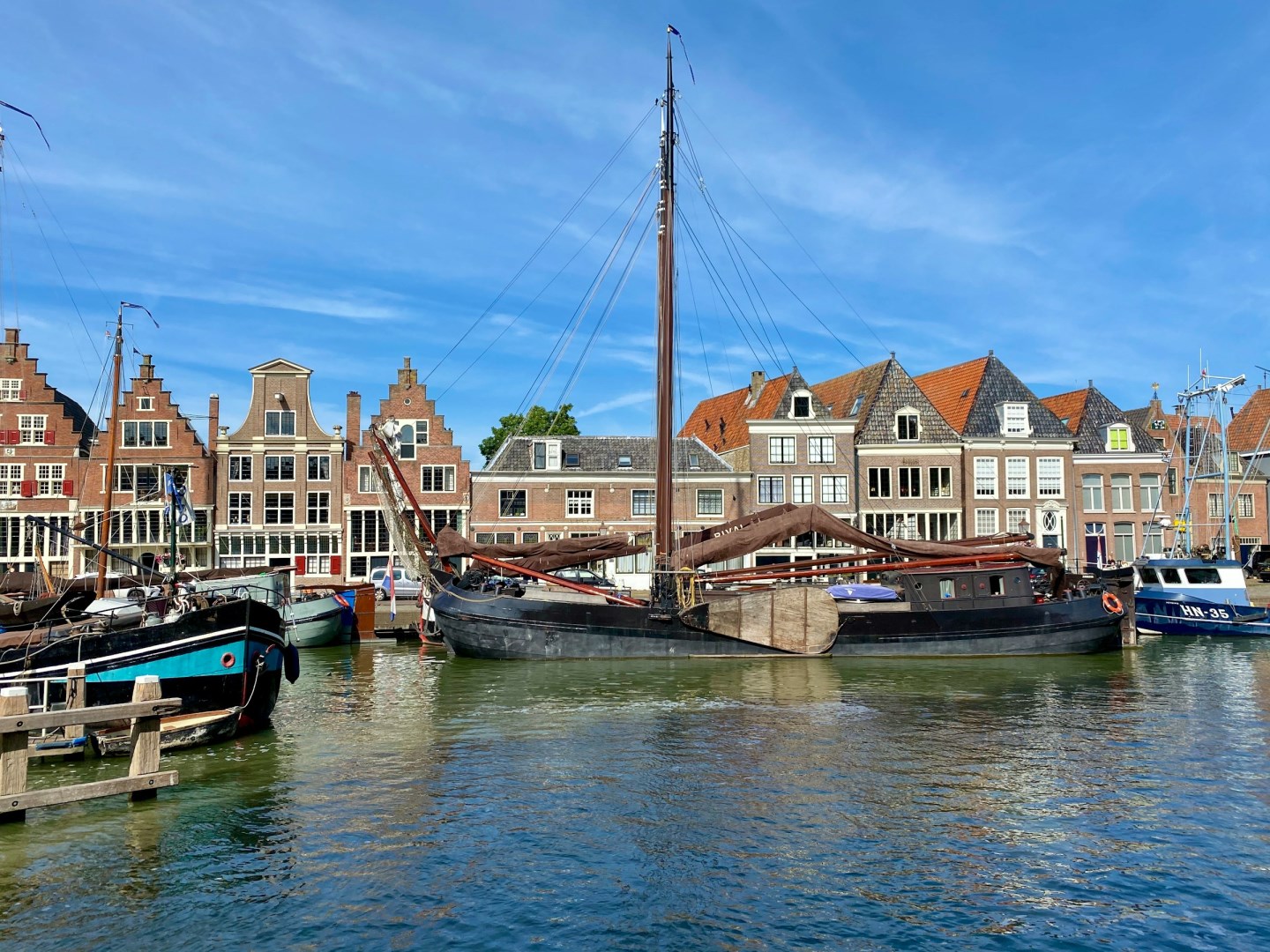
Hoorn
One of Holland's most charming sailing villages. The town is also known for its famous antique shops.
