
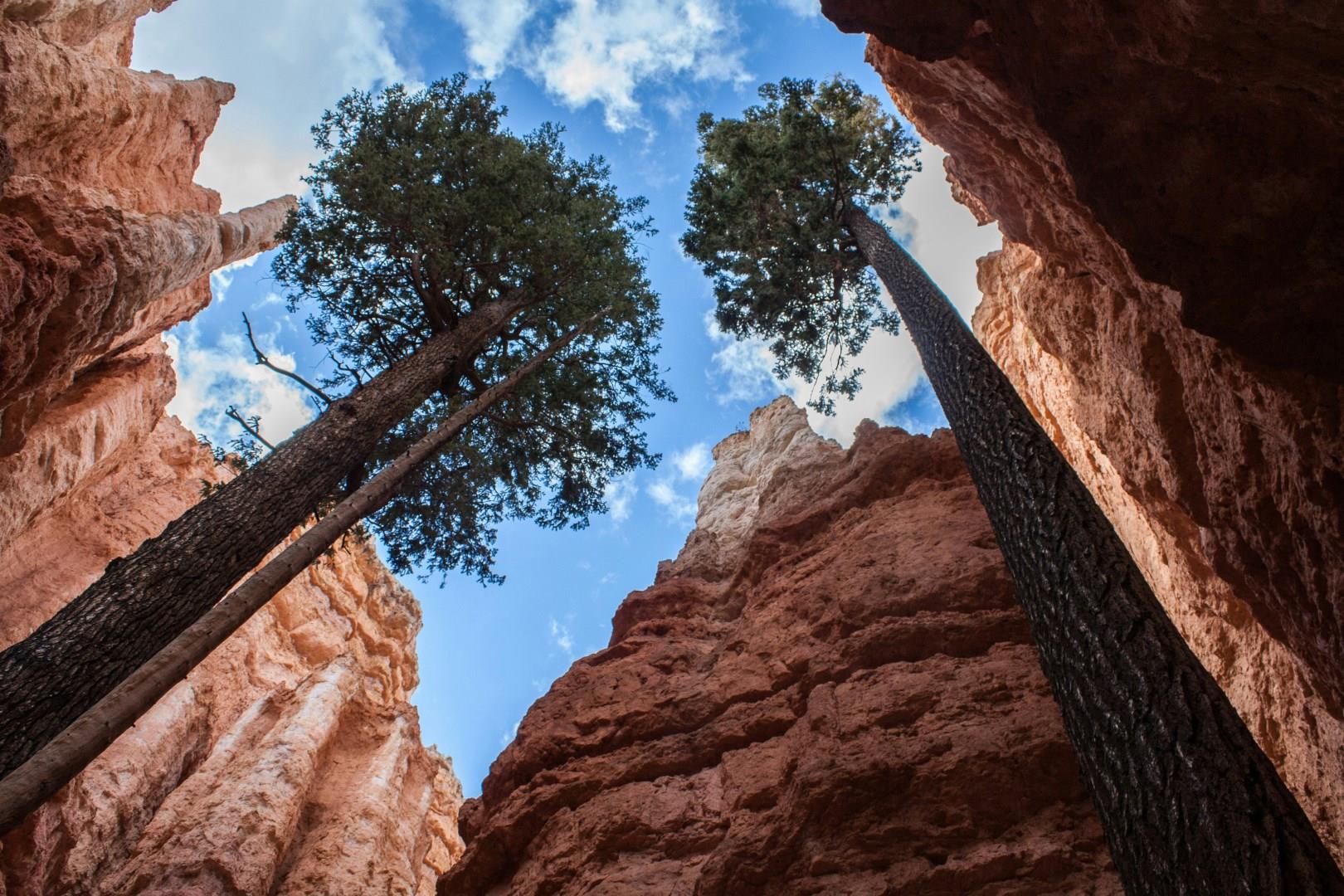
Bryce Canyon
Bryce Canyon, tucked into the high plateaus of southern Utah, offers one of the most unusual landscapes in the American Southwest. It’s not actually a canyon but a series of natural amphitheaters carved into the edge of the Paunsaugunt Plateau. What makes Bryce unique is its dense collection of hoodoos which are tall, thin spires of rock formed over millions of years by frost-wedging and erosion.
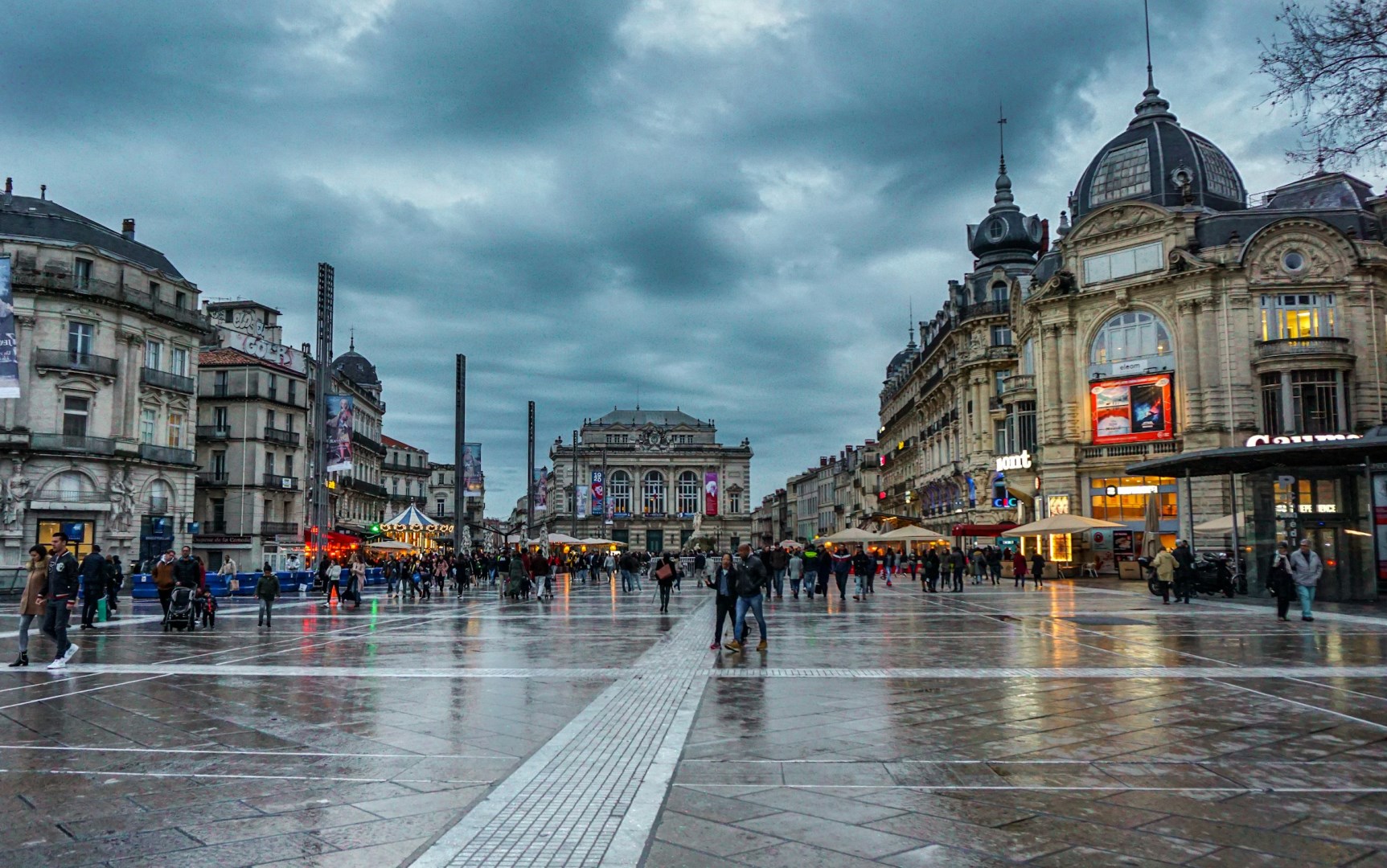
Montpellier
Located in southern France it is known as the "Oxford of France" for it famous medical university
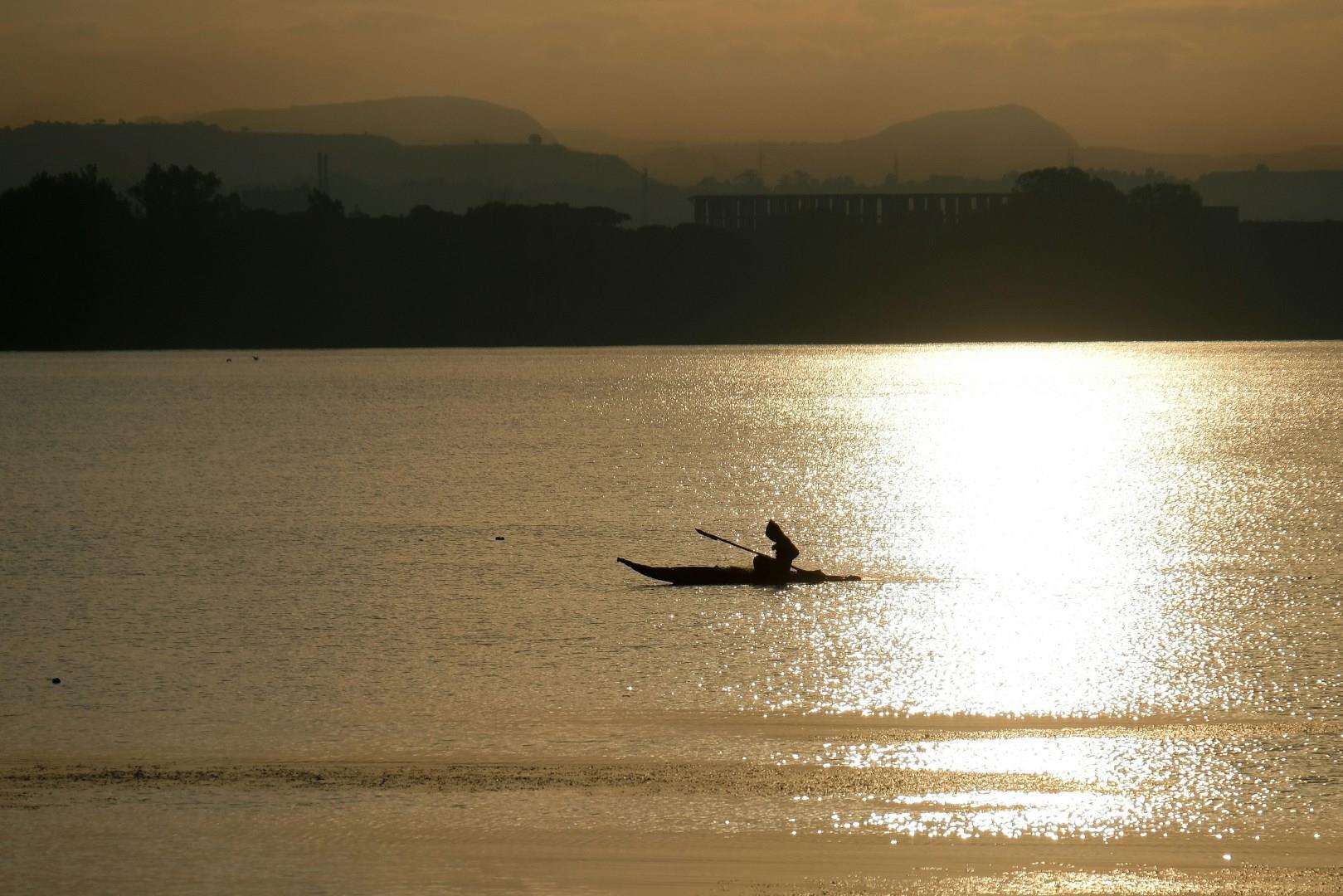
Lake Tana
Lake Tana, located in the northwest of Ethiopia, is the country’s largest freshwater lake and the source of the Blue Nile. Its calm waters are dotted with more than 30 islands, many of which are home to ancient monasteries adorned with religious paintings and manuscripts.
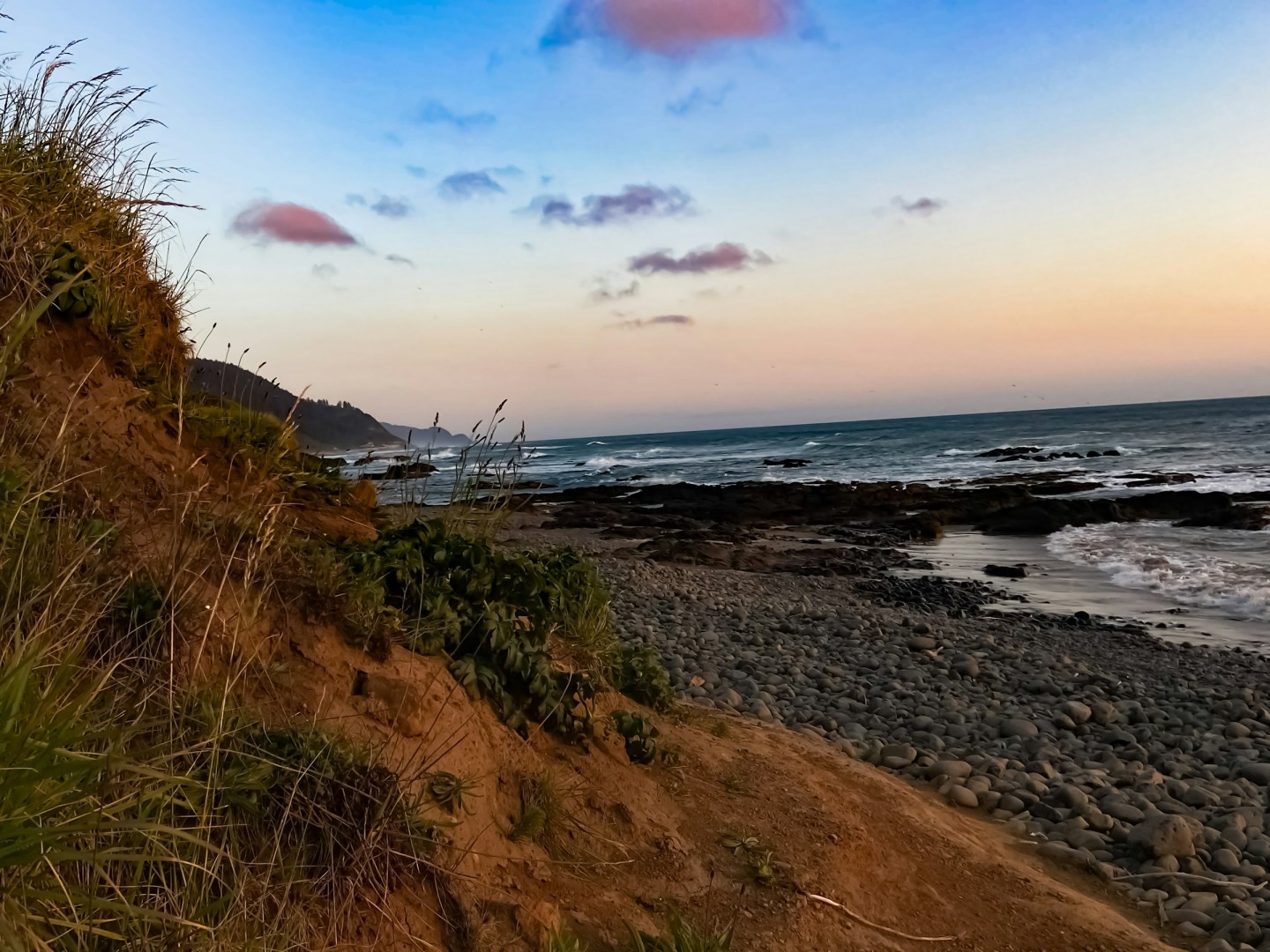
Yachats
Nestled along Oregon's rugged coast, Yachats is a picturesque town known for its dramatic ocean views and tranquil atmosphere. This charming coastal haven, often referred to as "The Gem of the Oregon Coast," offers an idyllic retreat for nature enthusiasts and tranquility seekers alike. Yachats' most notable feature is its dramatic coastline, characterized by rock formations, tidal pools, and the iconic Cape Perpetua Scenic Area, which provides breathtaking vantage points and a network of hiking
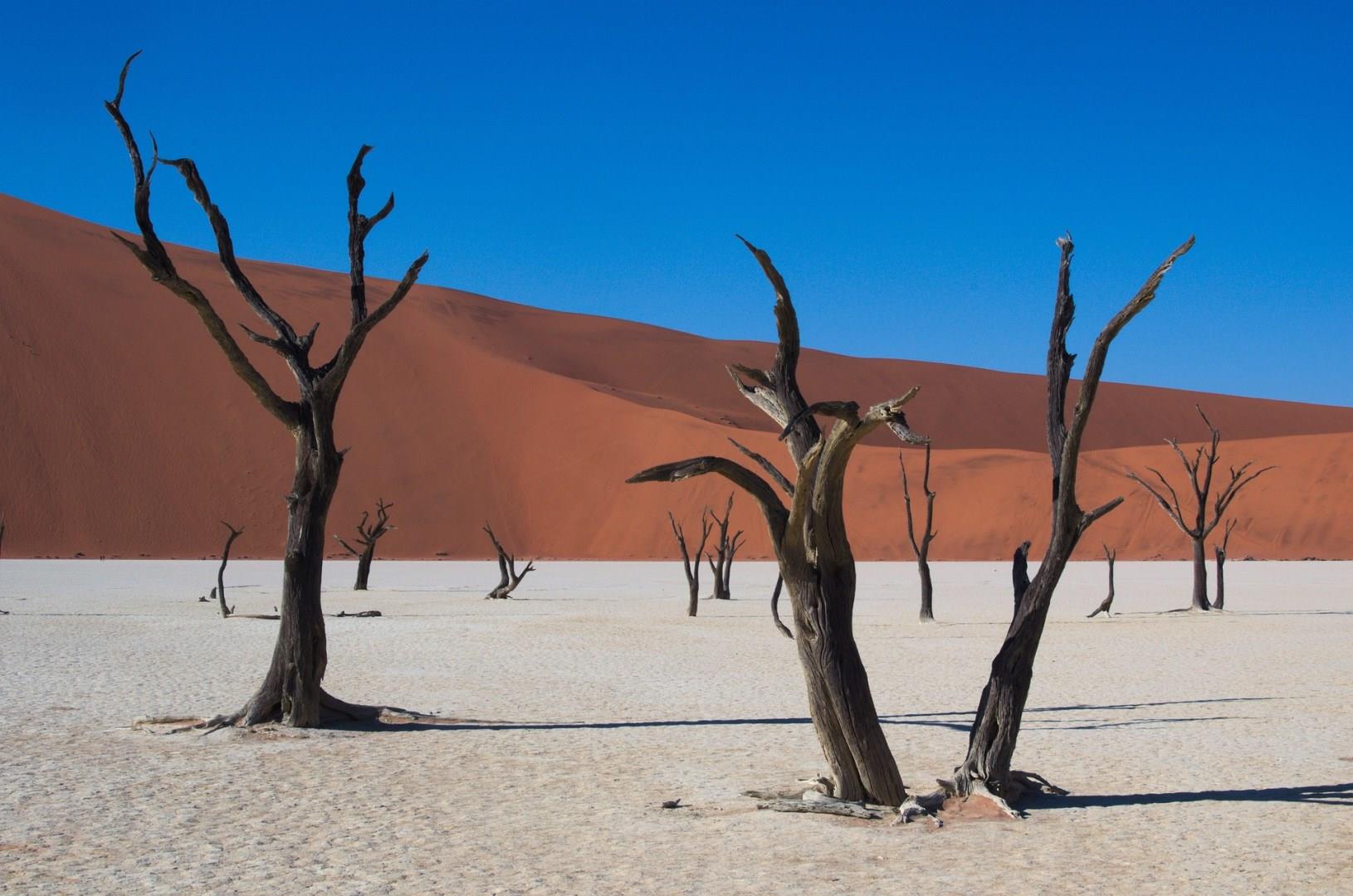
Deadvlei
Dramatic and otherworldly, Deadvlei in Namibia is one of the most surreal landscapes on the planet. Located within the Namib-Naukluft National Park, Deadvlei is a white clay pan that was once an oasis filled with acacia trees. Over 900 years ago, a shift in climate and the encroachment of the towering red sand dunes cut off the river that fed the pan, leaving behind a hauntingly beautiful scene of dead trees that have been perfectly preserved in the arid environment.
