

Calvi Corsica
Calvi, a picturesque gem on the northwest coast of Corsica, France, enchants visitors with its blend of rich history, rugged landscapes, and sparkling Mediterranean waters. This charming seaside town is dominated by its iconic citadel, a formidable 15th-century fortress that stands sentinel over the turquoise bay.
Porto Venere
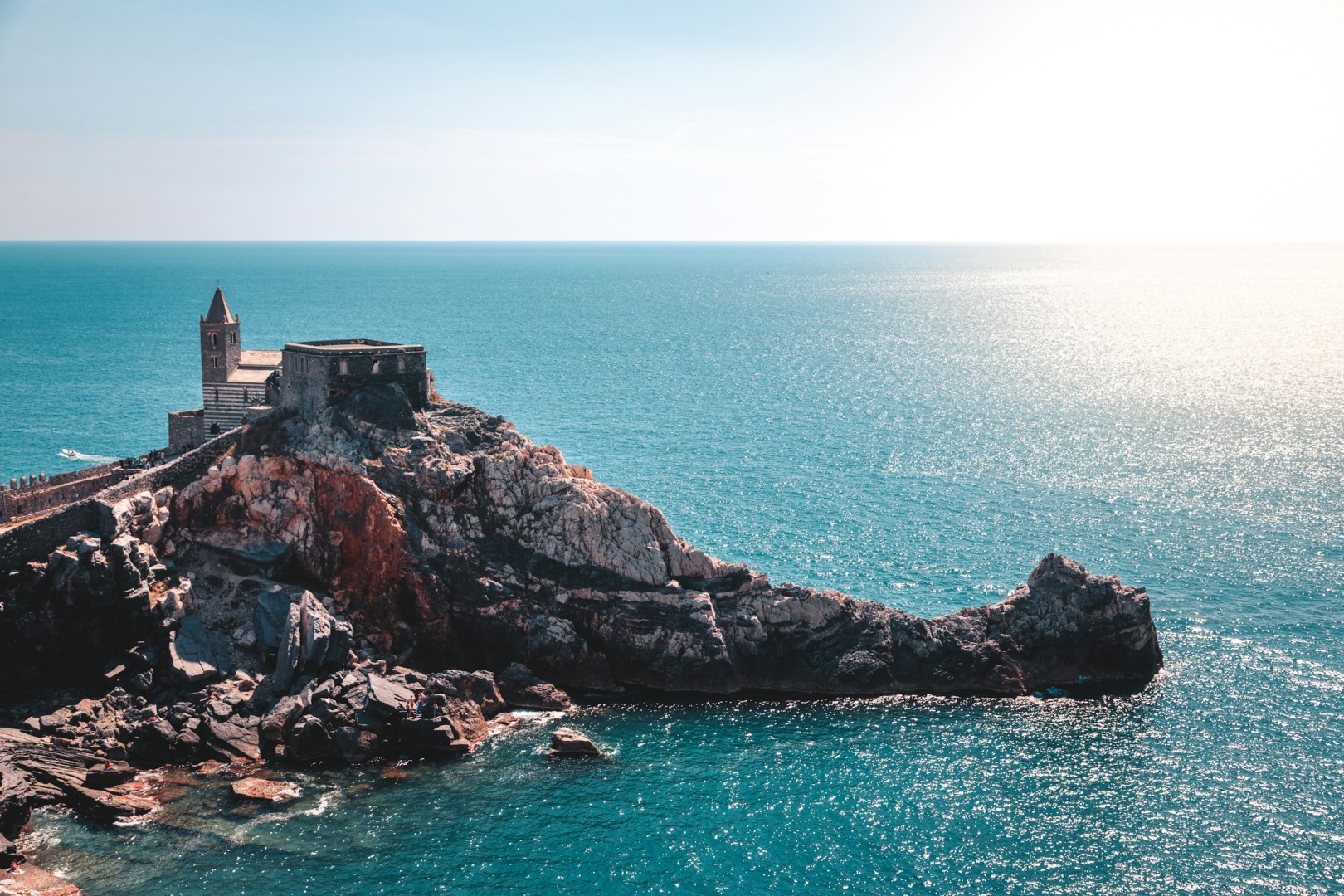
Porto Venere is a small coastal town on the Ligurian Sea in eastern Liguria, set on a rocky peninsula at the entrance to the Gulf of La Spezia. Its waterfront is lined with brightly colored houses, narrow lanes, and a small harbor, while steep cliffs rise behind the historic center. Offshore, the islands of Palmaria, Tino, and Tinetto form part of the same protected coastal landscape.

Mesa Verde National Park
Mesa Verde National Park, nestled in the southwestern corner of Colorado, offers an extraordinary journey into the ancient past of the Ancestral Puebloans. This UNESCO World Heritage Site is renowned for its remarkably well-preserved cliff dwellings, built into the sheer rock faces of the canyon walls.

Šiaulia
Šiauliai, often referred to as the "City of the Sun" due to its high number of sunny days, is a vibrant gem in northern Lithuania. The city's most iconic landmark is the Hill of Crosses, a profound site of pilgrimage adorned with thousands of crosses placed by visitors over the decades. This unique and moving monument, which has been recognized by UNESCO for its cultural significance, symbolizes the resilience and spirit of the Lithuanian people.
Mysore
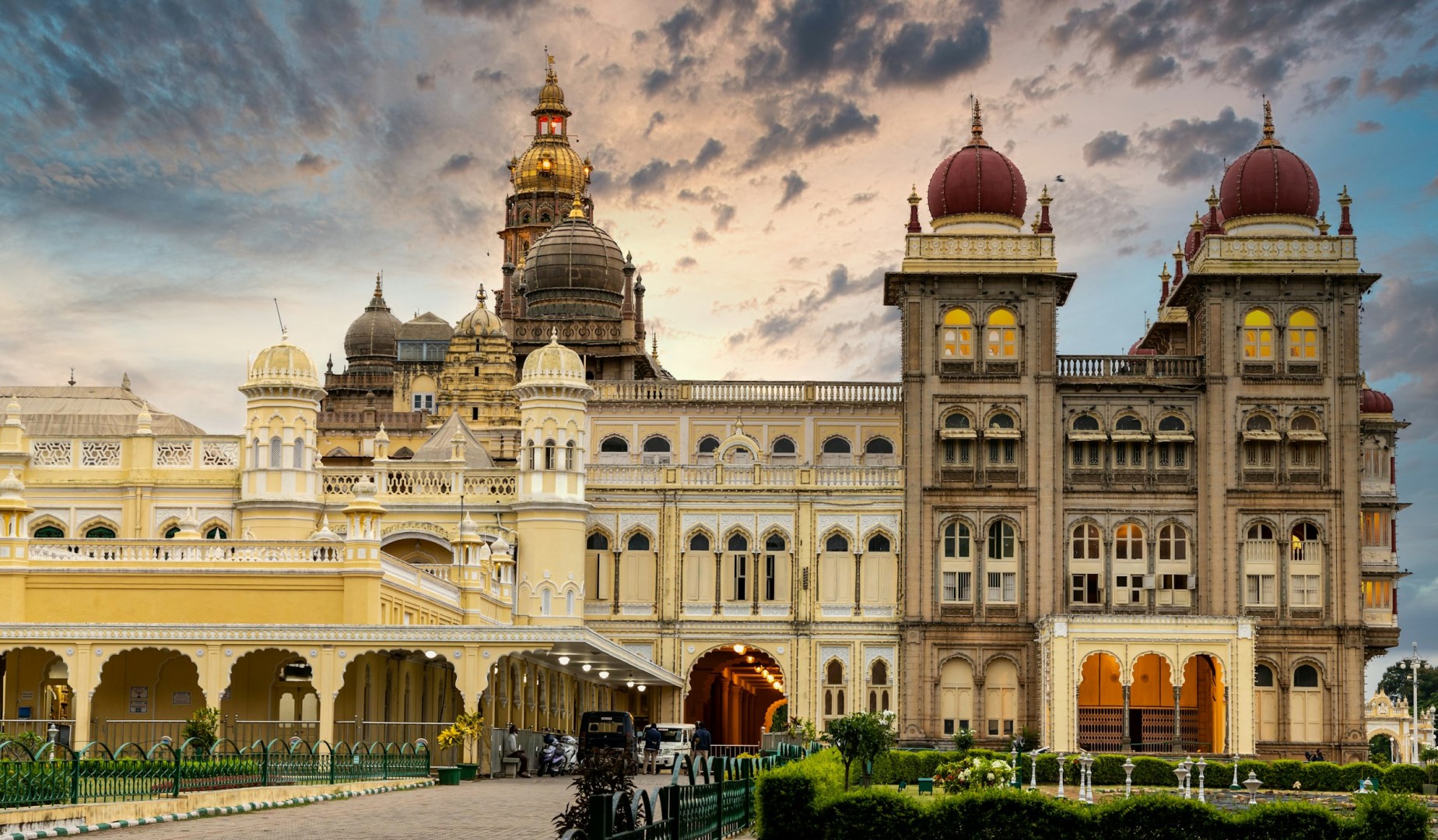
Mysore, often called the “Cultural Capital of Karnataka,” is a city where centuries-old royal heritage meets living tradition. Located at the foothills of the Chamundi Hills, it is best known for its palaces, wide boulevards, and colorful festivals. Once the seat of the Wadiyar dynasty, Mysore still carries an unmistakable royal influence that can be seen in its architecture, markets, and cultural celebrations.
