
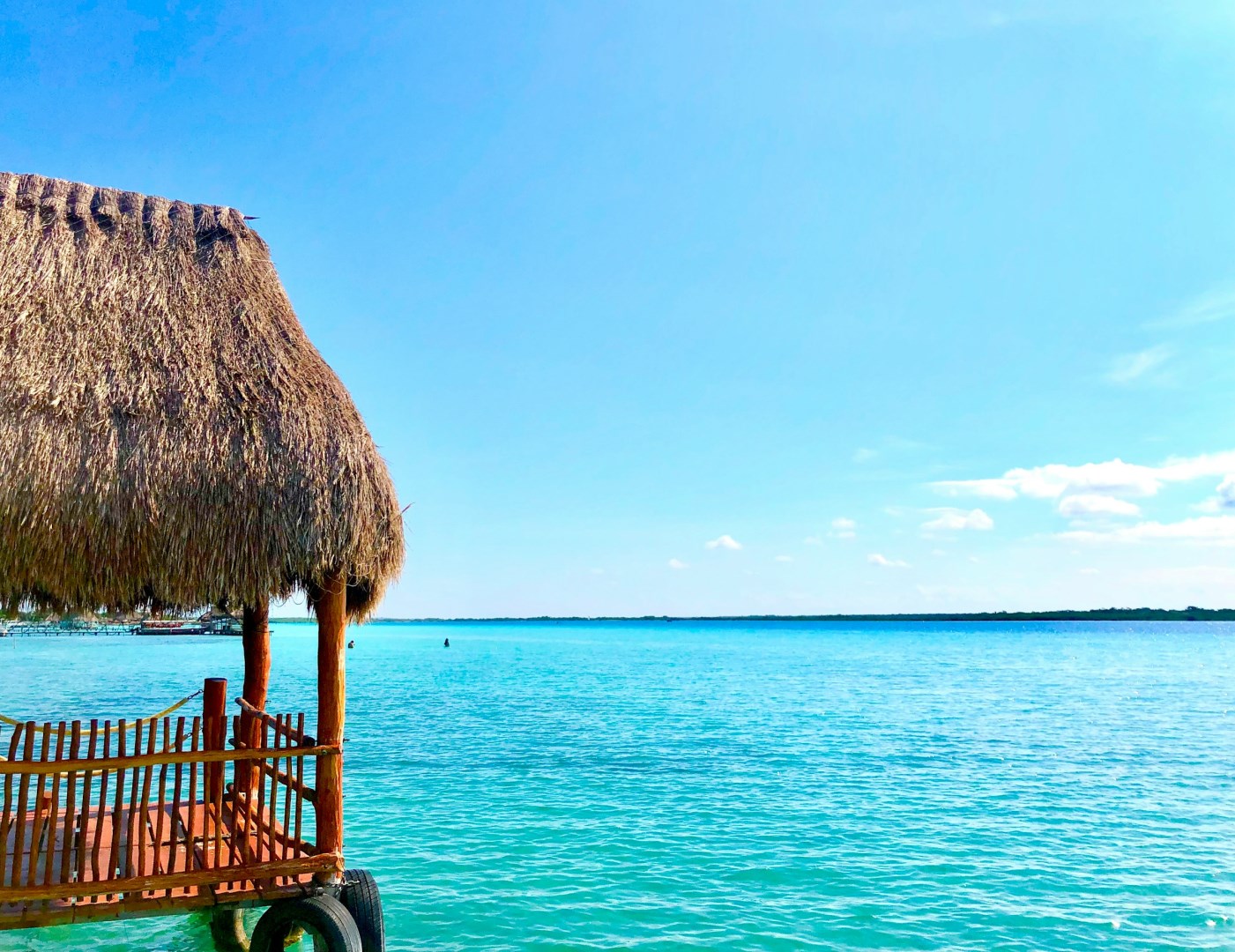
Bacalar
Bacalar sits on the tranquil shores of Laguna de Bacalar in southern Quintana Roo, Mexico, and has been a meeting place for people and cultures for centuries. Its name comes from the ancient Maya phrase Sian Ka’an Bakhalal, meaning “where the sky is born,” a reminder of how deeply this place figures in regional history and identity.

Ocean Cay
Formally called Ocean Cay MSC Marine Reserve, Ocean Cay is a private island only accessible to MSC Cruises guests. Activities include beachside lounging, snorkeling, paddle boarding, lighthouse climbing, dining, shopping and more.
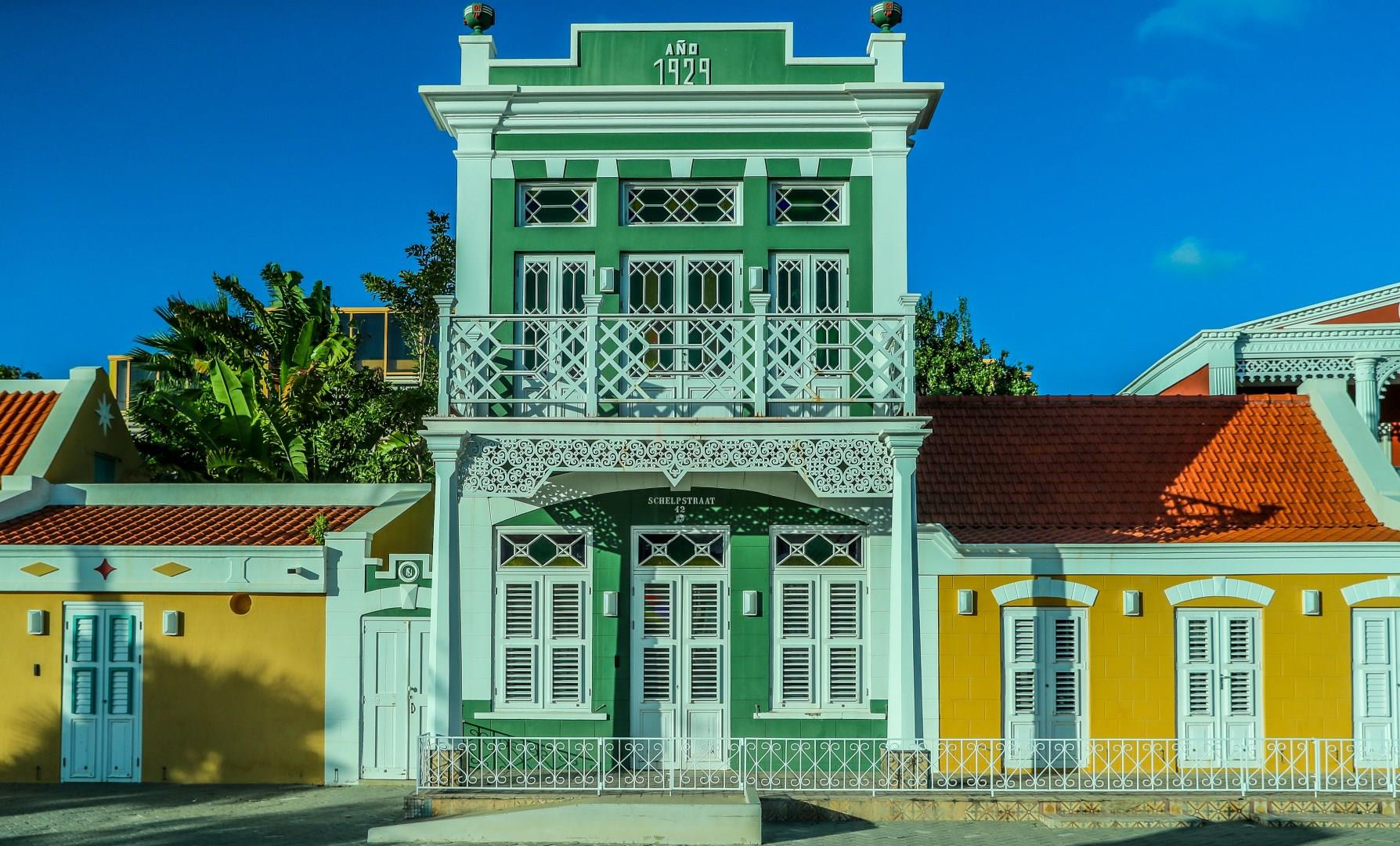
Oranjestad
Oranjestad, Aruba’s colorful capital, blends Dutch colonial charm with the island’s easygoing Caribbean character. The city’s pastel-painted buildings, adorned with gables and decorative facades, recall its Dutch heritage while housing modern boutiques, cafés, and museums.

Franz Josef Glacier
Accessible glacier located on New Zealand's South Island. Visitors can take guided hikes of Franz Jose to view its tunnels, crevasses and caves.
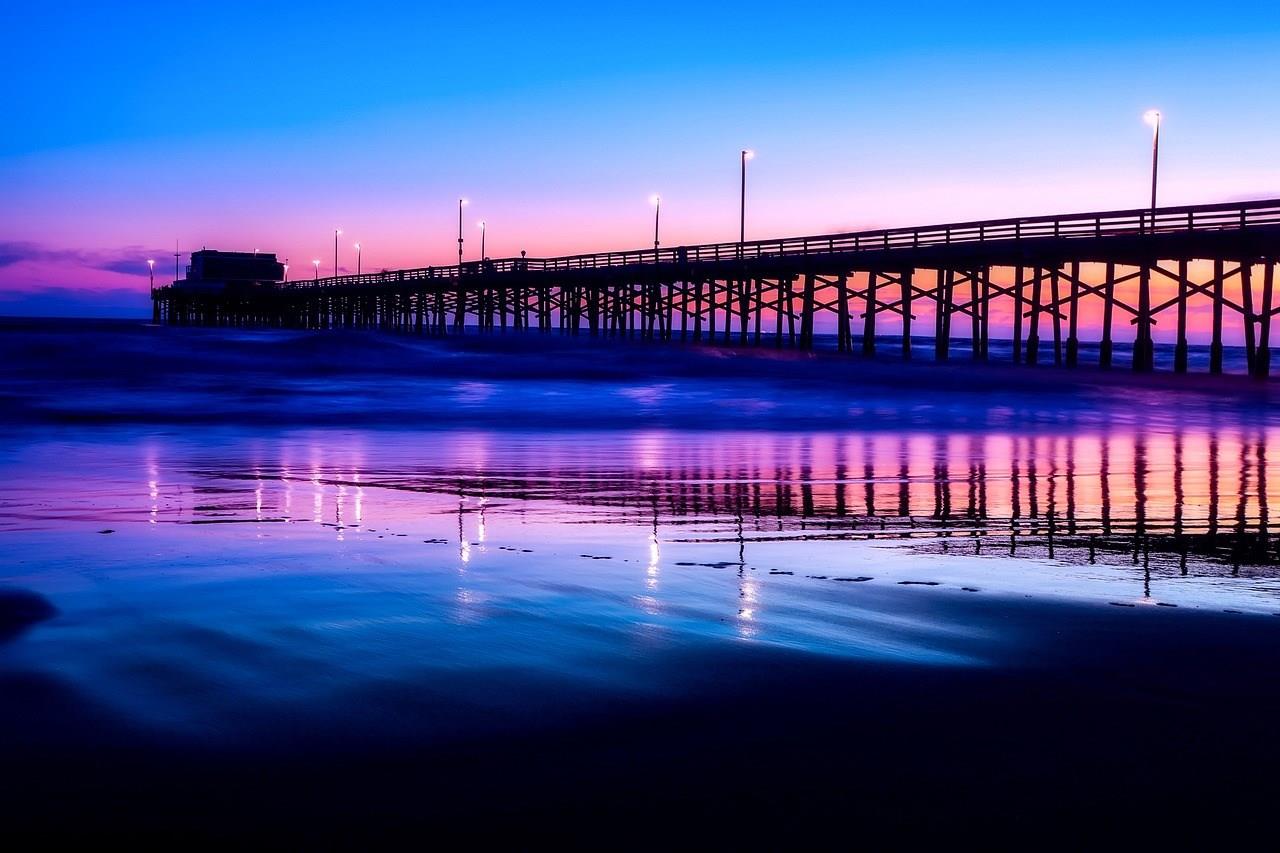
Newport Beach
Newport Beach, California, offers the quintessential Southern California experience, with its golden beaches, luxurious homes, and a laid-back yet upscale vibe. Nestled along the Orange County coastline, this sun-soaked destination is famous for its pristine beaches, including the iconic Newport Beach Pier, where visitors can enjoy surfing, sunbathing, or simply soaking in panoramic ocean views.
