
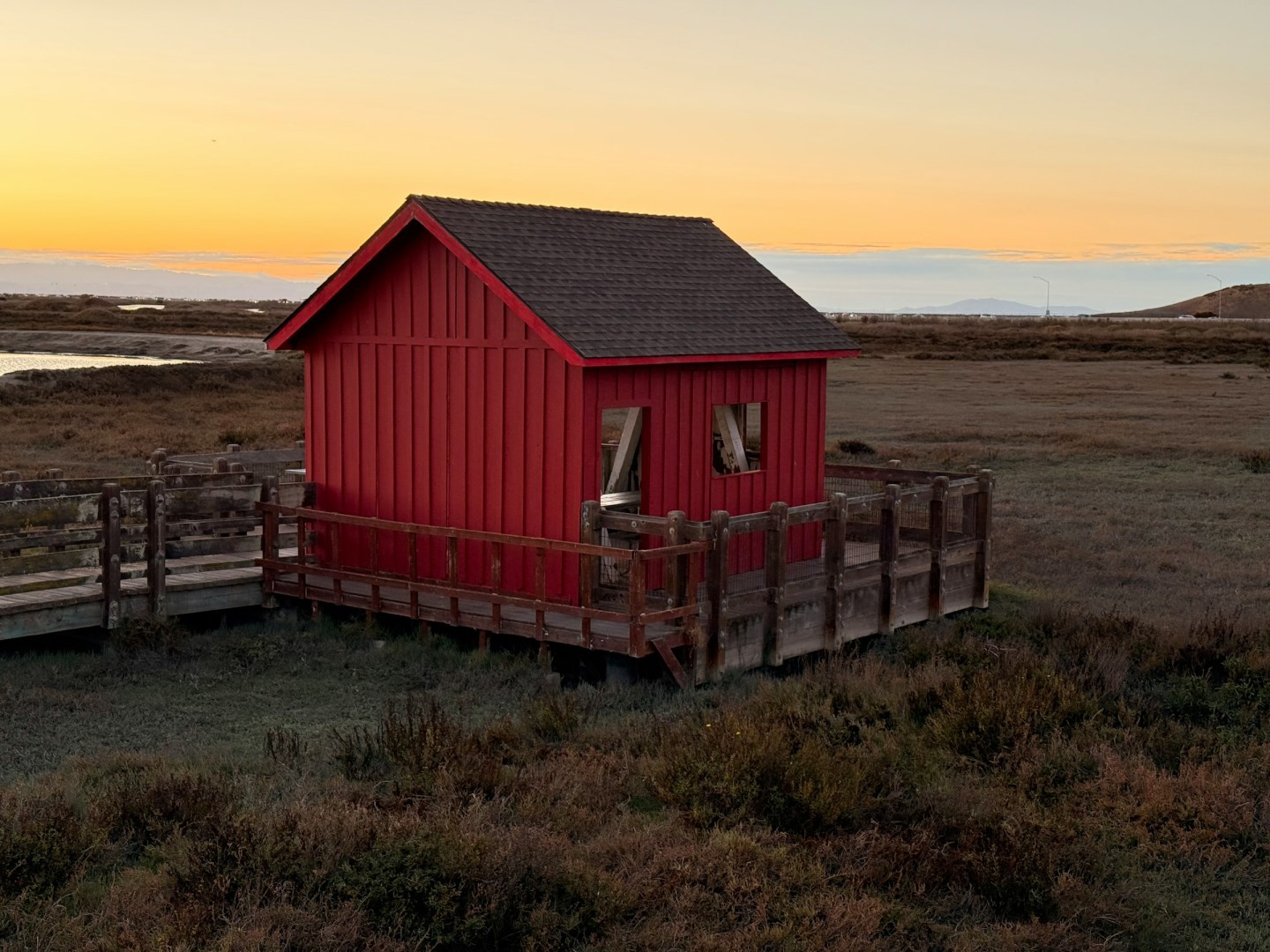
Newark
The City of Newark, located on the east side of the San Francisco Bay, is a diverse, well-balanced "home town." While part of one of the most dynamic urban areas in the world, with San Francisco and San Jose only 30-45 minutes away, Newark has a strong and proud spirit rooted in community values. The weather is great and our location can't be beat!
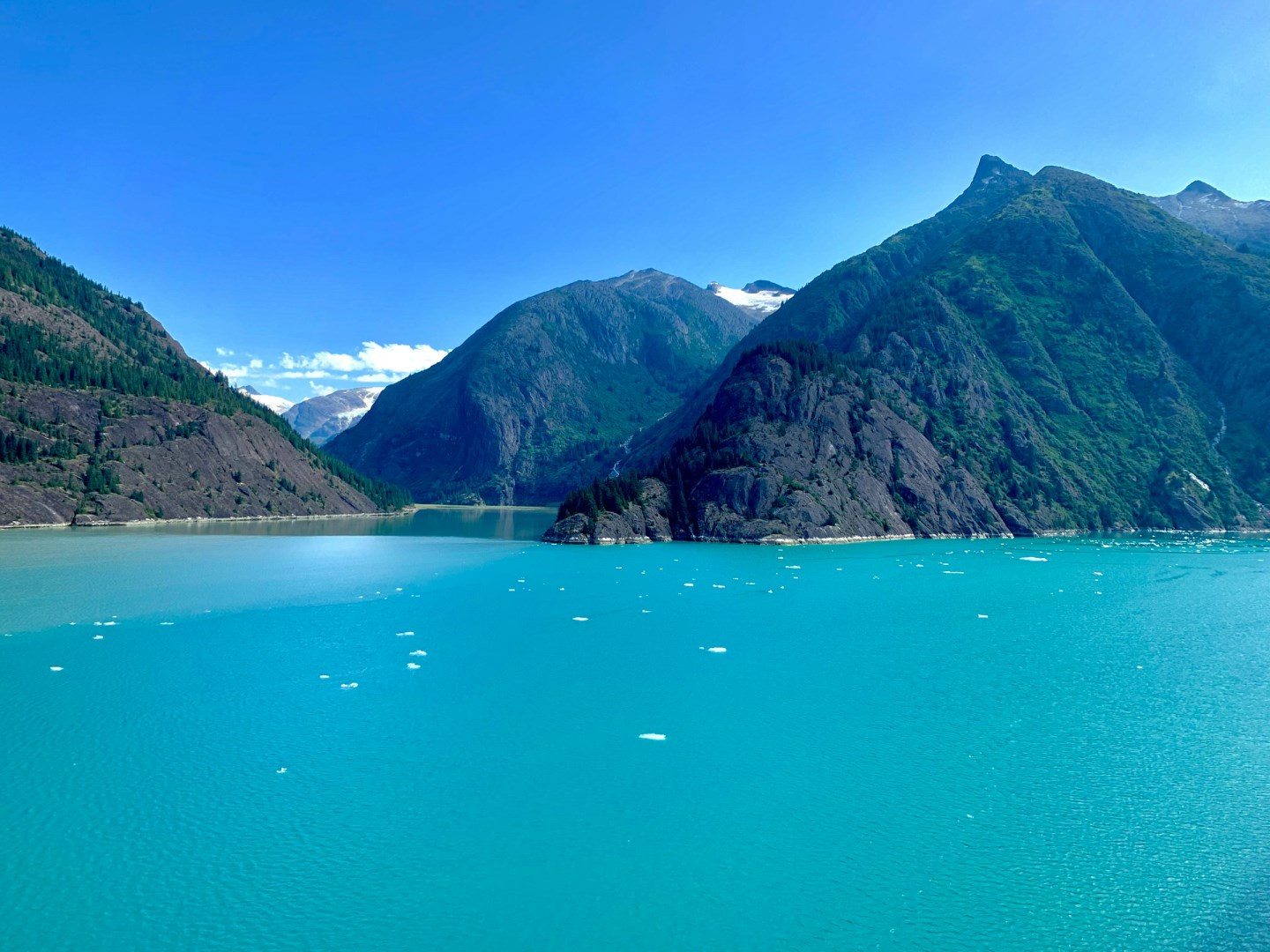
Hoonah
Hoonah, located on Chichagof Island in southeastern Alaska, is a small coastal community surrounded by breathtaking wilderness and rich Tlingit heritage. As Alaska’s largest Tlingit village, Hoonah is deeply connected to Indigenous traditions, storytelling, and respect for the natural world.
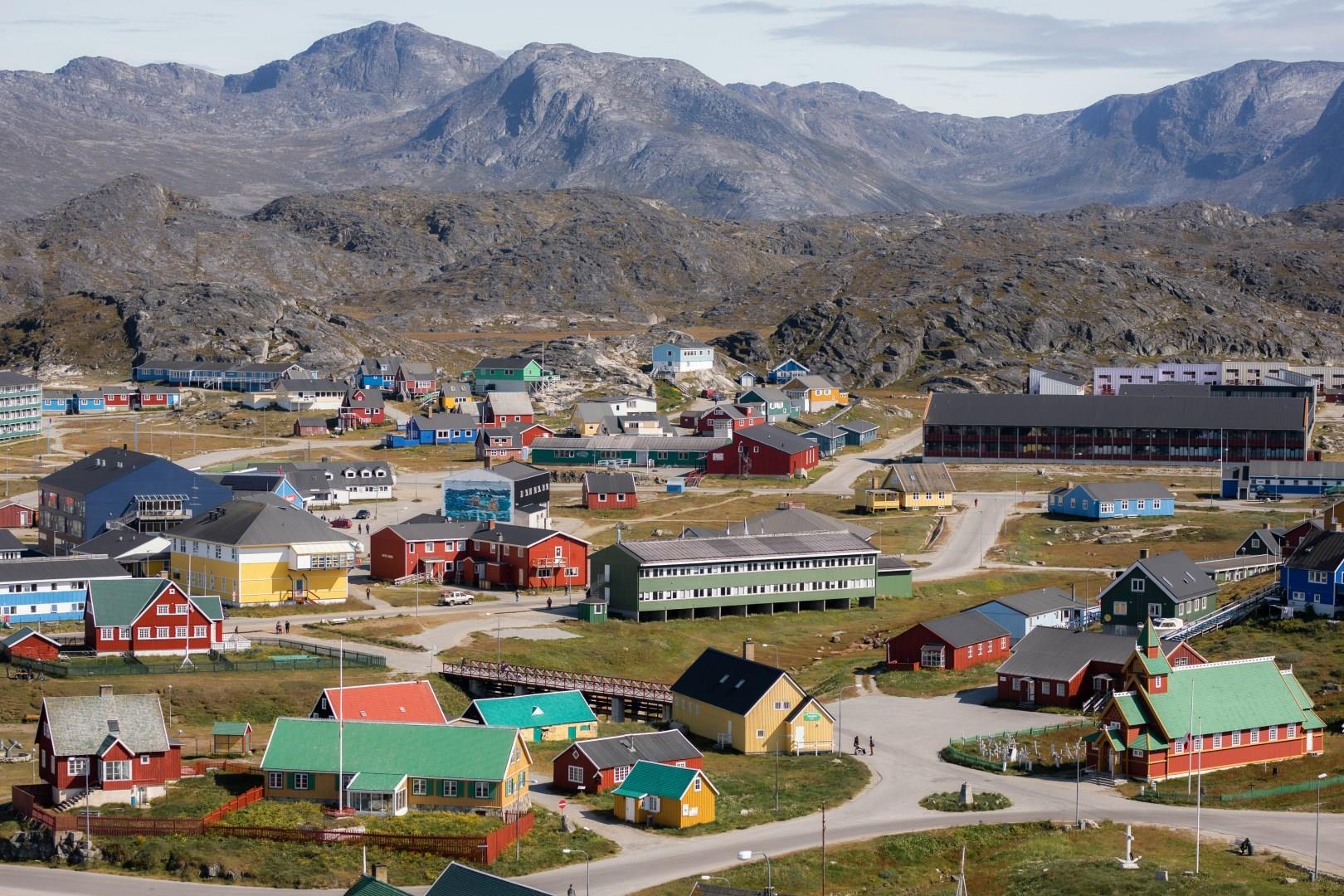
Paamiut
Paamiut lies on Greenland’s southwest coast, where the Labrador Sea meets a rocky, fjord-cut shoreline. Established in the 18th century as a Danish trading post and mission, the town developed around fishing and sealing, activities that continue to shape daily life.
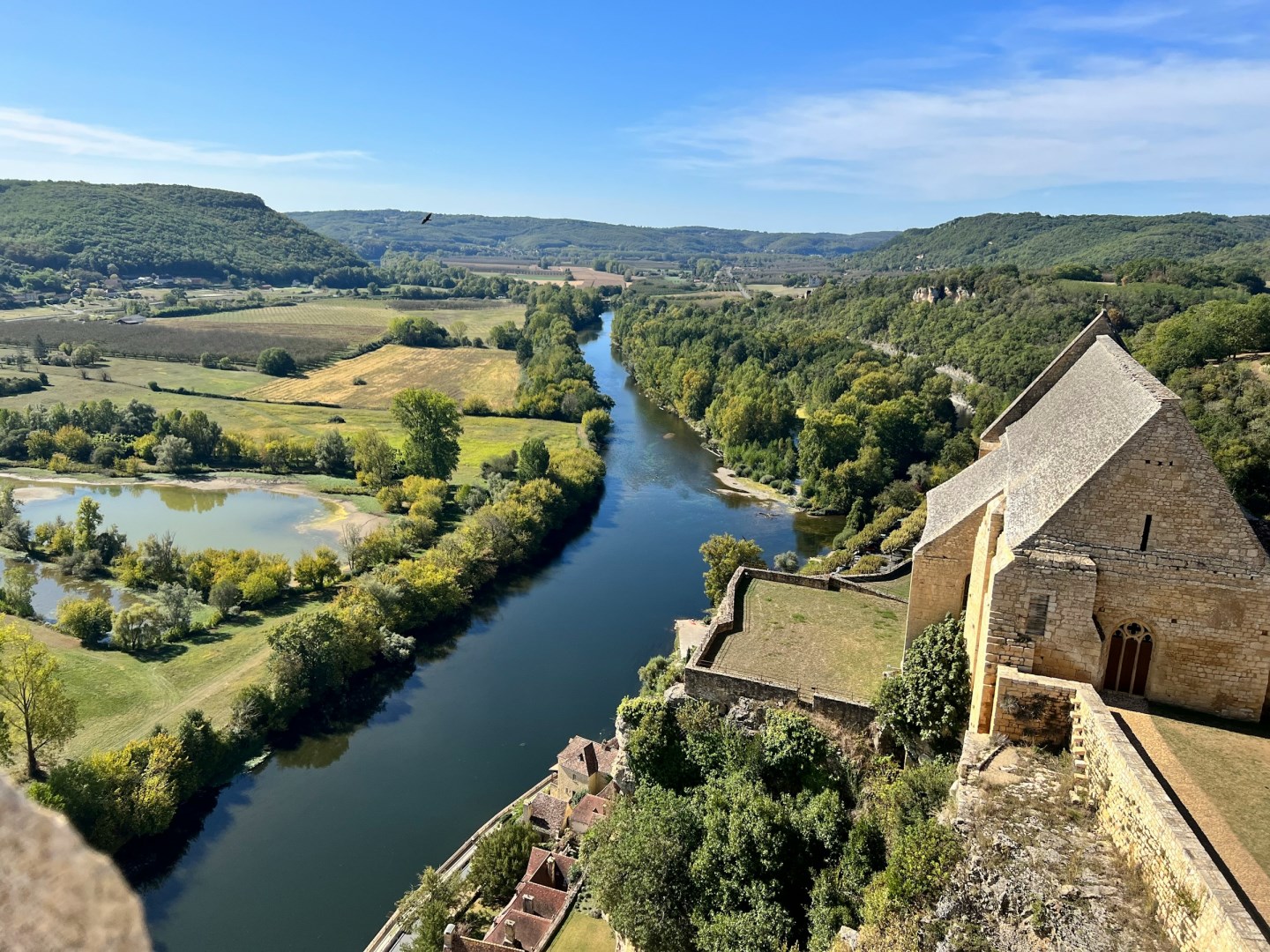
Dordogne
The British have long been associated with the Dordogne Valley. Fertile and green, this is where the 100 Year's War was fought. Many of the castles and "Bastides" were built by the British. The French say it is the land with "a little bit of everything", from a gentle river to lush pastures to wonderful wineries.
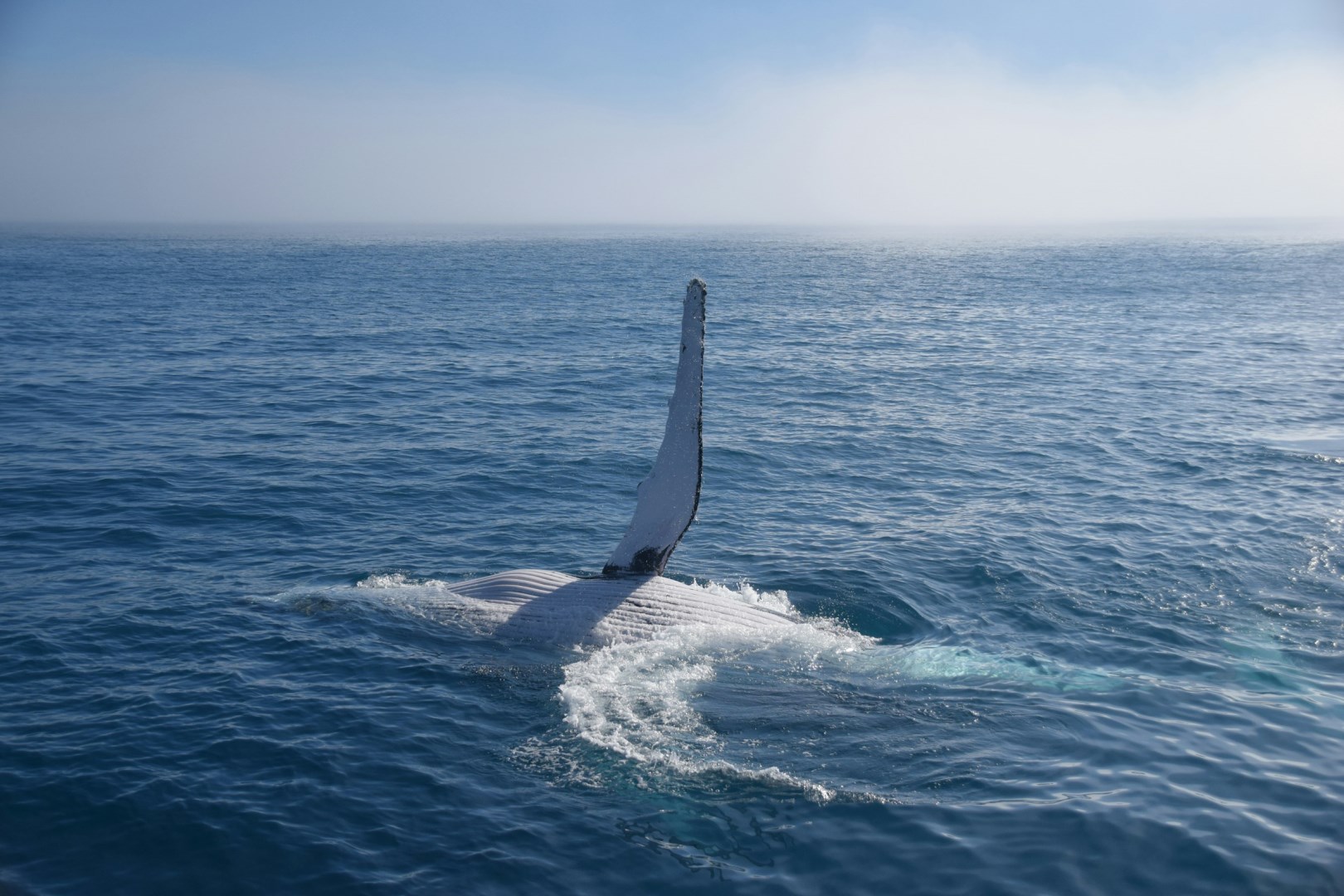
Hervey Bay
Hervey Bay, a rapidly expanding city, situated in sub tropical Queensland, is one of Australia's favorite holiday destinations. With a marvelous climate and wonderful calm water beaches ideal for swimming all year round , it is a well known aquatic playground. Whatever your needs may be: water sports tours of adjacent world heritage Fraser Island, fishing trips, coral viewing trips, diving, scenic flights, whale watching (August to October), or just relaxing, Hervey Bay is ideally situated.
