

Arctic Ocean
The Arctic Ocean, the world's smallest and shallowest ocean, offers a breathtaking and unique adventure for those seeking the grandeur of the polar regions. This icy expanse, bordered by Europe, Asia, and North America, is renowned for its stunning natural beauty and pristine landscapes.
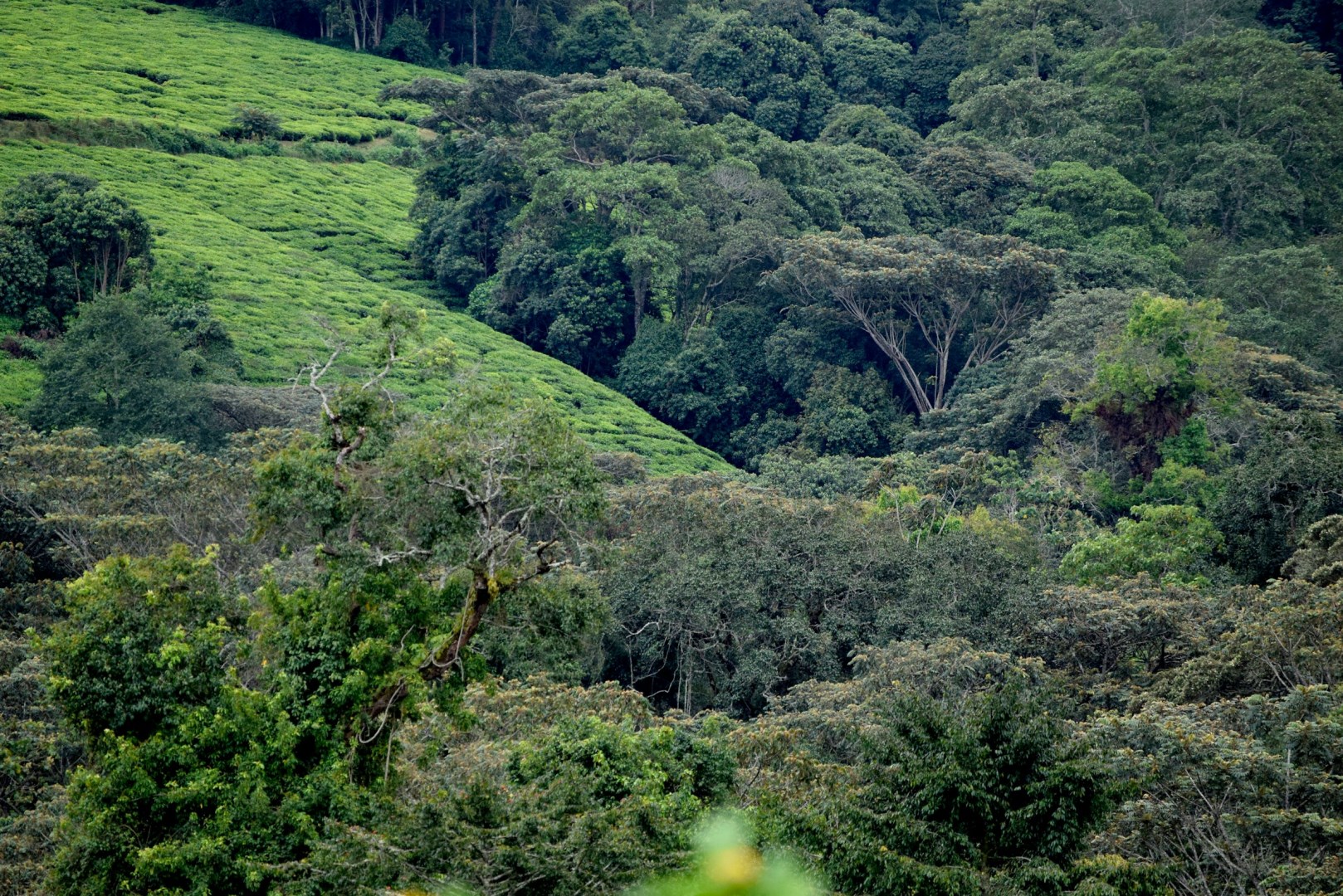
Kibira National Park
Kibira National Park is a large montane rainforest in northwestern Burundi, extending along the Congo-Nile Divide near the border with Rwanda. The park covers about 40,000 hectares and rises from roughly 1,500 to 2,660 metres, creating a cool, misty environment of dense forest, bamboo, streams, and mountain ridges
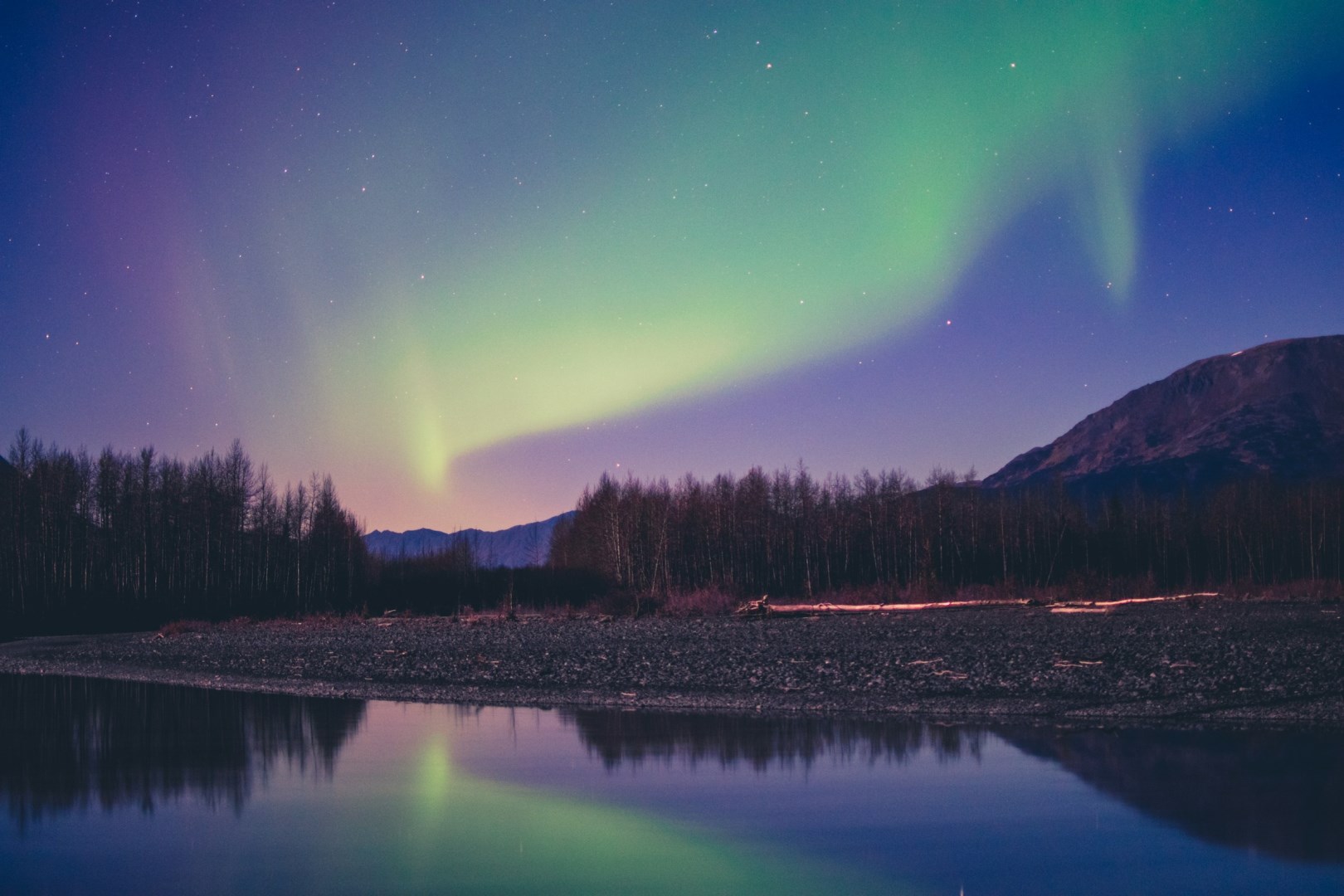
Portage Glacier
Portage Glacier, an hour's drive from Anchorage, is Alaska's most visited tourist attraction.
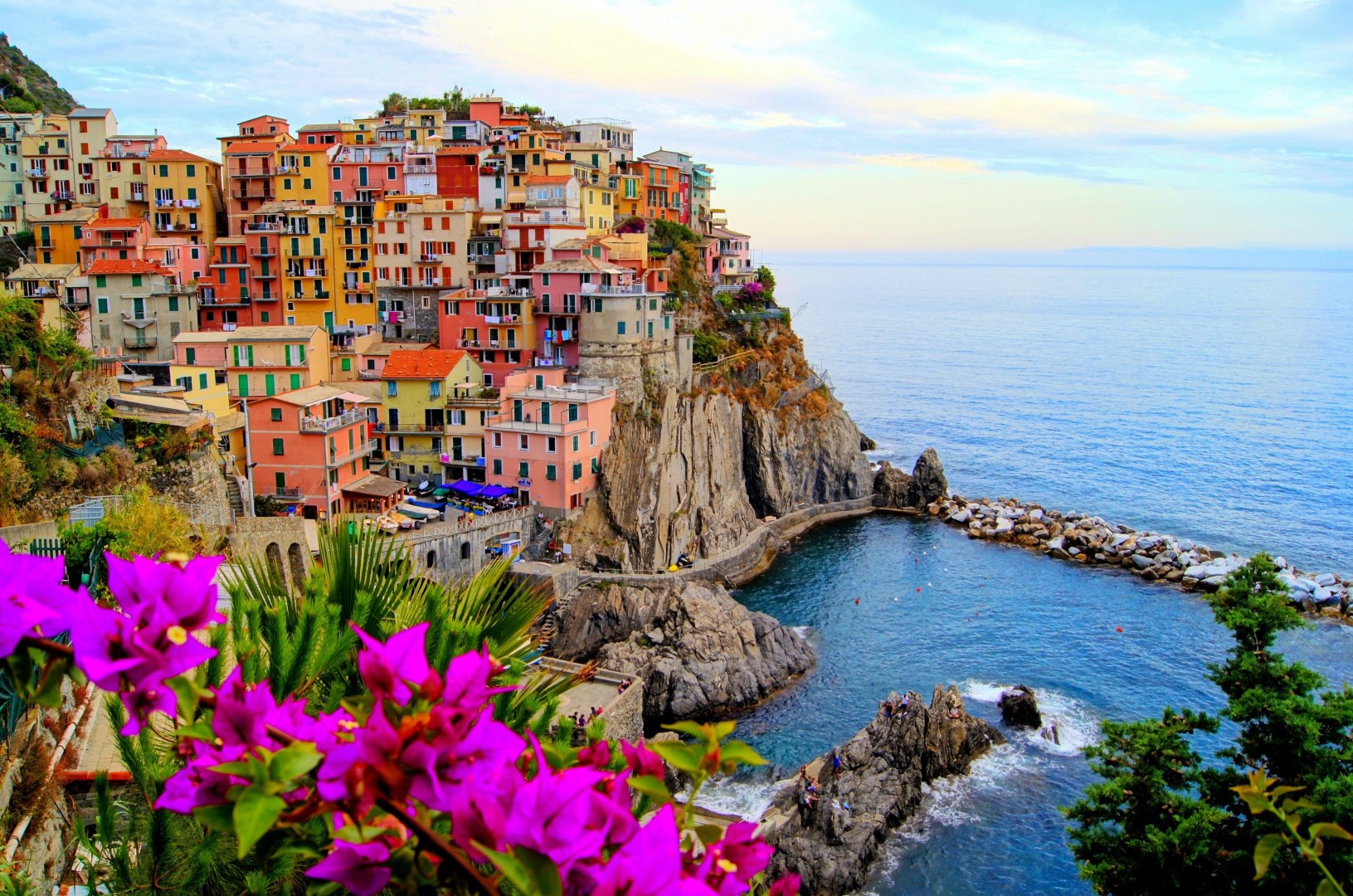
Italy
Italy is a destination that seamlessly blends history, art, and natural beauty, making it a dream for travelers from around the globe. From the ancient ruins of Rome, where you can walk in the footsteps of emperors and gladiators at the Colosseum and Roman Forum, to the Renaissance masterpieces of Florence, Italy offers an unparalleled cultural experience
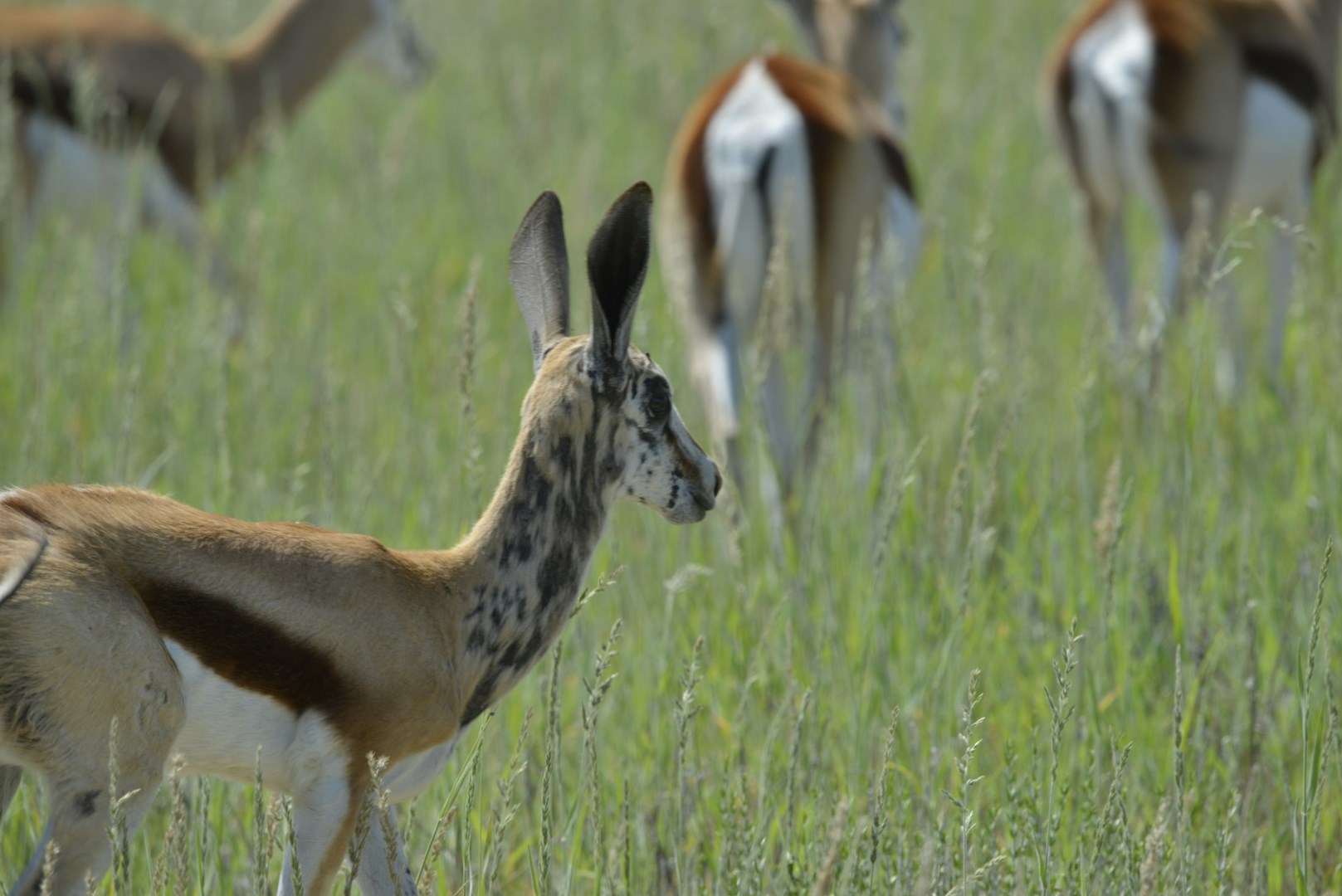
Kgalagadi Transfrontier Park
Kgalagadi Transfrontier Park is a large protected area spanning the border between South Africa and Botswana in the southern Kalahari. It combines red sand dunes, dry riverbeds, grass-covered plains, and scattered camel thorn trees across a semi-arid landscape. The park is managed cooperatively by the two countries, allowing wildlife to move across the international boundary without fences.
