
Evora
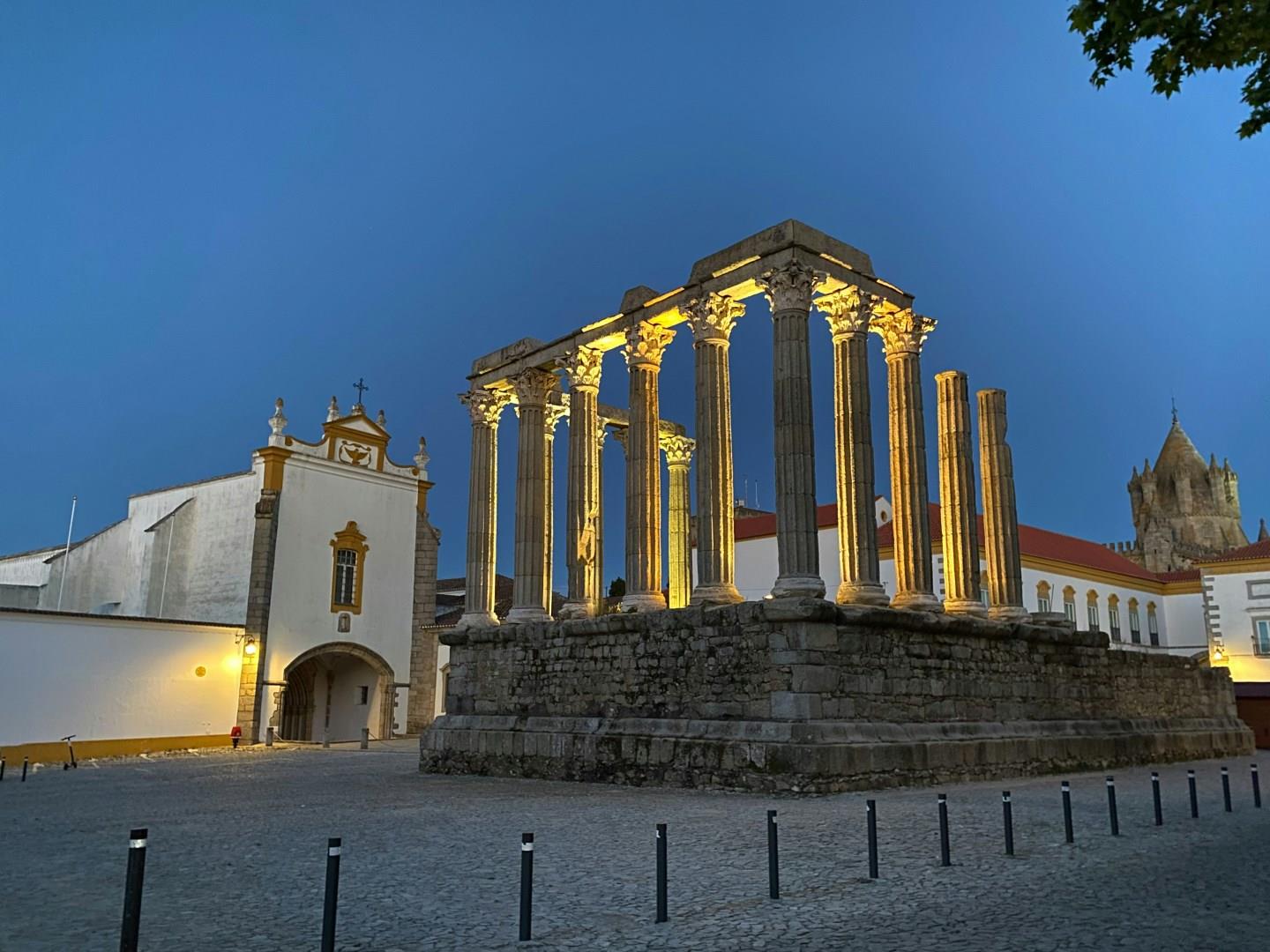
Évora, in Portugal’s Alentejo region, feels like stepping into a story that spans more than two thousand years. Its Historic Centre was named a UNESCO World Heritage Site for good reason with its ancient walls, homes with wrought-iron balconies, and narrow streets quietly preserve traces of Roman, Moorish, and medieval life. Beyond architecture and monuments, Évora reveals lesser-known treasures that reward exploration.

Eryri National Park (Snowdonia)
Snowdonia, a majestic national park in North Wales, offers a stunning tapestry of natural beauty and adventure. At its heart is Mount Snowdon, the highest peak in Wales, reaching 1,085 meters (3,560 feet). The mountain is accessible via several well-marked trails, with the Snowdon Mountain Railway providing a scenic ride to the summit. From the top, panoramic views stretch over rugged landscapes and, on clear days, to the distant peaks of Ireland.
São Paulo
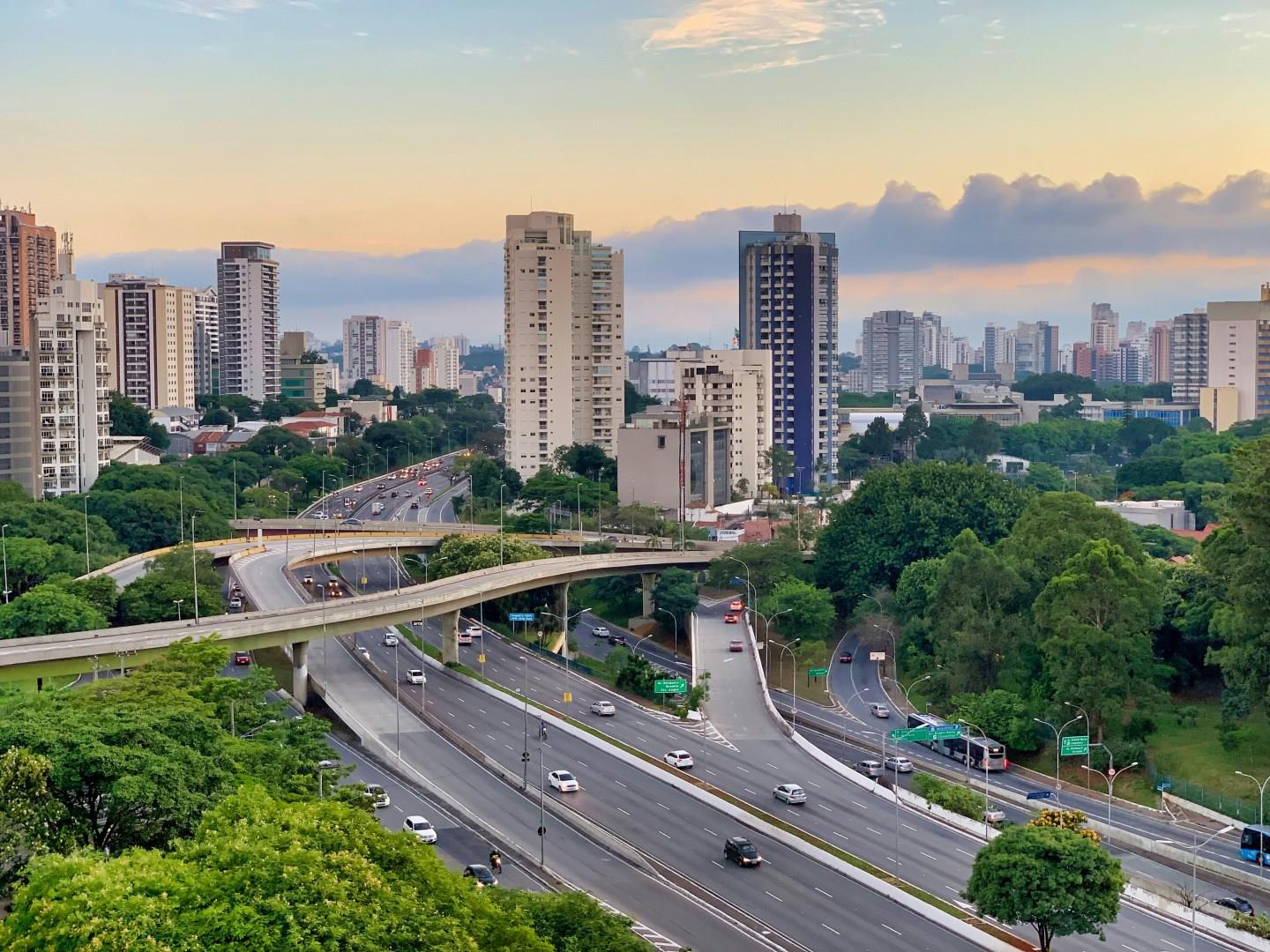
Sao Paulo is Brazil’s largest city and its economic engine, shaped by waves of migration that began in the late 19th century and never truly slowed. Italians, Japanese, Lebanese, and migrants from across Brazil all left visible marks on the city’s neighborhoods, food, and cultural life.
Santos
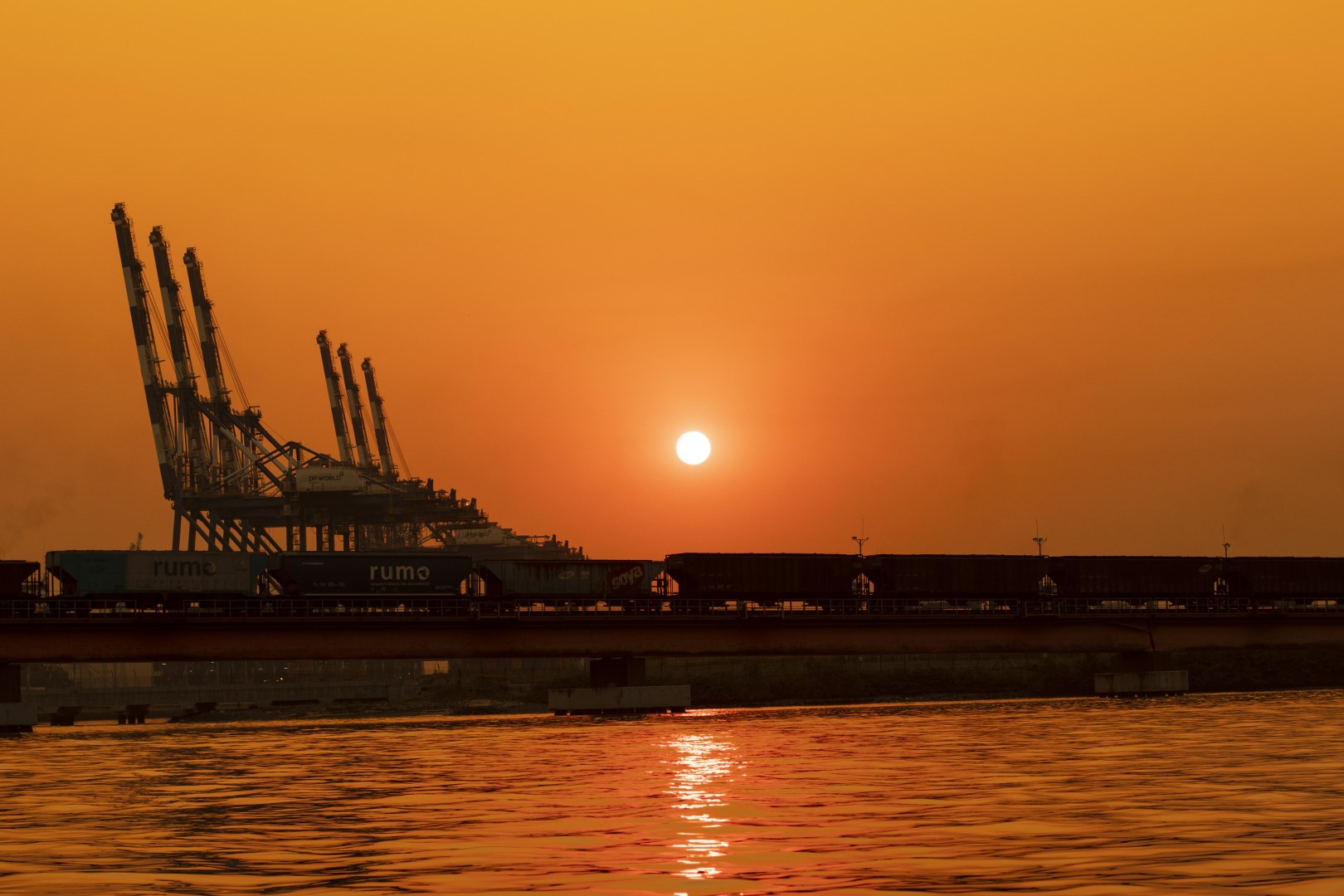
Santos is a coastal city in the state of São Paulo, Brazil, located on São Vicente Island along the Atlantic Ocean. It is best known as the home of the Port of Santos, the largest port in Latin America and one of the most important shipping centers in the Southern Hemisphere.
Karlstad
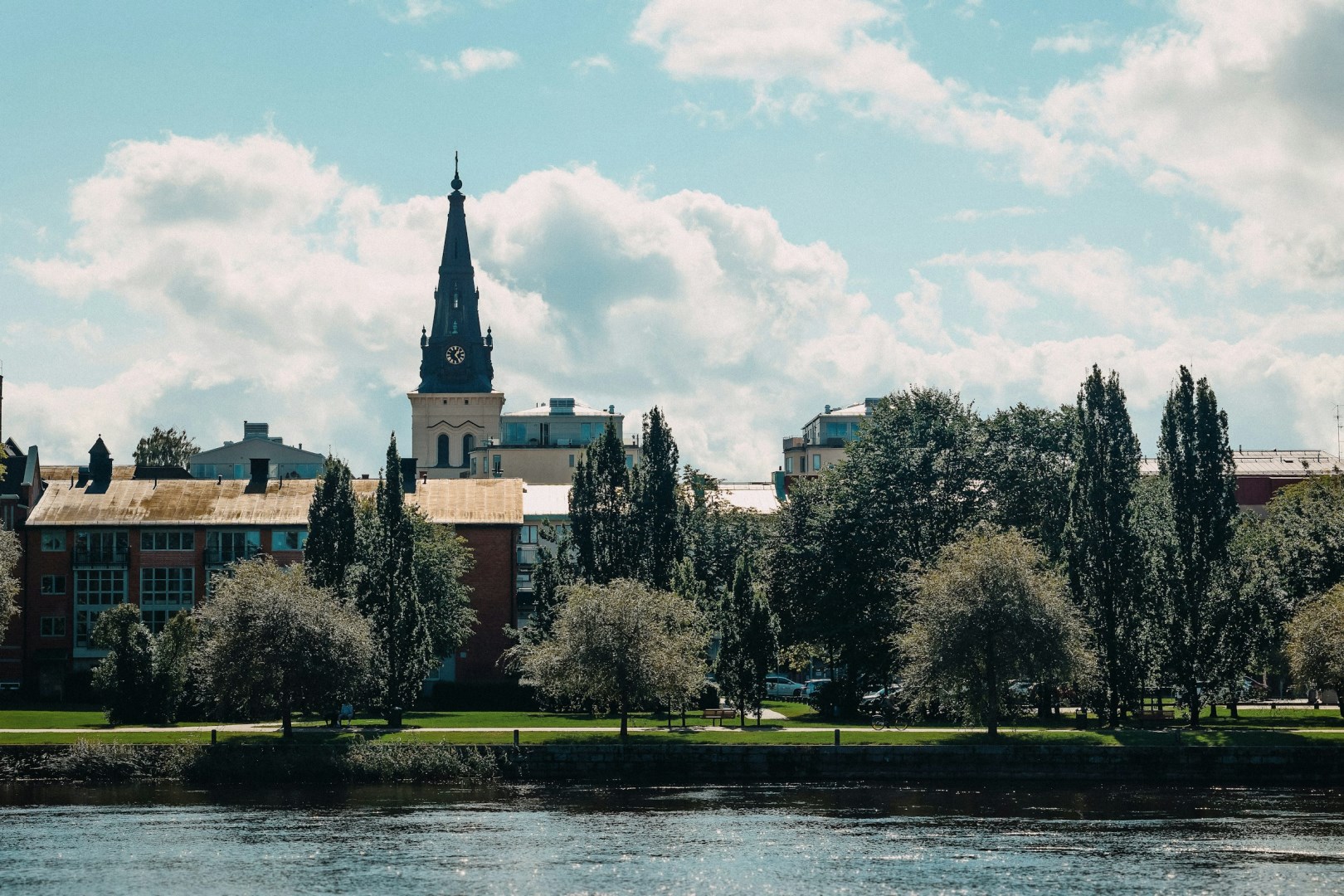
Karlstad, Sweden, is a city that elegantly combines natural beauty with cultural charm. Situated on the banks of Lake Vänern, Sweden’s largest lake, Karlstad is renowned for its picturesque waterfront and abundant sunshine. The city’s Värmlands Museum provides an enriching experience with its exhibits on local history, art, and the region's unique cultural heritage.
