
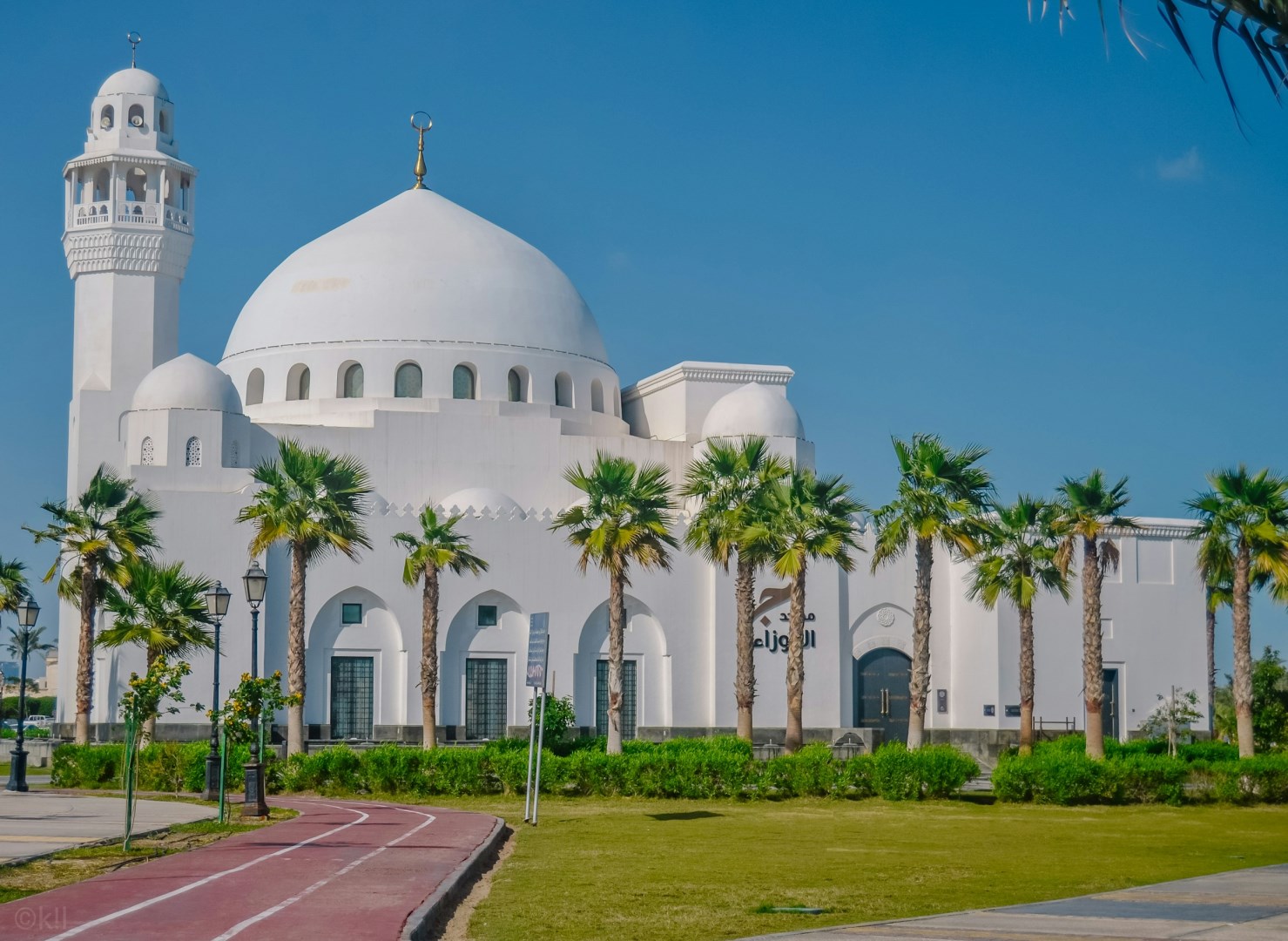
Dammam
Dammam, the capital of Saudi Arabia’s Eastern Province, stands as a vibrant coastal city overlooking the tranquil waters of the Arabian Gulf. Once a modest fishing village, it has transformed into a major commercial and industrial hub, central to the Kingdom’s oil industry and maritime trade.
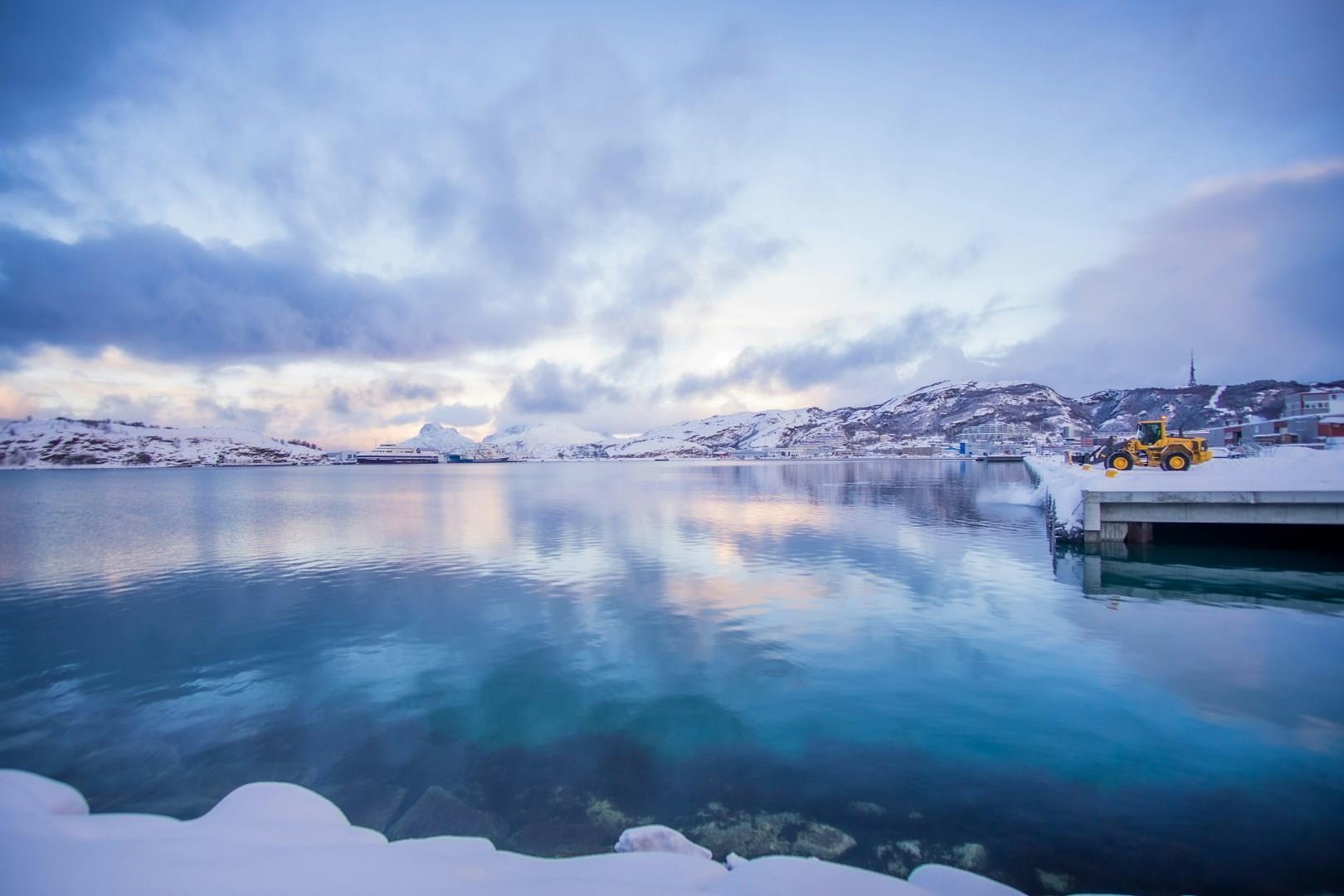
Bodø
Bodø, located just north of the Arctic Circle, is a coastal city where dramatic landscapes meet a surprising blend of modern culture and outdoor access. As the largest town in the Nordland region of Norway, Bodø has become a key stop along the Norwegian Scenic Route and a gateway to the Lofoten Islands. Located just a short drive away, the Saltstraumen maelstrom, which is one of the world’s strongest tidal currents, visitors can watch whirlpools form in the sea with astonishing power.
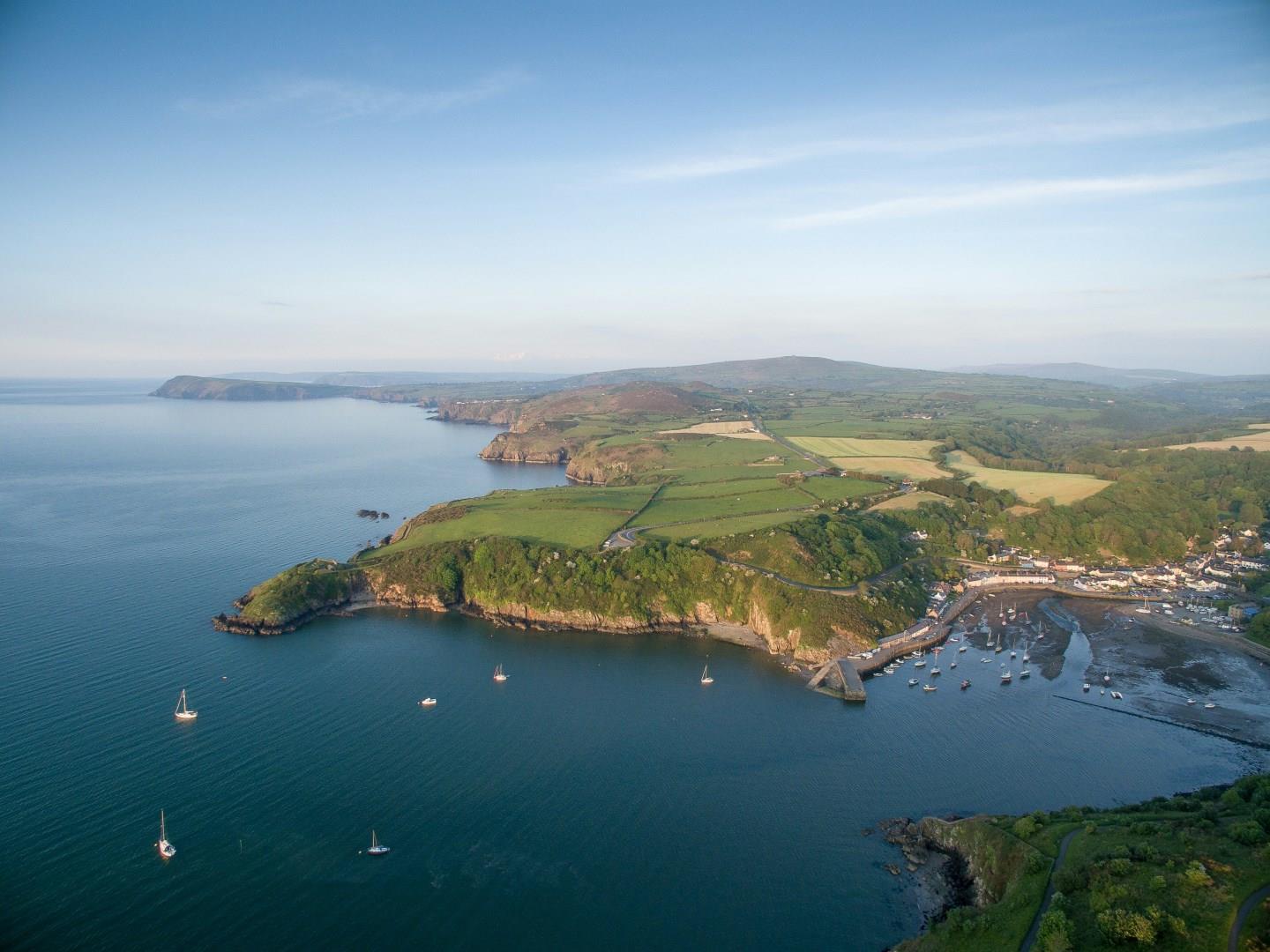
Fishguard
Fishguard, a coastal town in north Pembrokeshire, is divided into two parts: Fishguard and Lower Town. Lower Town is a small harbor nestled at the mouth of the River Gwaun, lined with fishing cottages and boats. It has served as a filming location for several productions, including the 1956 movie *Moby Dick* starring Gregory Peck. Visitors can walk the quayside, explore rock pools at low tide, or take boat trips along the Pembrokeshire Coast.

Central America
From the Caribbean Sea on one side to the Pacific Ocean on the other, Central America is home to lush rainforests, volcanic peaks, and vibrant coastal towns.
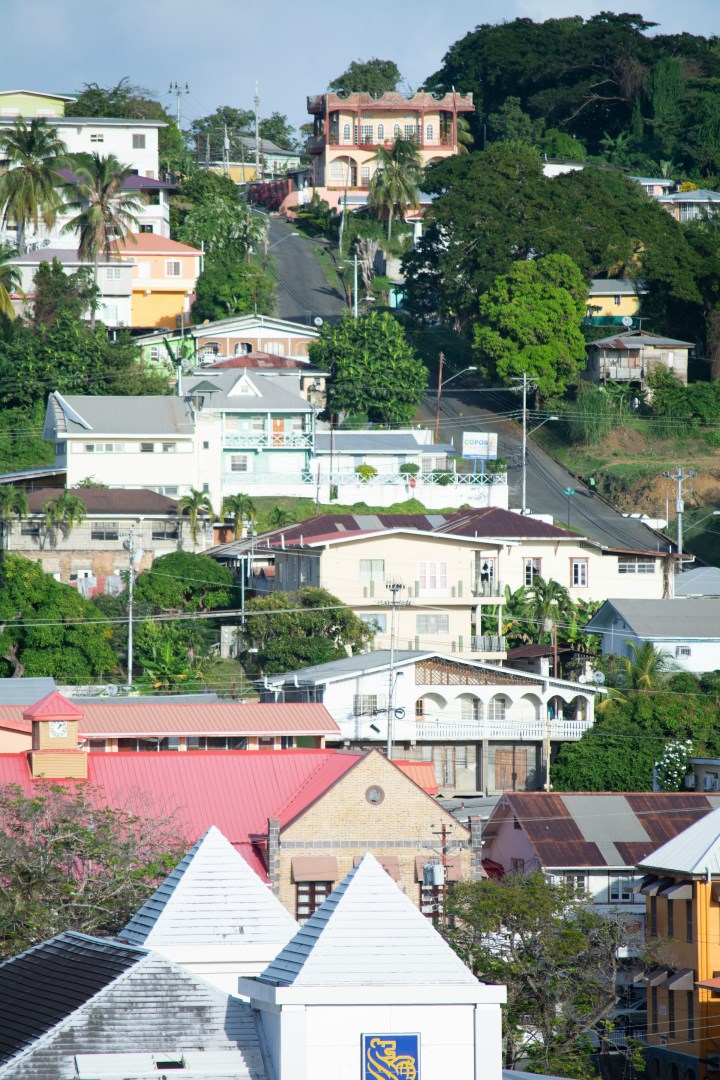
Scarborough
Blanketed from end to end in luxuriant greenery and brightly colored flowers, this enchanted island is scalloped with beautiful beaches. There are sandy coves beside coral reefs, and alabaster cresents below tiny trails, leading to pretty waterfalls or plantation ruins. Best of all is the Main Ridge Rain Forest Trail, where jungle-thick ferns and giant bamboo grasses flourish under a canopy of foliage 60-feet high.
