

Stanley
Stanley, the charming capital of the Falkland Islands, offers an enchanting glimpse into life at the edge of the world. Located on East Falkland, this quaint town is known for its picturesque harbor and colorful Victorian architecture. The town's rich maritime history is evident at the Falkland Islands Museum, which displays fascinating exhibits about the islands' past.
Isla Mujeres
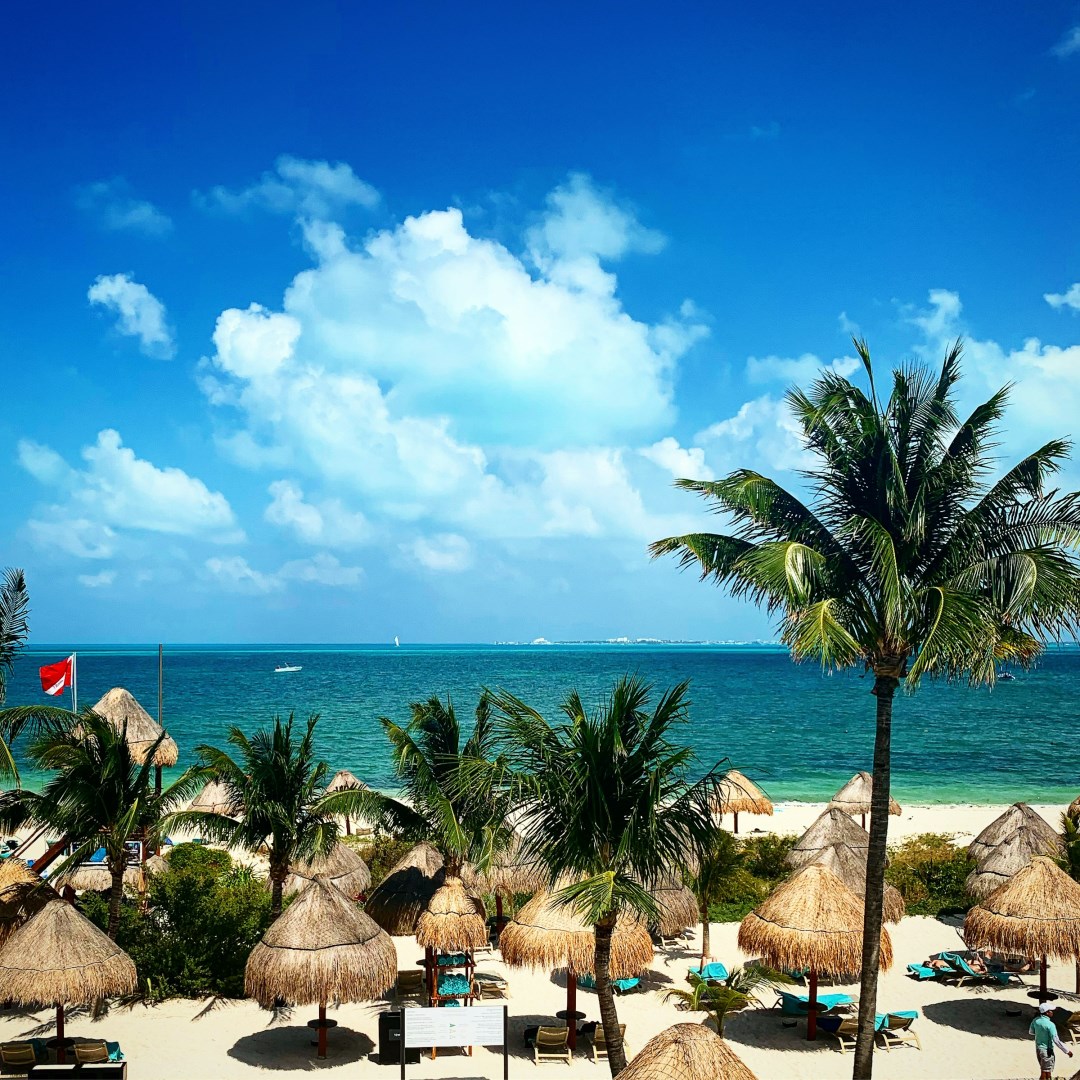
North of Cancun, the island was first discovered by the Spanish in the 1500's. It has numerous Mayan ruins, many badly eroded. It is also a sanctuary for sea turtles.

Alberobello
Alberobello in southern Italy’s Puglia region captures the imagination with its distinctive trulli houses. These structures were built using a dry-stone technique passed down over centuries, without mortar or cement, and their unique form comes from layer upon layer of limestone nestled from nearby fields. Alberobello’s trulli are so remarkable that in 1996 the historic center was inscribed as a UNESCO World Heritage Site, where more than 1,600 of these buildings still stand.
Fundy National Park
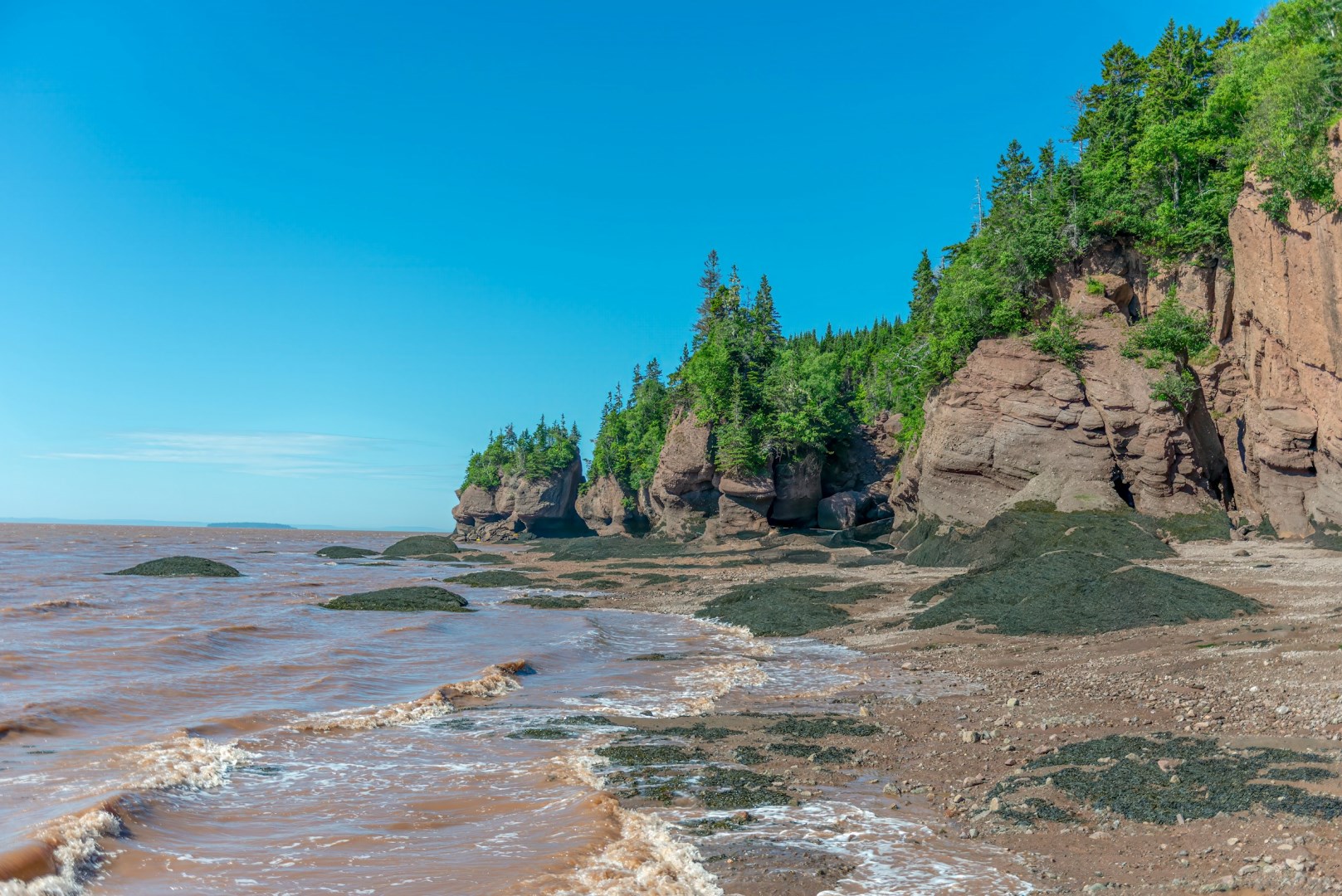
Fundy National Park is located along the Bay of Fundy coast in southeastern New Brunswick, where forested hills meet one of the world’s most pronounced tidal environments. The park protects a varied landscape of coastal cliffs, salt marshes, dense Acadian forest, lakes, and river valleys. Its shoreline experiences dramatic changes in water level as the Bay of Fundy’s tides move in and out. T
Yilan
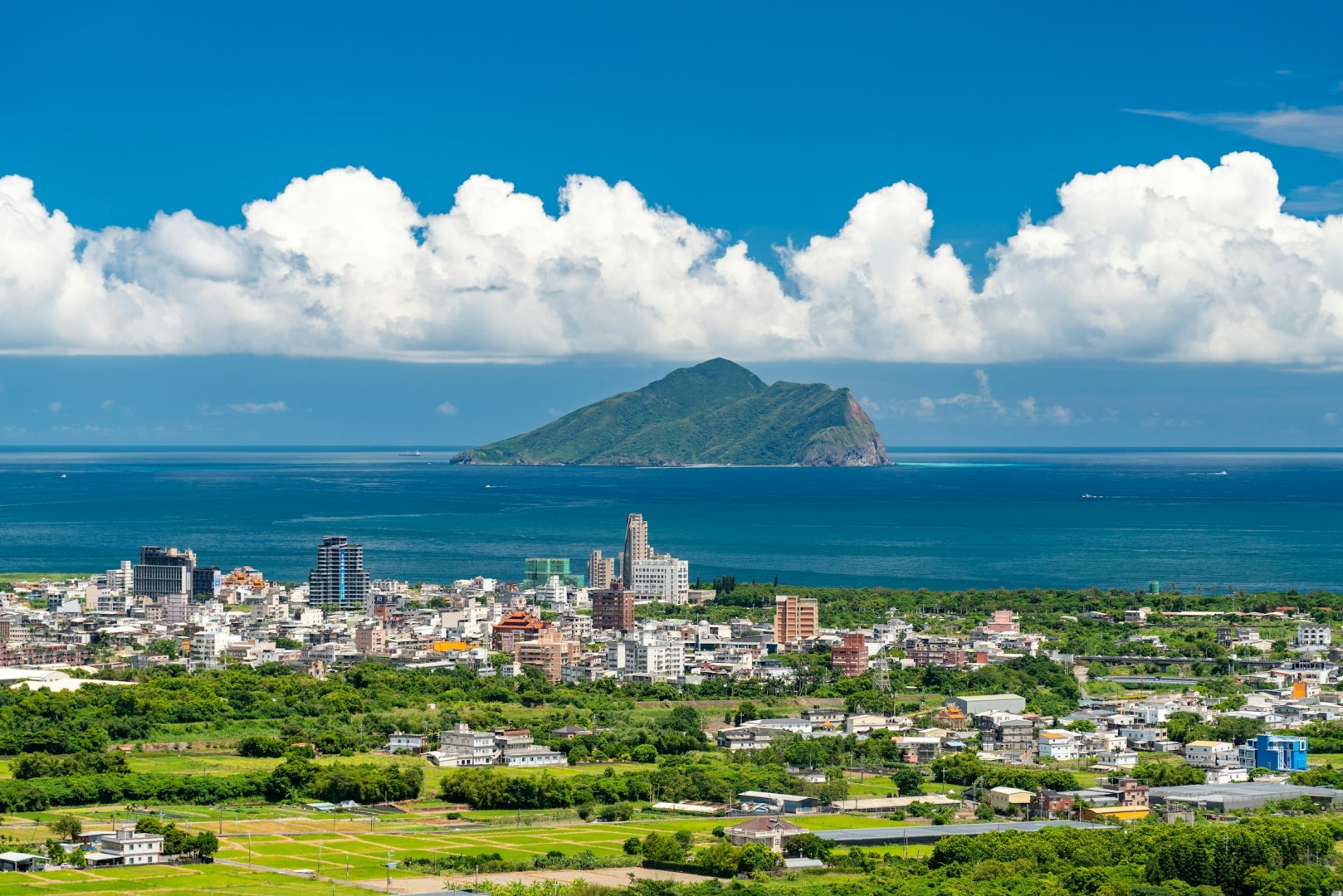
Yilan is a city in northeastern Taiwan and the administrative center of Yilan County, set on a broad plain between the Central Mountain Range and the Xueshan Range. The region is known for rice fields, rivers, hot springs, and a humid climate shaped by frequent rainfall. The Lanyang River and its tributaries run through the surrounding countryside, supporting fertile agricultural land.
