
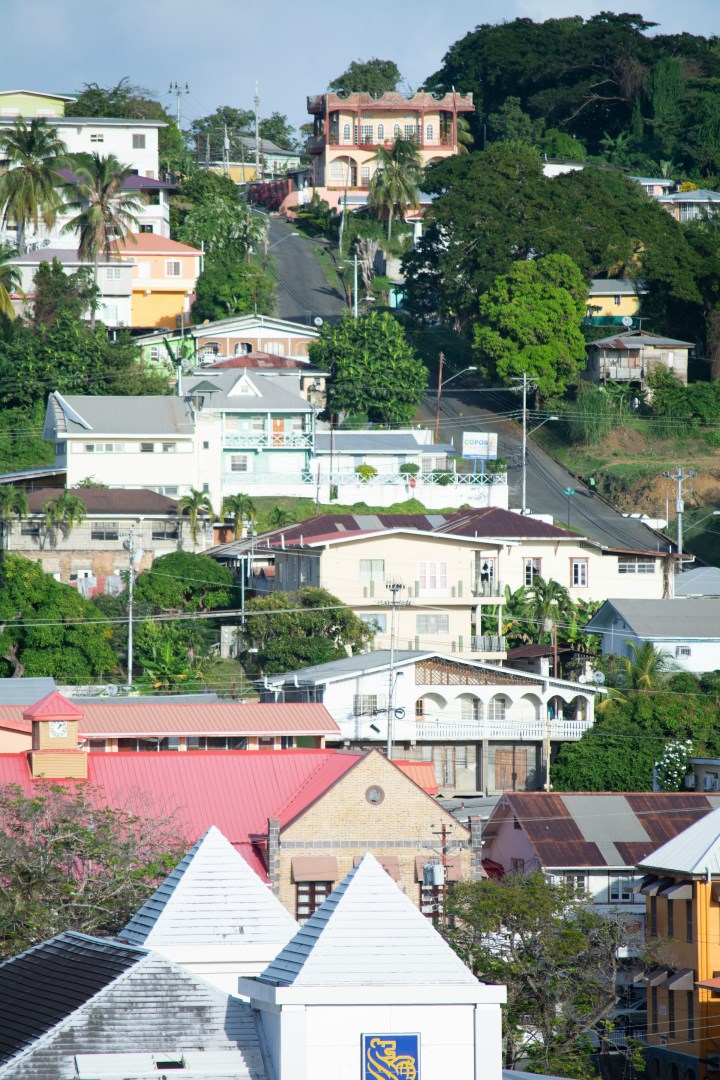
Scarborough
Blanketed from end to end in luxuriant greenery and brightly colored flowers, this enchanted island is scalloped with beautiful beaches. There are sandy coves beside coral reefs, and alabaster cresents below tiny trails, leading to pretty waterfalls or plantation ruins. Best of all is the Main Ridge Rain Forest Trail, where jungle-thick ferns and giant bamboo grasses flourish under a canopy of foliage 60-feet high.
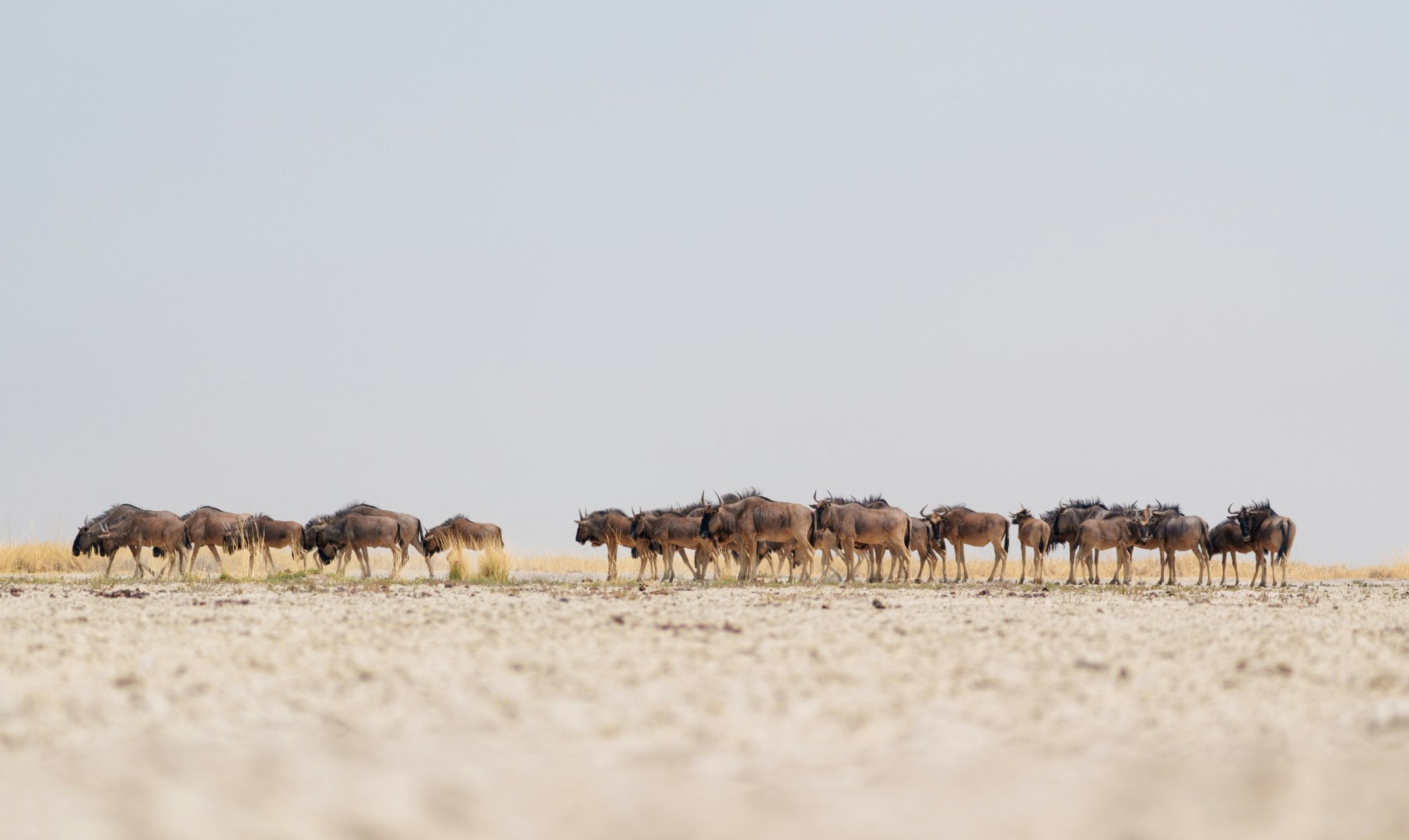
Makgadikgadi Pans National Park
Makgadikgadi Pans National Park lies in northeastern Botswana and forms part of one of the largest salt flat systems in the world. The landscape is defined by wide open pans, sandy tracks, grasslands, and scattered baobab trees that rise from the dry terrain.

Bucharest
Tree-lined avenues, grand architecture, and the imperative to live well defines Bucharest, a bustling city that is rebounding and expanding. In the 1900s, this vibrant Romanian capital was nicknamed "Little Paris" and that jubilant, raise-a-glass spirit carries over to this day.
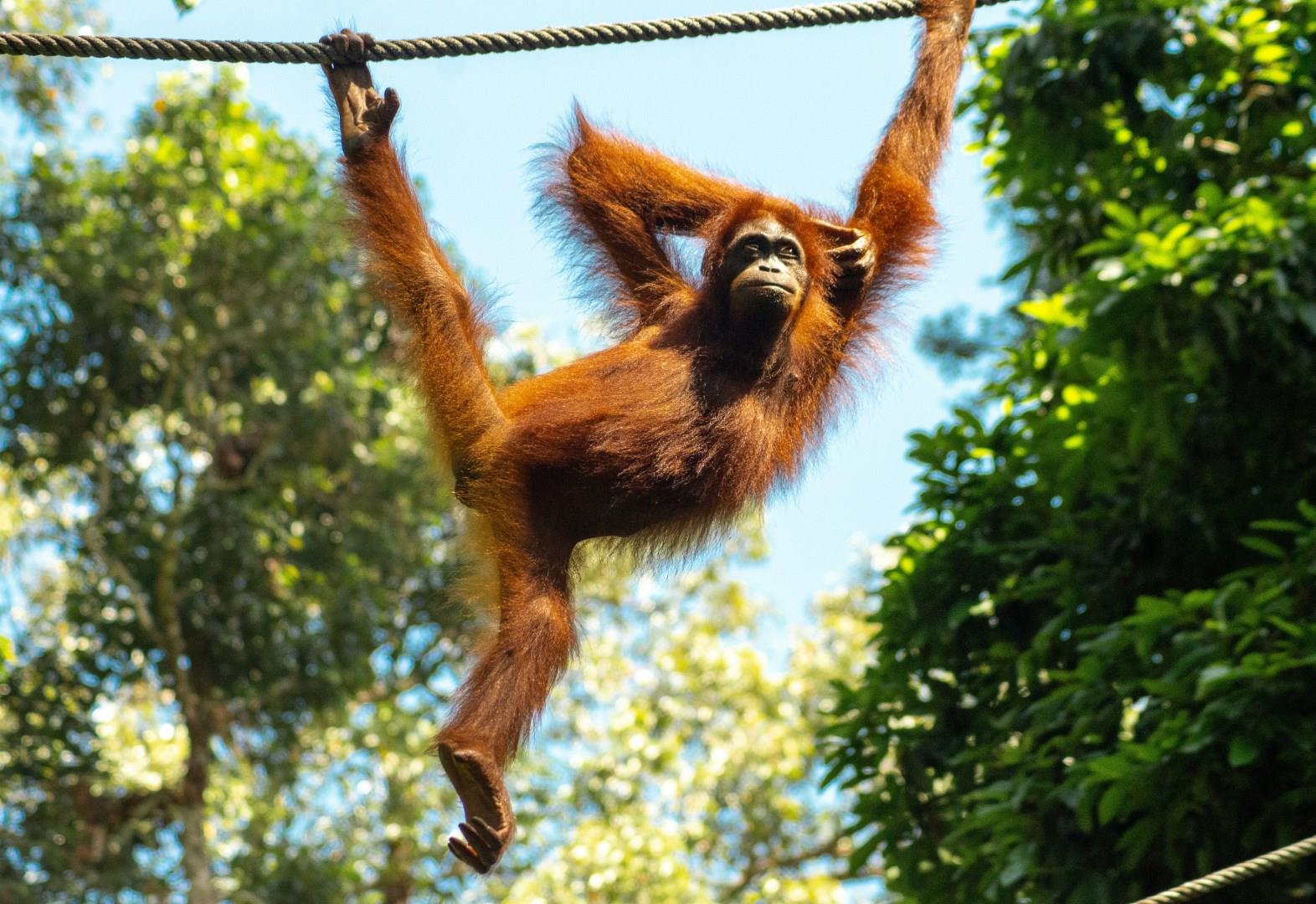
Sandakan Sabah
Sandakan, on the northeast coast of Sabah in Malaysian Borneo, is a city where history, wildlife, and culture come together. Once a major trading port known as “Little Hong Kong” for its bustling connections to the wider world, Sandakan has retained its multicultural character, with influences from Chinese, Malay, and Indigenous communities visible in its temples, markets, and cuisine.
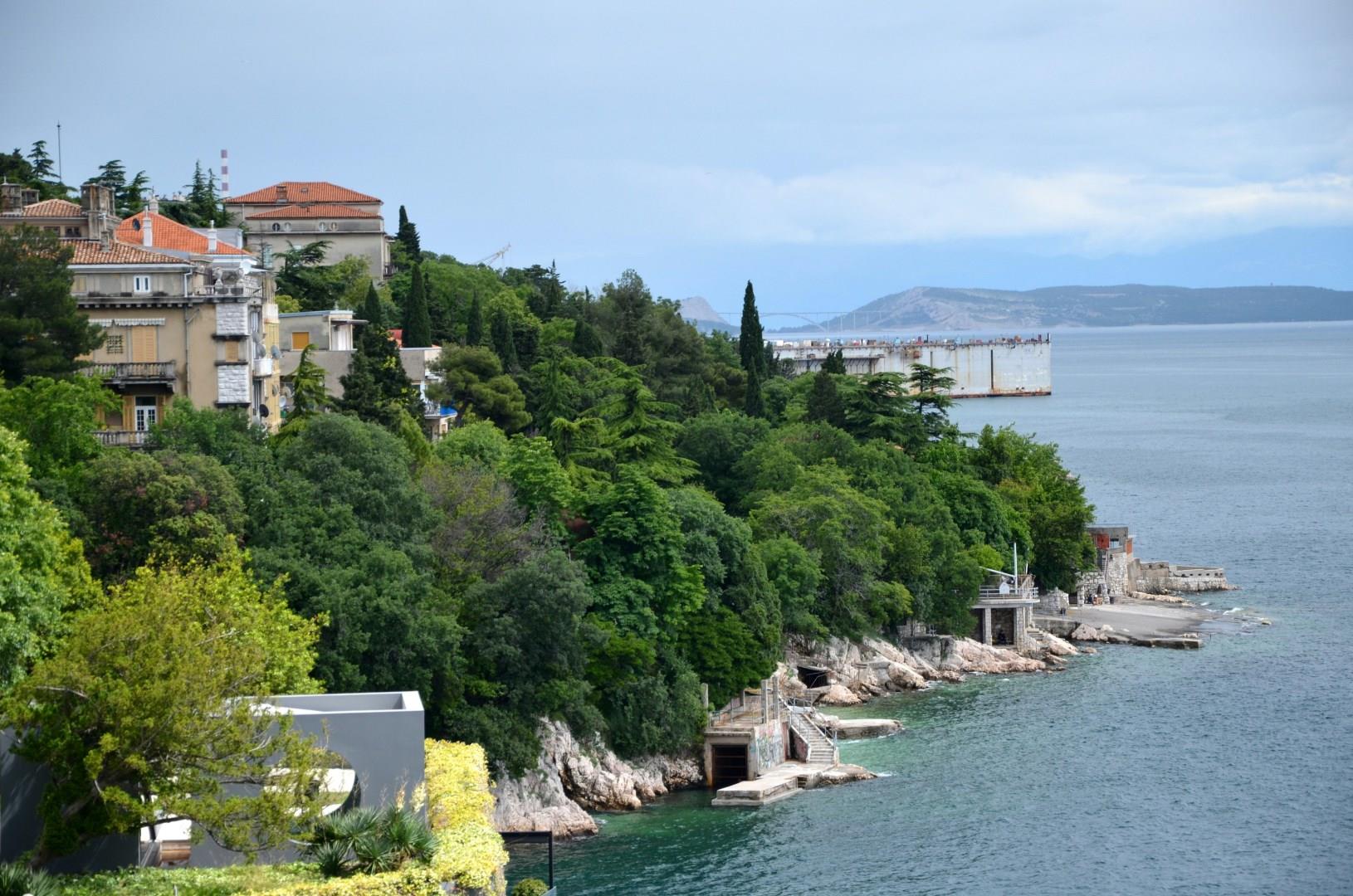
Rijeka
Rijeka sits at the head of Kvarner Bay on Croatia’s northern Adriatic, shaped by its long role as a port city at the crossroads of empires.
