
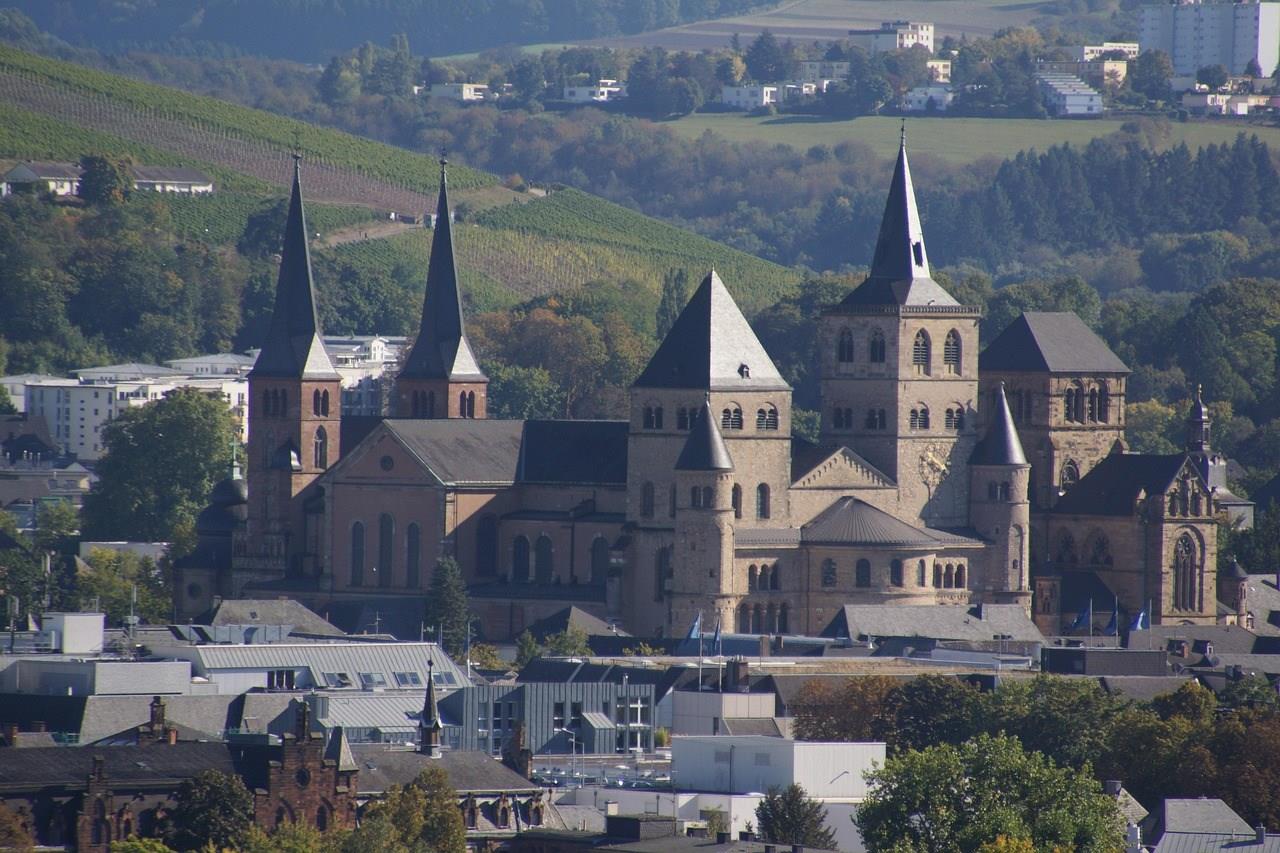
Trier
Trier, Germany’s oldest city, is a living museum nestled in the Moselle Valley, where Roman ruins rise beside medieval churches and bustling market squares. Founded by the Romans in 16 BCE, Trier was once known as “Roma Secunda,” the second Rome, and still boasts the largest collection of Roman architecture north of the Alps. The Trier Cathedral (Dom St. Peter), which is a UNESCO World Heritage Site, is the oldest church in Germany and houses a relic said to be the Holy Robe of Christ.
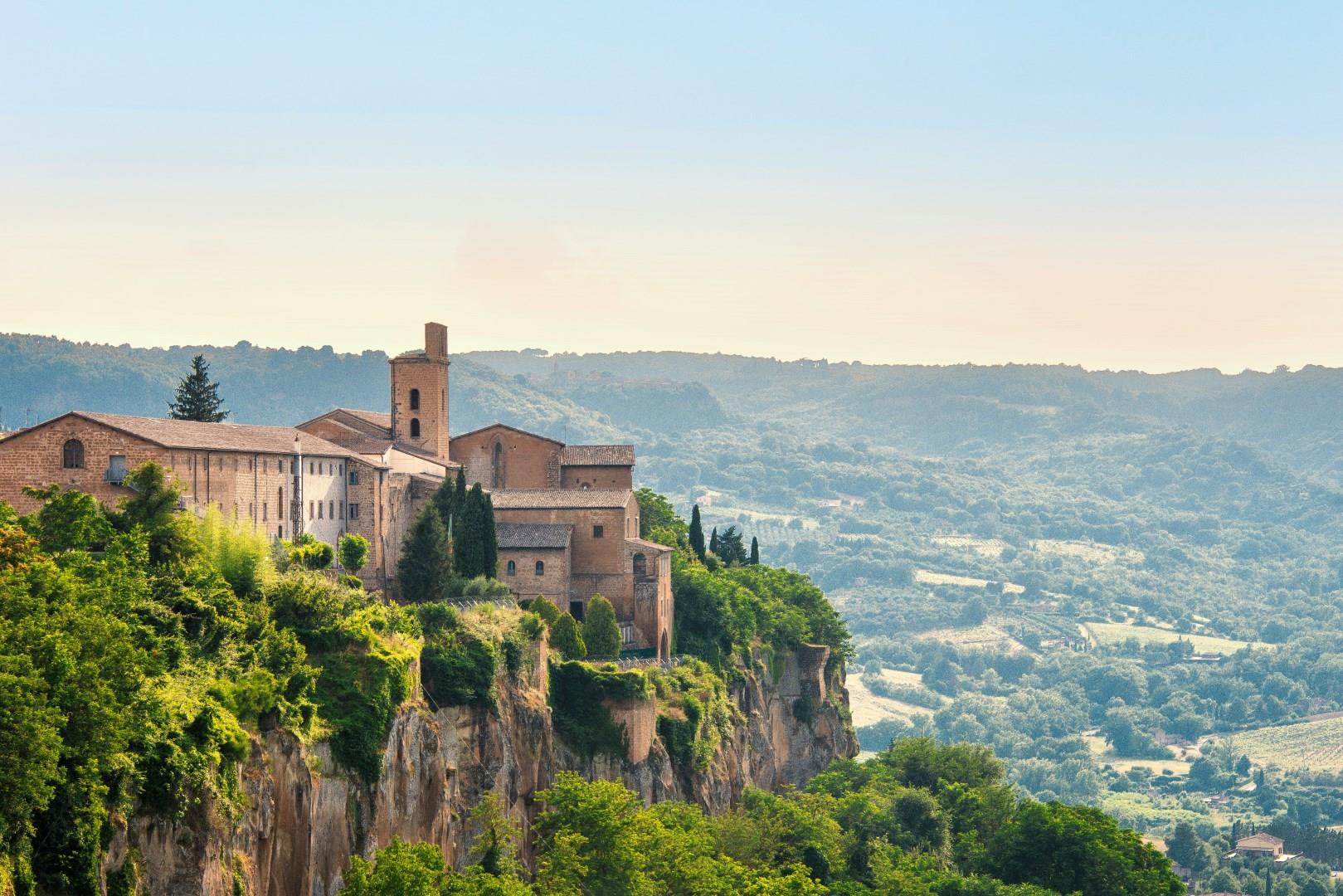
Orvieto
Orvieto, perched atop a volcanic tuff cliff in Umbria, Italy, is a town that effortlessly combines history, art, and striking landscapes. Its dramatic position overlooking the surrounding countryside immediately captures attention.
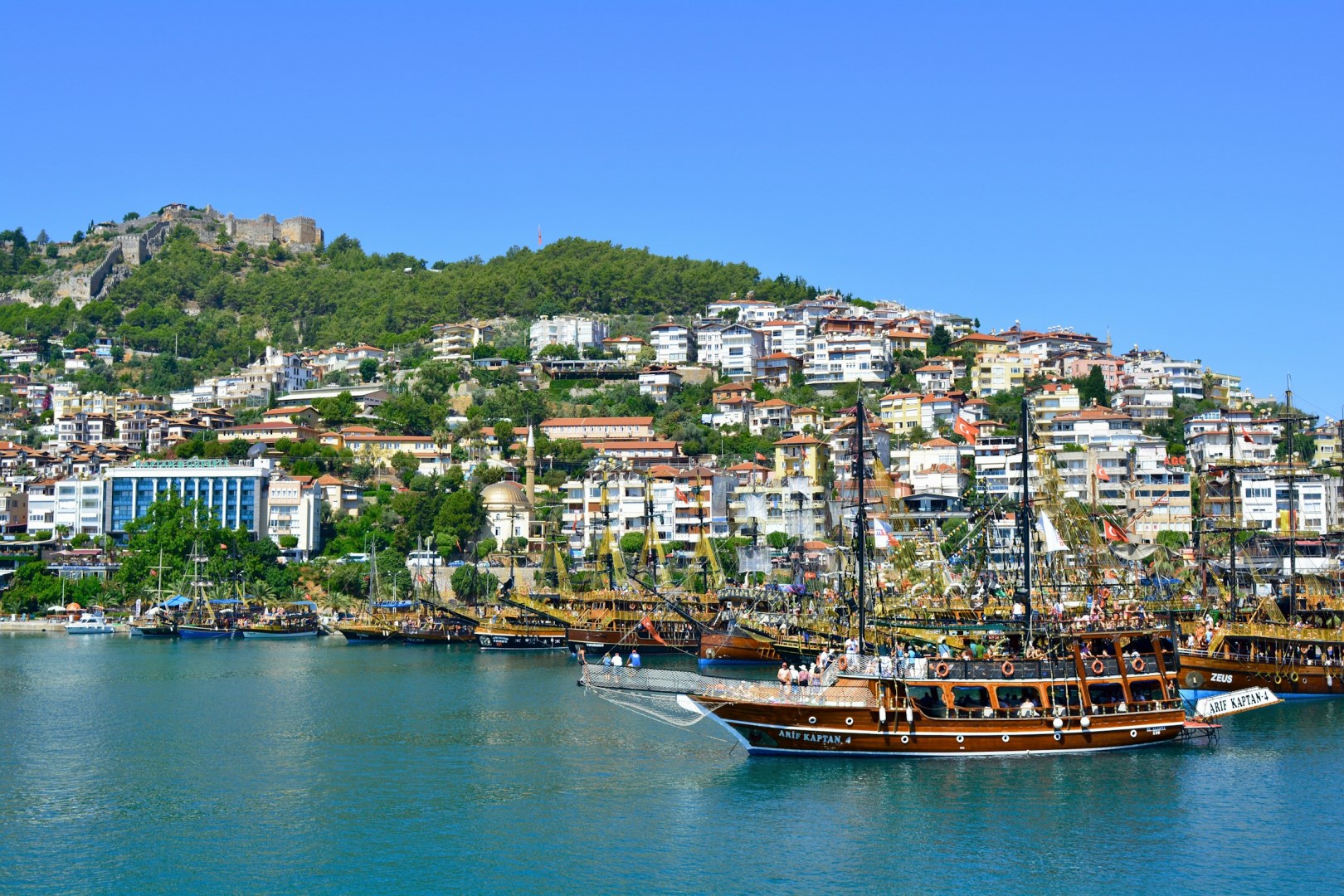
Alanya
Alanya is a coastal city in Antalya Province on Türkiye's Mediterranean shore, positioned on a rocky peninsula between sandy beaches and the Taurus Mountains. The city is known for its historic castle, harbor, caves, and long beaches, with the old fortress occupying much of the peninsula above the modern urban area
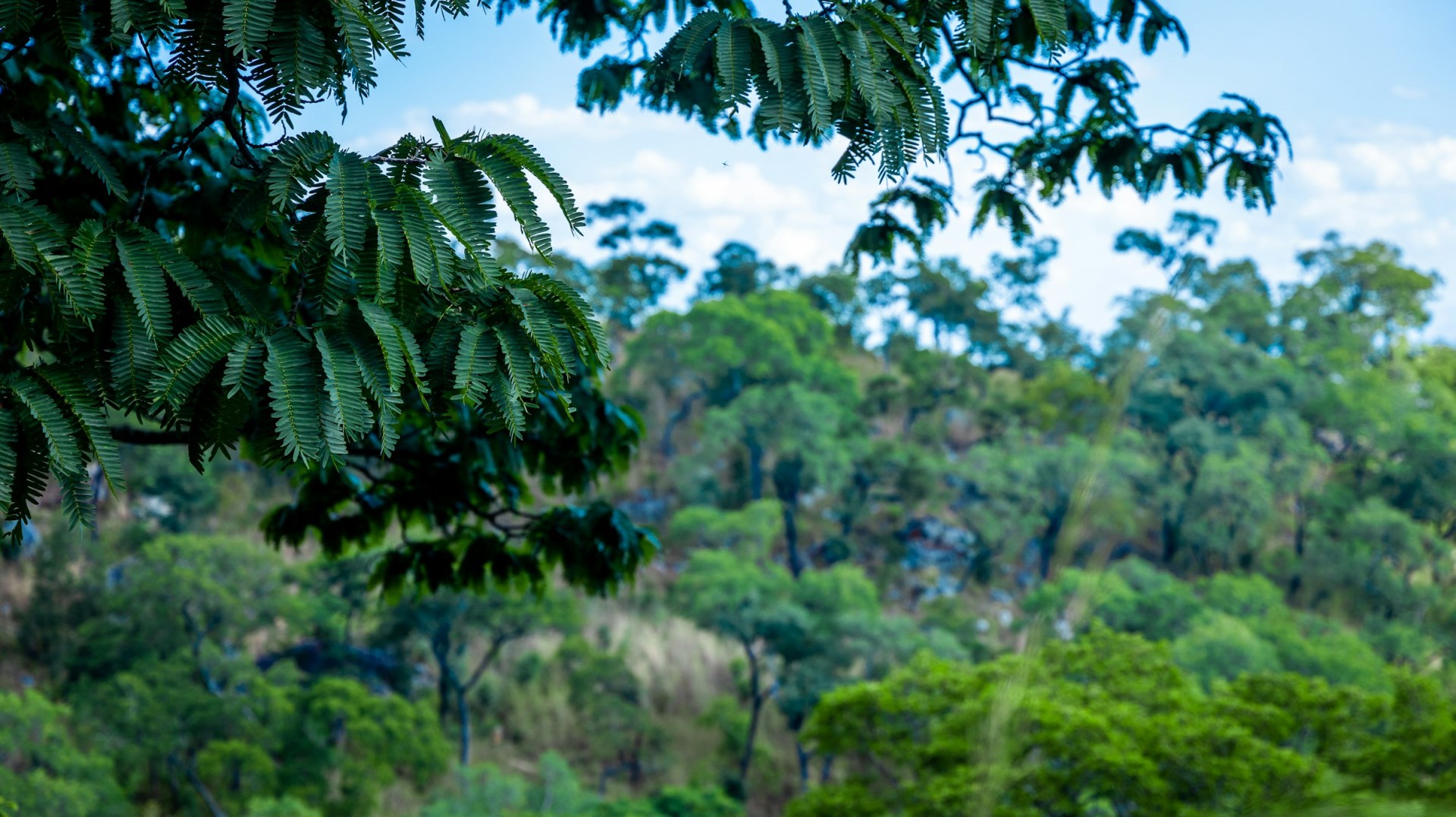
Mulanje
Mulanje is a town in southern Malawi at the foot of Mount Mulanje, a large isolated massif that rises sharply above the surrounding tea-growing plains. The mountain is known locally as Mulanje Mountain and includes a series of granite peaks, forested slopes, valleys, streams, and waterfalls. Sapitwa, the highest summit, reaches about 3,002 meters and is the highest point in Malawi.

Hovden
Hovden is part of Setesdal, a region recognized for its distinctive Norwegian folk traditions and strong rural identity. Music and dance are especially important, with the Setesdal tradition of playing the hardingfele fiddle and munnharpe jaw harp included on UNESCO's Intangible Cultural Heritage list. The area also has a long connection with metalworking. The Hovden Museum of Iron Production presents a reconstructed iron-smelting facility and explains how local ore was processed using charcoal.
