
Kootenay National Park
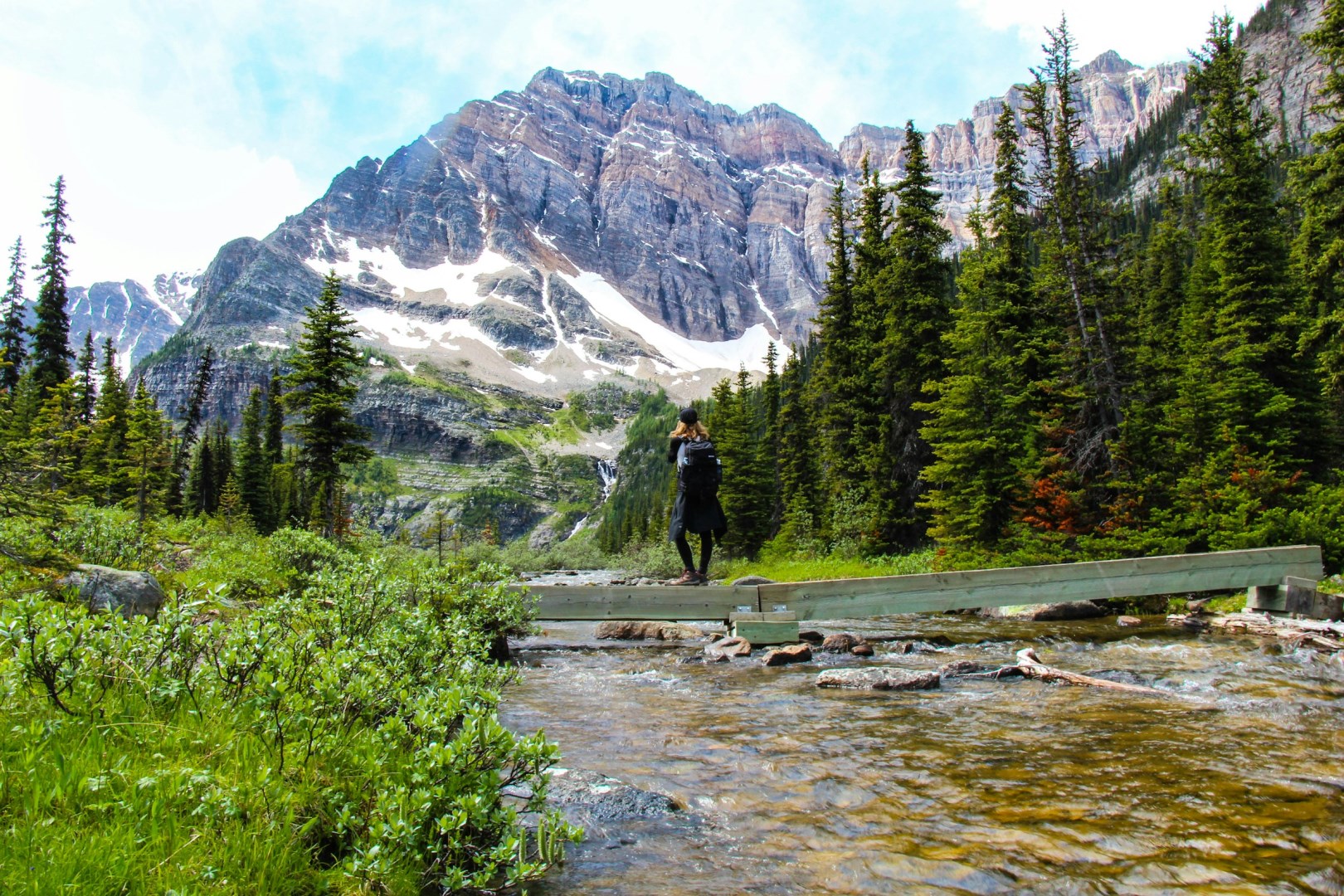
Kootenay National Park occupies 1,406 square kilometres of the Canadian Rockies in southeastern British Columbia, extending from the Continental Divide toward the Columbia Valley. The park is known for its contrasts, with glaciers and alpine terrain giving way to dry grasslands, narrow canyons, and forested valleys. Highway 93 South crosses the park, providing access to many of its landscapes and viewpoints.
Ios
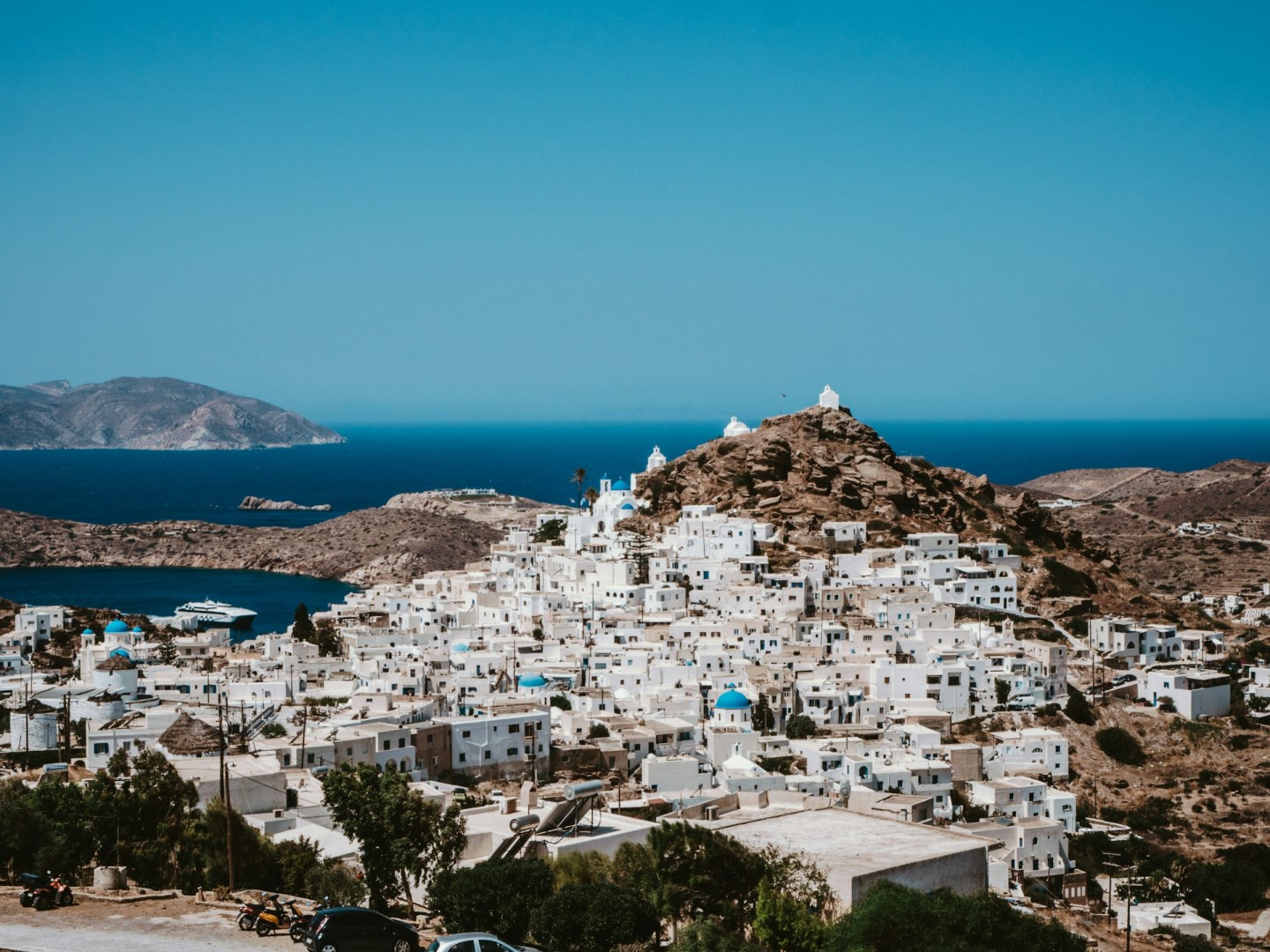
The coastline of this mountainous island is dotted with chapels, olive trees, vineyards and small exotic coves.

Tauranga
Tauranga, New Zealand, lies southeast of Auckland and is an adventure-lover's paradise. Originally settled by the Māori peoples, this vibrant city is a popular destination for hiking, kayaking, biking, golfing, and everything active. Hike up Mount Maunganui for stunning panoramic views of the city below, then hit nearby Mount Maunganui Beach to soak up the sun or play in the sand.
Tortuguero
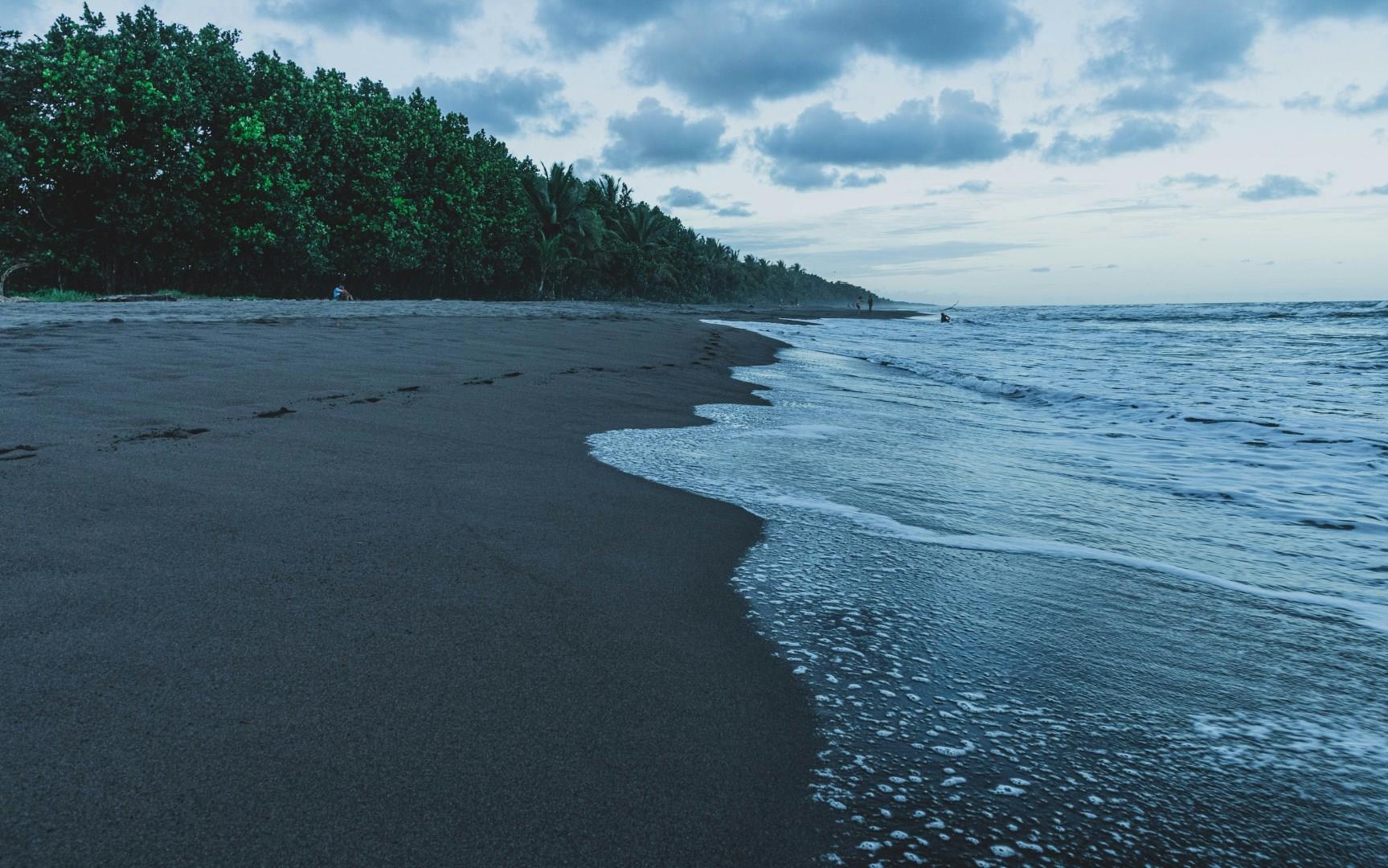
Tortuguero, located on Costa Rica’s remote northern Caribbean coast, is a destination unlike any other in the country. Accessible only by boat or small aircraft, this coastal village sits between the Caribbean Sea and a network of freshwater canals. Its name, meaning "place of turtles," comes from the thousands of sea turtles that arrive annually to lay their eggs on its beaches, including green, leatherback, and hawksbill turtles.
Chile
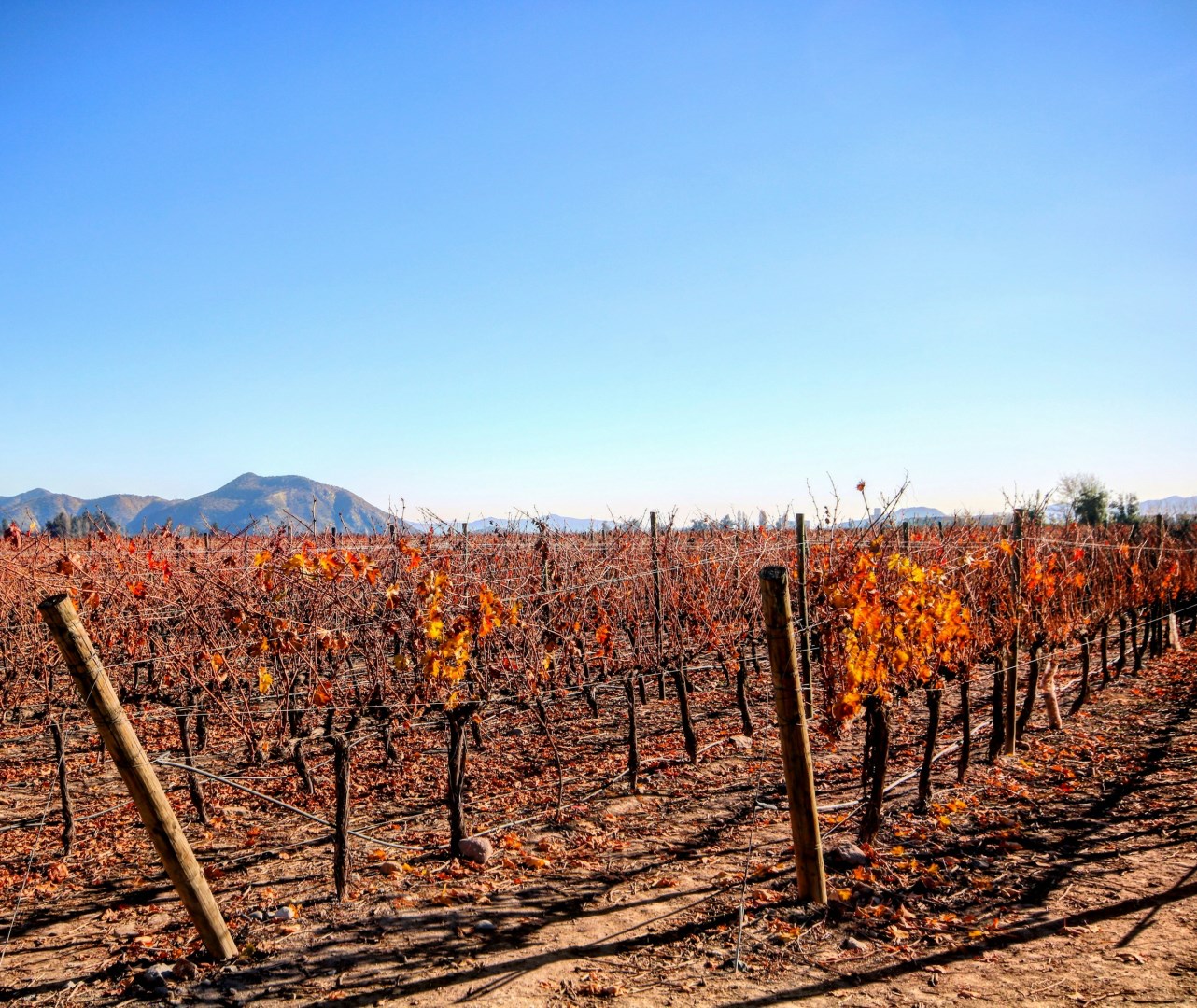
Stretching over 4,200 kilometers along the southwestern coast of South America, Chile is a country of dramatic contrasts and hidden surprises. From the world’s driest desert in the north to the icy fjords of Patagonia in the south, Chile offers a landscape that constantly reinvents itself. Visitors can walk through the Atacama Desert, where NASA tests Mars rovers, or gaze at the clearest night skies on Earth from the high-altitude observatories near San Pedro de Atacama.
