
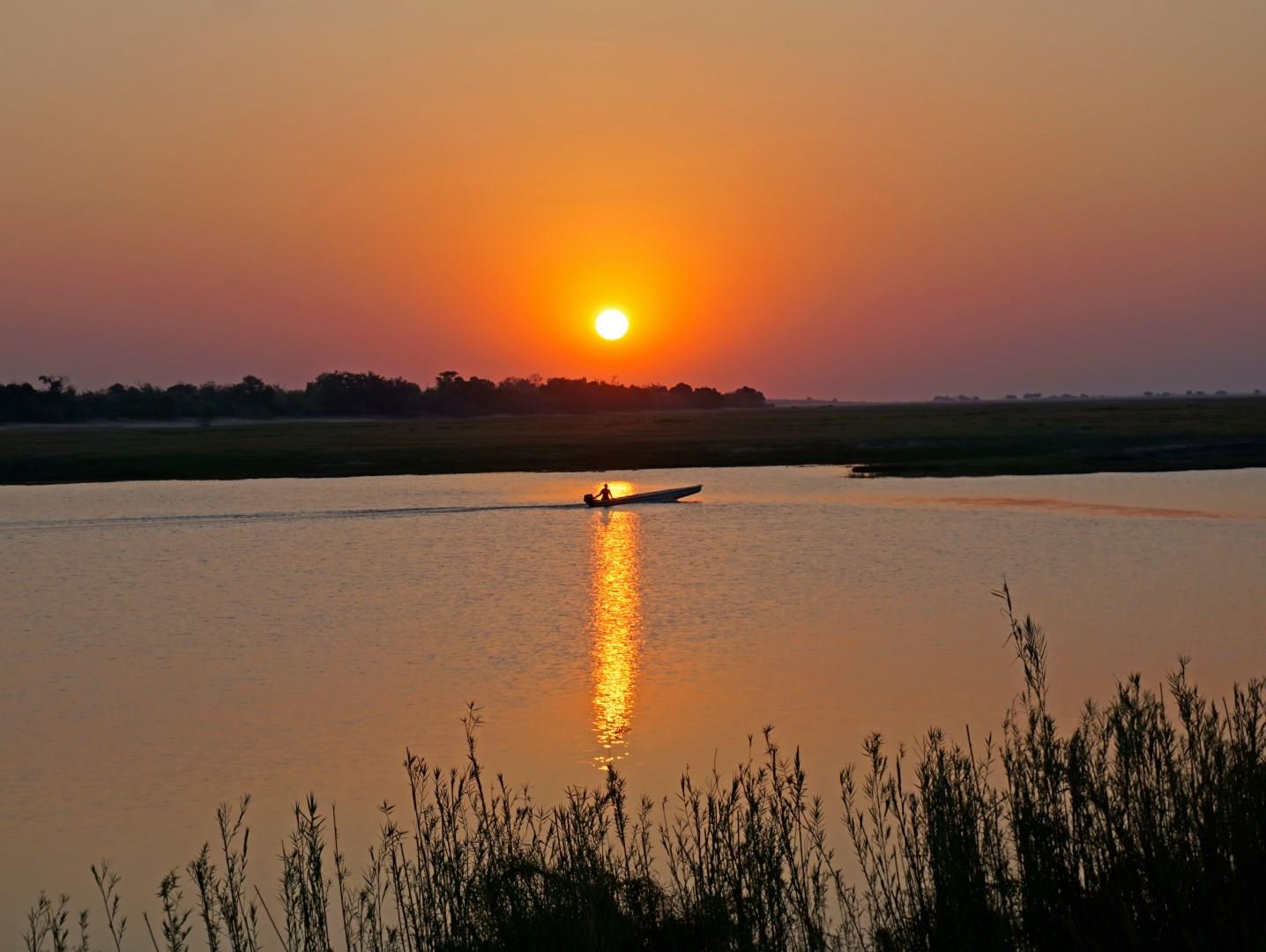
Chobe River
The Chobe River forms the northern boundary of the Chobe National Park. Animal lovers and safari enthusiasts know it as the place where the elephants congregate during winter's dry season and migrant birds are in full color during the wet summer months. The river itself is actually a section of the Cuando River, known as the Chobe from the seasonal lake Liambesi to its outflow at the Zambezi River.
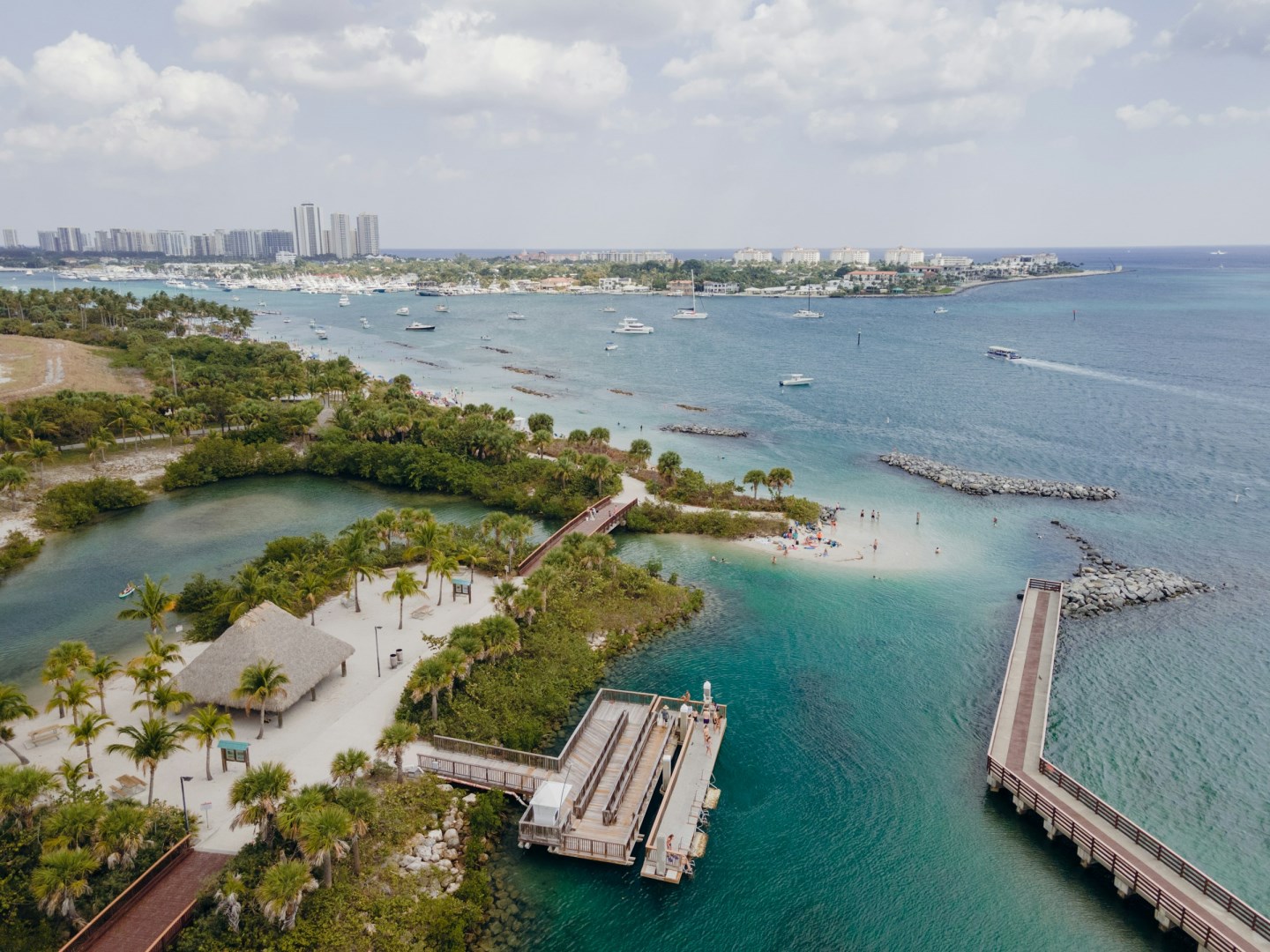
Peanut Island
Peanut Island is a small 79-acre island in Lake Worth Lagoon, just north of the Port of Palm Beach in southeastern Florida. Accessible only by boat or water taxi, the island is known for its sandy beaches, clear lagoon waters, picnic areas, and views of the surrounding Palm Beach County coastline. A network of paths crosses the island, connecting its beaches and recreation areas. Peanut Island is also notable for its location near the Lake Worth Inlet, where the lagoon meets the Atlantic Ocean,

Seward
Seward is a coastal city at the head of Resurrection Bay on Alaska’s Kenai Peninsula. Mountains rise around the community, while its harbor opens toward the Gulf of Alaska. The city is an important gateway to Kenai Fjords National Park and a center for commercial fishing, marine transportation, and outdoor recreation. Seward also marks the southern terminus of the historic Iditarod Trail.
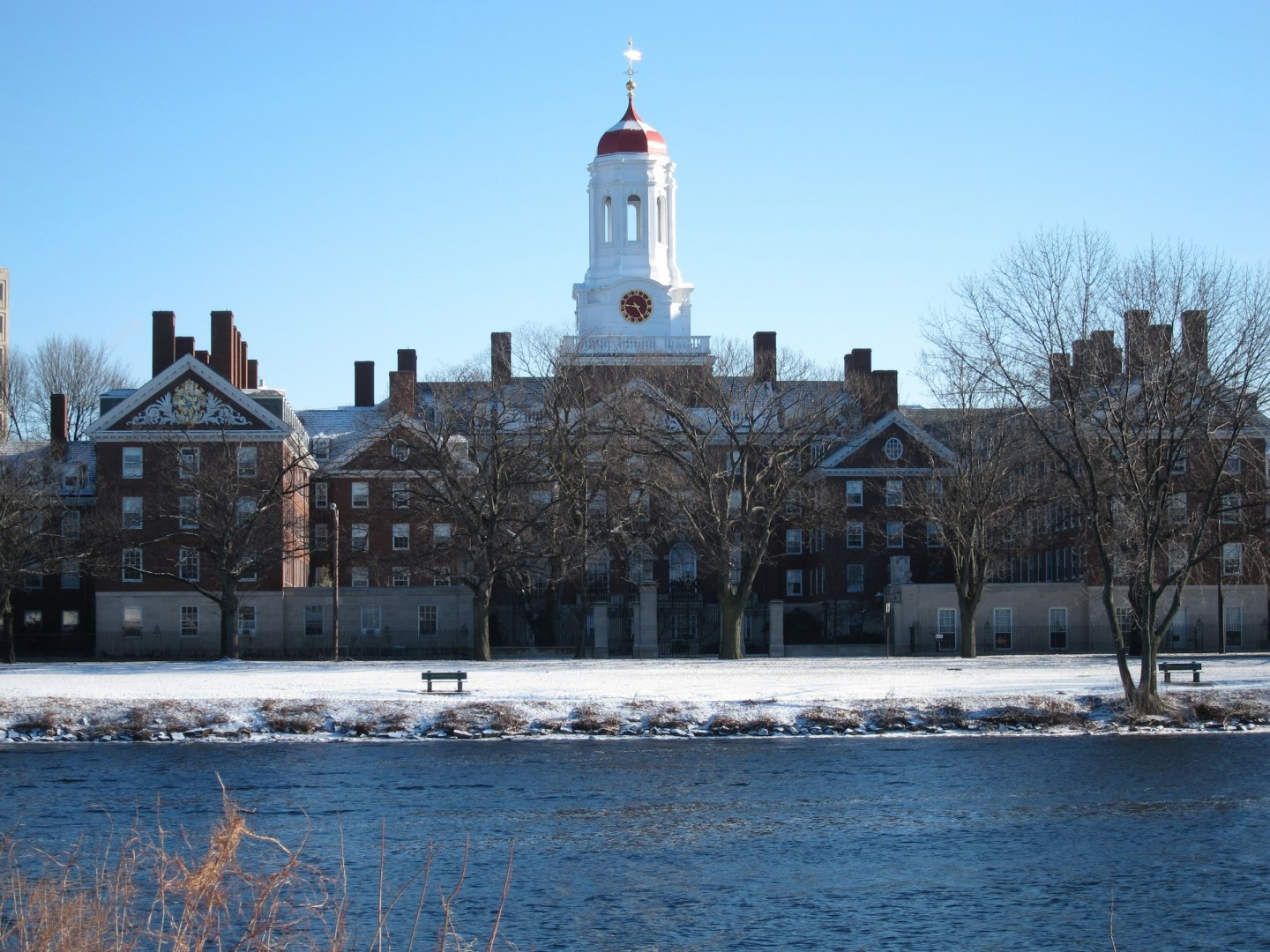
Cambridge
Cambridge, Massachusetts, sits across the Charles River from Boston and is known for its universities, historic neighborhoods, research institutions, and distinctive network of public squares. Harvard University and the Massachusetts Institute of Technology give the city an international academic profile, while areas such as Harvard Square, Central Square, Kendall Square, and Inman Square each have their own mix of shops, restaurants, cultural venues, and businesses.
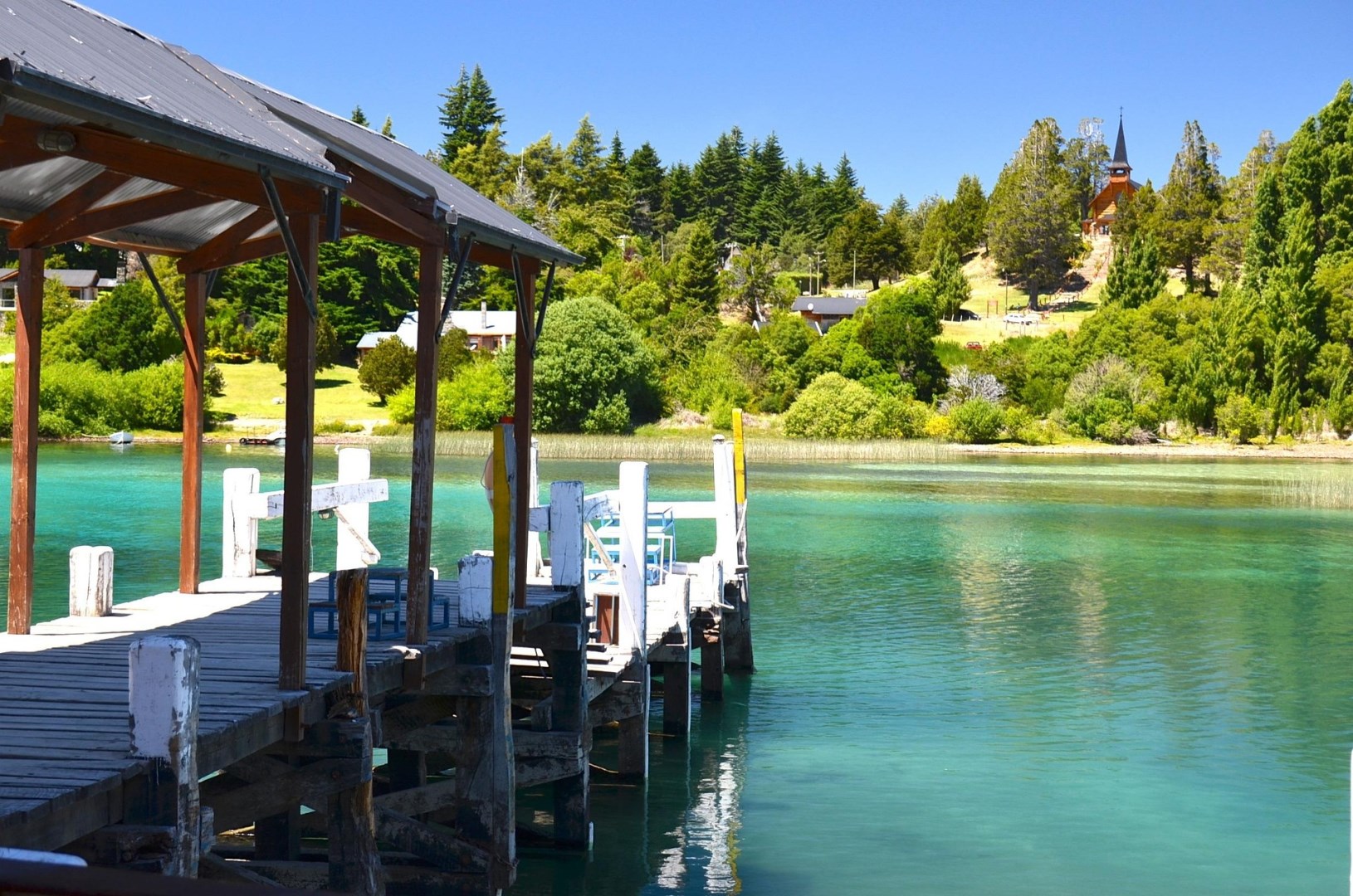
Bariloche
Bariloche, tucked into the foothills of the Andes in Argentina’s Patagonia region, is a town that feels both alpine and uniquely Argentine. With its wooden chalets, Swiss-style architecture, and chocolate shops on every corner, many visitors are surprised to find a lakeside town that resembles parts of Europe. But Bariloche’s identity is all its own, shaped by deep indigenous roots, waves of immigration, and the striking presence of Lake Nahuel Huapi.
