
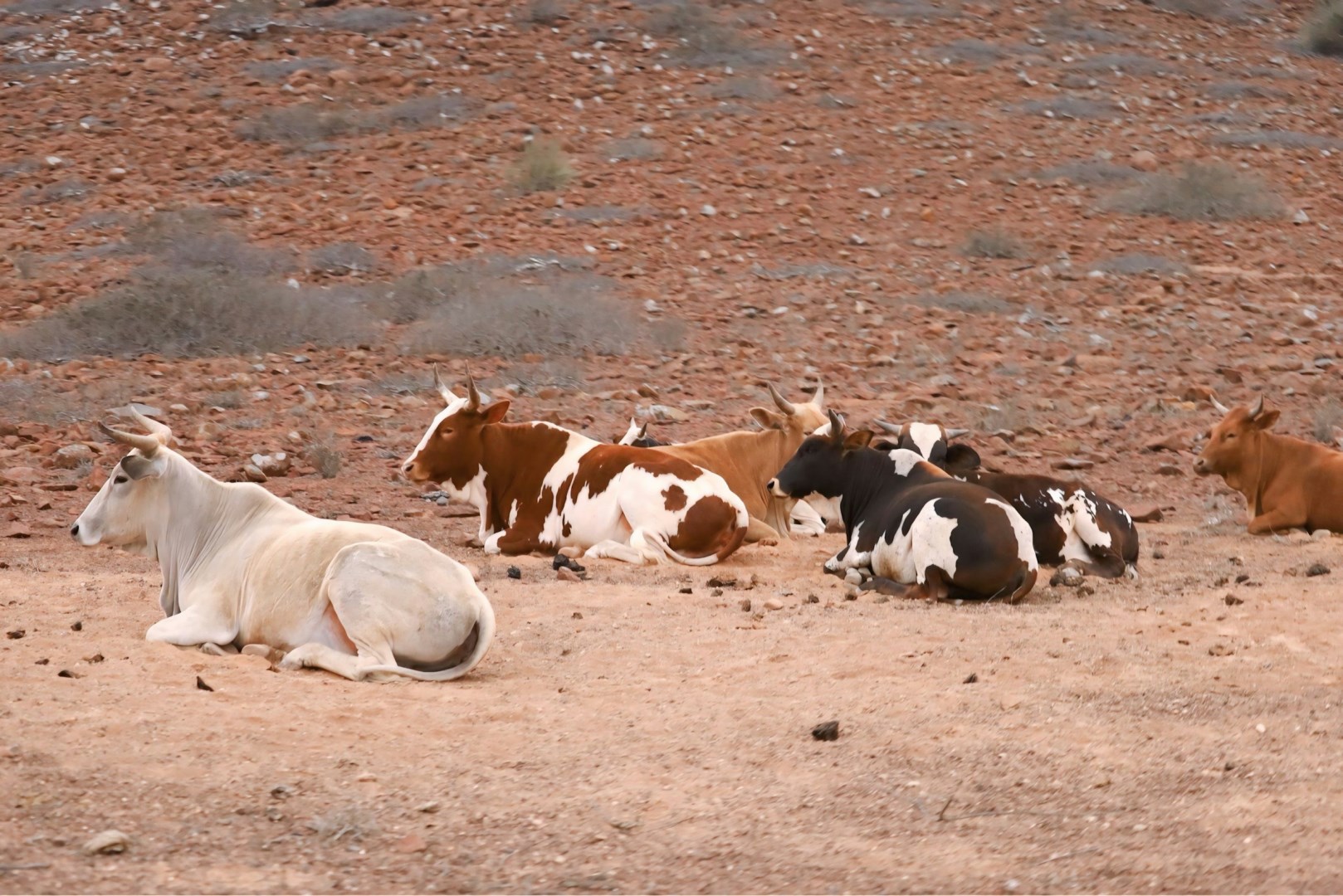
Namibe
Formerly Mocamedes, this port in southwest Angola has become an important industrial center since a rail line was built in 1905 connecting it with the interior of Angola. In 1967 when iron ore was discovered in Dongo, an additional line was laid and the port was enlarged.

New Orleans
New Orleans is unlike any other city in the United States. Founded in 1718, it carries layers of French, Spanish, African, and Caribbean influence that can be felt in everything from its architecture to its street music. The French Quarter, the oldest neighborhood in the city, is full of iron-laced balconies, gas lamps, and narrow streets that echo with the sounds of live jazz.

Windhoek
Windhoek, the capital city of Namibia, is a vibrant and cosmopolitan hub nestled in the heart of the country. With its mix of German colonial architecture and modern African charm, Windhoek offers visitors a unique blend of history and contemporary culture. The city’s skyline is dominated by the striking Christuskirche, a Lutheran church built in 1907, which stands as a symbol of Namibia's German colonial past.
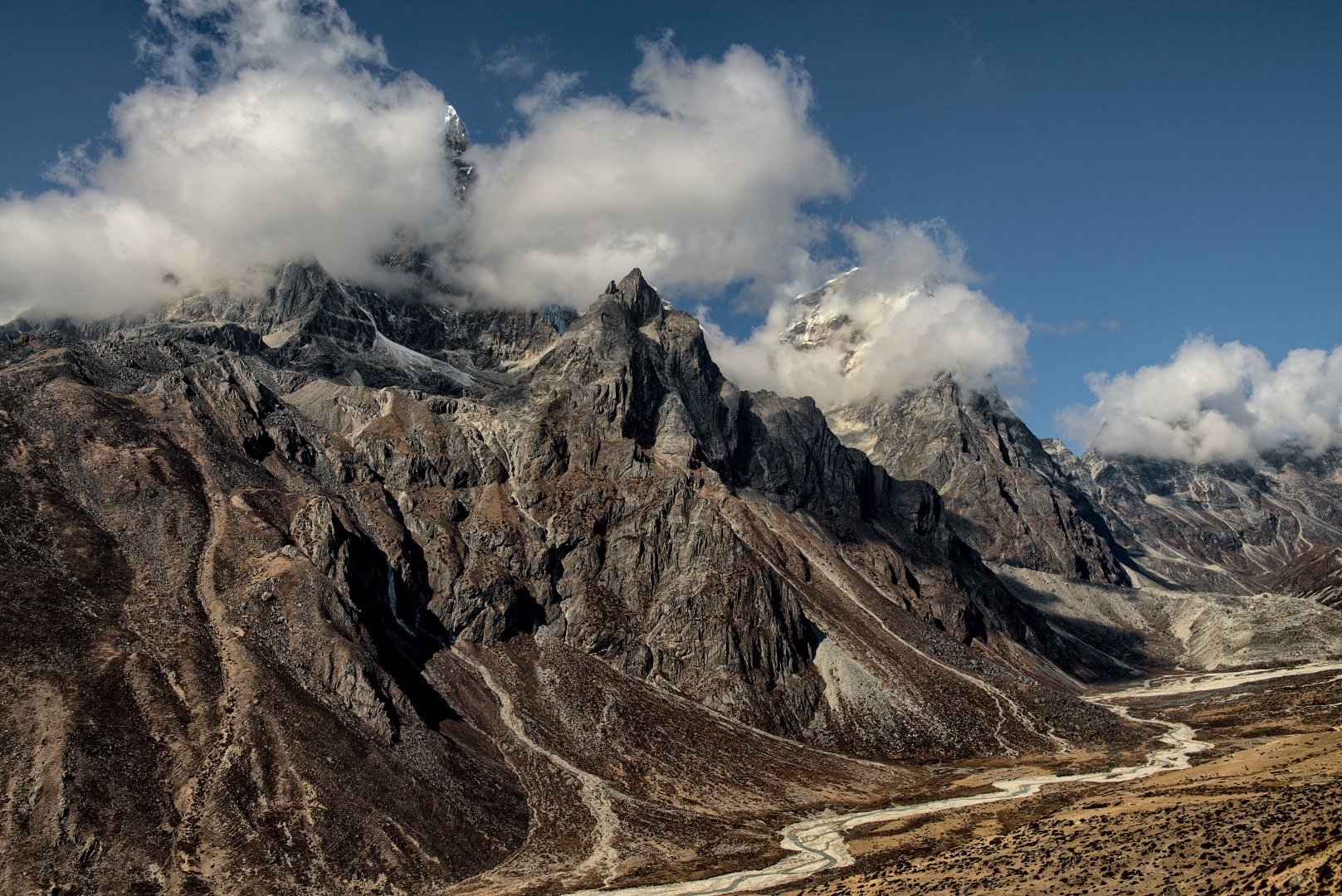
Lobuje
High in the Khumbu region, Lobuche sits in a stark alpine setting along the trail toward Mount Everest. Surrounded by rocky terrain and glacial formations, the village stands close to the Khumbu Glacier, where the landscape shifts into shades of gray, white, and deep blue. The air here is thin and crisp, and the silence is often broken only by the wind moving across the valley.

Cook Islands
The Cook Islands, a group of 15 islands scattered across the South Pacific, offer a rare blend of Polynesian tradition and laid-back island charm. Rarotonga, the largest and most visited island, is ringed by a turquoise lagoon and backed by lush mountains. Visitors can circle the entire island in under an hour, stopping along the way for fresh coconut, beachside cafés, or a quick swim in the clear lagoon.
