
Billings
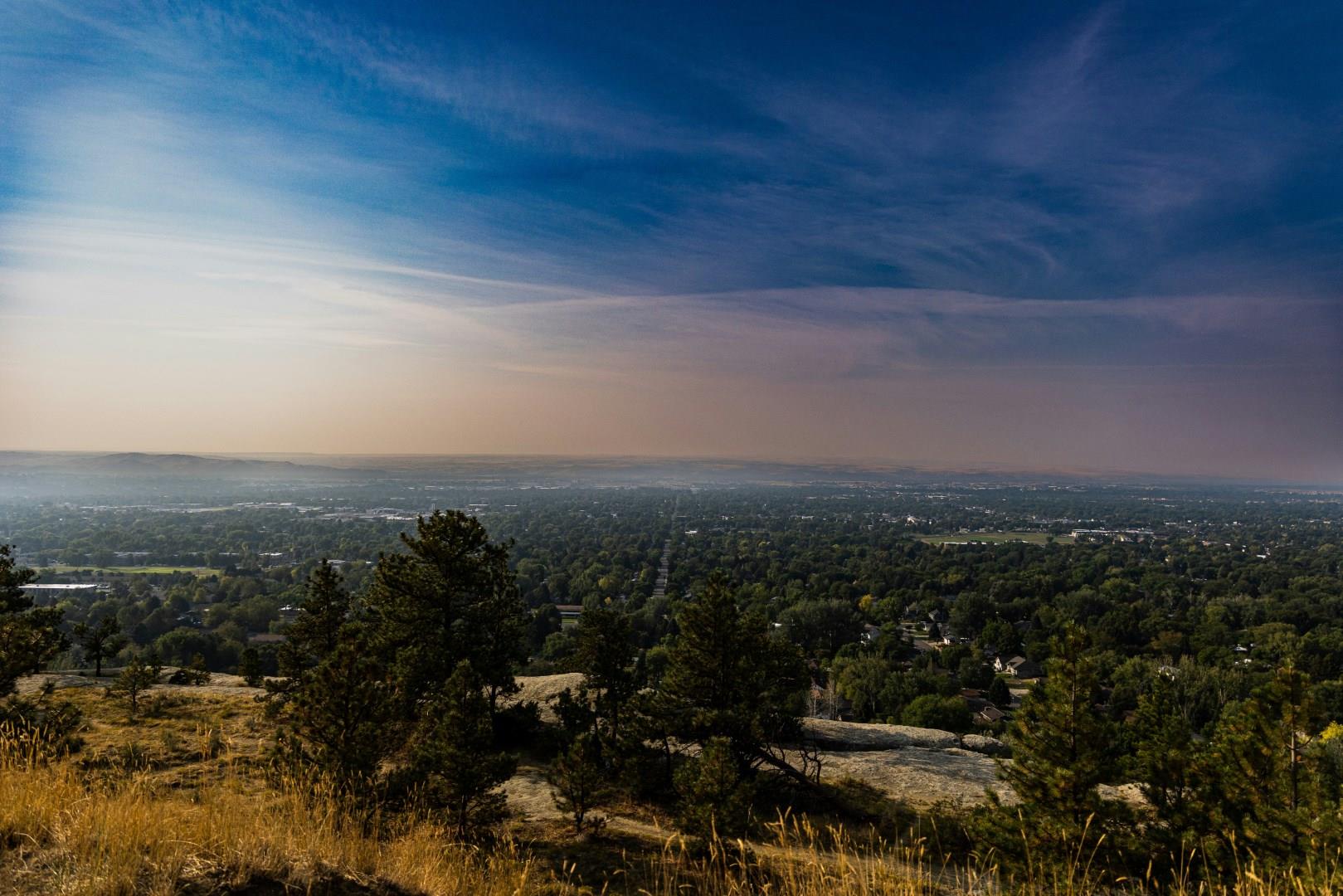
Billings, Montana sits on the edge of the vast plains and at the base of ancient sandstone cliffs known as the Rimrocks. These formations frame the city and provide miles of scenic overlooks, hiking trails, and even fossil beds. From Swords Park, visitors can walk or bike along the paved trail that follows the rim’s edge, offering sweeping views of downtown, the Yellowstone River, and distant snowcapped peaks.
Huntsville
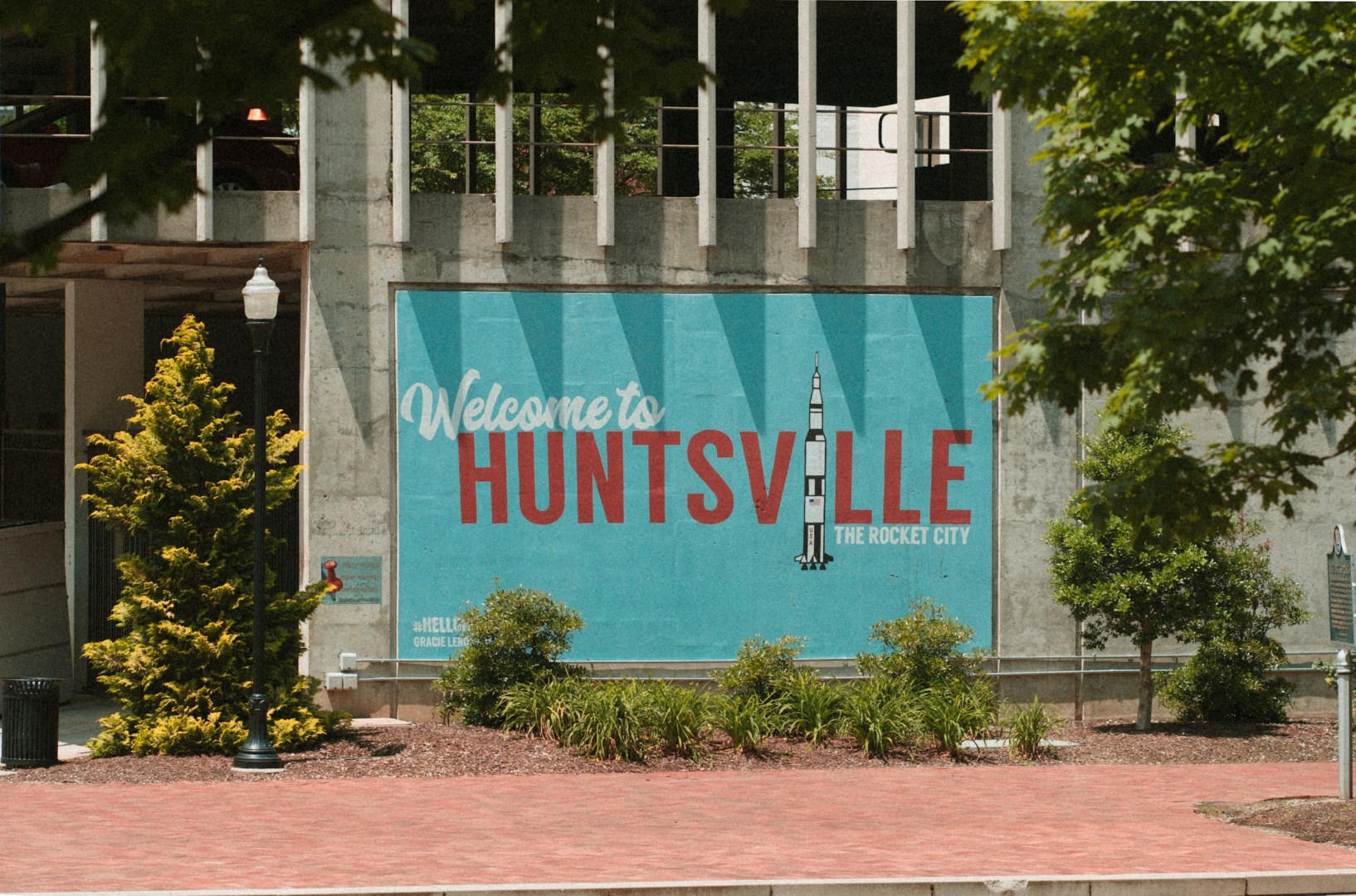
Decatur has some of the South's finest free museums, educational facilities and historical sites. Study a variety of animals, birds and minerals at Cook's Natural Science Museum. The South's largest centerThe earth's largest space museum is only minutes away at the U.S and Rocket Center. History comes alive at the home of Civil War General Joe Wheeler. For fun, visit Point Mallard Park, a 750 acre park featuring America's first wave pool, water slides and putt-putt golf.
Baja California
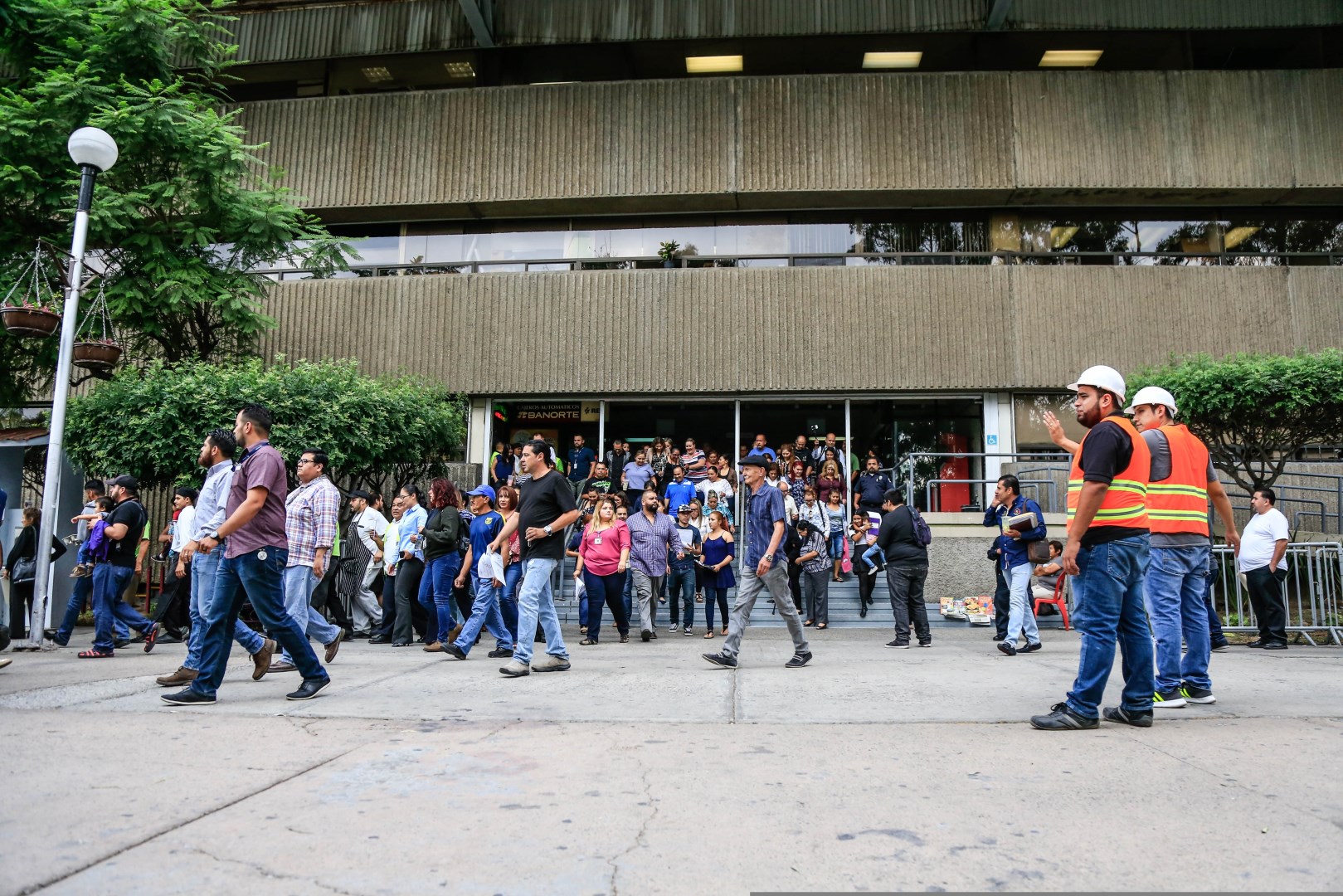
Nestled between the Pacific Ocean and the Sea of Cortez, Baja California is a haven for travelers seeking stunning natural landscapes, vibrant culture, and adventure.

Baltimore
Baltimore's unique blend of historical significance, cultural richness, and scenic beauty makes it a must-visit destination. Whether you're exploring its museums, enjoying its waterfront, or diving into its historical roots, Baltimore offers an engaging and memorable experience.

Scottsdale
Scottsdale, Arizona is a resort destination on the Sonoran Desert, located just east of Phoenix. Scottsdale is best known for its golf courses, luxury resorts, and variety of outdoor adventures, including hiking, rafting, and off-roading.
