
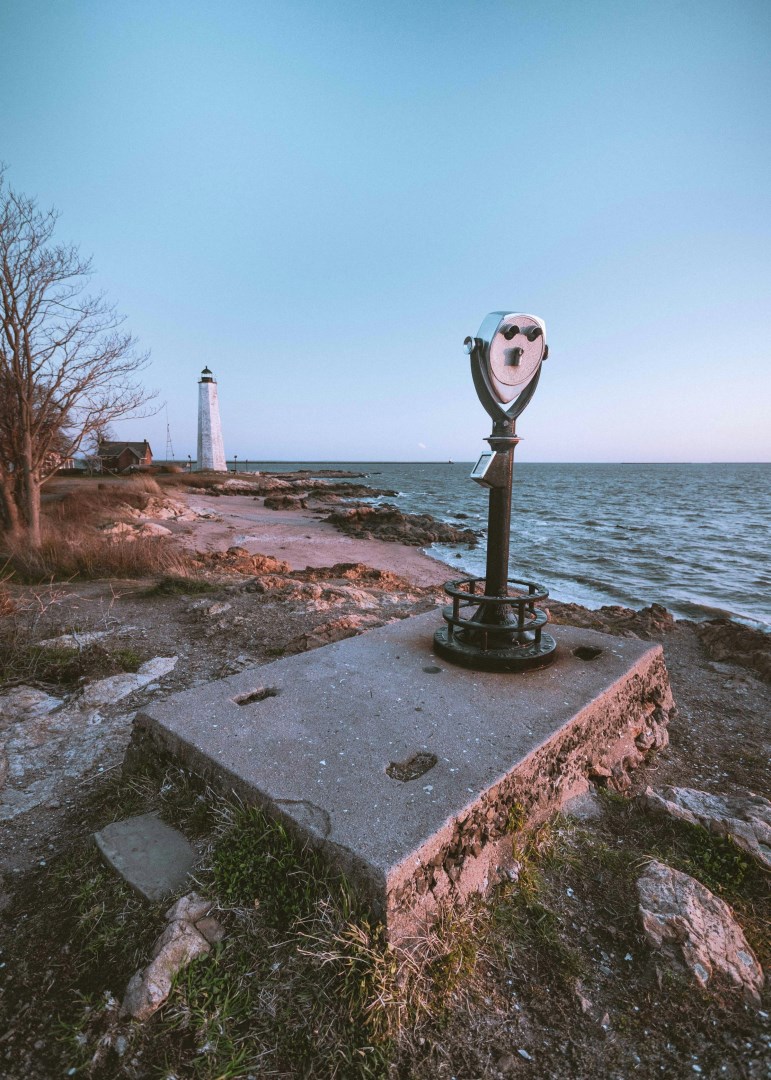
New Haven
New Haven, city in New Haven County, southern Connecticut, a port on Long Island Sound, at the mouth of the Quinnipiac River. It is known as an educational center and is the seat of Yale University (1701), Albertus Magnus College (1925), and Southern Connecticut State College (1893); the University of New Haven (1920) is in nearby West Haven.

Westport
Westport, located on Ireland’s west coast in County Mayo, is a charming town renowned for its picturesque streets, lively cultural scene, and proximity to some of Ireland’s most scenic landscapes.

Huddersfield
Highlights of Huddersfield include: sports, golf driving range; beer festivals, pubs & breweries; and Huddersfield Philharmonic Orchestra.

Mbeya
In southern Tanzania, this pleasant town is the capital of the Mbeya region and an important trading center for tobacco, tea, cocoa and cattle. It is the last railroad stop in the country before entering Zambia

Suriname
Suriname’s forests cover more than nine‑tenths of the country and house an astounding array of wildlife. The Central Suriname Nature Reserve, one of the largest rainforest sanctuaries on Earth, shelters jaguars, giant river otters, and hundreds of bird species. Nearer the capital, Brownsberg Nature Park offers forest trails and waterfalls amid 1,450 plant and 350 bird species, just a short drive from Paramaribo.
