

Grenada
You'll know why picturesque Grenada is known as the "spice island" when you notice the scent of nutmeg, vanilla and cocoa in the air. Grenada's waterfalls, lush rain forests, volcanic crater lake, tiny villages, cocoa, nutmeg and banana plantations, rum distilleries, scenic hiking trips, pristine coral reefs, and hidden-away unspoiled beaches all make Grenada one of the most popular ecotourism destinations for those who like to discover off-the-beaten-track natural beauty and charm.
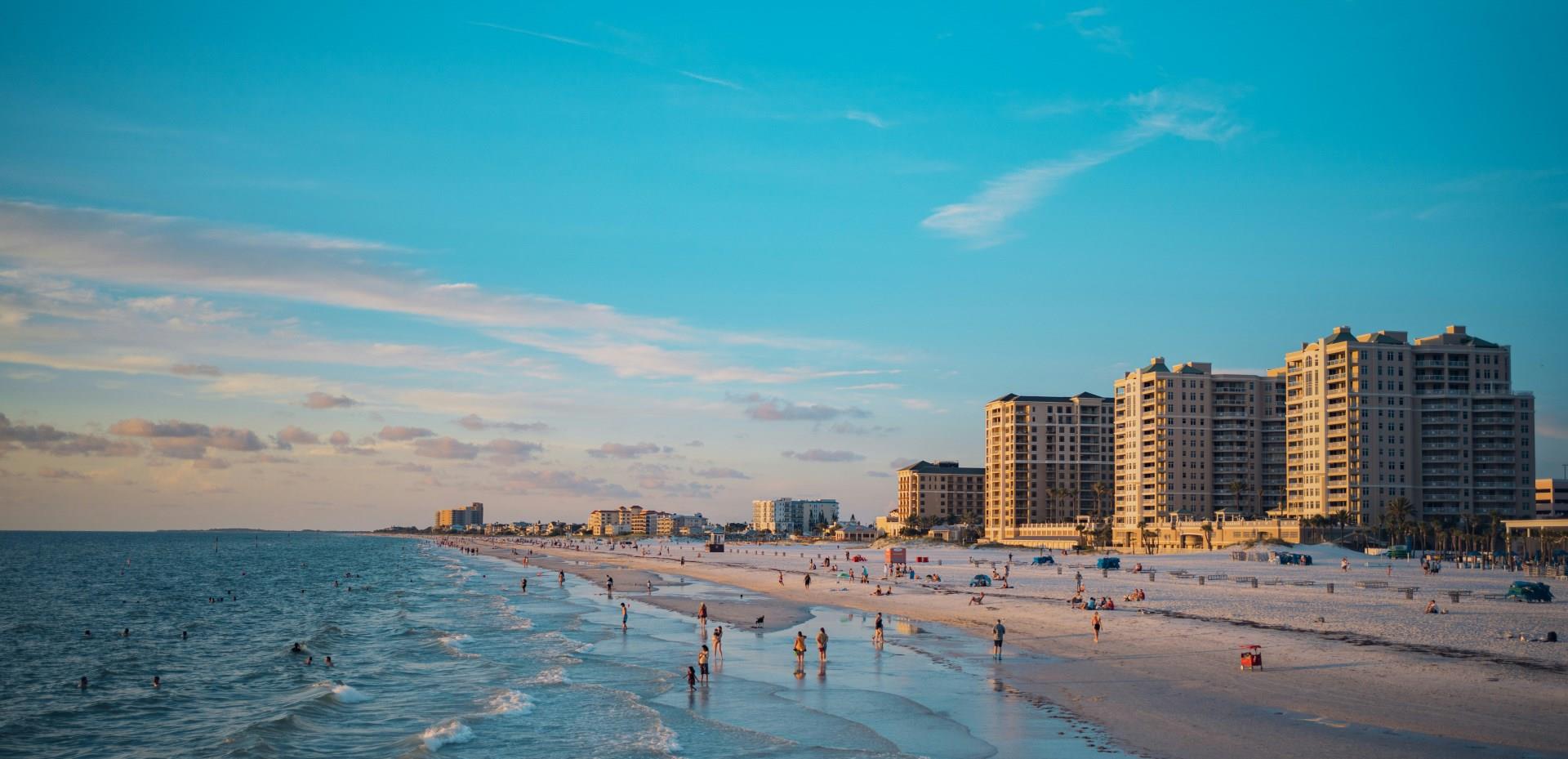
Clearwater
Clearwater, Florida, is a sun-drenched gem on the Gulf Coast, known for its pristine beaches and vibrant atmosphere. At the heart of Clearwater's allure is its Clearwater Beach, often heralded as one of the top beaches in the United States. With its powdery white sands and crystal-clear waters, it's a paradise for beachgoers and water sports enthusiasts alike. The beach offers a bustling promenade, where visitors can enjoy everything from fresh seafood to lively street performances.
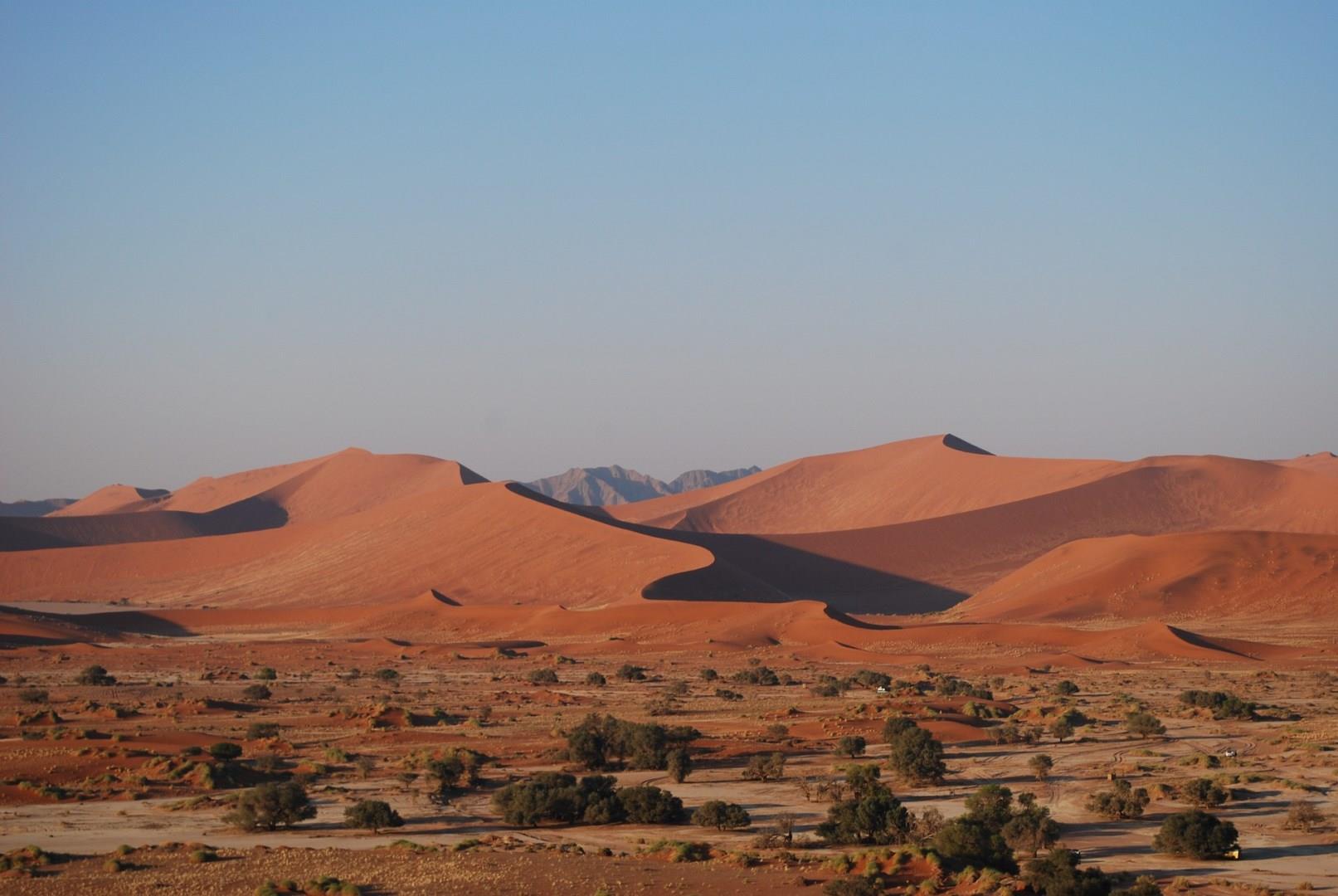
Sesriem
Sesriem, located in the heart of Namibia’s Namib Desert, serves as the gateway to the world-famous Sossusvlei and Deadvlei, two of Namibia’s most iconic landscapes. The dramatic red dunes of the Namib Desert, some of the highest in the world, are an awe-inspiring sight, particularly at sunrise when the light casts long shadows, creating an otherworldly contrast of colors.

Warnemunde
Warnemunde (or Warnemünde) is a port city in Germany and a frequent stop on many Northern European cruises. Across the Baltic Sea from Denmark's capital, Copenhagen, this charming seaside city has a number of delightful attractions, including the Warnemünde Lighthouse, a variety of local shops along the marina, and surfing lessons on the beach.

Manarola
Manarola, one of the most picturesque villages in Italy’s famed Cinque Terre, is a haven for travelers seeking a blend of breathtaking scenery, vibrant local culture, and authentic Italian charm. Perched on a rocky cliff overlooking the Ligurian Sea, the village is known for its iconic pastel-colored houses cascading down the hillside.
