
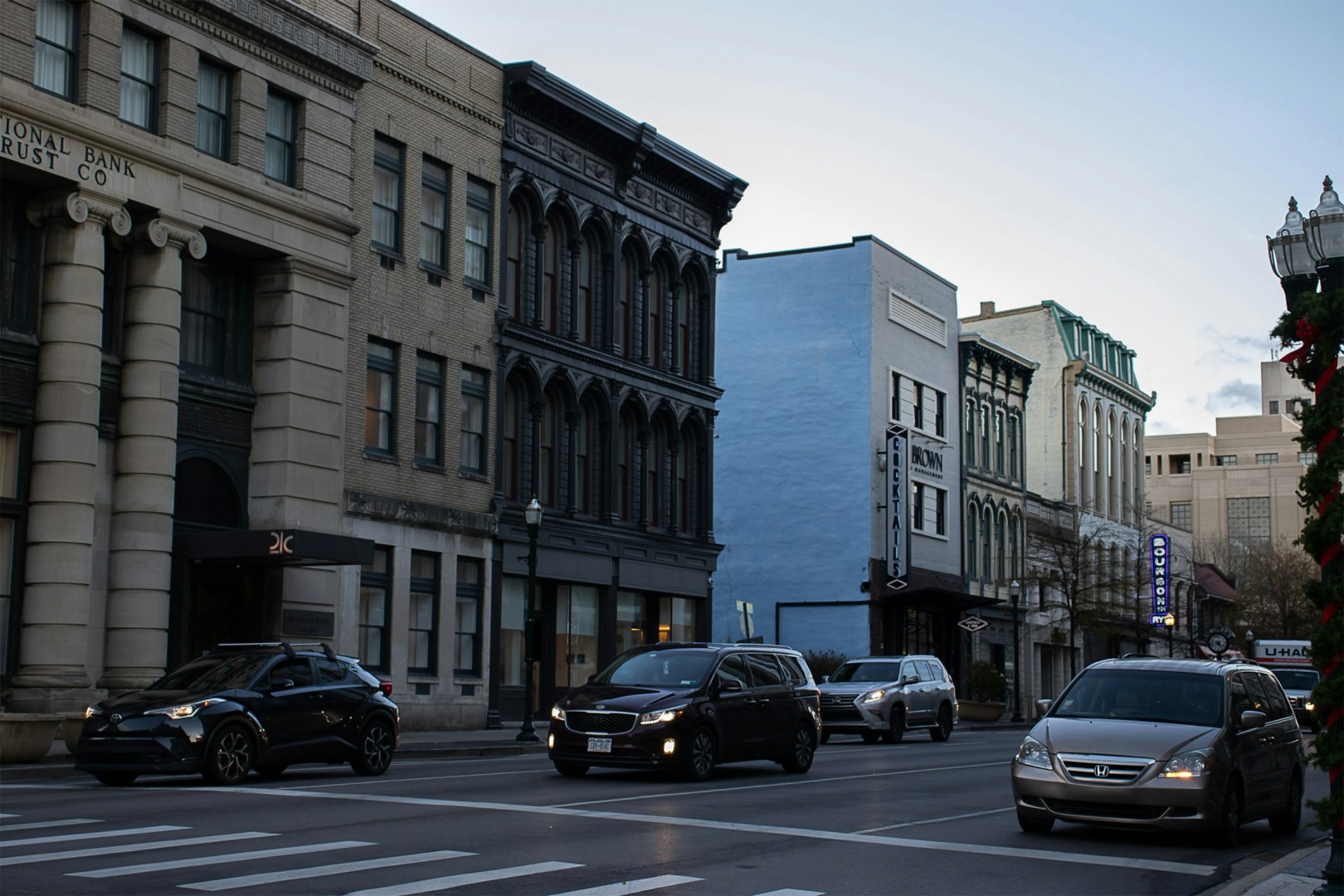
Lexington
Lexington lies in Kentucky’s Bluegrass Region, surrounded by rolling pastureland, limestone-rich soil and hundreds of horse farms. Known as the “Horse Capital of the World,” the city is closely associated with Thoroughbred breeding and racing, yet it also has a busy downtown shaped by universities, restaurants, arts venues and bourbon production.
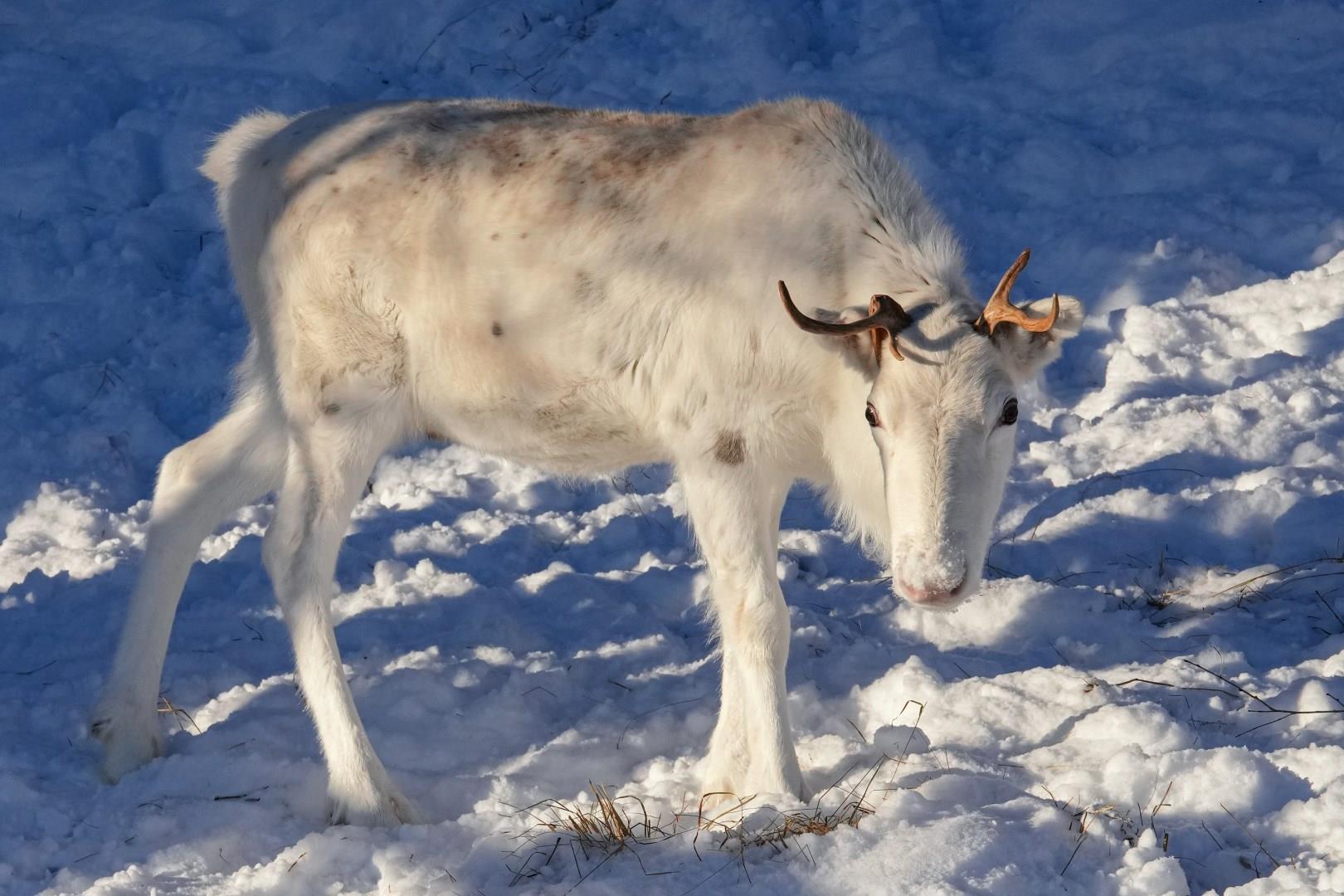
Kirkenes
Kirkenes sits at the far northeastern edge of Norway, just a few kilometers from the Russian border and not far from Finland. This Arctic town offers travelers a perspective they won’t find anywhere else in the country. With street signs in both Norwegian and Russian, and a local history shaped by war, trade, and shifting borders, Kirkenes has long stood at the crossroads of cultures.
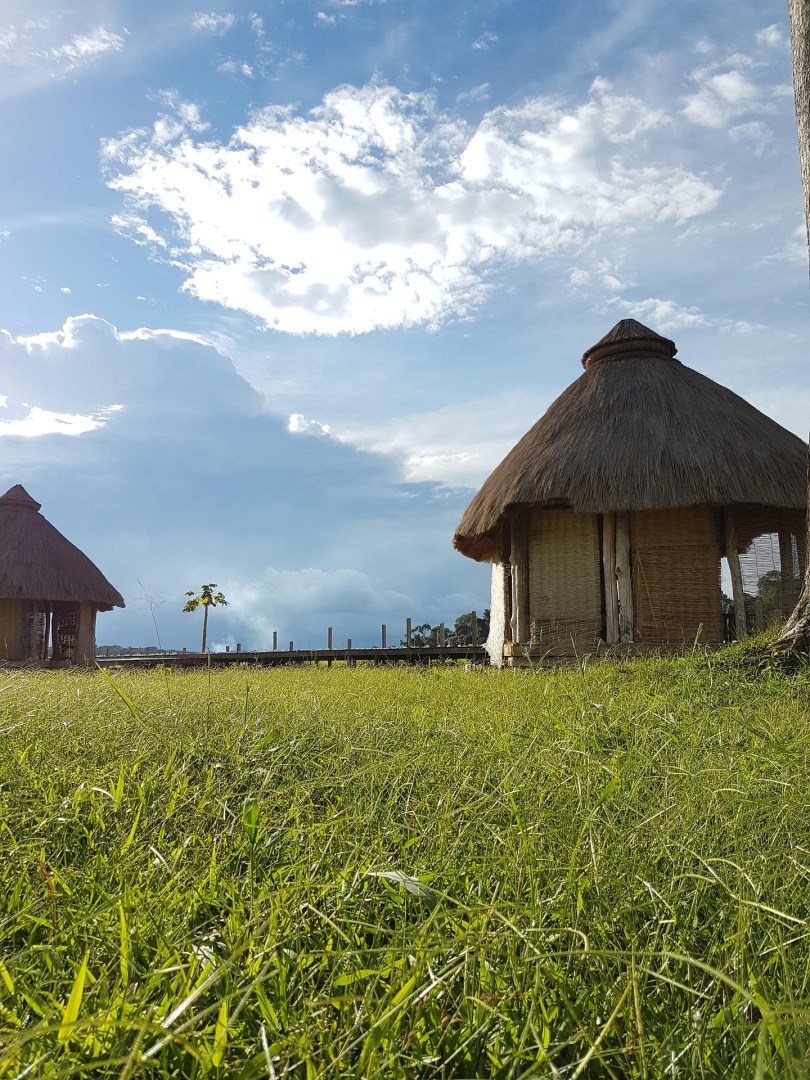
Cameroon
Cameroon is often called “Africa in miniature” for good reason. Within its borders, travelers can explore coastal beaches, dense rainforests, vast savannas, active volcanoes, and snow-capped peaks, all without crossing a border. The country’s most iconic landmark, Mount Cameroon, is the highest mountain in West Africa and an active volcano that draws hikers from around the world.

Inyeug
Inyeug, more commonly known as Mystery Island, is a tiny, uninhabited islet off the coast of Aneityum in Vanuatu’s southernmost province. Measuring just 1.5 kilometers long, the island is completely free of roads, shops, and electricity. What it offers instead is pure seclusion and untouched beauty. Cruise ships often anchor offshore, bringing day visitors to its white-sand beaches and shallow coral lagoons, but once they depart, the island returns to stillness.
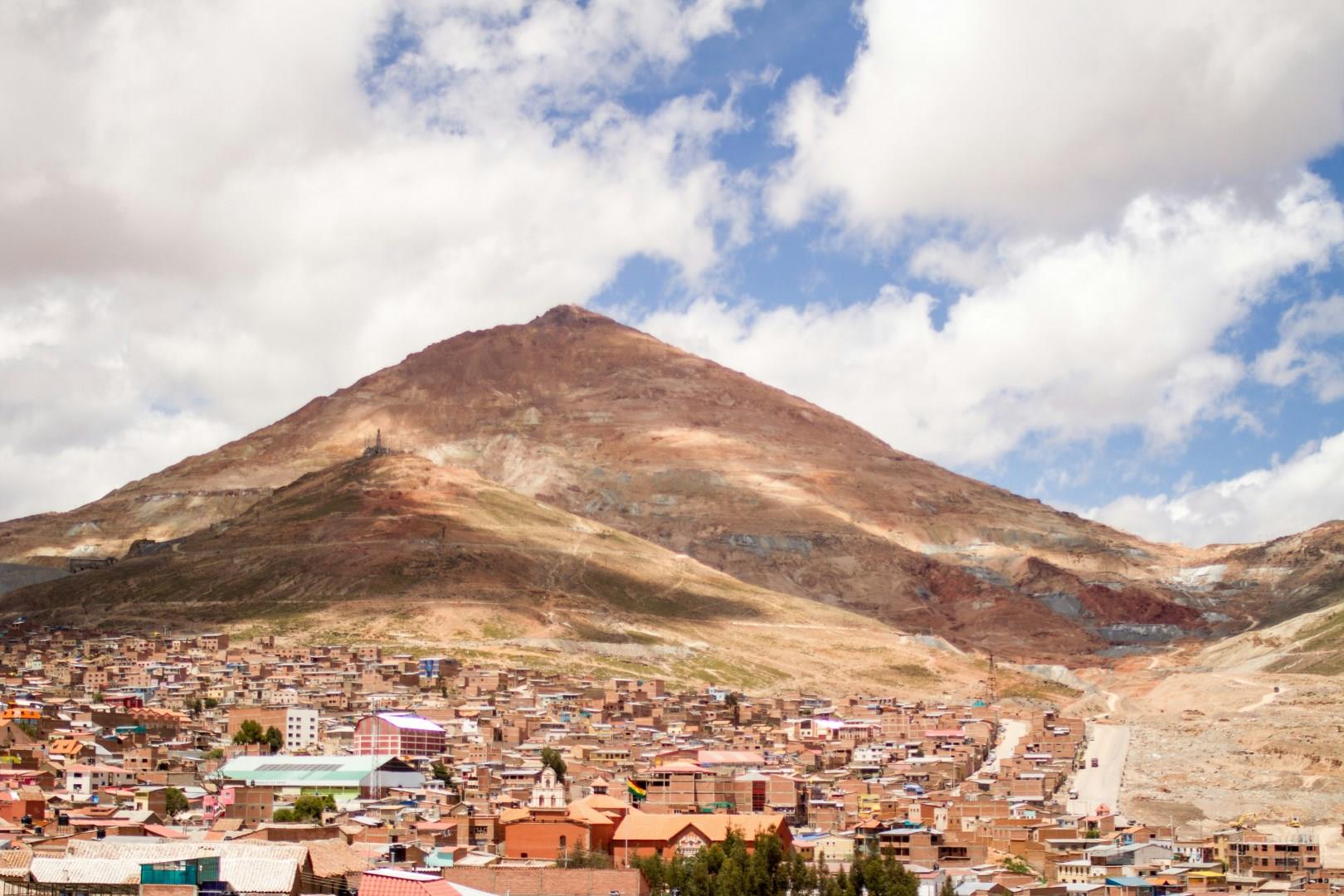
Potosi
Potosí rises on the Altiplano of southern Bolivia and for centuries it was one of the richest cities in the world because of what lies just beyond its streets. At the foot of Cerro Rico (“Rich Mountain”), silver was discovered in the mid-1500s, and within a few decades the city became a center of mining and wealth that shaped global trade and economies.
