
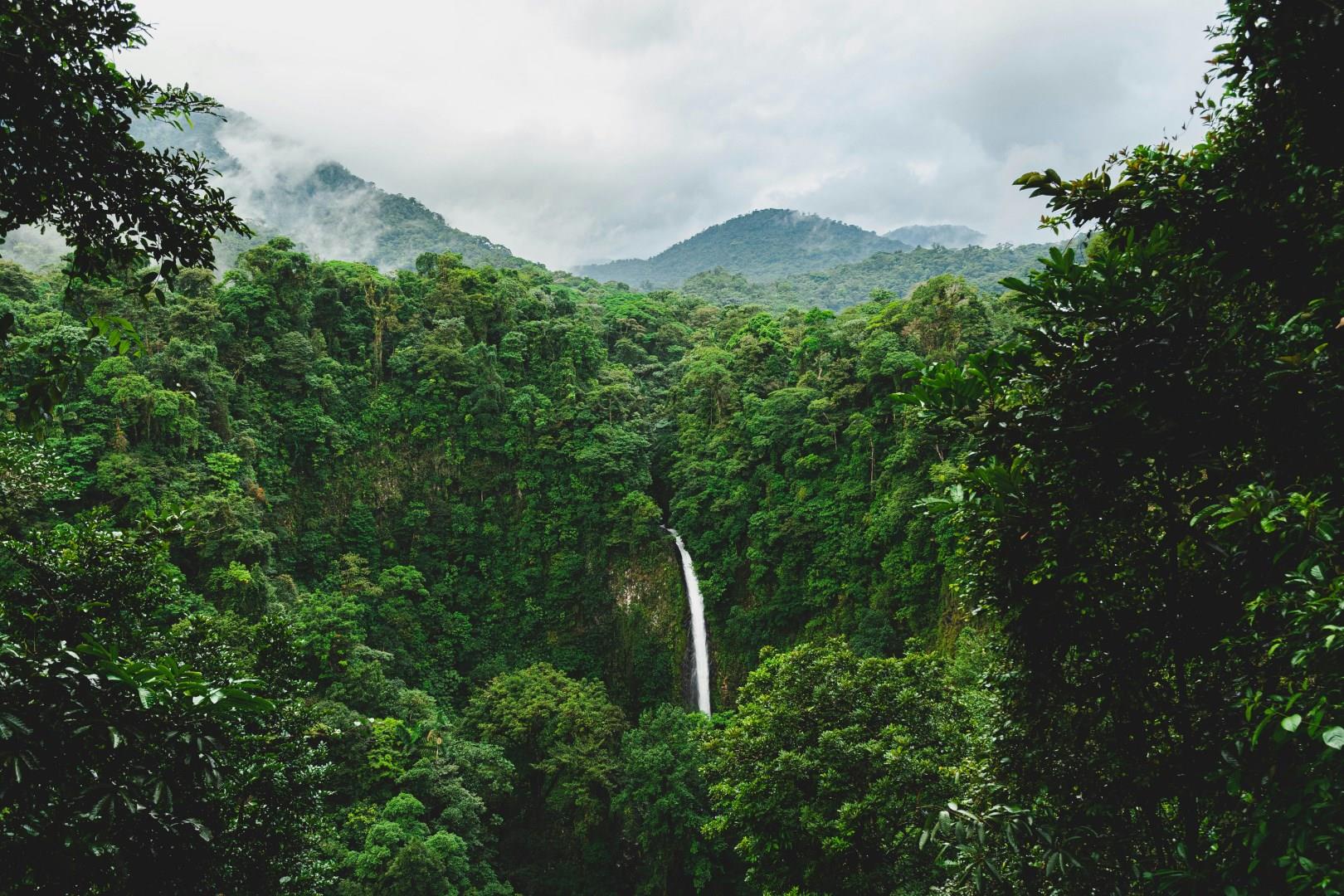
Arenal
Nestled in the lush region of northern Costa Rica, Arenal is a destination that promises adventure, relaxation, and breathtaking natural beauty. Dominated by the imposing Arenal Volcano, one of the most active volcanoes in the world until recently, this area is a paradise for nature lovers and thrill-seekers alike.
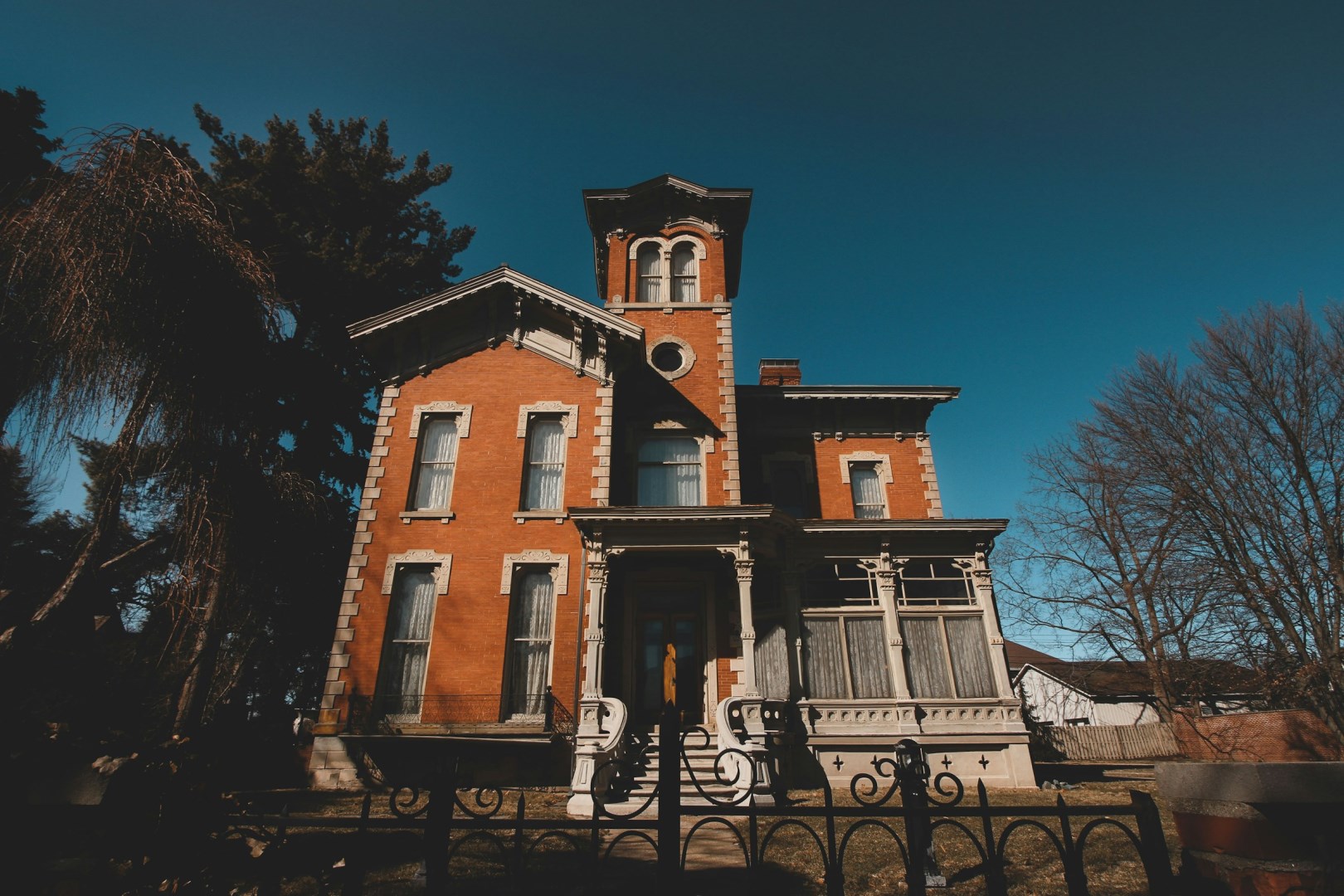
Kalamazoo
Located midway between Chicago and Detroit, Kalamazoo is rapidly becoming an important center for business, education, culture, and many other activities.

Louisiana
Louisiana, with its vibrant blend of cultures, history, and natural beauty, offers a rich tapestry of experiences for every traveler. At the heart of the state's allure is New Orleans, renowned for its lively French Quarter, historic architecture, and world-famous Mardi Gras celebrations.
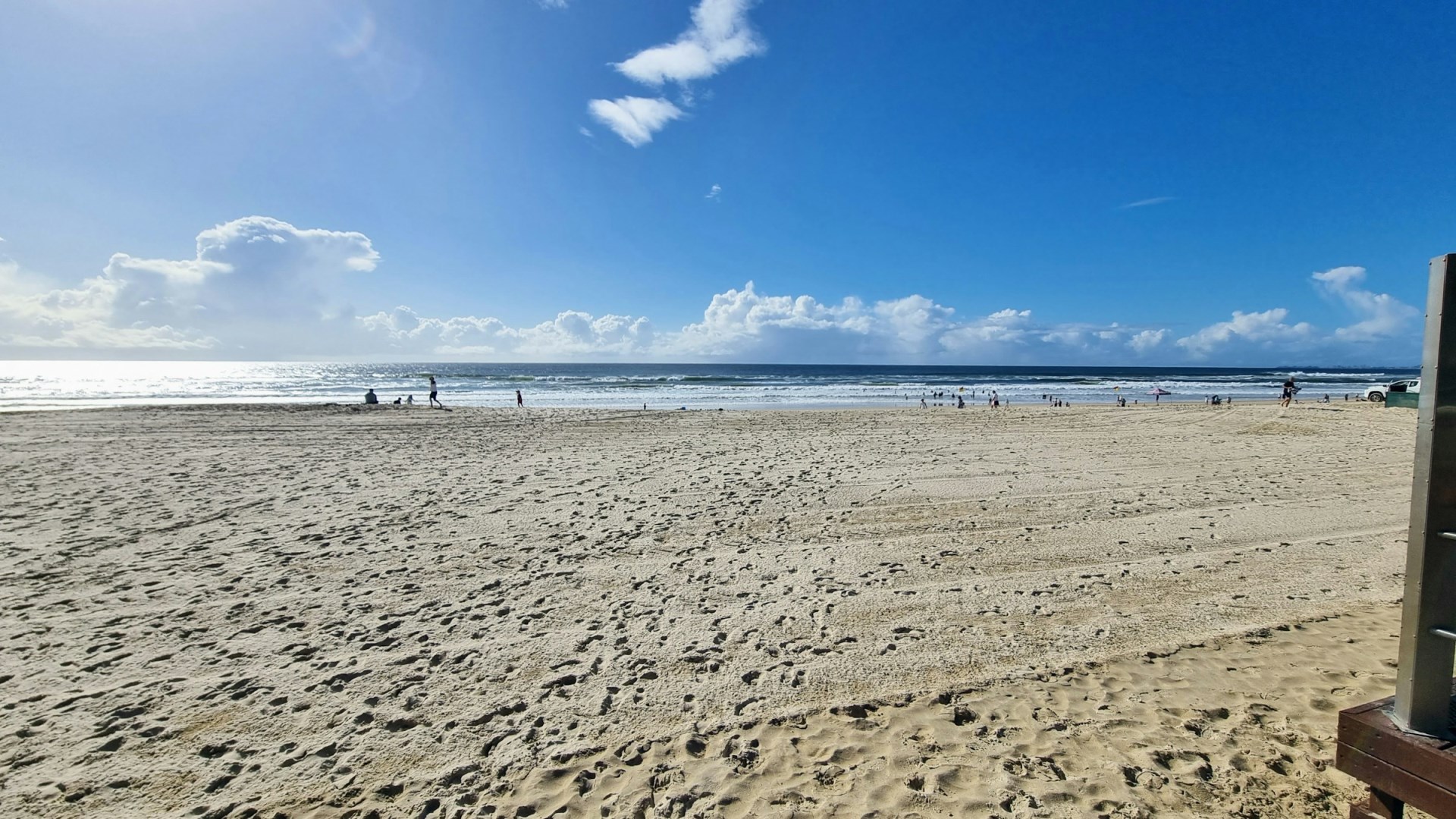
Broadbeach
Broadbeach is one of the fastest growing resort style shopping areas on the Gold Coast and has three major shopping areas; Pacific Fair, Oasis on Broadbeach, and the Pan Pacific and Conrad International Hotels - which are linked across the Gold Coast highway by monorail. The Cascade Water Gardens offer visitors an ideal picnic spot with free electric barbecues, children's playground, canal fishing and band rotunda - which offers free entertainment on the first Sunday of every month.

Dutch Harbor
Dutch Harbor, Alaska, located on Unalaska Island in the Aleutian chain, is a remote yet captivating destination that offers a unique blend of natural beauty, rich history, and vibrant culture.
