

Samoa
Samoa, a stunning island nation in the South Pacific, invites travelers with its rich cultural traditions and breathtaking landscapes—stunning rainforests, towering waterfalls, and dramatic coastlines that seem to stretch endlessly into the horizon. Made up of two main islands, Upolu and Savaii, along with seven smaller islands, Western Samoa is a vibrant hub of Polynesian culture.
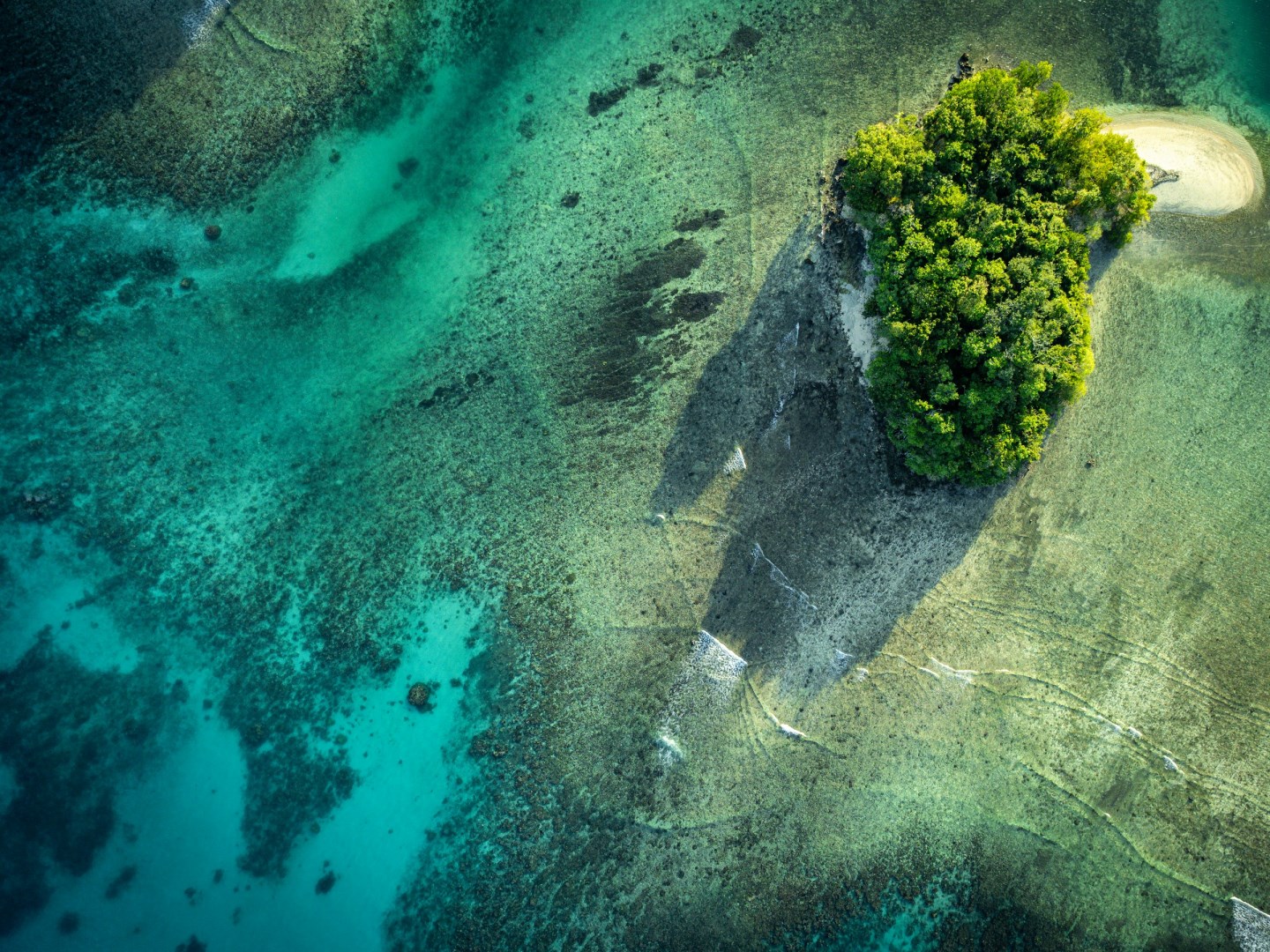
Espiritu Santo Island
Espiritu Santo, one of the largest islands of Vanuatu off the east coast of Australia, is a popular destination for divers. Famous Champagne Beach, as one might guess from the name, offers crystal clear waters and powdery white sands, while the western side of the island is dotted with caves to explore and reefs team with marine life just offshore.
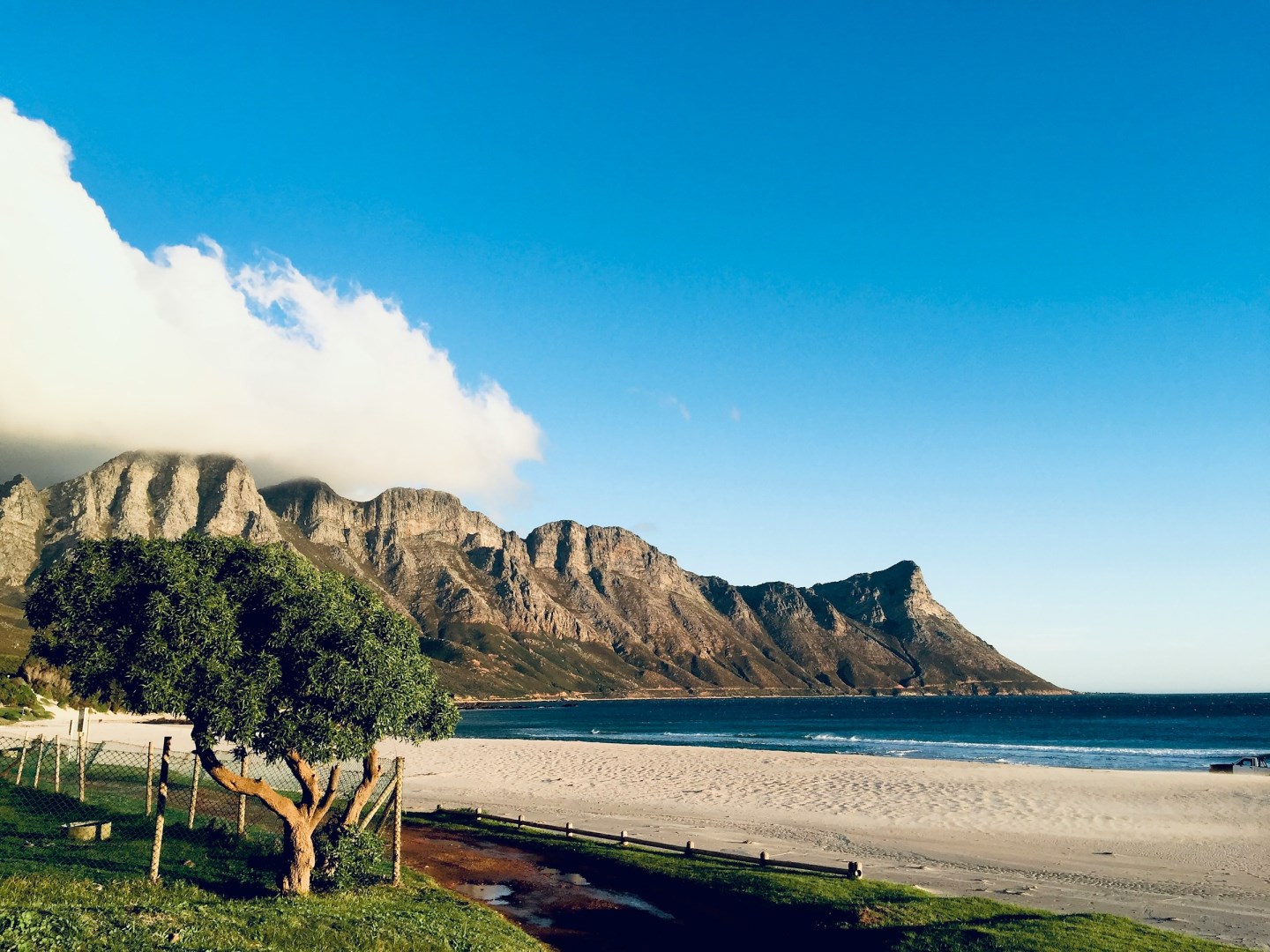
Western Cape
Western Cape is a province in southwestern South Africa, extending from the Atlantic coast across the Cape Fold Mountains, inland valleys, and dry Karoo landscapes. Cape Town is its provincial capital and largest city, while towns such as Stellenbosch, George, Hermanus, and Oudtshoorn represent different parts of the region.
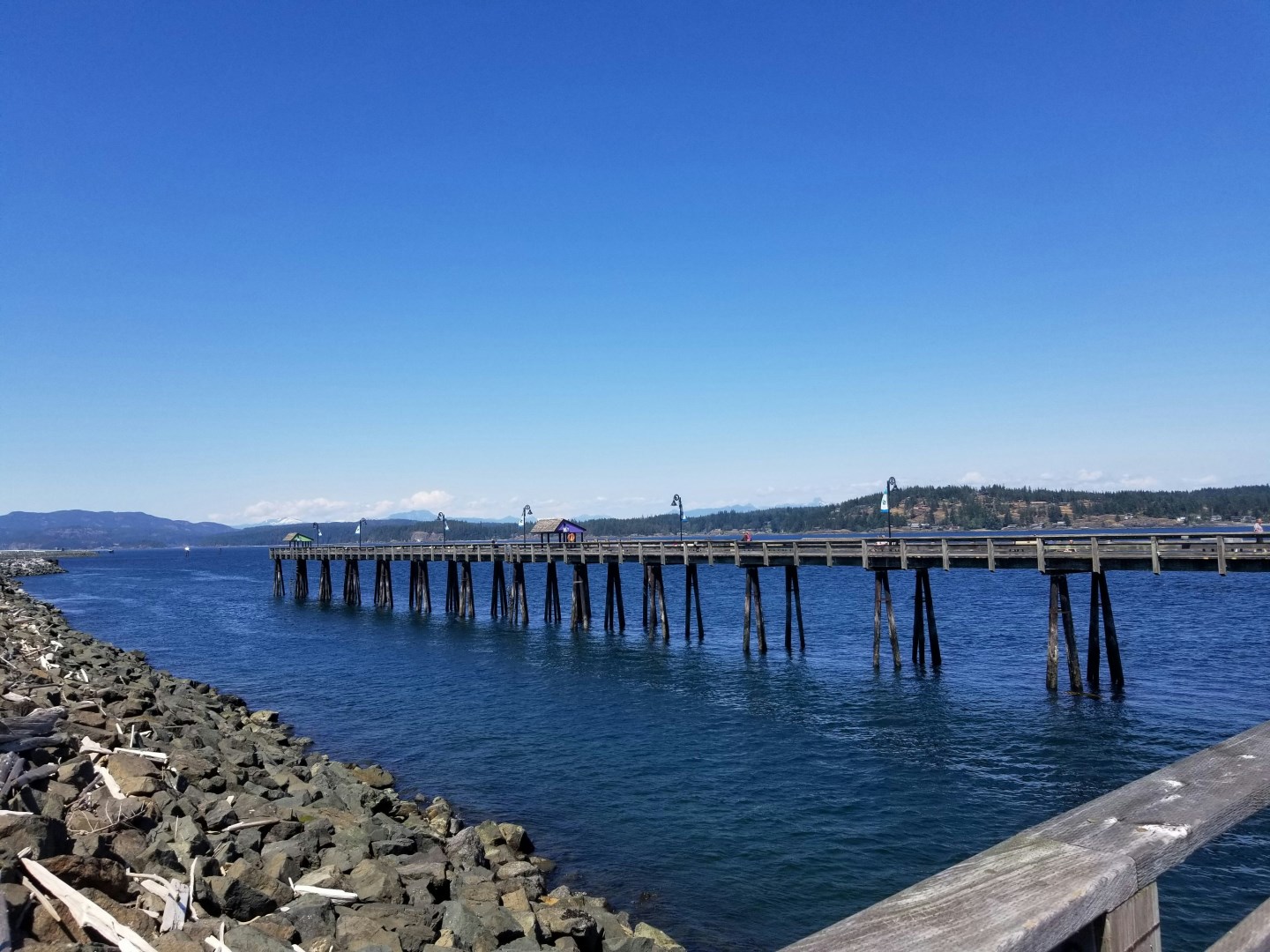
Campbell River
Campbell River is a coastal city on the eastern side of Vancouver Island in British Columbia, positioned where the Strait of Georgia meets the Discovery Passage.
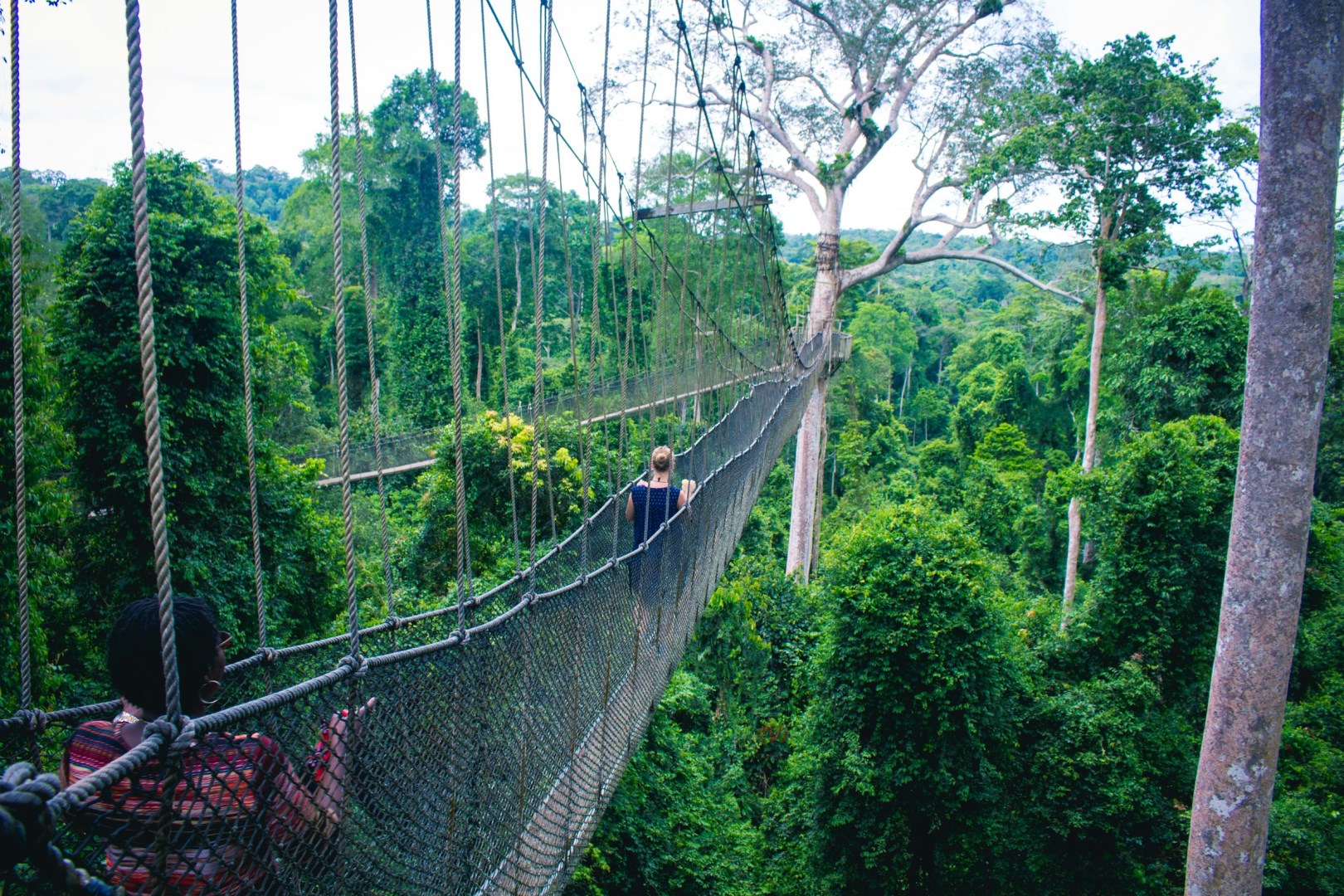
Kakum National Park
Kakum National Park is a protected rainforest area in southern Ghana, located near Cape Coast in the Central Region. The park covers a large area of tropical forest with tall trees, dense undergrowth, streams, and shaded paths. It is part of the Upper Guinea Forest ecosystem, one of West Africa’s important remaining rainforest zones. Kakum is particularly known for its canopy walkway, which allows visitors to experience the forest from above the ground.
