
Pamukkale
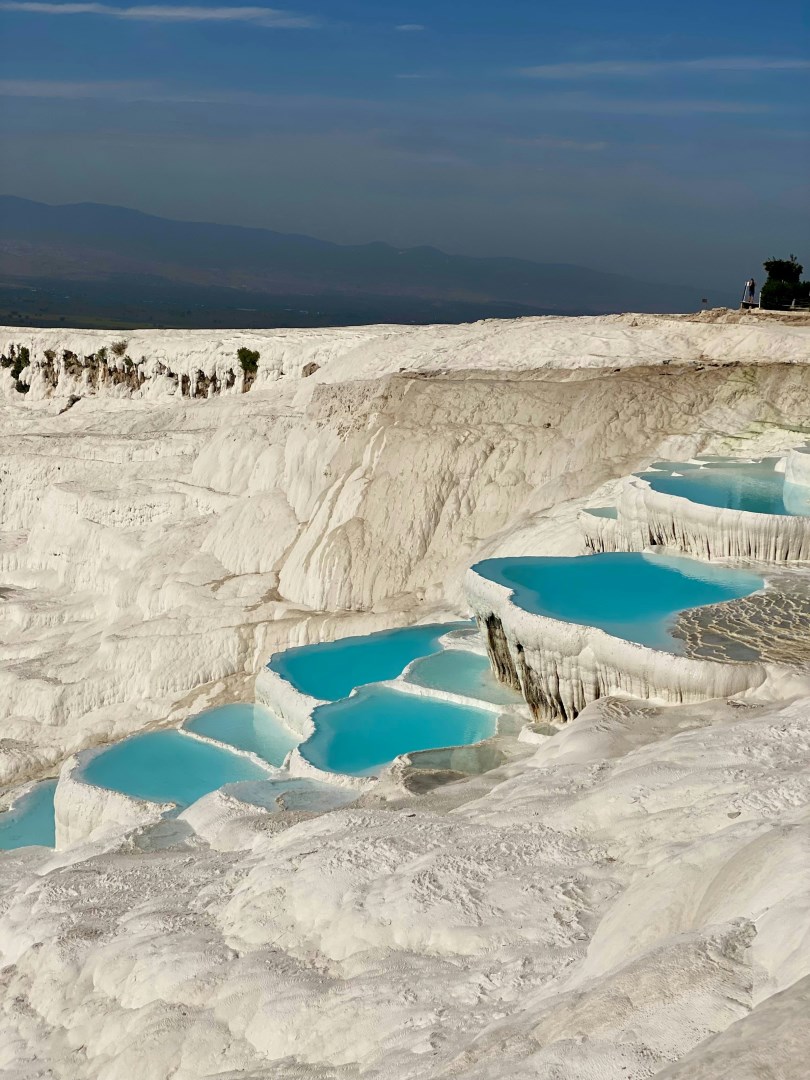
Pamukkale is a fairyland of dazzling white, petrified castles. It is a magical and spectacular natural site, unique in the world. Thermal spring waters laden with calcareous salts running off the plateau's edge, have created this fantastic formation of stalactites, cataracts and basins.
Darrow
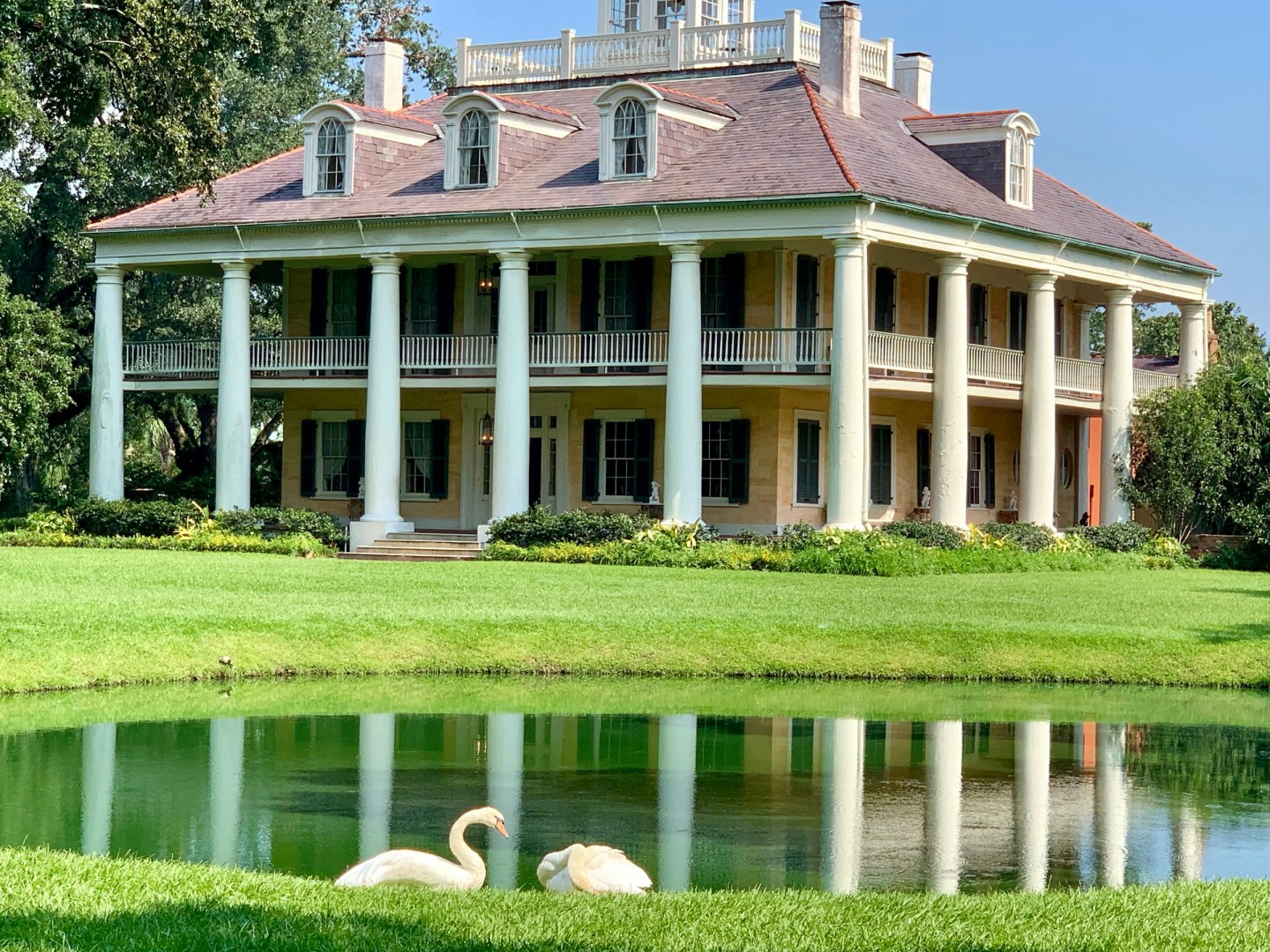
Darrow is a small community in Ascension Parish along the east bank of the Mississippi River, positioned between Baton Rouge and New Orleans on Louisiana’s historic Great River Road. Its identity is closely connected to the river, sugar-cane agriculture, and the plantation landscapes that line this stretch of the Mississippi. Rather than functioning as a large urban destination, Darrow offers access to historic estates, gardens, museums, and rural river scenery.
Margarita Island
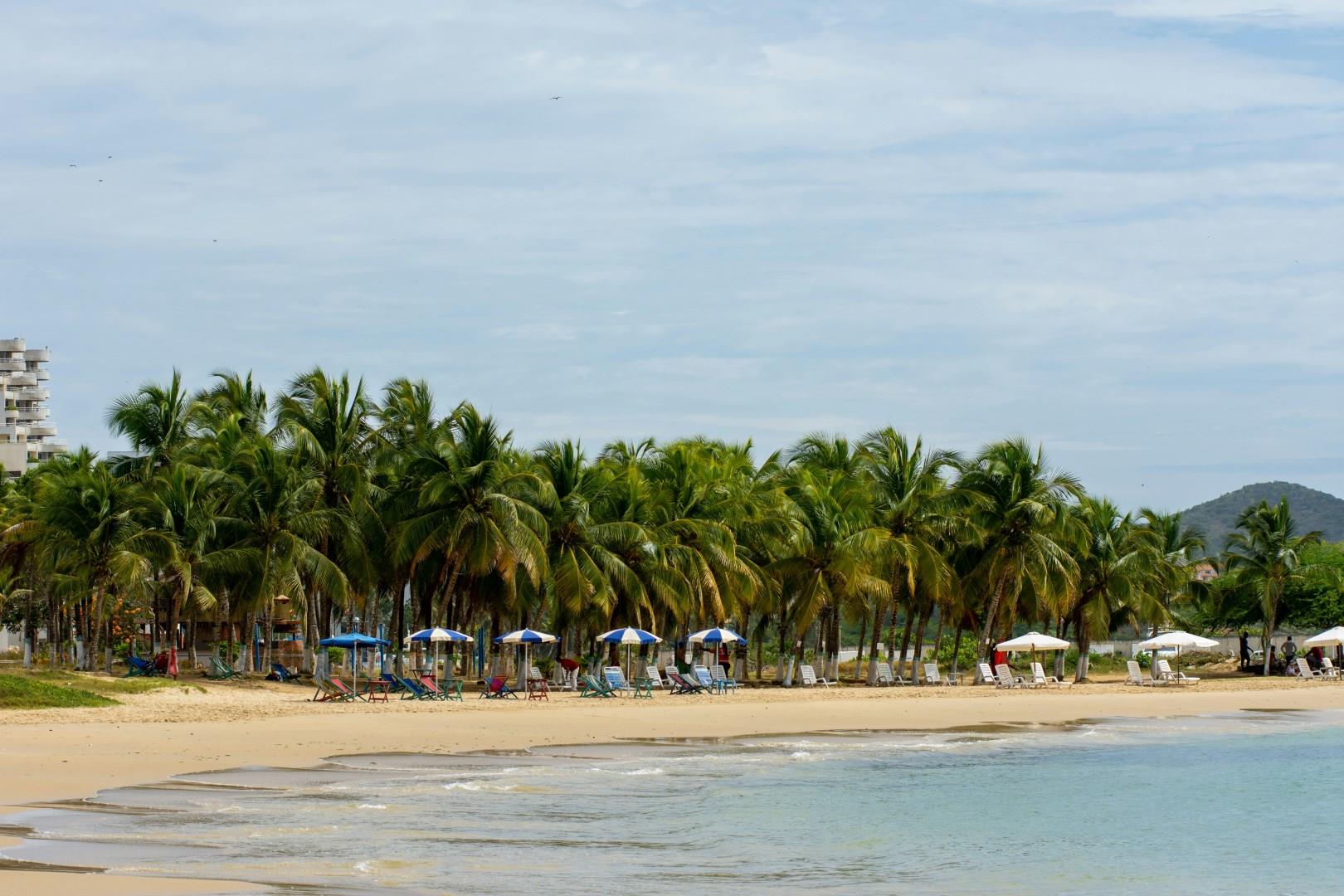
Margarita Island, known locally as Isla de Margarita, sits just off Venezuela’s northeastern coast in the warm Caribbean Sea. The island's famous beaches span from quiet coves to wide-open shorelines. Playa El Agua stretches for over two miles with swaying palms and lively beachfront restaurants serving fresh snapper, tostones, and cold Polar beer. For those seeking less crowded sands, Playa Zaragoza offers calm waters and a glimpse of everyday coastal life.
Chester
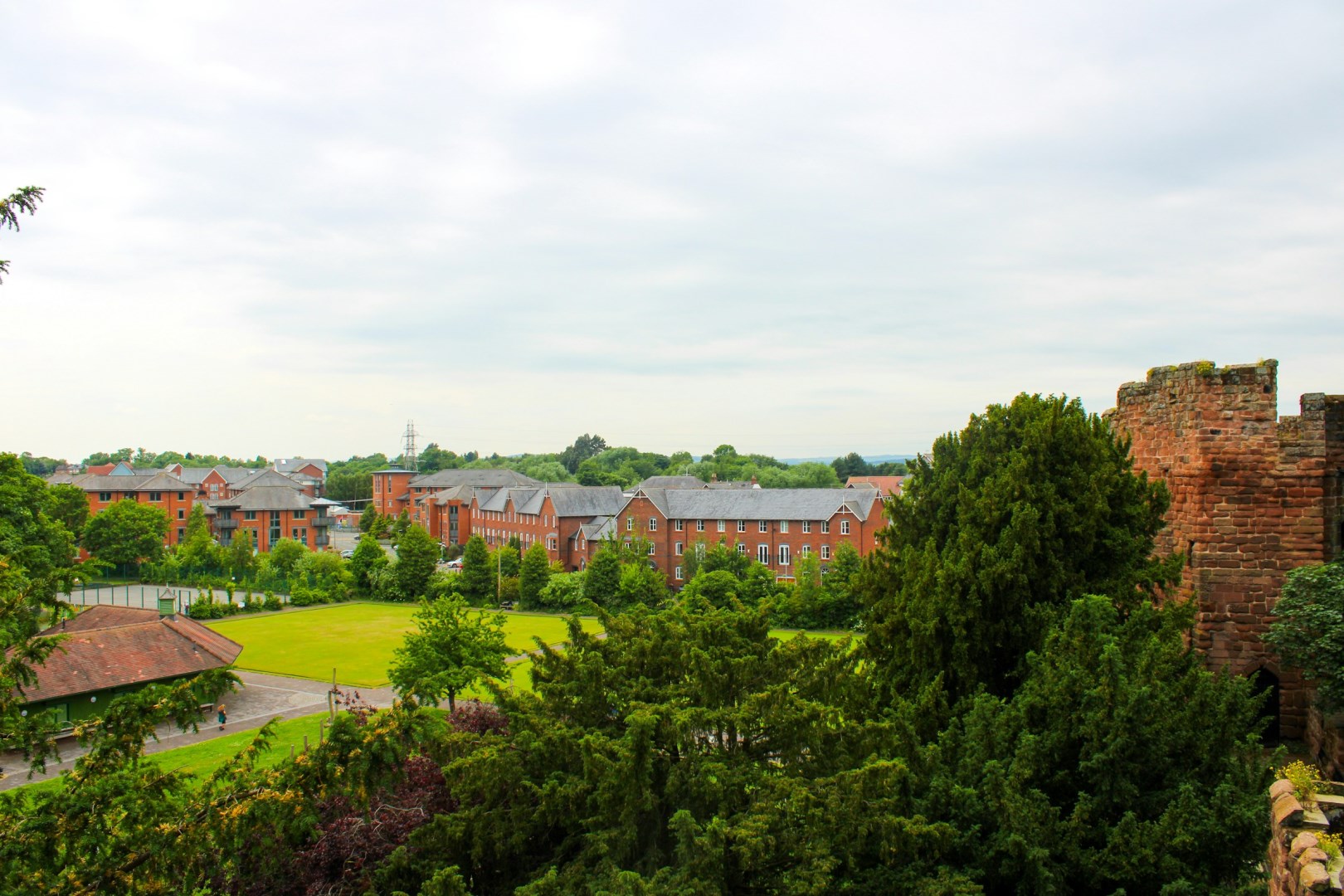
One of the few fully walled cities from Roman times, this city is located south of Liverpool. Interesting shops in the town center are on the second level.
Komodo Island
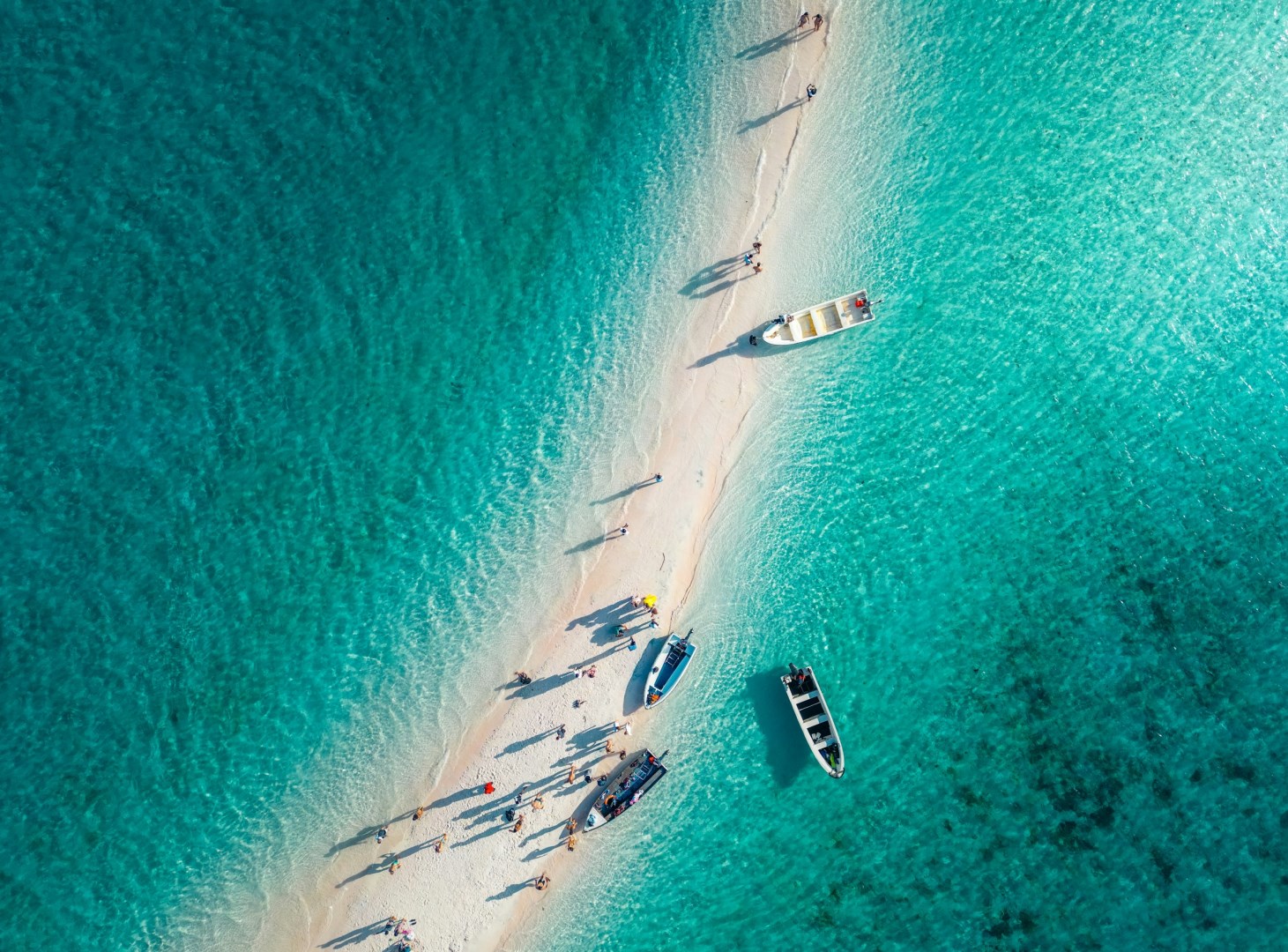
Komodo Island is famous for its Komodo dragons, the largest lizards in the world. These remarkable creatures, which can grow up to 10 feet long, roam freely on the island, offering visitors a rare chance to watch them in their natural environment.
