
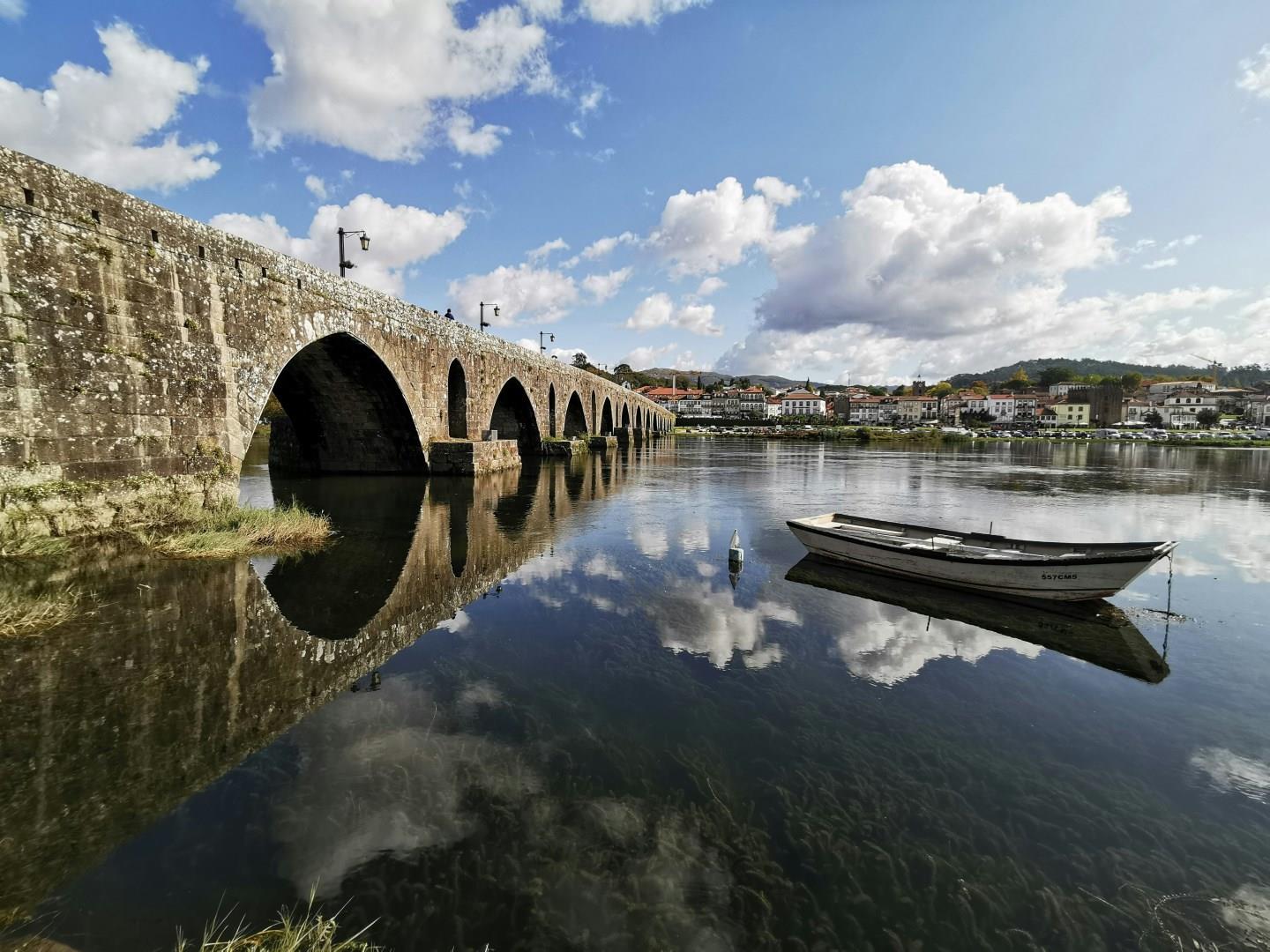
Ponte de Lima
Ponte de Lima sits along the Lima River in northern Portugal and is often regarded as the country’s oldest town. Its identity centers on the medieval bridge that spans the river, parts of which date back to Roman times and still structure how the town is experienced today.

Regensburg
Regensburg, Germany’s medieval gem, will transport you to a bygone era. The site of both Celtic and Roman settlements, Regensburg flourished in the Middle Ages.
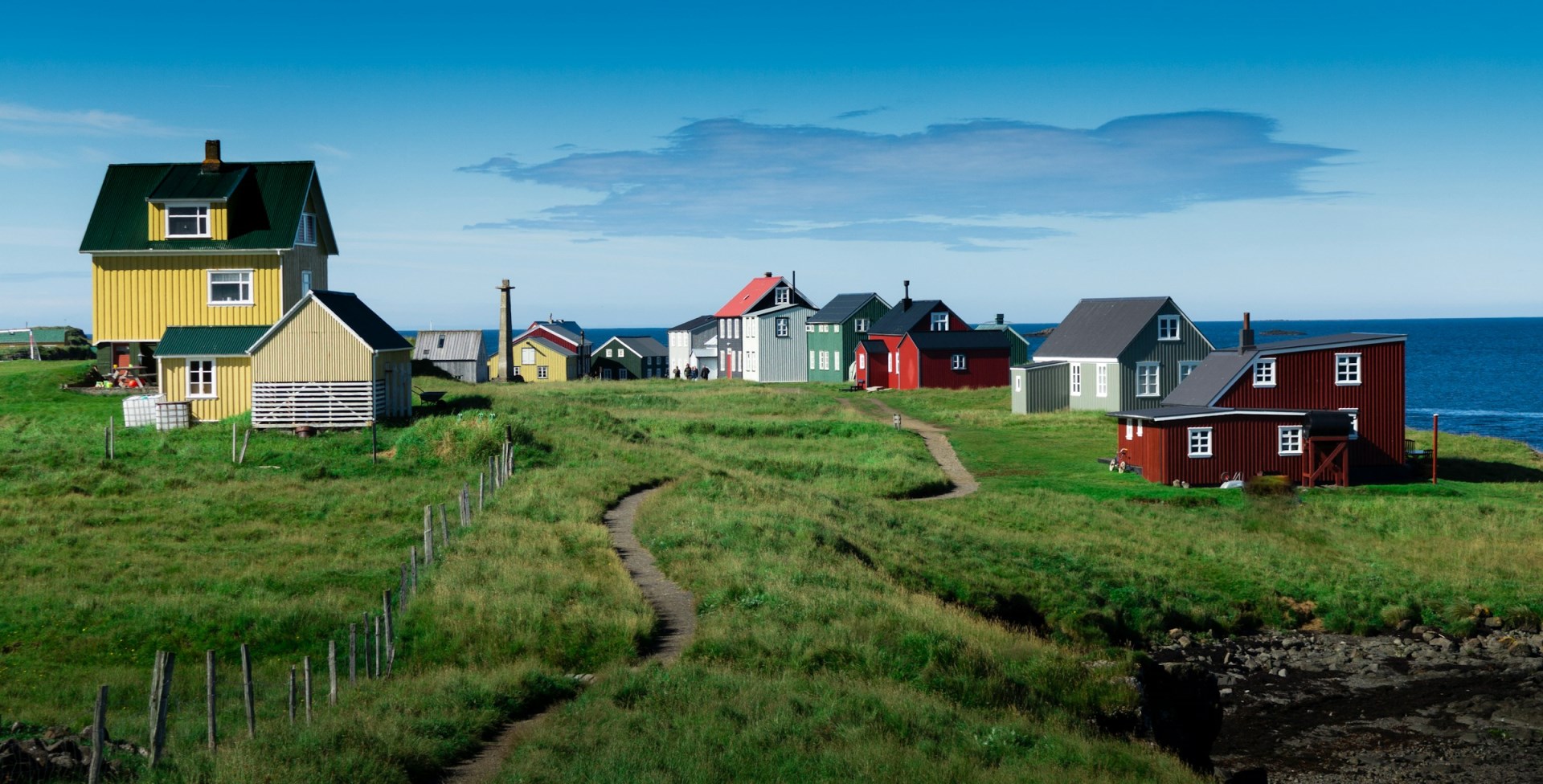
Flatey
Flatey is a small island in Breiðafjörður in western Iceland, known for its compact settlement, historic buildings, and quiet coastal landscape. The island is almost entirely flat, with low fields and rocky shores extending between the surrounding skerries. Its main settlement consists of a cluster of colorful wooden houses, many of which have been preserved as part of the island’s heritage.

Bamberg
Bamberg, located in northern Bavaria, stands out for its remarkably preserved medieval layout, which earned it a spot on the UNESCO World Heritage list. Built on seven hills and often compared to Rome for that reason, the city’s architecture reflects over a thousand years of uninterrupted development. Bamberg is well known for its beer, and not just in the usual Bavarian sense. The city has more breweries per capita than any other town in Germany, and it’s the birthplace of rauchbier.

Bwindi Impenetrable National Park
Bwindi Impenetrable National Park, located in southwestern Uganda, is one of Africa’s most extraordinary natural treasures. Its dense rainforest, often draped in mist, shelters a wealth of biodiversity and has been recognized as a UNESCO World Heritage Site for both its ecological significance and natural beauty. This ancient forest is among the few places on earth where travelers can come face-to-face with mountain gorillas in their natural habitat.
