

Mannheim
This city, which started as a modest fishing village, now offers plenty of modern German charm. The extensive public transportation makes it a perfect home base for seeing nearby attractions such as Heidelberg. Mannheim is known for its many pretzel stands, so make sure you indulge in one of these delicious treats before you leave!

Abuja
Abuja is a planned, modern city and the proposed new federal capital of Nigeria. The site was chosen to replace the capital Lagos because of the central location, easy accessibility, good climate and land for further expansion.
Ogden
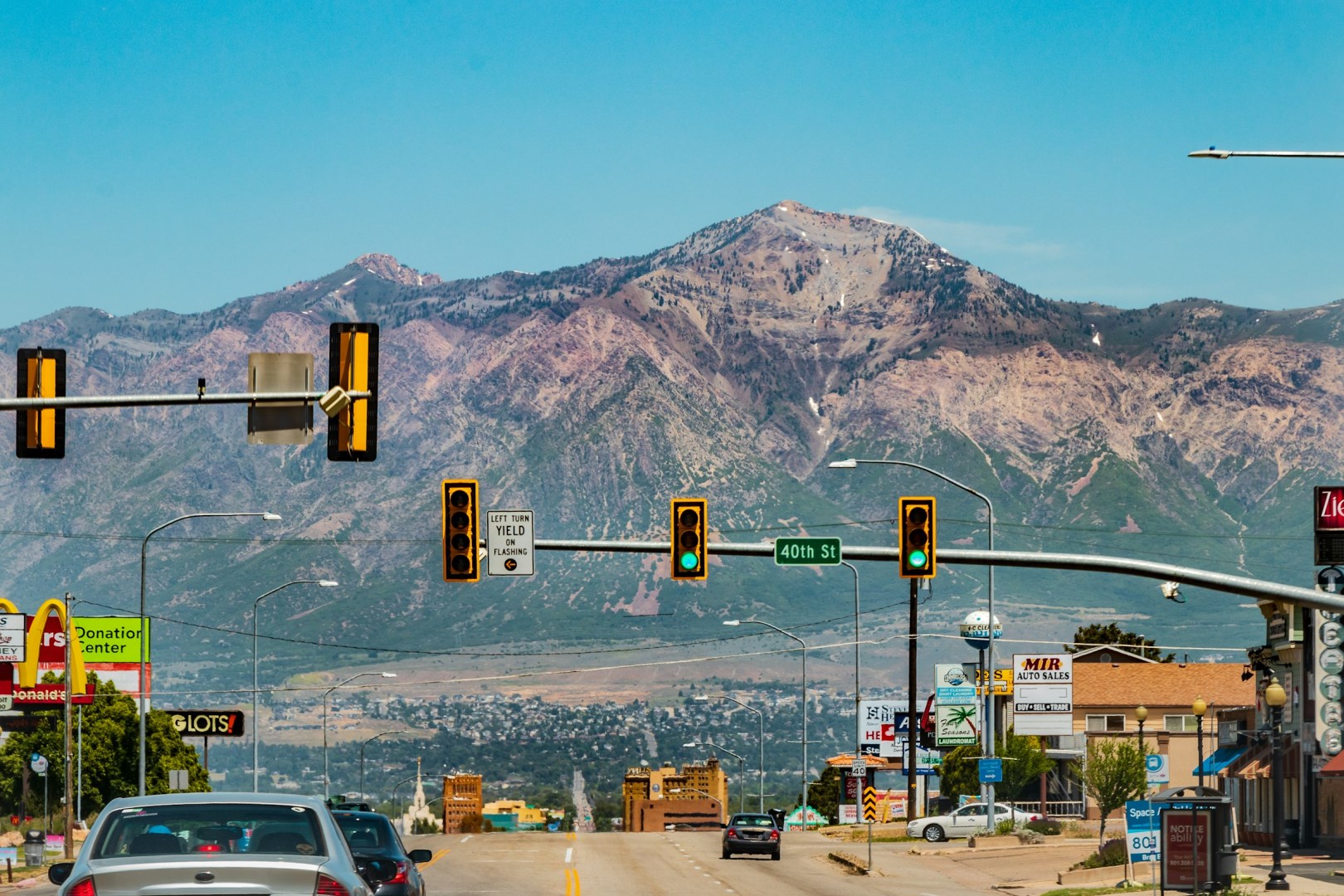
Ogden, city, seat of Weber County, northern Utah, at the confluence of the Ogden and Weber rivers, near Salt Lake City; incorporated 1851. It is an industrial and transportation center. Major manufactures include aerospace equipment, high-technology products, and motor-vehicle products. Construction, tourism, Hill Air Force Base, and the Ogden Defense Depot are of economic importance. Ogden is the site of Weber State University (1889); the Ogden Tabernacle and Temple; the Daughters of Utah Pione
Valladolid
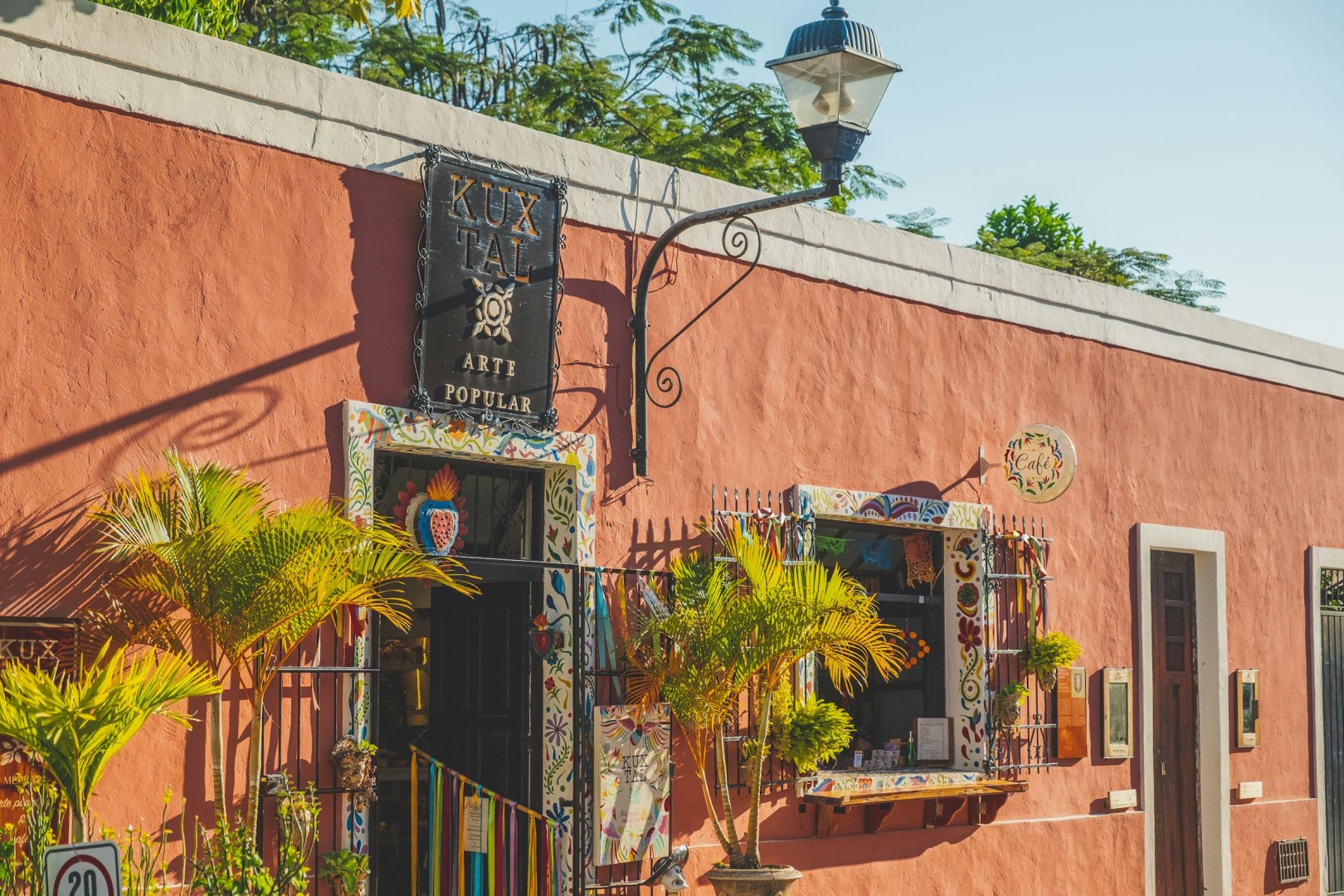
Valladolid is the name of both a province and the city that is its capital. It is the current capital of Castilla y León and the largest city in the region. It is famous for its beautiful gardens and the solemnity and grace of its Holy Week celebrations. The people of Valladolid claim to speak "the pure Spanish."

Portree
North of Sligachan the road first rises and then dips down into Portree - the main town on Skye. With its natural harbor and open perspective, Portree is a pleasant village and offers visitors a fine range of local services, accommodation and things to do.
