
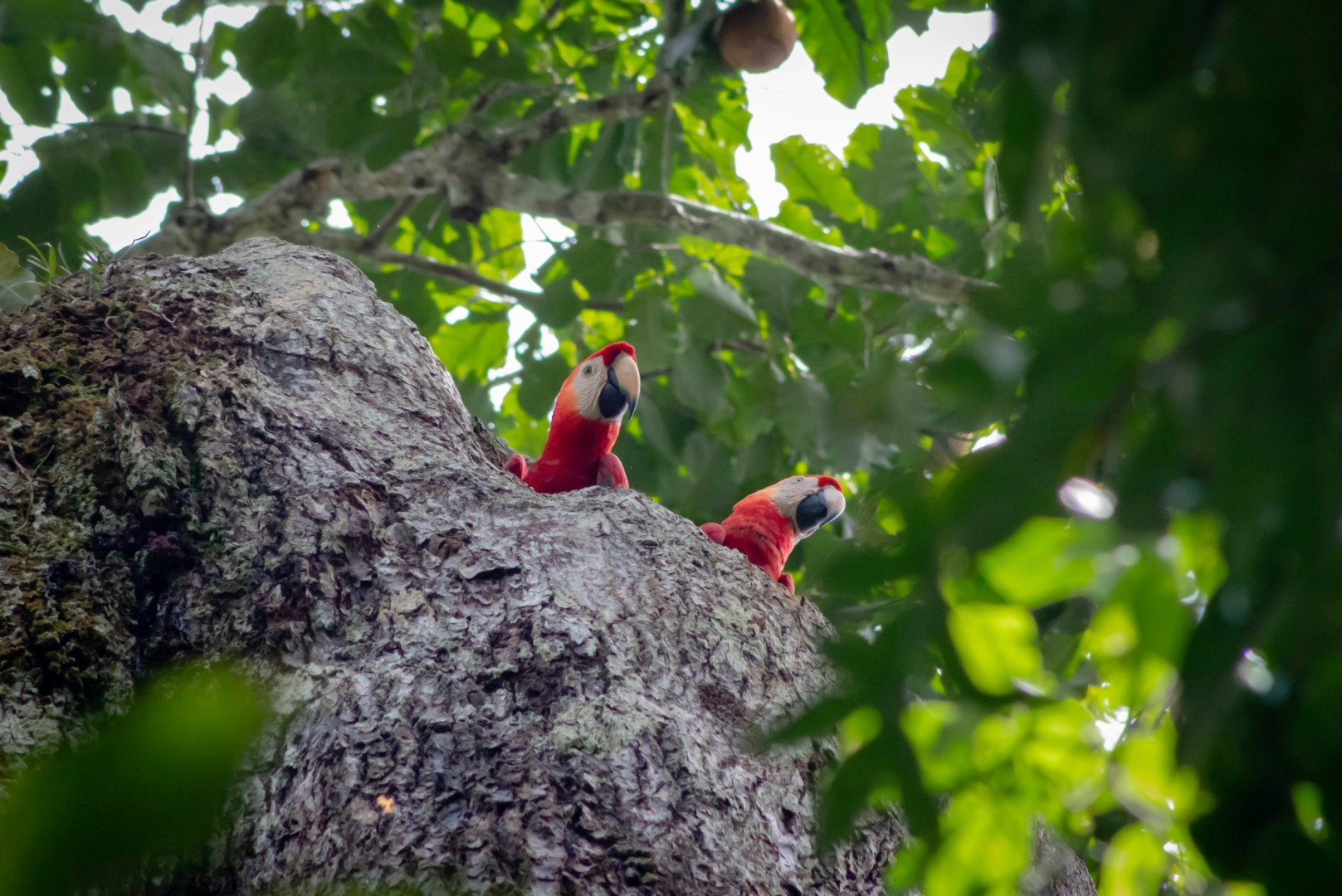
Puerto Maldonado
Nestled in the heart of Peru's Amazon rainforest, Puerto Maldonado serves as a gateway to one of the world's most biodiverse regions. This vibrant city, often referred to as the gateway to the Peruvian Amazon, offers a unique opportunity to explore lush rainforests, encounter exotic wildlife, and experience the rich culture of the Amazonian tribes. The nearby Tambopata National Reserve and Manu National Park are prime destinations for eco-tourists and adventurers alike.

Dusseldorf
The commercial and cultural center for the Ruhr region on the Rhine River, Duseldorff is also the site of the Felderhof Cave where Neanderthal man was found in 1856.
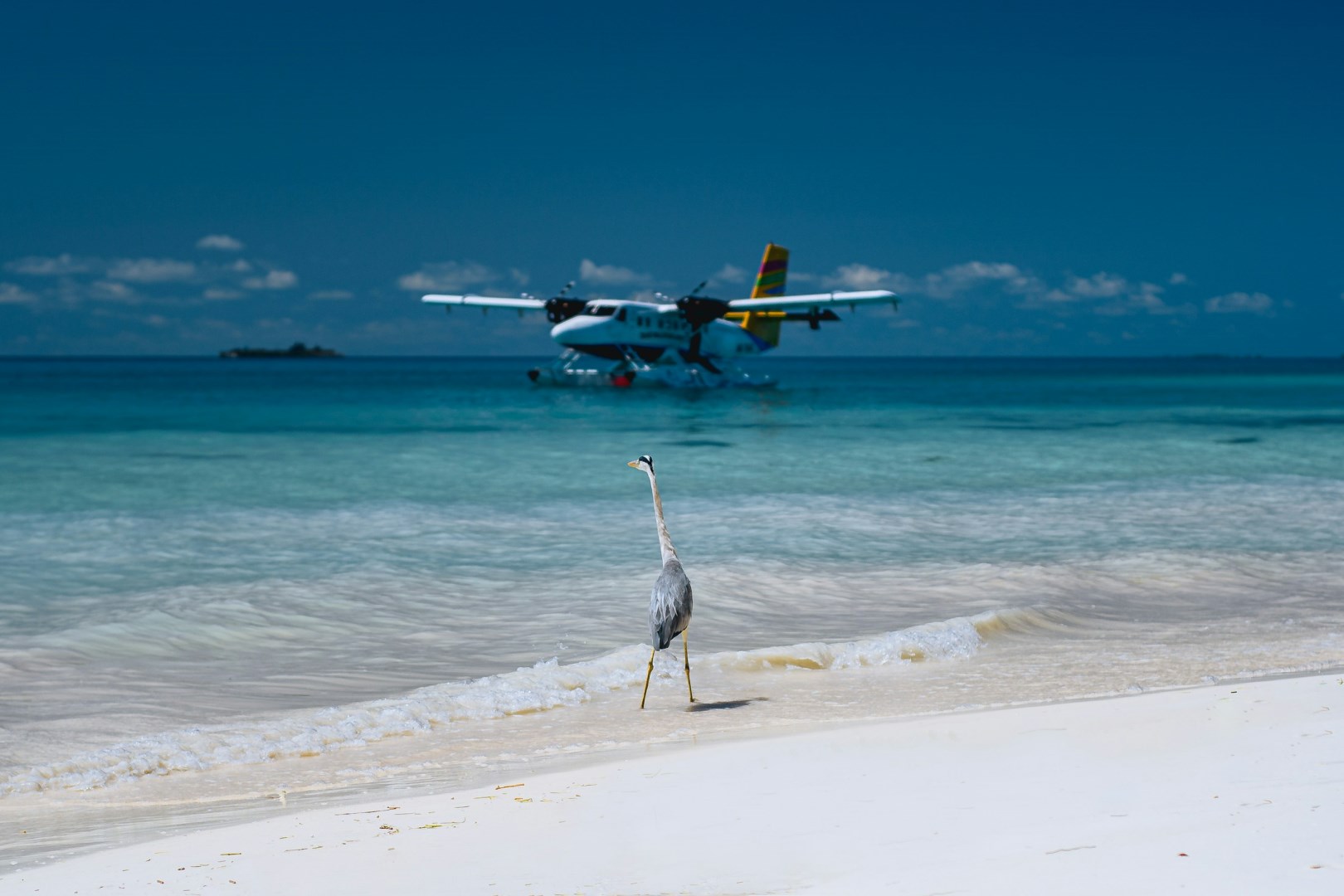
Alifu Dhaalu Atoll
Alifu Dhaalu Atoll, also known as South Ari Atoll, lies southwest of Malé in the central Maldives and includes a mixture of inhabited islands, uninhabited islets, sandbanks, and resort islands. The atoll is surrounded by coral reefs and clear lagoon waters, while many of its inhabited islands retain compact communities shaped by fishing and maritime traditions. Mahibadhoo serves as the administrative capital, with Dhangethi, Dhigurah, Omadhoo, and Mandhoo among the better-known local islands.

Madeira
Madeira, an archipelago off the coast of Portugal, is often referred to as the “Island of Eternal Spring” due to its mild climate and lush landscapes. Funchal, its vibrant capital, is a perfect blend of natural beauty and rich history. Visitors can explore the cobblestone streets of the old town, marvel at the Gothic-style Sé Cathedral, and stroll through the colorful Mercado dos Lavradores, where local farmers sell fresh produce, exotic flowers, and the island’s famous wine.
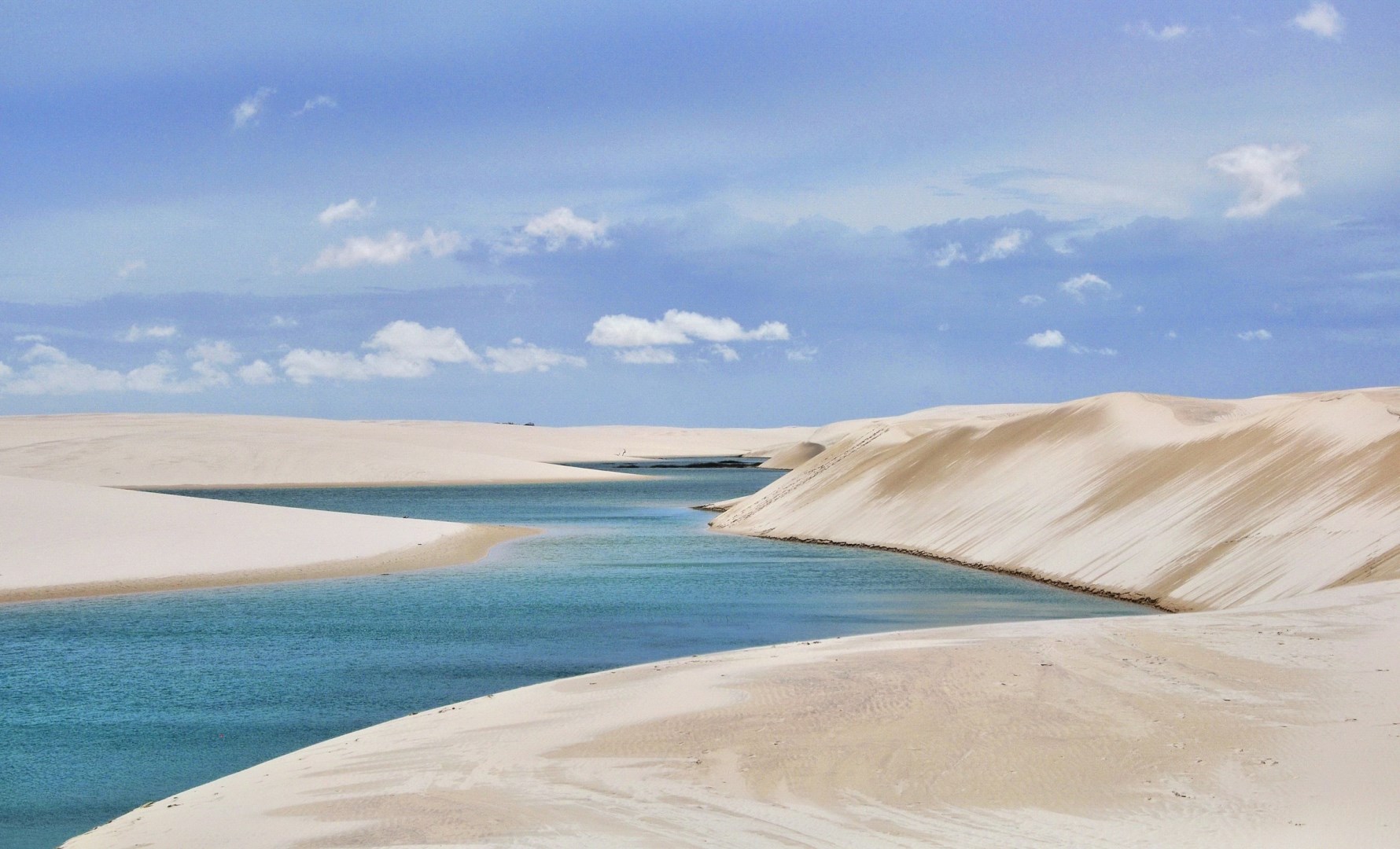
Lençóis Maranhenses National Park
Welcome to Lençóis Maranhenses National Park, one of Brazil's most breathtaking natural wonders! Imagine endless stretches of white dunes with breaks of crystal-clear freshwater lagoons that fill during the rainy season. It's a photographer's dream and a hiker's paradise, where you can explore this surreal landscape by foot or on a thrilling 4x4 adventure.Whether you're seeking adventure or tranquility, this unique destination offers a once-in-a-lifetime experience you won't want to miss!
