

Oban
Oban is located in the northern part of the Scottish Highlands. Renowned for the beauty of the land and the excellent scotch made there, Oban is an indisputable treasure of nature.
Tampico
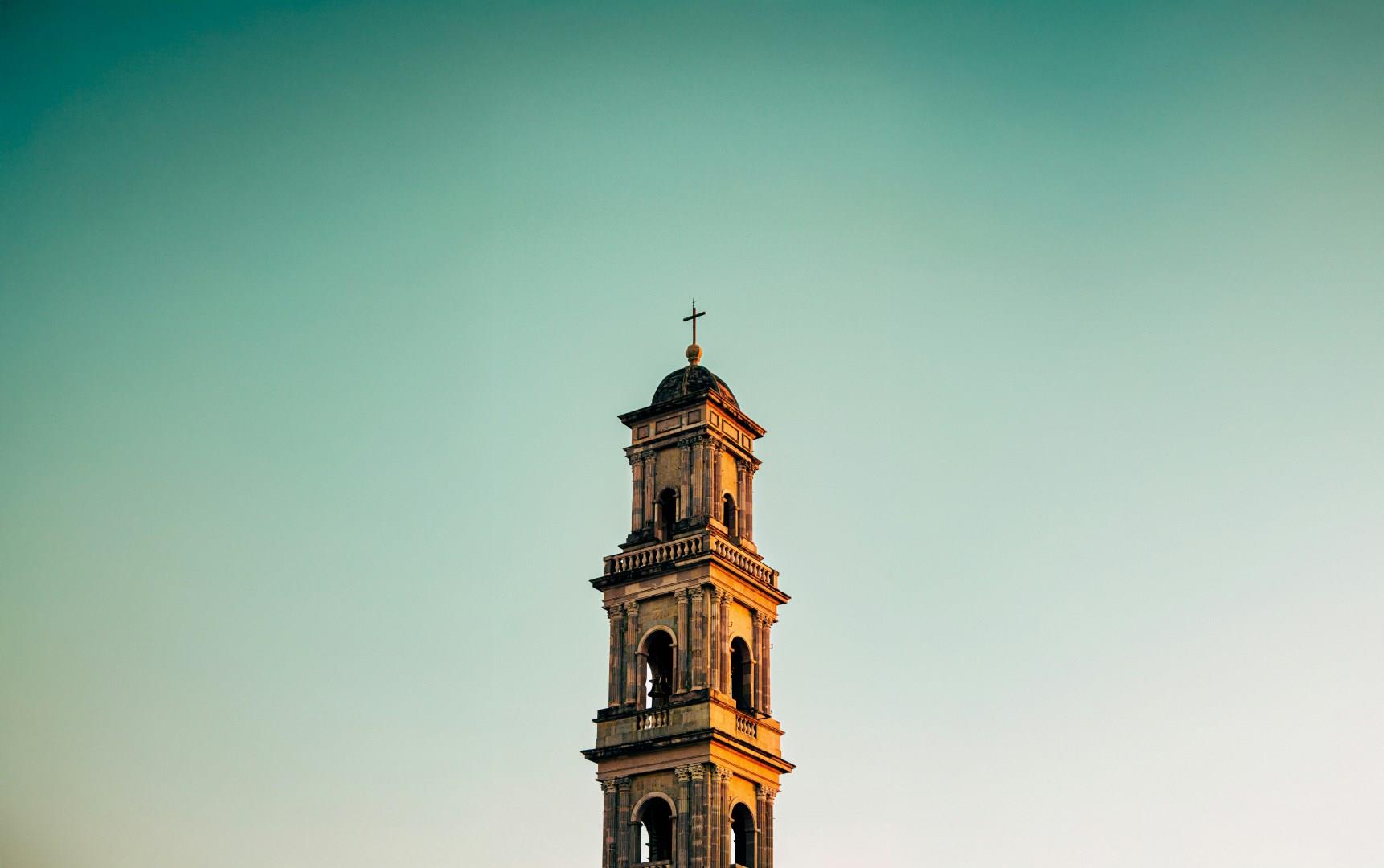
Tampico, located on the Gulf Coast of Tamaulipas, is a port city with a layered history shaped by trade, oil, and immigration. Its downtown district is known for neoclassical buildings, many of which were constructed with imported bricks and ironwork from Europe during the oil boom of the early 20th century. One of Tampico’s most photographed structures is the Mercado Municipal, rebuilt in recent years but still functioning as a central hub for daily life.
Carcassonne
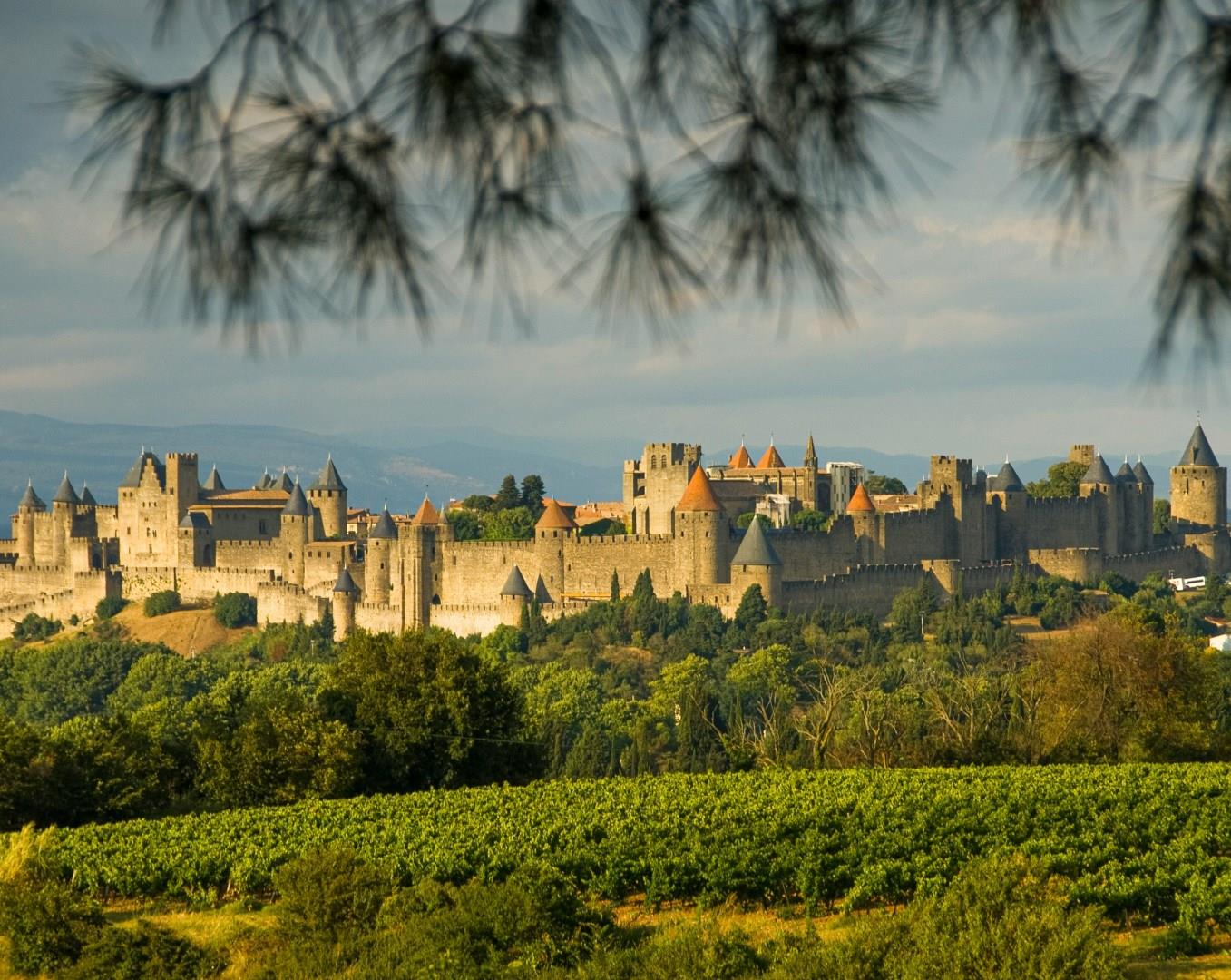
Carcassonne is a fortified city in southern France, rising above the Aude River with walls and towers that feel lifted from another century. Its origins stretch back to Roman times, but the city is best known for its medieval citadel, rebuilt and expanded during the Middle Ages when Carcassonne became a strategic stronghold on key trade and military routes.

Livorno
Situated on the coast of Tuscany near the Tyrrhenian Sea, Livorno, Italy, is a popular stop on Mediterranean cruises and an important commercial and industrial port. It was founded on a former auxiliary Pisan port between the late 16th and early 17th centuries on the orders of the Grand Duke Cosimo I, who made it Tuscany's main outlet to the sea.
Khiva
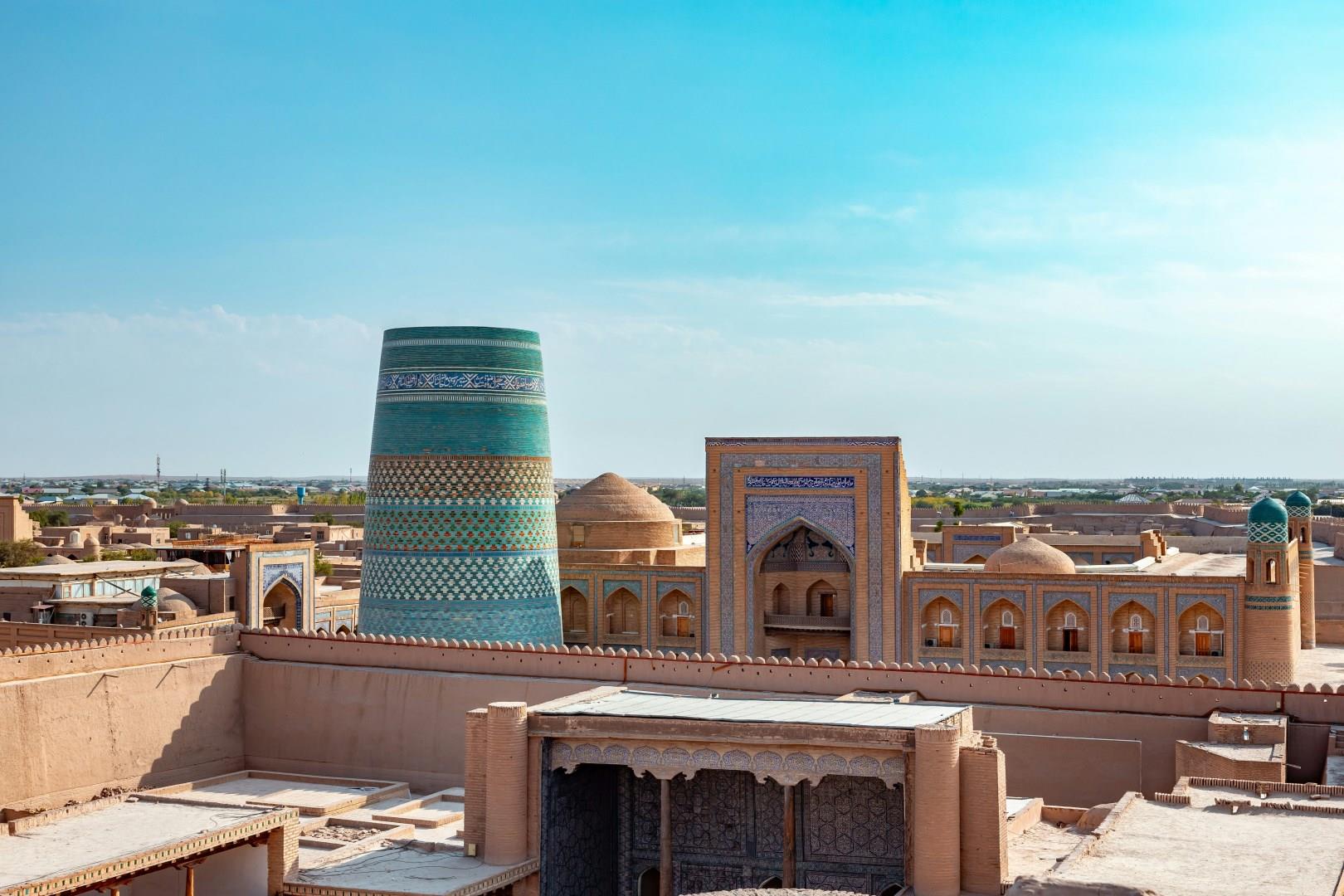
Khiva, located in western Uzbekistan’s Khorezm region, is one of Central Asia’s most evocative Silk Road cities. Its walled inner city, known as the Itchan Kala, has preserved a remarkable collection of mud-brick architecture, minarets, mosques, and madrasahs that reflect centuries of Islamic culture and trade. Khiva served as a thriving trading hub and political center, linking merchants and scholars across the desert routes of the region.
