
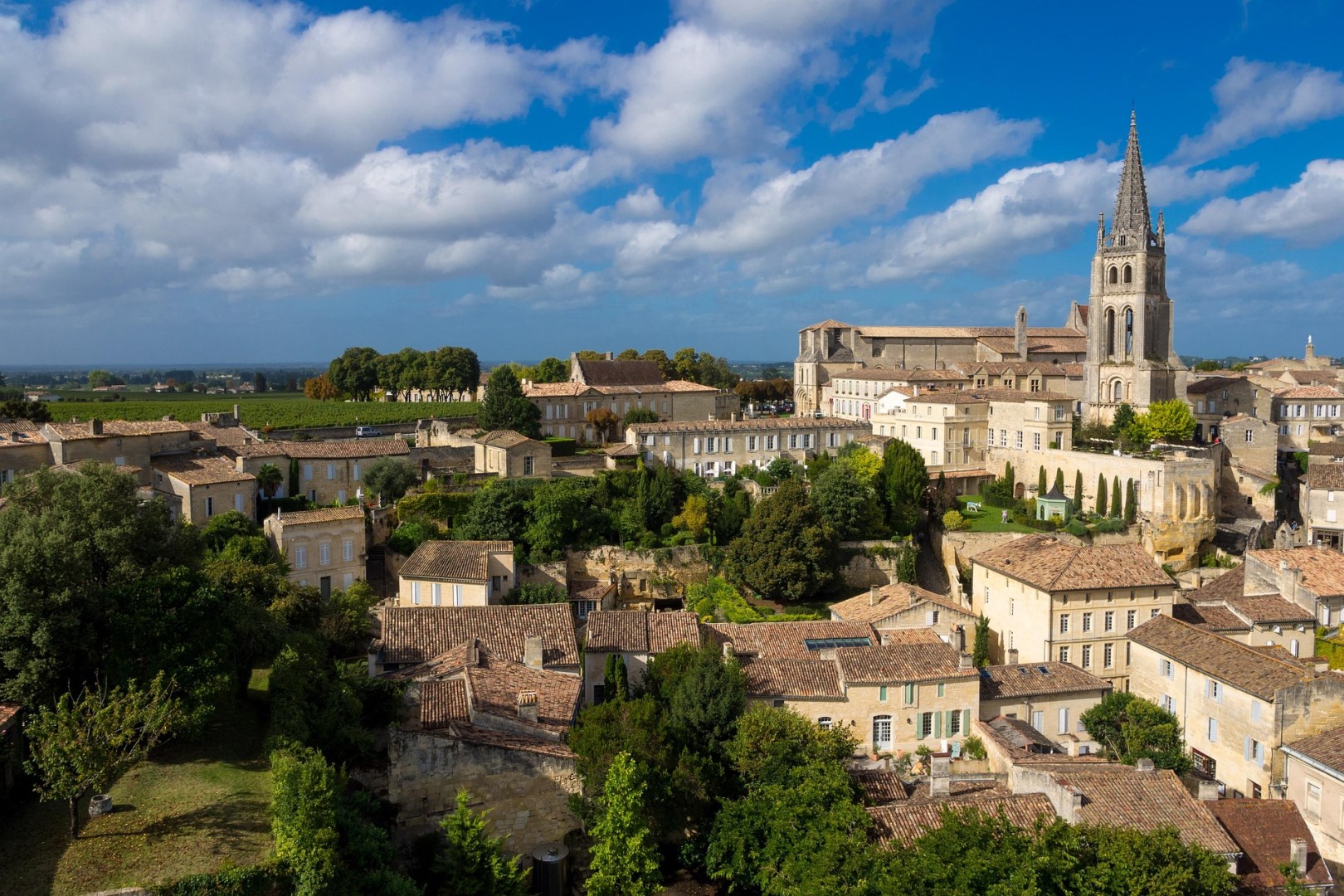
Saint-Émilion
Saint-Émilion, nestled in the heart of southwest France, is a living monument to centuries of craftsmanship, faith, and wine-making. Recognized as a UNESCO World Heritage Site since 1999, this medieval town sits on a limestone plateau surrounded by vineyards that date back to Roman times. Visitors can explore cobbled streets that wind past centuries-old stone houses, descend into underground catacombs carved by monks, and visit the astonishing Monolithic Church.
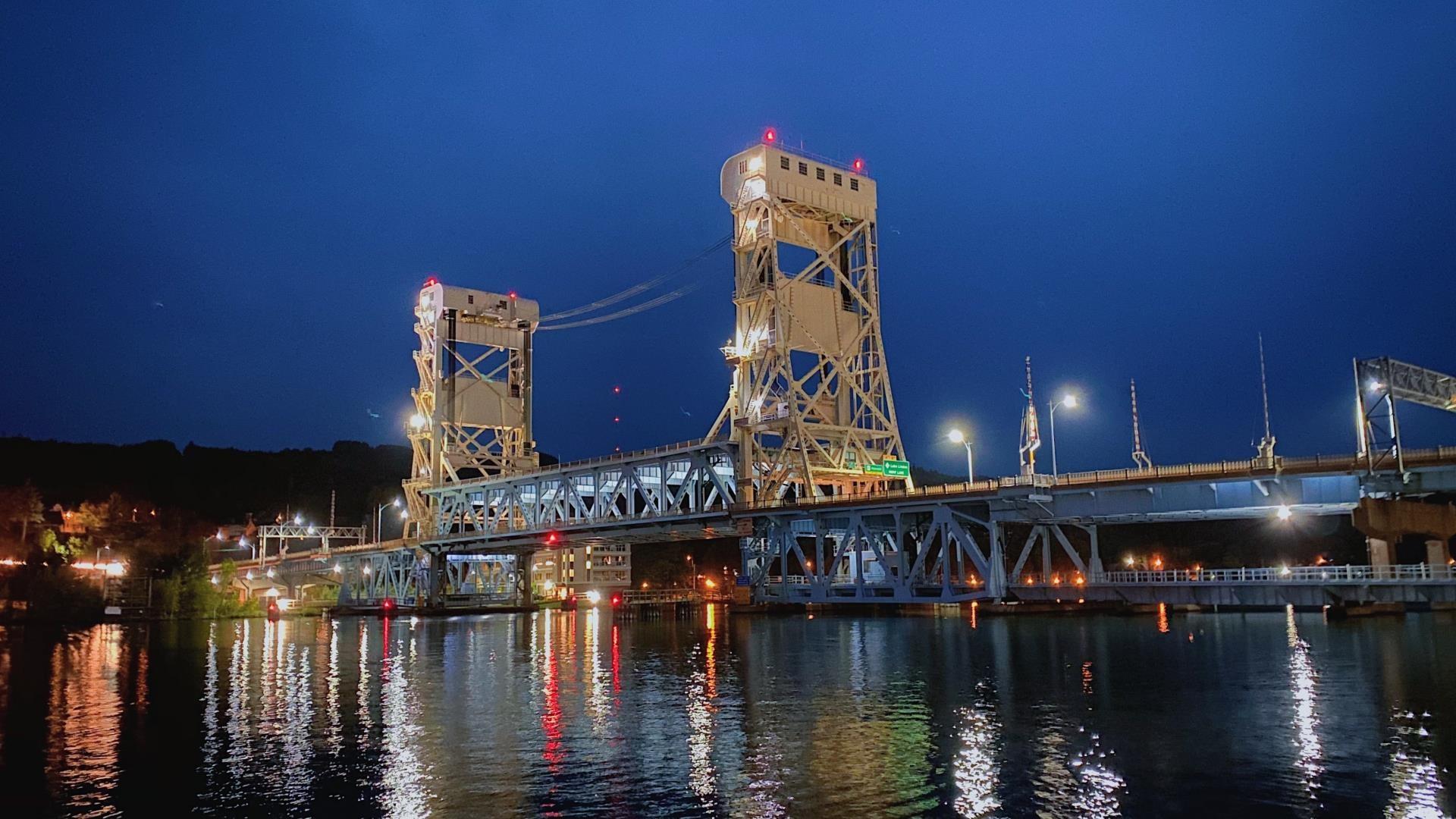
Houghton
The city of Houghton sits on Keweenaw Peninsula in the heart of Michigan's Copper Country and provides direct access to the beauty of Lake Superior. You'll find plenty to do and see in this charming city, from an abundance of winter sports, to nature trails and parks, to the fascinating A.E. Seaman Mineral Museum, located on the Michigan Technological University campus.
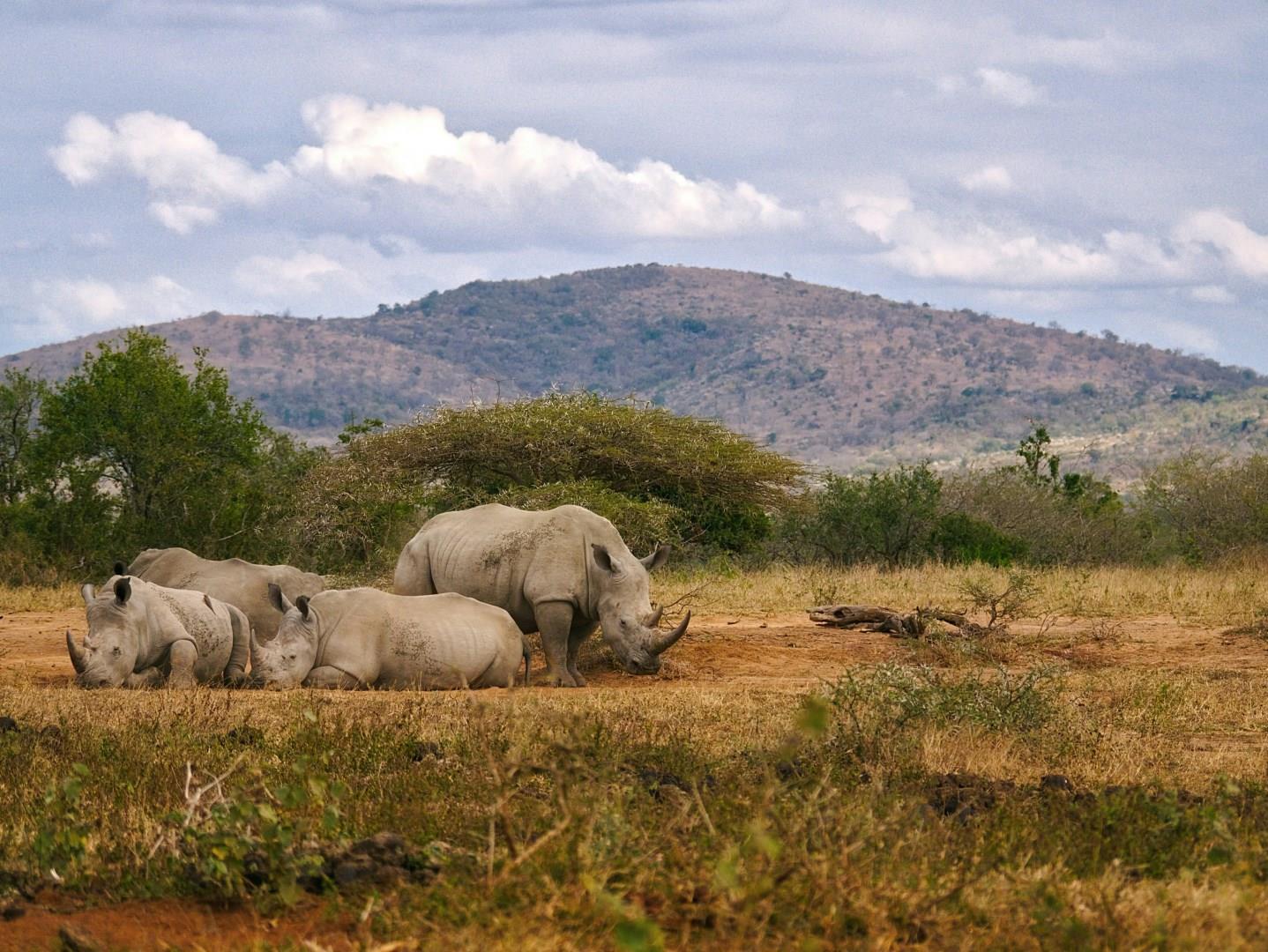
Hluhluwe-iMfolozi Park
Hluhluwe–iMfolozi Park, in South Africa’s KwaZulu-Natal province, is one of the country’s oldest protected areas and holds deep historical importance in conservation.
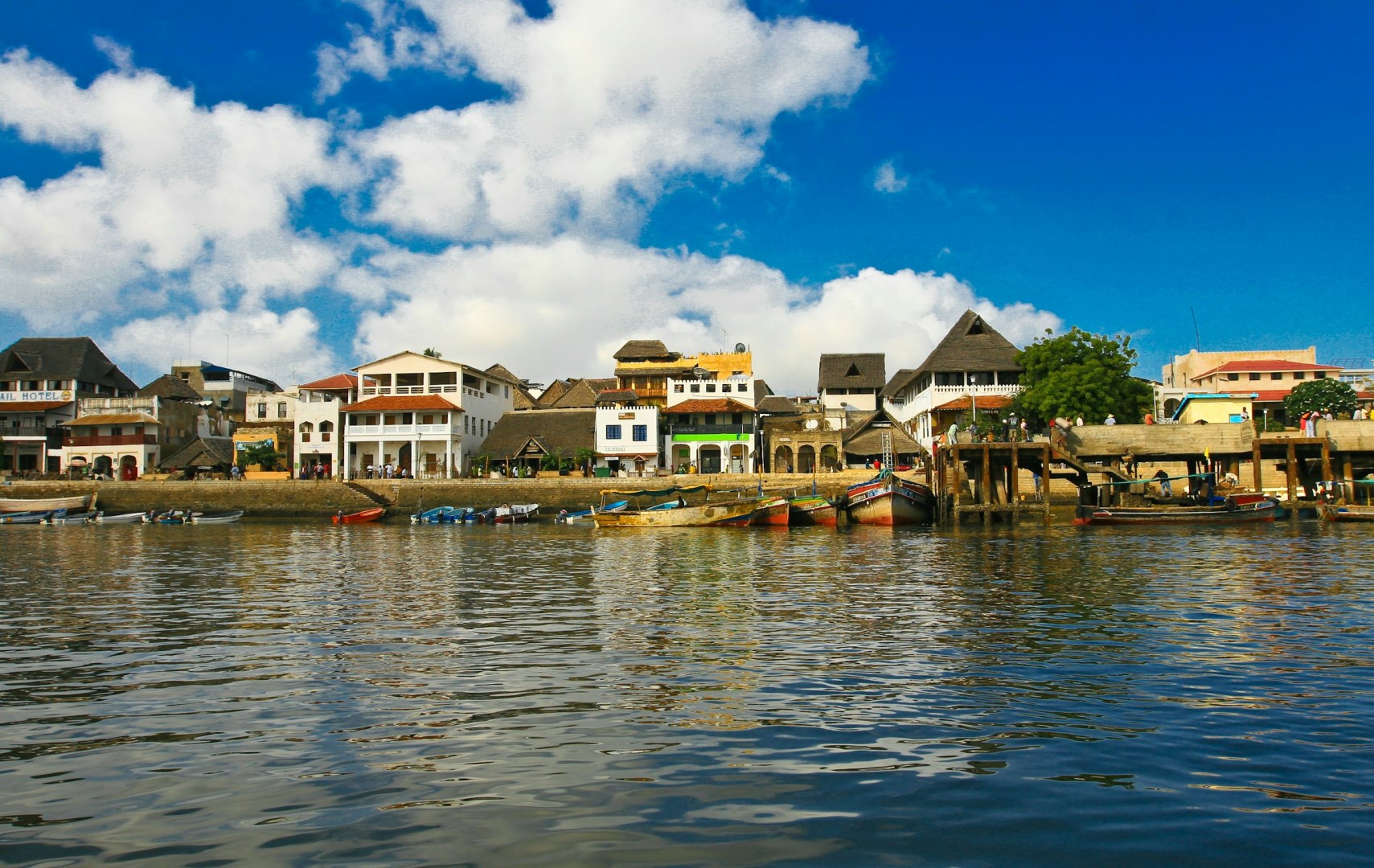
Lamu
Lamu is a place of fantasy and other-worldliness wrapped in a cloak of medieval romance. With an almost exclusively Muslim population, Kenya's oldest living town has changed little in appearance or character over the centuries. Remote and self-contained, this once thriving port town is now a gloriously relaxed and relaxing destination.
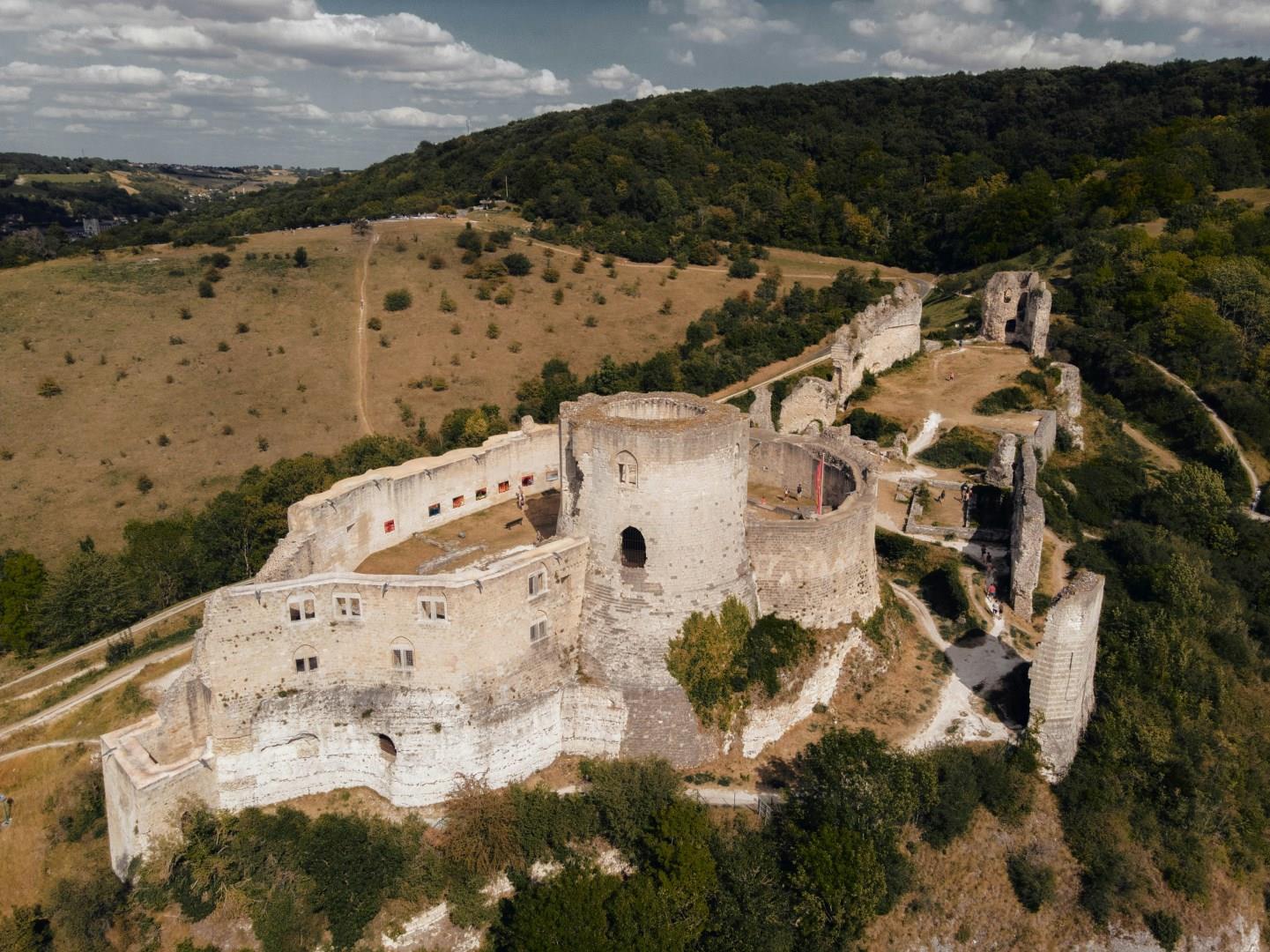
Les Andelys
Les Andelys, a picturesque town on the banks of the Seine in Normandy, France, is best known for its dramatic setting beneath the ruins of Château Gaillard. This medieval fortress, built in the 12th century by Richard the Lionheart, stands high on a chalk cliff overlooking the river, a reminder of the region’s turbulent past during the wars between England and France.
