
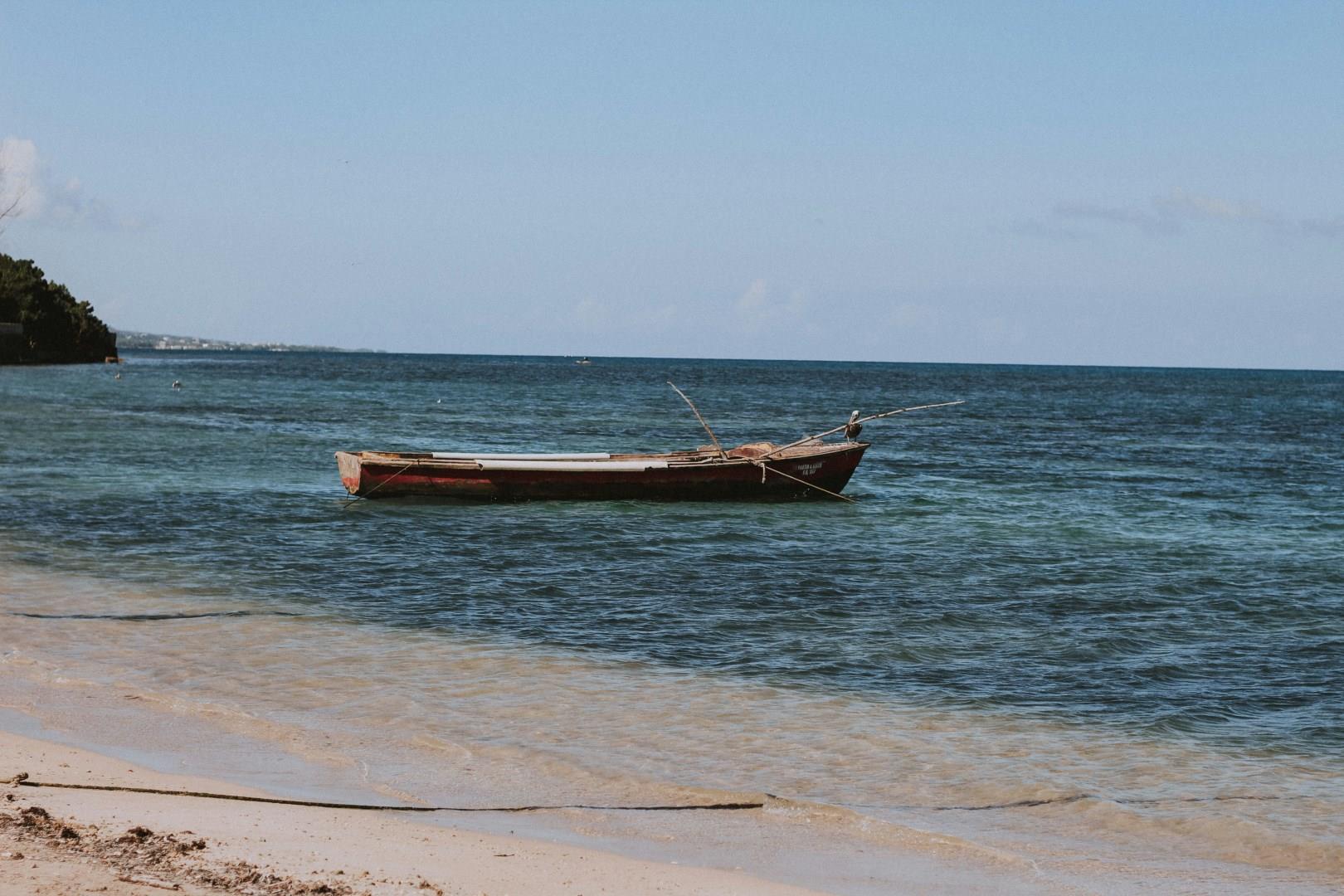
Falmouth
Falmouth, a charming port town on Jamaica’s north coast, offers a delightful mix of history, culture, and natural beauty. Founded in the 18th century, Falmouth is renowned for its well-preserved Georgian architecture, a testament to its once-thriving sugar trade.

Athens
Ancient history comes alive in Athens, the capital of Greece. Gaze in wonder at the Acropolis and its iconic crown, the Parthenon. Take a deeper dive into the past and visit both the Acropolis Museum and the National Archaeological Museum, which house fascinating artifacts from this ancient city.

Mara River
The Mara River in Tanzania is a natural wonder that draws adventurers and wildlife enthusiasts alike. Flowing through the heart of the Serengeti and into Kenya’s Maasai Mara, this river is best known as the lifeblood of the Great Migration. Each year, from July to October, millions of wildebeest, zebras, and gazelles make a perilous crossing of the Mara. It’s a spectacle of nature that leaves visitors in awe, making it one of Africa’s most sought-after safari experiences.

Jalisco
Jalisco, a vibrant state on Mexico’s Pacific coast, offers a diverse tapestry of experiences that span history, culture, and natural beauty. The state capital, Guadalajara, is renowned for its rich cultural heritage and lively atmosphere

Guayaquil
Guayaquil, Ecuador, is a vibrant port city and a frequent starting point for cruises to the Galapagos Islands.
