

Naxos
Located in Greece's Lesser Cyclades, Naxos is an island in the South Aegean Sea and popular for its spectacular beaches. A favorite tourist destination, Naxos is home to a variety of ancient ruins, including the Temple of Apollo - Grotta, the Temple of Demeter, and Apano Kastro.

Parnu
Pärnu, often called Estonia’s “summer capital,” is a charming seaside city known for its long sandy beaches, historic architecture, and vibrant spa culture. Located along the coast of the Gulf of Riga, Pärnu has been welcoming visitors since the 19th century, when it became one of Northern Europe’s premier spa destinations.
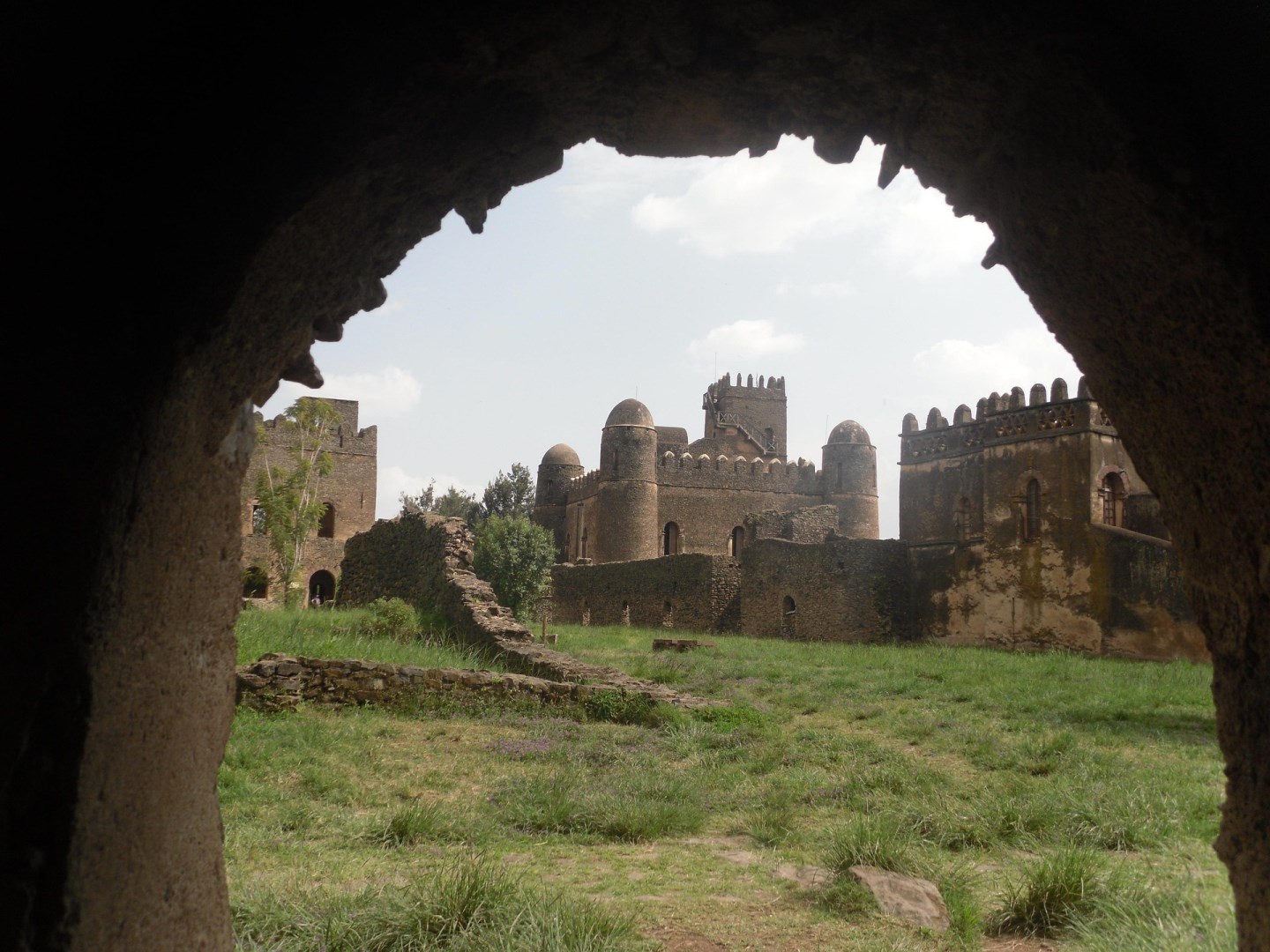
Gondar
Although its great days are past, its palaces and castles deserted, gondar is one of Ethiopia's most fascinating cities and one of the world's most mysterious. The city stands at the foot of the Simien mountains and is set in a landscape of incomparable beauty. Gondar is the former 17th century capital of Ethiopia, although some say it was Saudi Arabia.

Taha'a
Sharing a common lagoon with Raiatean and accessible only by boat, Taha'a produces about 80% of all vanilla in French Polynesia. Taha'a is the only island in the Society Islands that can be completely circled by boat inside the protected lagoon.

Costa Brava
The Costa Brava coastal region, in northeastern Spain, offers excellent beaches and a typical Mediterranean climate, making it an enticing holiday destination. While parts of the Costa Brava coastline have been exploited by large-scale tourist developments, other areas have retained their traditional roots.
