
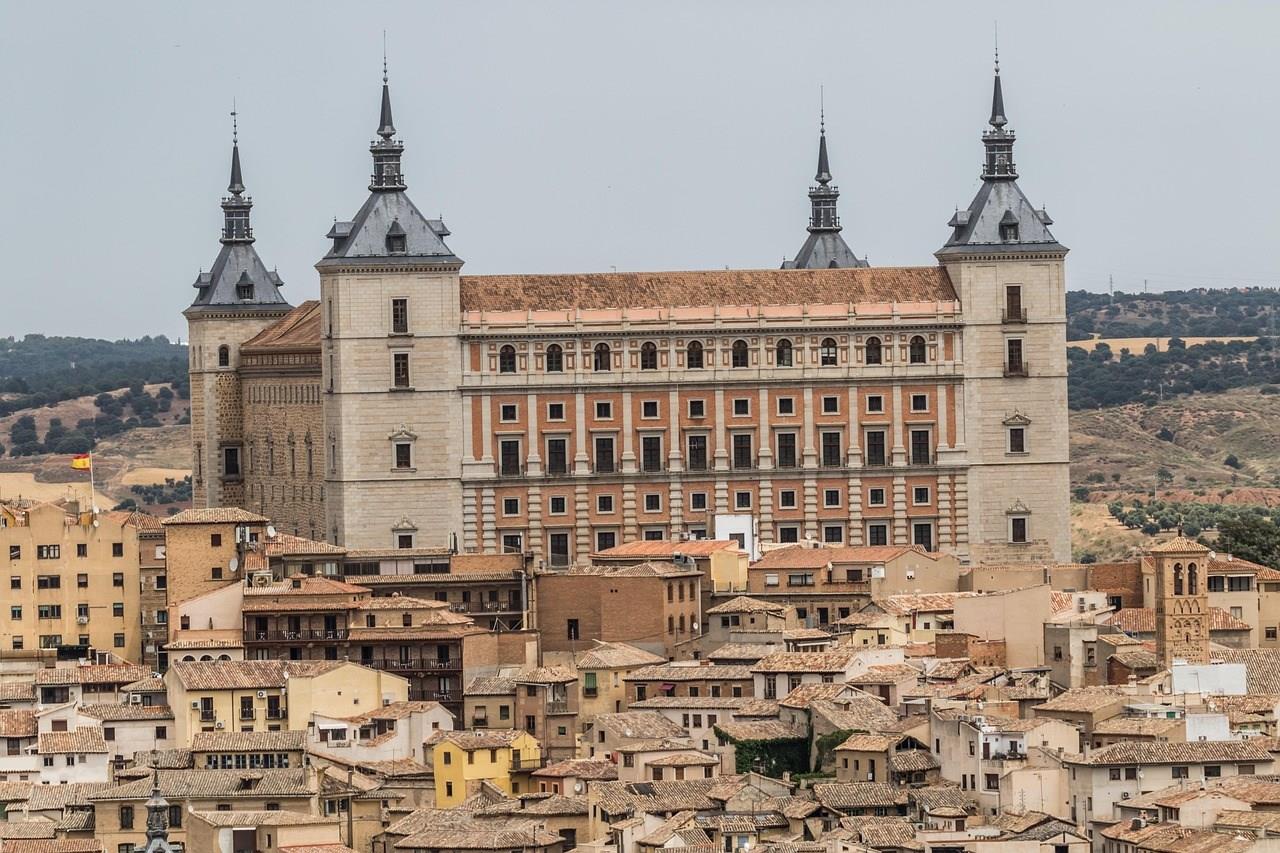
Toledo
Toledo, high above the Tagus River in central Spain, is a city where layers of history are visible around every corner. For centuries it was an important Roman settlement, a Visigothic capital, and later a stronghold during the medieval Christian reconquest, before becoming the seat of royal power and a crossroads of cultures. Because of this long span of stories and architectural richness, the whole old town has been recognized as a UNESCO World Heritage Site.
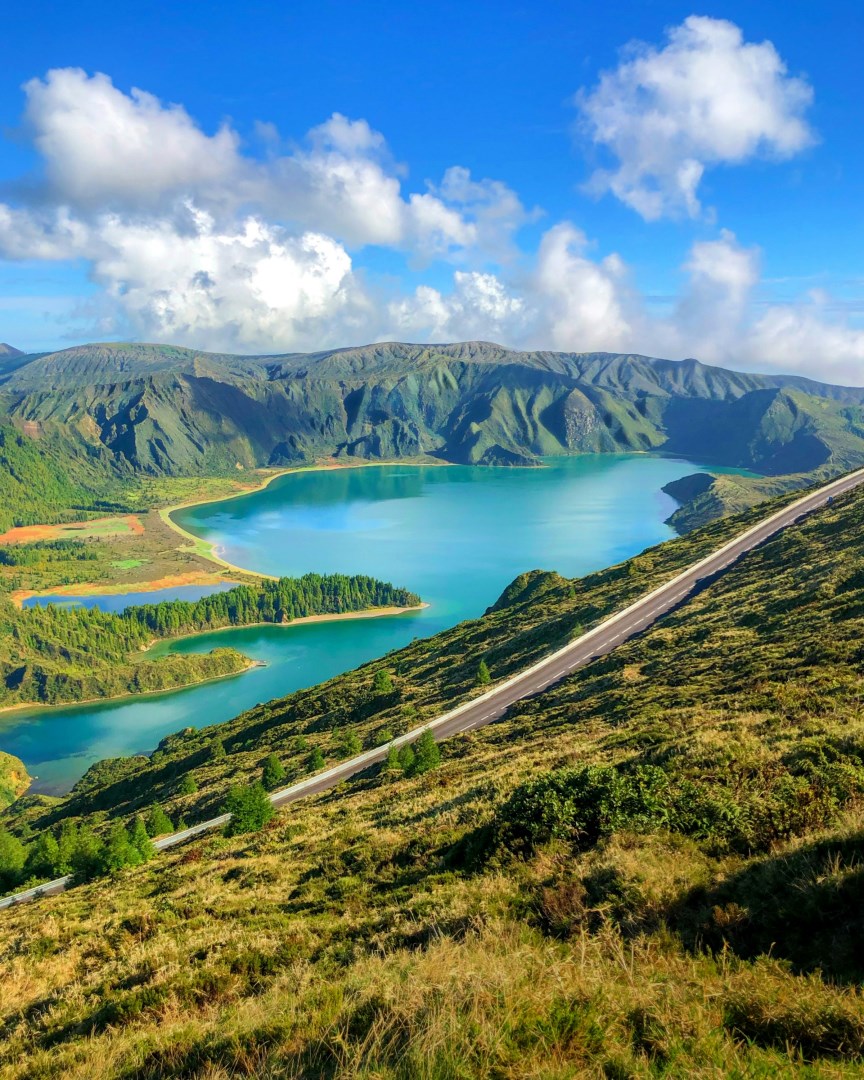
Lagoa do Fogo
Lagoa do Fogo is a volcanic crater lake on São Miguel Island in Portugal’s Azores archipelago. Set within a protected landscape in the island’s central highlands, the lake occupies a large caldera surrounded by steep slopes covered with native vegetation. Its remote setting and undeveloped shoreline distinguish it from the more settled areas of São Miguel.
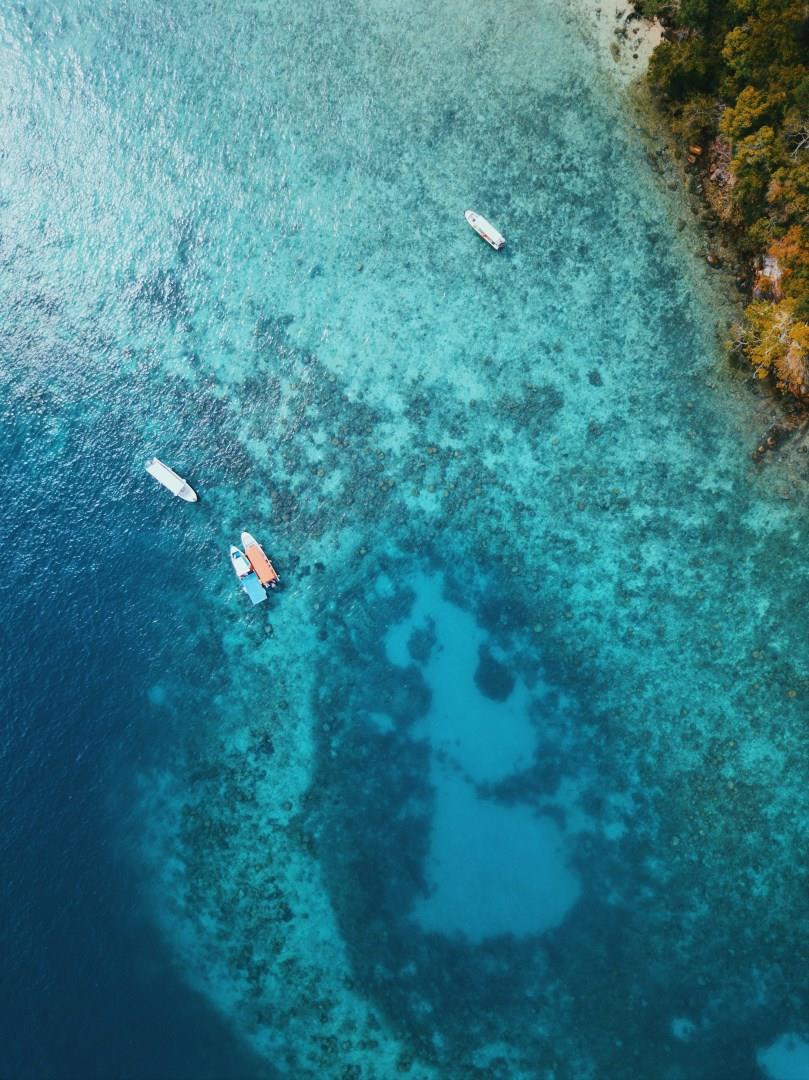
Kota Kinabalu (Borneo)
Kota Kinabalu, the capital of Sabah on the island of Borneo, is a vibrant city where modern life meets wild landscapes. Overlooking the South China Sea and backed by lush rainforests and mountains, it serves as both a cultural hub and a gateway to Borneo’s extraordinary biodiversity.
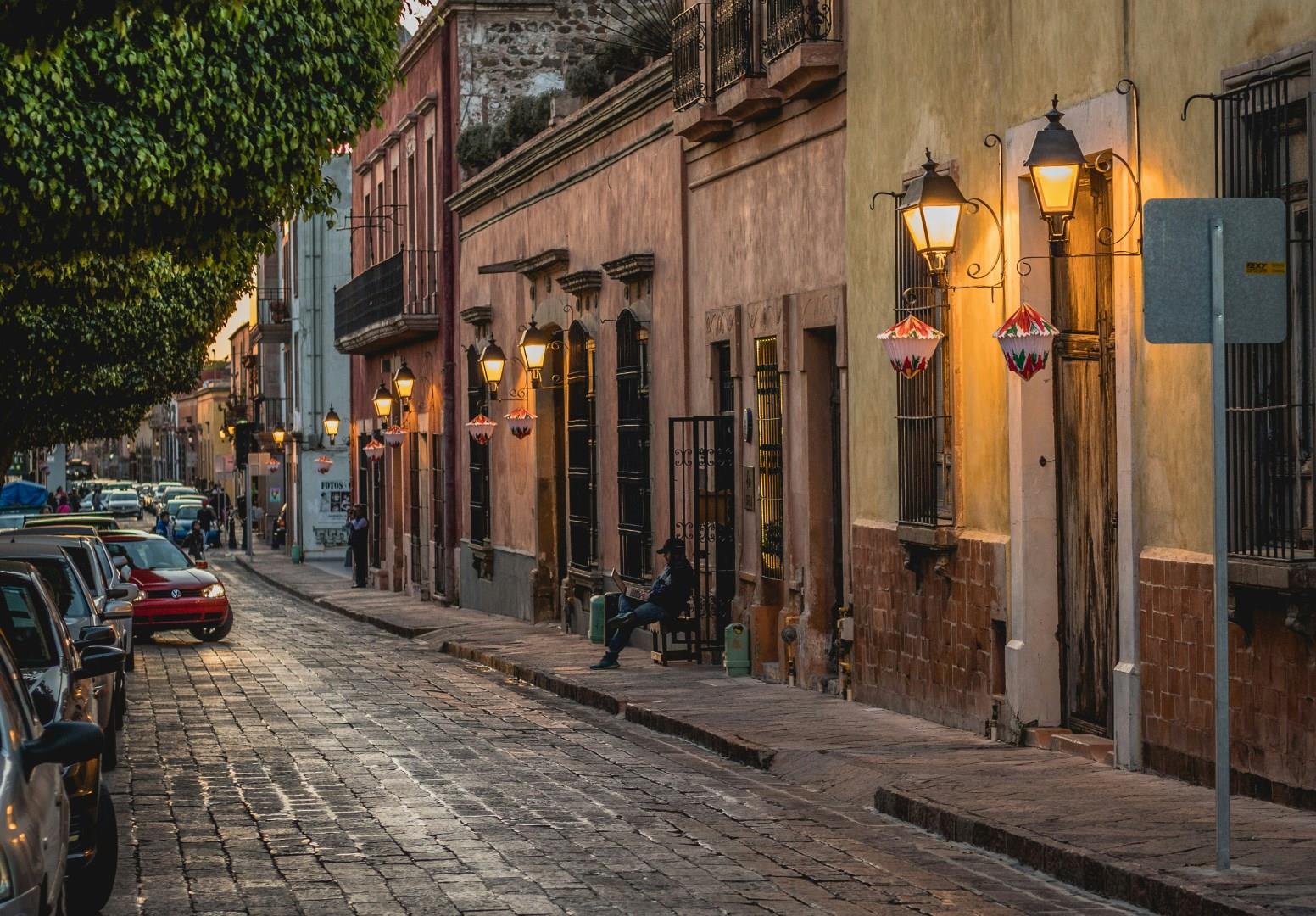
Querétaro
Querétaro, located in the heart of central Mexico, is a city where centuries of history are still visible in daily life. Its historic center, a UNESCO World Heritage Site, features narrow streets, elegant plazas, and baroque churches that reflect its colonial past. One of the city’s most iconic landmarks is the massive aqueduct, built in the 18th century with 74 stone arches stretching nearly a mile across the landscape.

Chioggia
Chioggia, often called "Little Venice," is a hidden gem in the Veneto region of Italy, known for its picturesque canals, charming historic center, and vibrant seafood markets. Located just south of Venice on the Venetian Lagoon, this fishing town offers a more peaceful and authentic experience than its famous neighbor, while still boasting beautiful architecture and rich history.
