
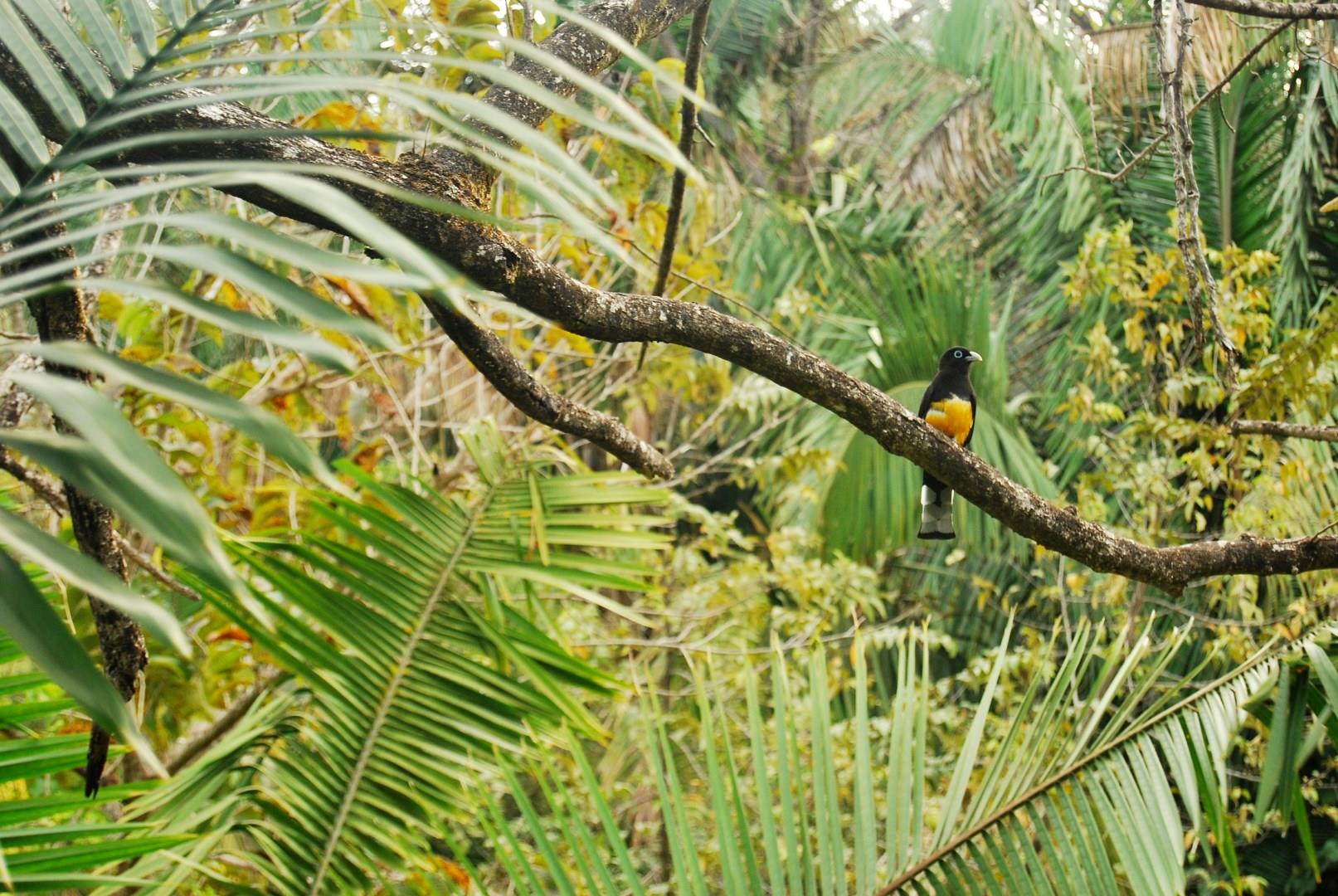
Nosara
Nosara, on Costa Rica’s Nicoya Peninsula, is a laid-back coastal town known for its strong connection to wellness, nature, and surf culture. Unlike some of the country’s busier resorts, Nosara has kept development low-key, with no large beachfront hotels and a community that values sustainability.
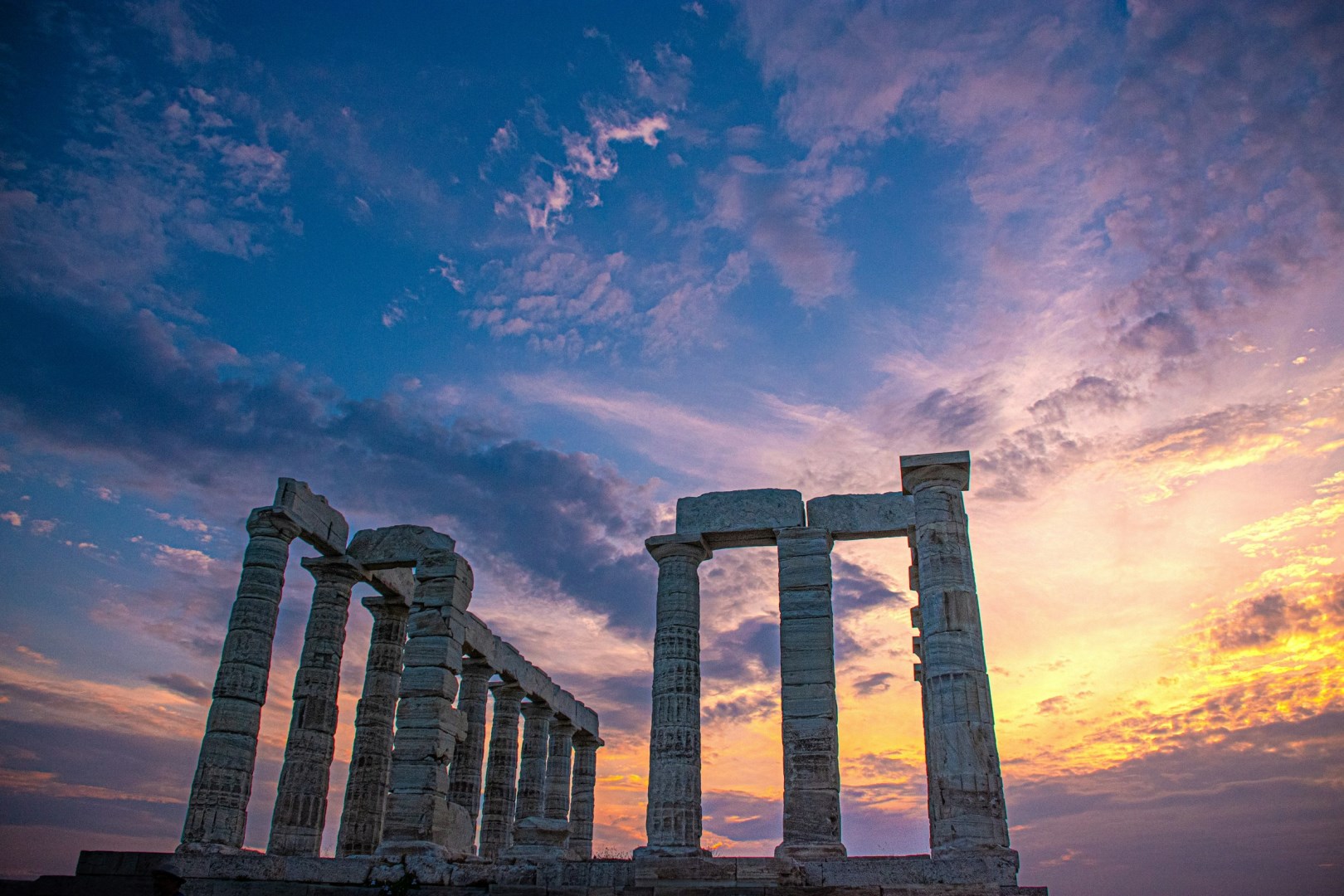
Cape Sounion
Picturesque Cape Sounion is famous for its beaches and scenic views of islets and the sweeping Bay of Anavyssos, as well as the 5th century Temple of Poseidon. Cape Sounion is located approximately 65 km. south of Athens.
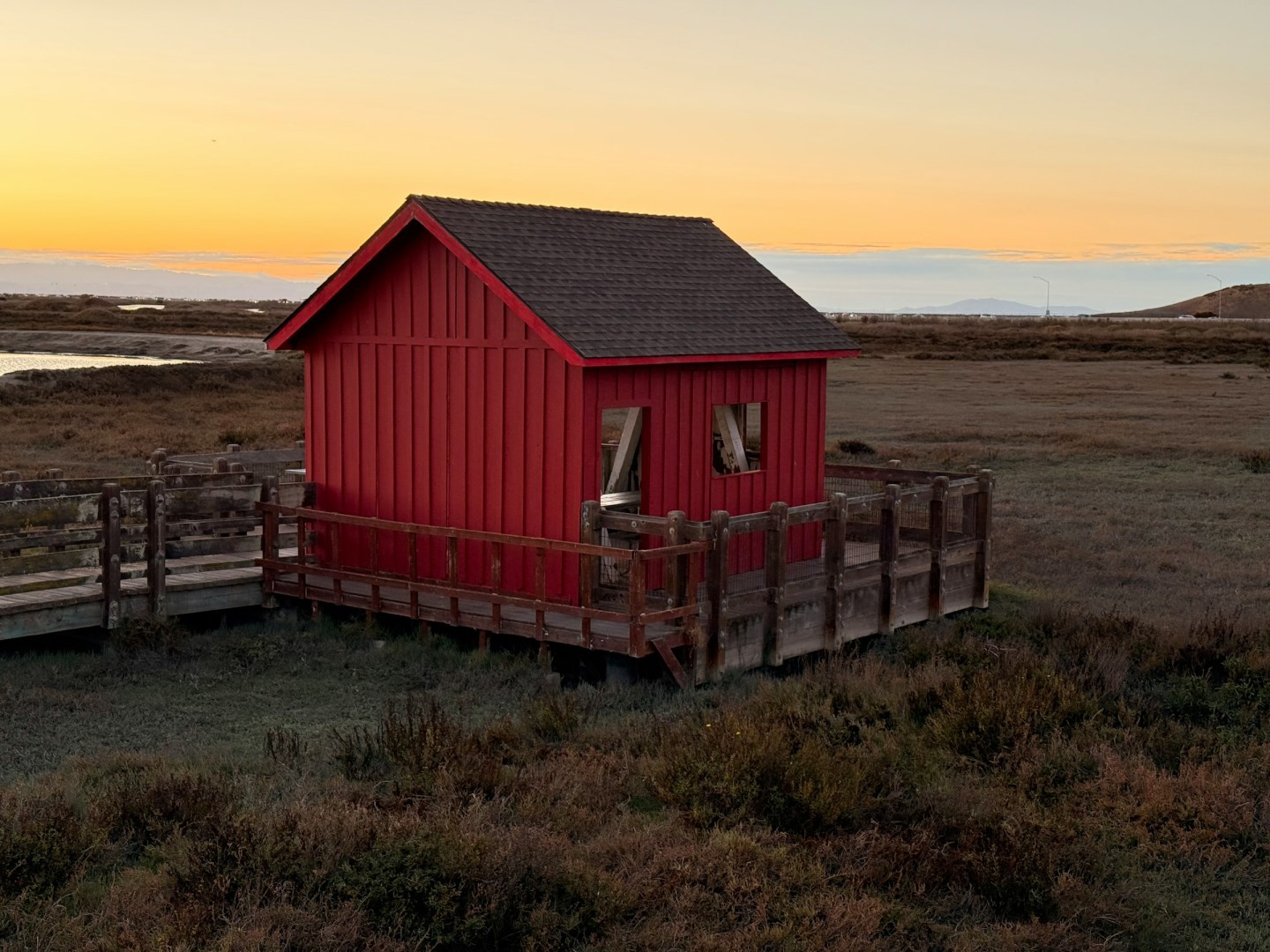
Newark
The City of Newark, located on the east side of the San Francisco Bay, is a diverse, well-balanced "home town." While part of one of the most dynamic urban areas in the world, with San Francisco and San Jose only 30-45 minutes away, Newark has a strong and proud spirit rooted in community values. The weather is great and our location can't be beat!
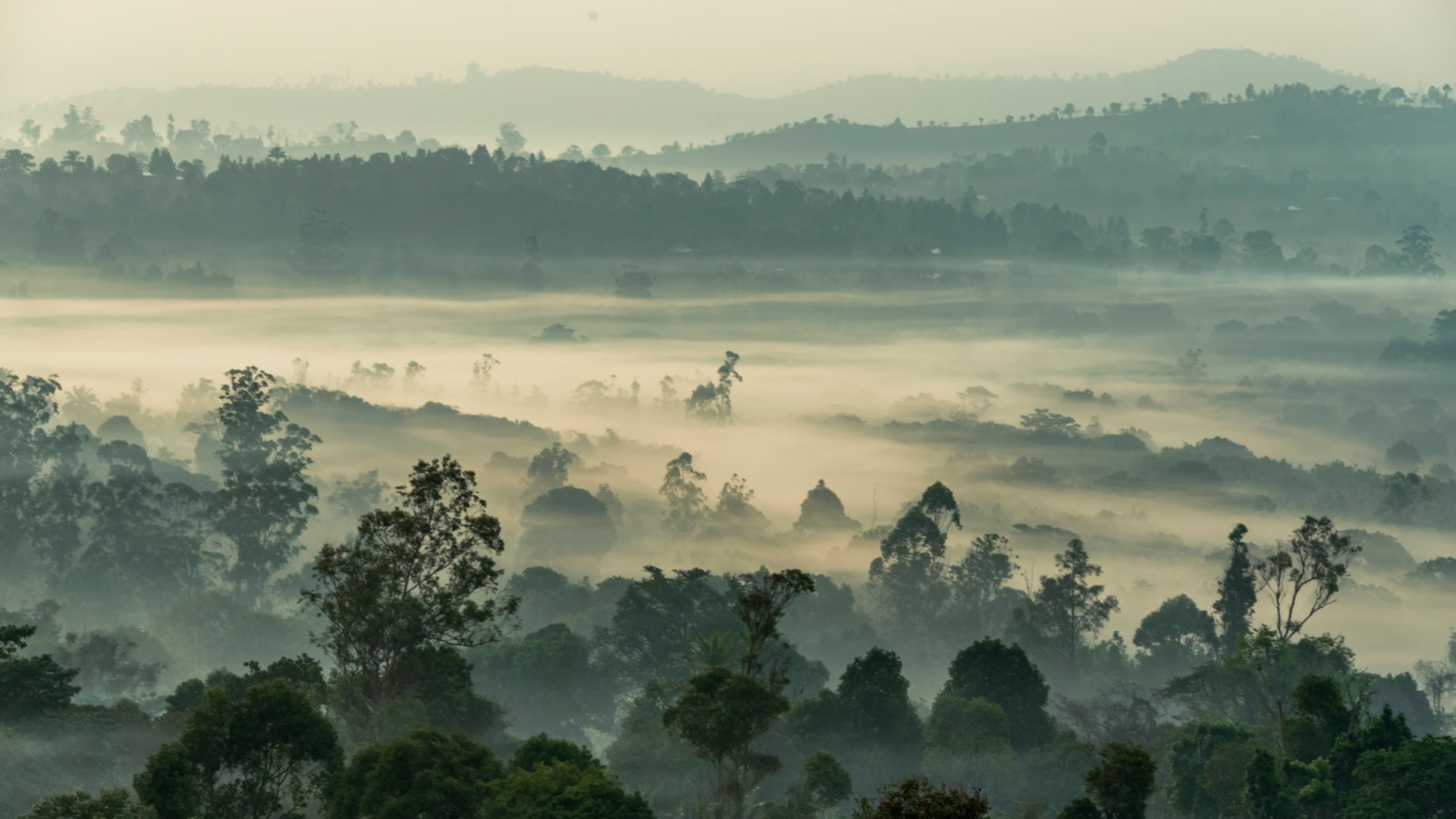
Bansoa
Bansoa is a highland community in Cameroon’s West Region, within the Menoua Department and the municipality of Penka-Michel.
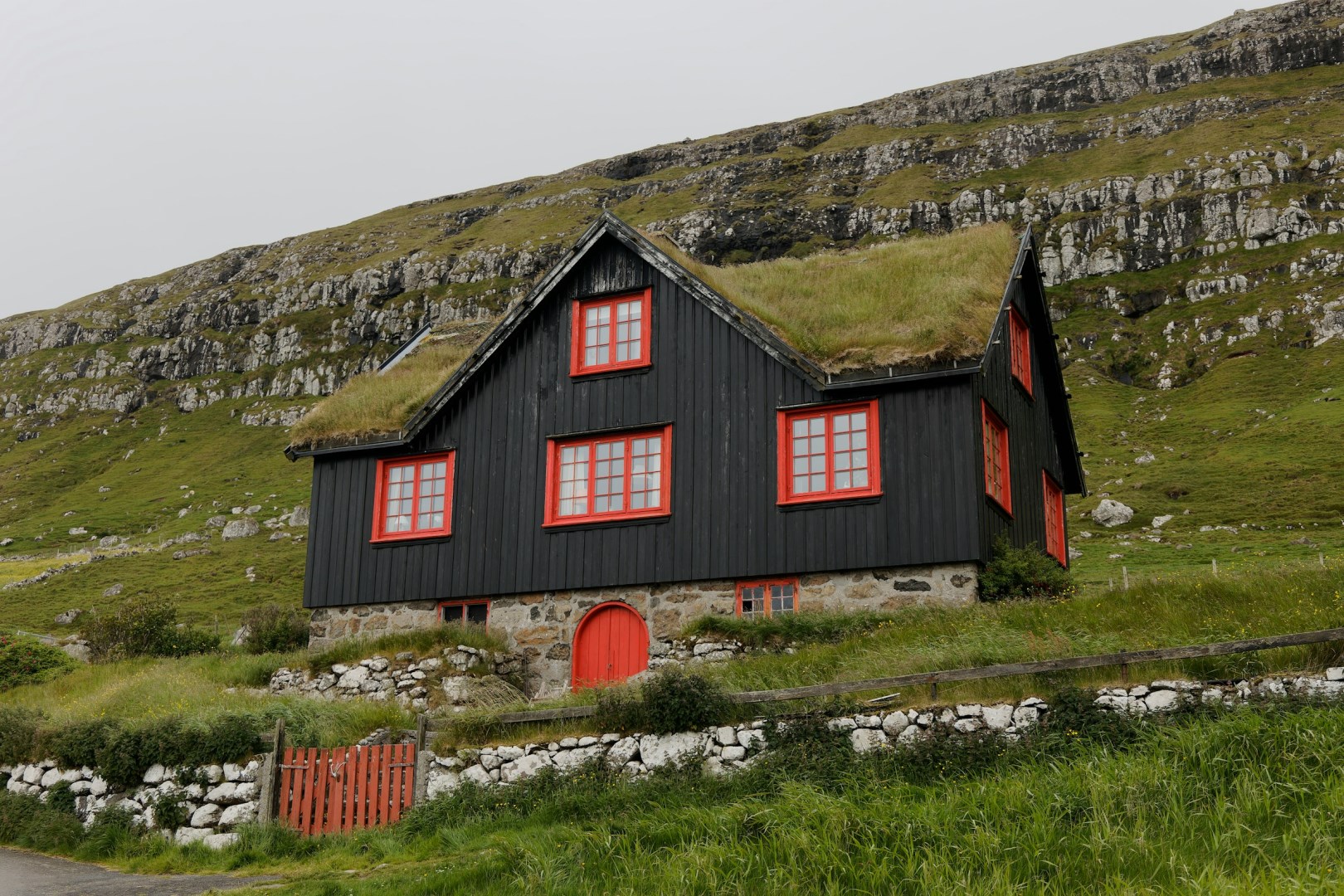
Streymoy
Streymoy is the largest and most populated island in the Faroe Islands, forming a central part of the archipelago and home to the capital, Tórshavn. Its landscape combines steep mountains, deep fjords, grassy valleys, and exposed coastal cliffs, with settlements concentrated along sheltered shorelines. The island is connected to neighboring islands by bridges, tunnels, ferries, and causeways, making it an important center for travel across the Faroes.
