
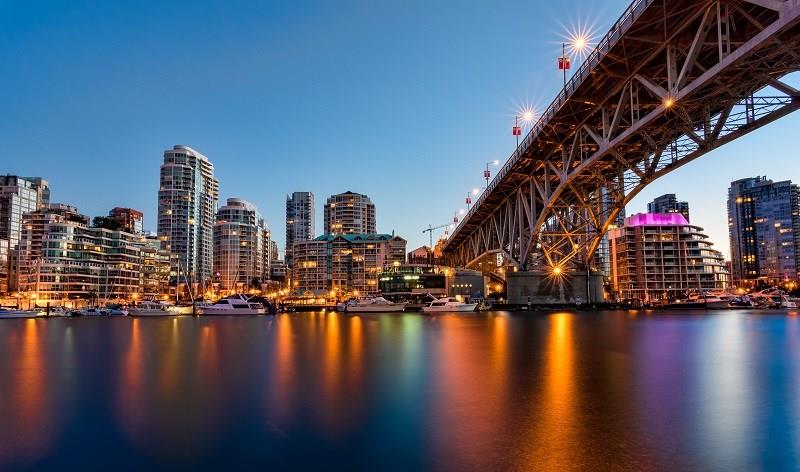
Vancouver
This vibrant, diverse British Columbia seaport is one of the jewels of Canada. Surrounded by ocean and mountains alike, Vancouver offers breathtaking vistas, not to mention world-class outdoor activities, culinary delights, fine art, and cultural events.

Kos
Kos, an enchanting island in Greece’s Dodecanese archipelago, is a gem steeped in both history and natural beauty. Known as the birthplace of Hippocrates, the father of modern medicine, Kos is home to the ancient Asclepeion, a healing temple where Hippocrates taught his students. Visitors can wander through the well-preserved ruins and enjoy sweeping views over the island and the Aegean Sea.
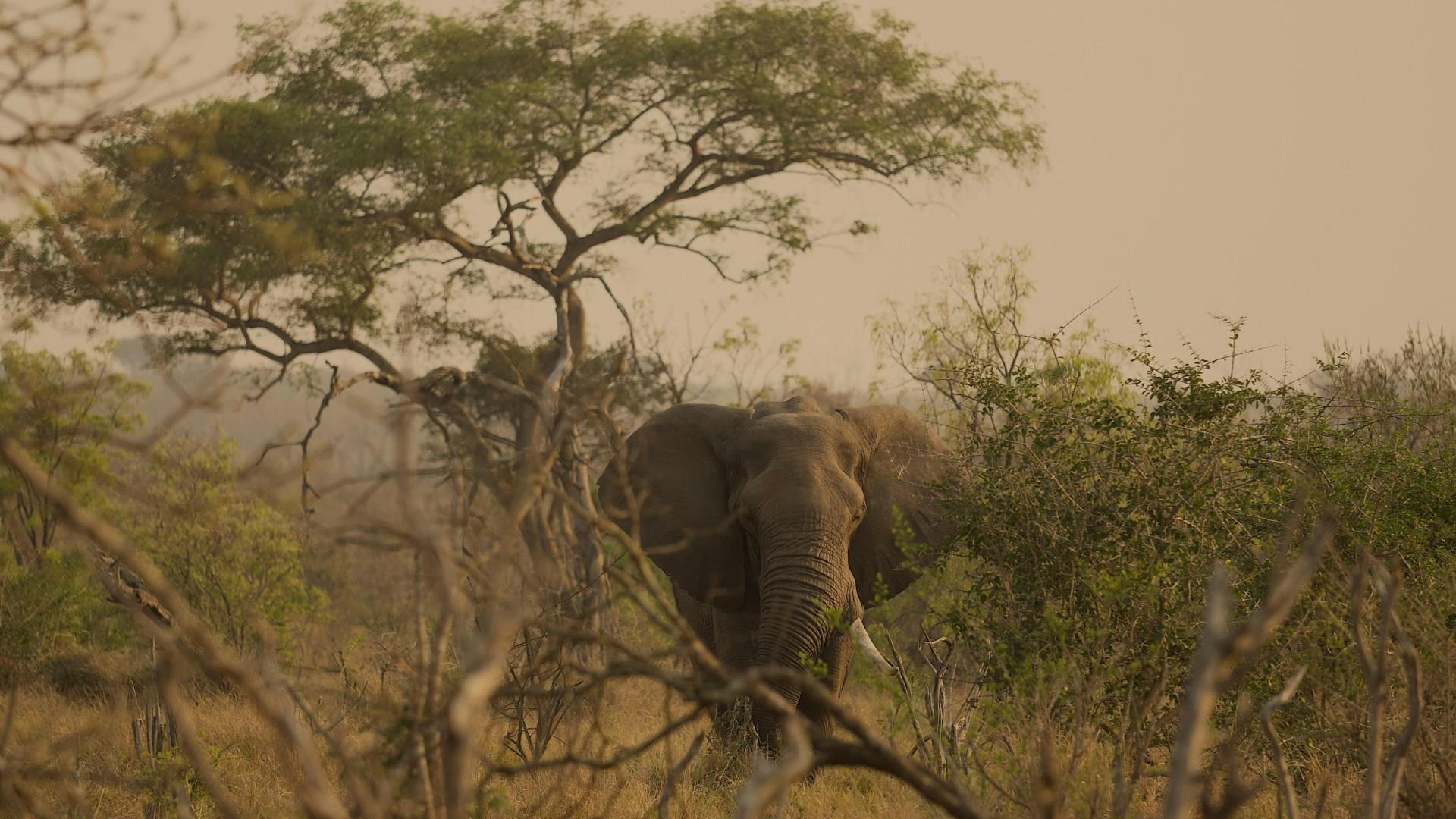
Hlane Royal National Park
Hlane Royal National Park lies in northeastern Eswatini, a reserve shaped by both wildlife and cultural heritage.
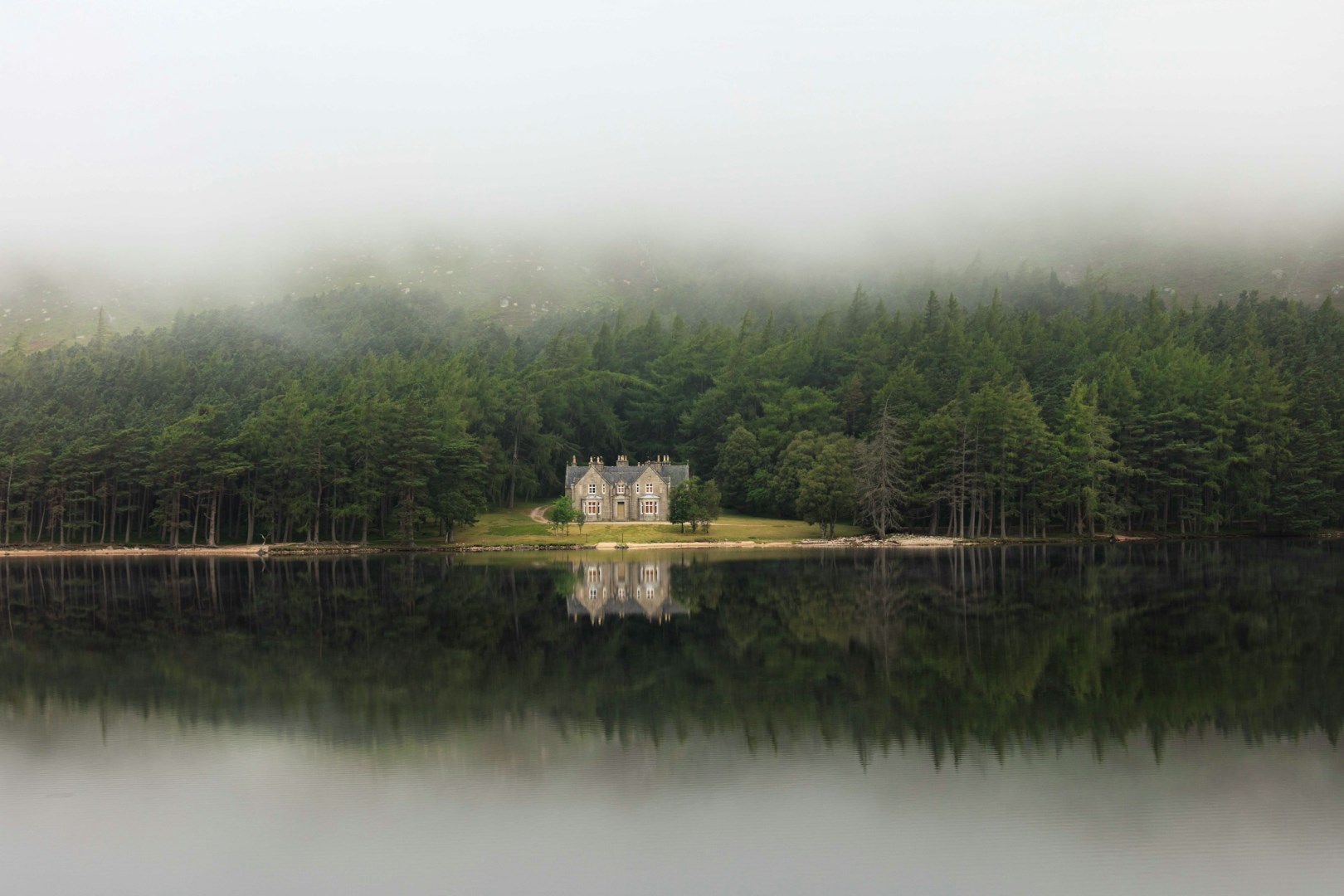
Ballater
A nice stop on your Scottish tour for the perfect golf game or bed and breakfast. Set in magnificent scenery, it is the perfect base for touring the surrounding town of Balmoral, and the Muir of Dunnet Nature Reserve.

Stowe
Stowe, Vermont, nestled in the Green Mountains, is a quintessential New England destination that captivates visitors year-round with its charming village atmosphere, outdoor adventures, and vibrant arts scene. Often referred to as the “Ski Capital of the East,” Stowe offers world-class skiing and snowboarding at Stowe Mountain Resort, which boasts over 485 acres of skiable terrain, including trails on Vermont's highest peak, Mount Mansfield.
