
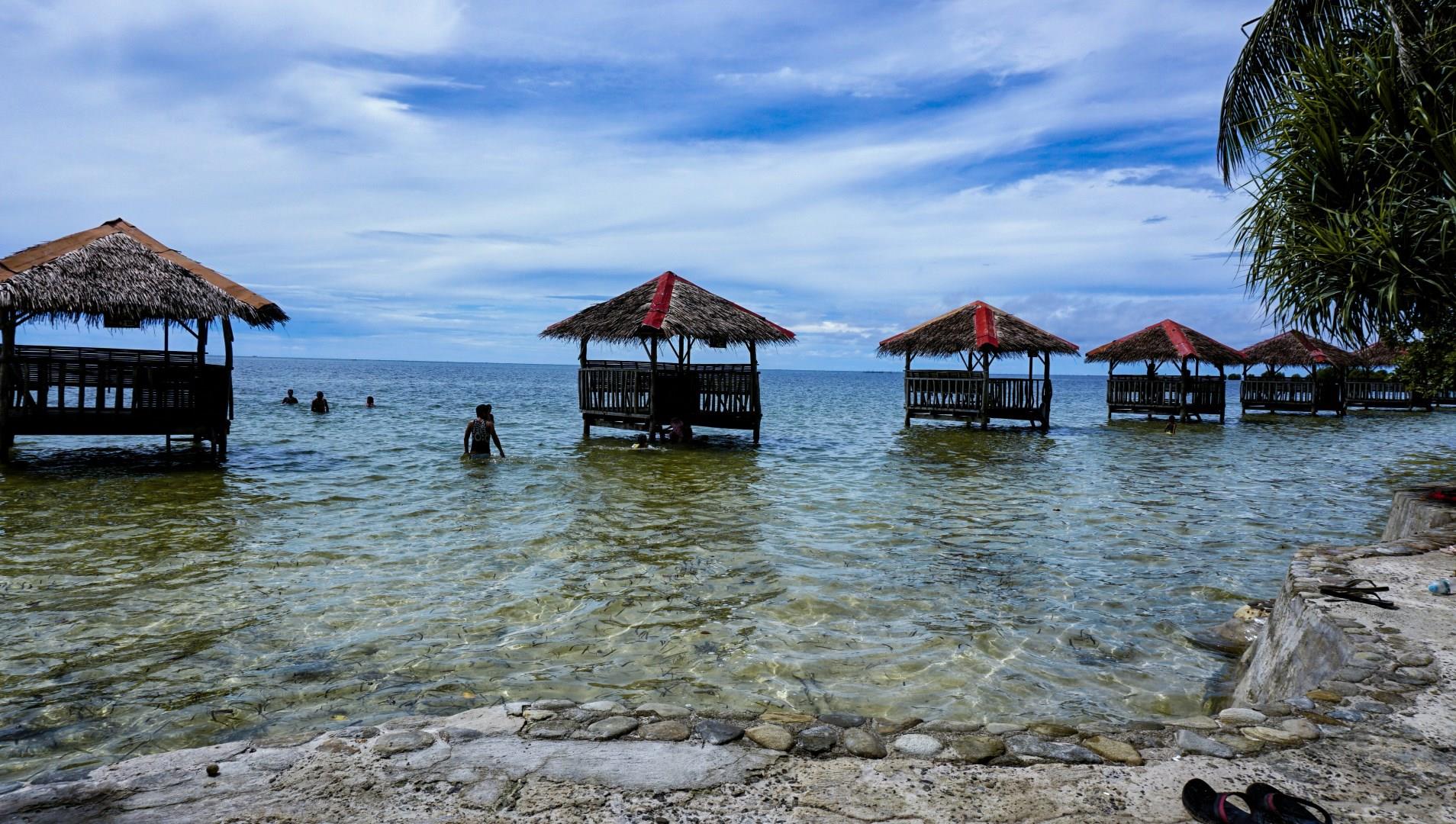
Puerto Princesa
Puerto Princesa, the capital of Palawan in the Philippines, is often seen as the gateway to some of the country’s most remarkable natural landscapes.
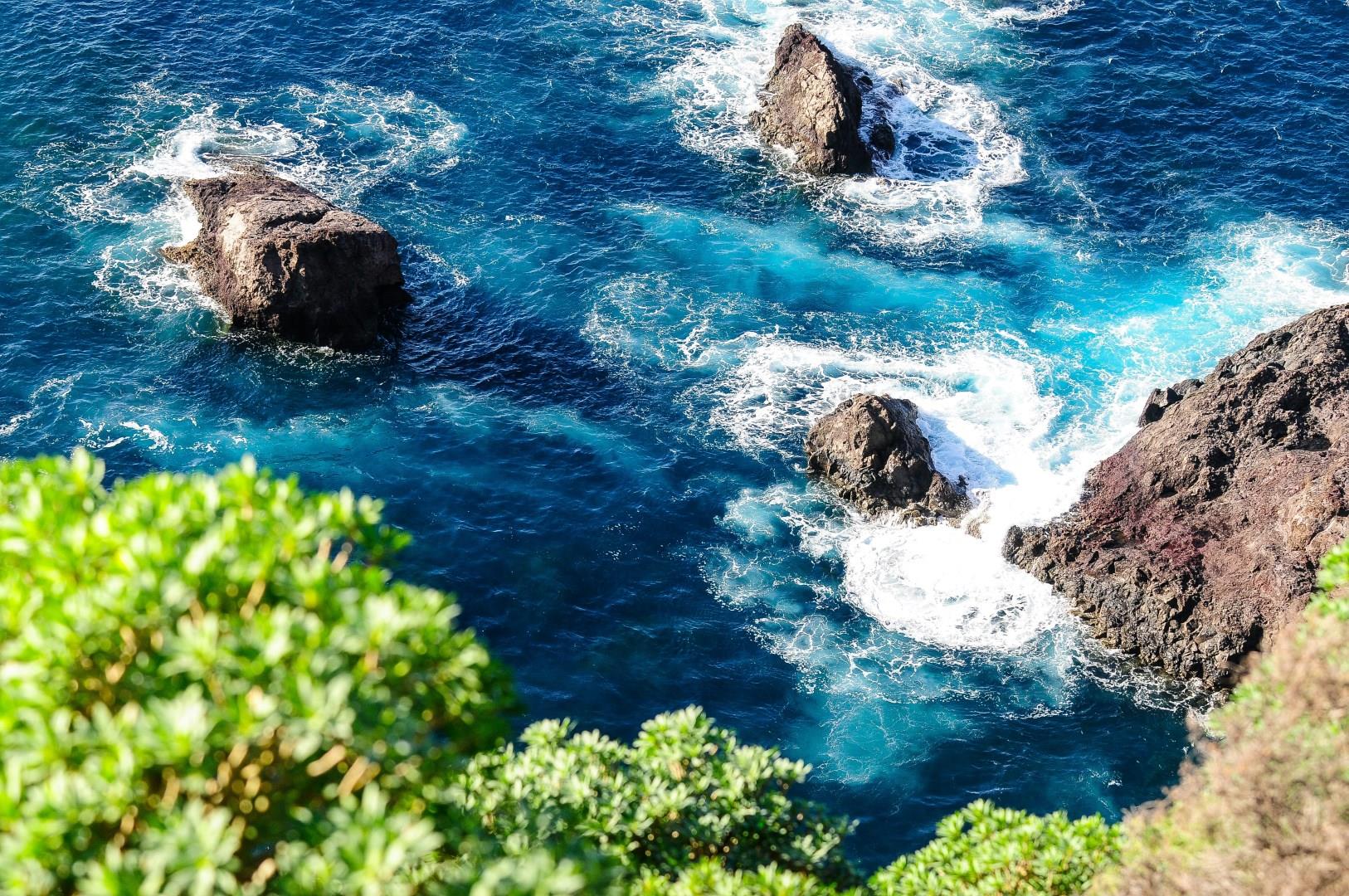
La Palma
La Palma (also San Miguel de La Palma) is the fifth of Spain's Canary Islands. This mountainous volcanic island is a natural wonder of tropical vegetation. Its coast is lined by jagged cliffs and plunging ravines, and its beaches are covered with black sand. Thanks to dry climate and the height of its mountains creating excellent observation conditions, La Palma has become the home of some of the world's largest telescopes, seated on the rocky ridge called El Roque de los Muchachos.
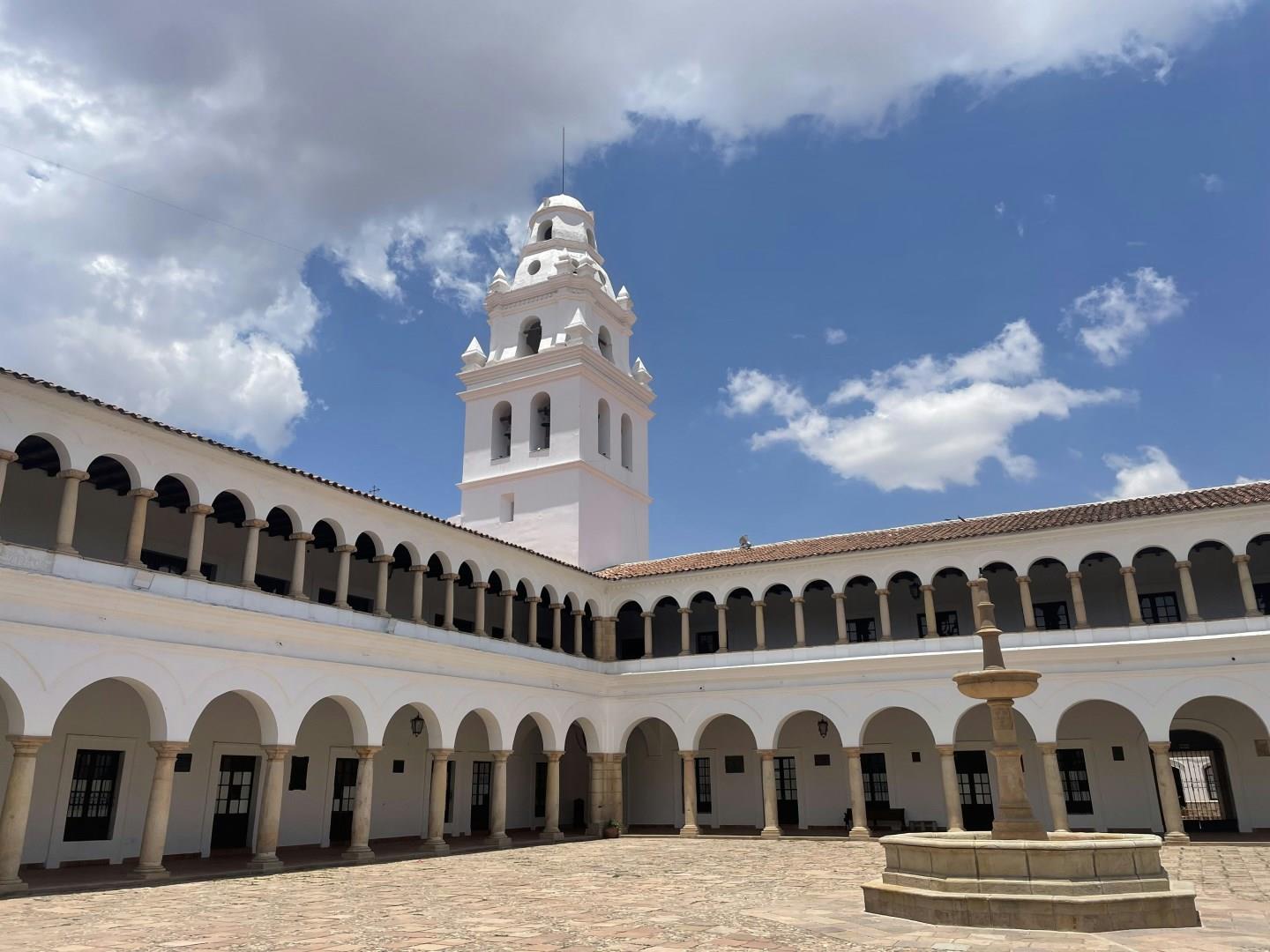
Sucre
Sucre, Bolivia’s constitutional capital, is a city steeped in history and colonial charm. Founded in the 16th century by the Spanish, it played a pivotal role in South America’s independence movements, earning its place as the birthplace of the Bolivian Republic.

Tahiti
Tahiti is a veritable paradise in the South Pacific. The largest and most populous island of French Polynesia's Society Islands, Tahiti is known for its iconic overwater bungalows, crystal-clear cerulean water, and lush, tropical rainforests.
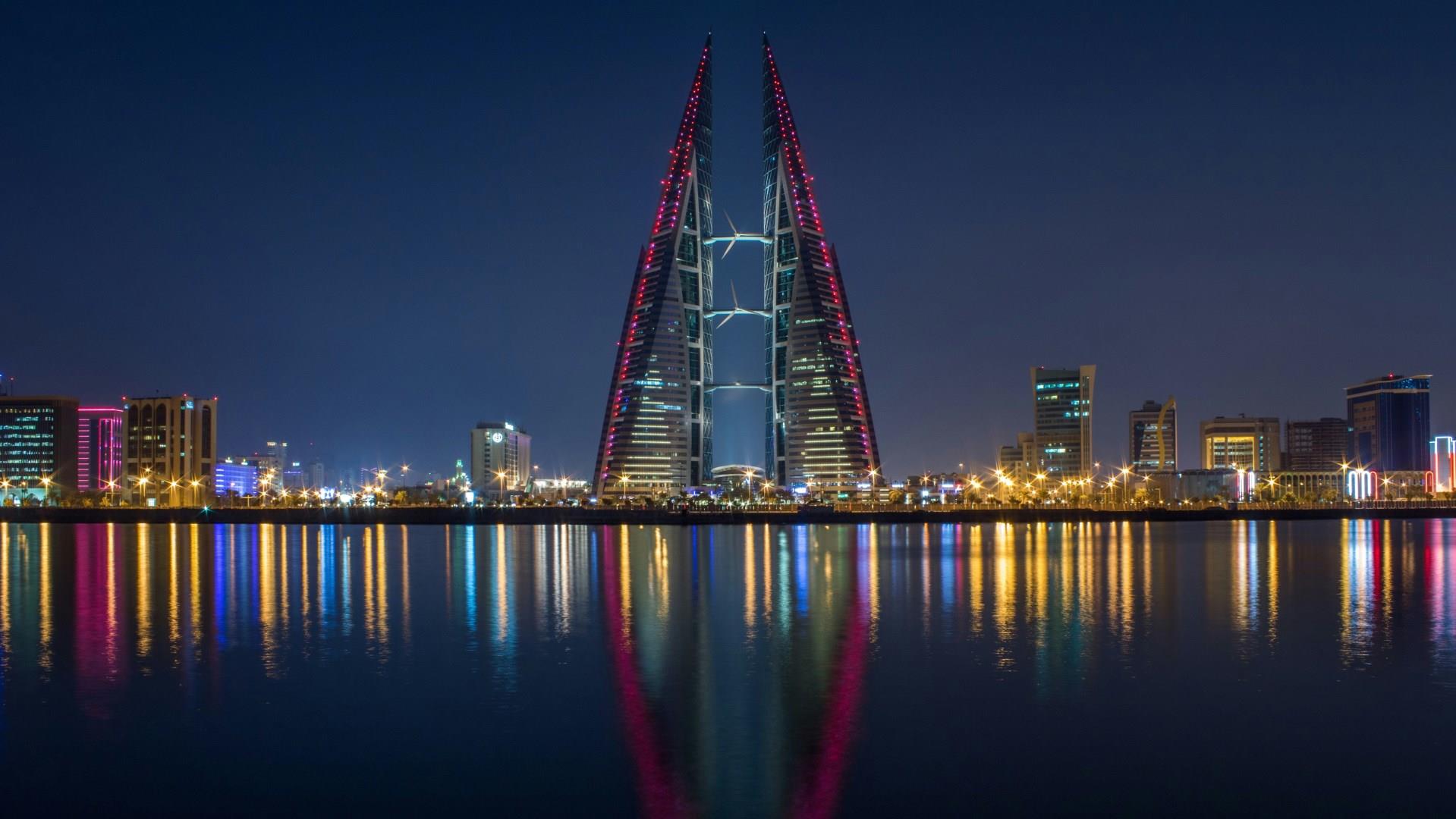
Manama
Manama pulses with stories from long ago and today. Just beyond the modern skyline lies Qal’at al‑Bahrain, a layered mound once the capital of Dilmun, used by societies from the Kassites to the Portuguese. Visitors can climb its crumbling stairways and imagine life across centuries there. Nearby, the Bahrain National Museum, opened in 1988 in a stately waterside building, displays archaeological finds from ancient Dilmun to modern-day artifacts and is one of the Gulf's first modern museums.
